![Vivid Gold - Video Game Outlet [KE]](http://vividgold.co.ke/cdn/shop/files/vivid_gold_Inverted_Color_Transparent_bg_1.svg?v=1776417429)


Recent Articles


Xbox Isn't Dead: How New Leadership Just Silenced the Critics
13 Jun 2026
Why Most PC Gamers Are Choosing 1440p Over 4K
26 May 2026
5 Story Games That Hit Different on PlayStation
29 Oct, 2025
Some games entertain you for a weekend. Others tell a story that stays with you for years, changing how you see the world long after the credits roll. PlayStation has become a home for these kinds of narrative masterpieces, worlds where choices haunt you, losses linger, and every victory carries a profound weight. These aren't just great stories; they're emotional experiences that hit different. Let's dive into five titles that perfected the art of making players feel. 1. Red Dead Redemption 2: The Tragedy of a Dying Era On the surface, Rockstar's epic is a tale of cowboys and outlaws. But at its heart, Red Dead Redemption 2 is a slow, beautiful tragedy about the collapse of the Wild West and one man's search for redemption in the face of it. You don't play as a hero; you play as Arthur Morgan, a complex man grappling with loyalty to a dream that's already faded. The game's power isn't in its shootouts, but in its stillness the quiet campfire conversations, the serene sunset rides, and the poignant goodbyes. It makes you feel the weight of an entire era slipping away, and asks what legacy one person can leave behind when their world is ending. 2. Ghost of Tsushima: Honor, Legacy, and Identity Ghost of Tsushima is a stunning samurai epic, but its true conflict isn't against the Mongol invaders it's inside the protagonist, Jin Sakai. The game masterfully explores the tension between rigid tradition and necessary evolution. Jin was raised with a strict code of samurai honor, but to save his home, he must become something else: the Ghost. This transformation forces players to confront a difficult question: What does it mean to protect your people if you have to destroy the person you were to do it? It's not just a story of war; it's a powerful story of becoming. 3. The Last of Us: Love in the Ruins In a world ravaged by a fungal pandemic, The Last of Us posits that humanity might be lost, but love isn't. The journey of Joel and Ellie is brutal, uncomfortable, and heartbreakingly real. The game’s genius lies in its quiet moments—the snippets of conversation, the shared jokes, the protective instincts that grow between its two leads. These small flickers of connection become beacons of hope in an overwhelming darkness. It hits different because it forces you to ask one of the most compelling moral questions in gaming: How far would you go to protect the one person who makes you feel human again? 4. Detroit: Become Human – The Cost of Consciousness Detroit: Become Human is more than a sci-fi thriller; it's a profound mirror held up to our own society. It explores themes of consciousness, freedom, and prejudice through the eyes of its android protagonists. Every decision you make as Kara, Connor, and Markus feels like a moral test—not for the characters, but for you. The game makes you care deeply about the fate of machines, forcing you to reflect on your own humanity, empathy, and flaws. It’s an interactive drama where your choices genuinely shape the narrative, making the emotional payoff intensely personal. 5. God of War: Ragnarök – Legacy and Fatherhood The God of War series was once defined by pure rage. But in God of War: Ragnarök, it transforms into a deeply moving saga about breaking cycles, of violence, vengeance, and toxic legacy. Kratos, once a symbol of destruction, is now a father desperately trying to teach his son, Atreus, a better way. The emotional core of the game isn't the epic battles with Norse gods, but the quiet, strained, and loving moments between a parent and a child. It’s a story about a man learning to be more than what the world made him, and in doing so, ensuring his son doesn't have to carry the same burdens. The Verdict: Stories That Reflect Us These five games demonstrate the unique power of the PlayStation platform to deliver narratives that are more than just entertainment. They explore universal themes of redemption, honor, love, freedom, and legacy. They remind us that even in worlds of chaos and fantasy, the most powerful stories are the ones that reflect our own humanity back at us. Which of these games hit you the hardest? Are there other PlayStation story masterpieces that left a lasting mark on you?
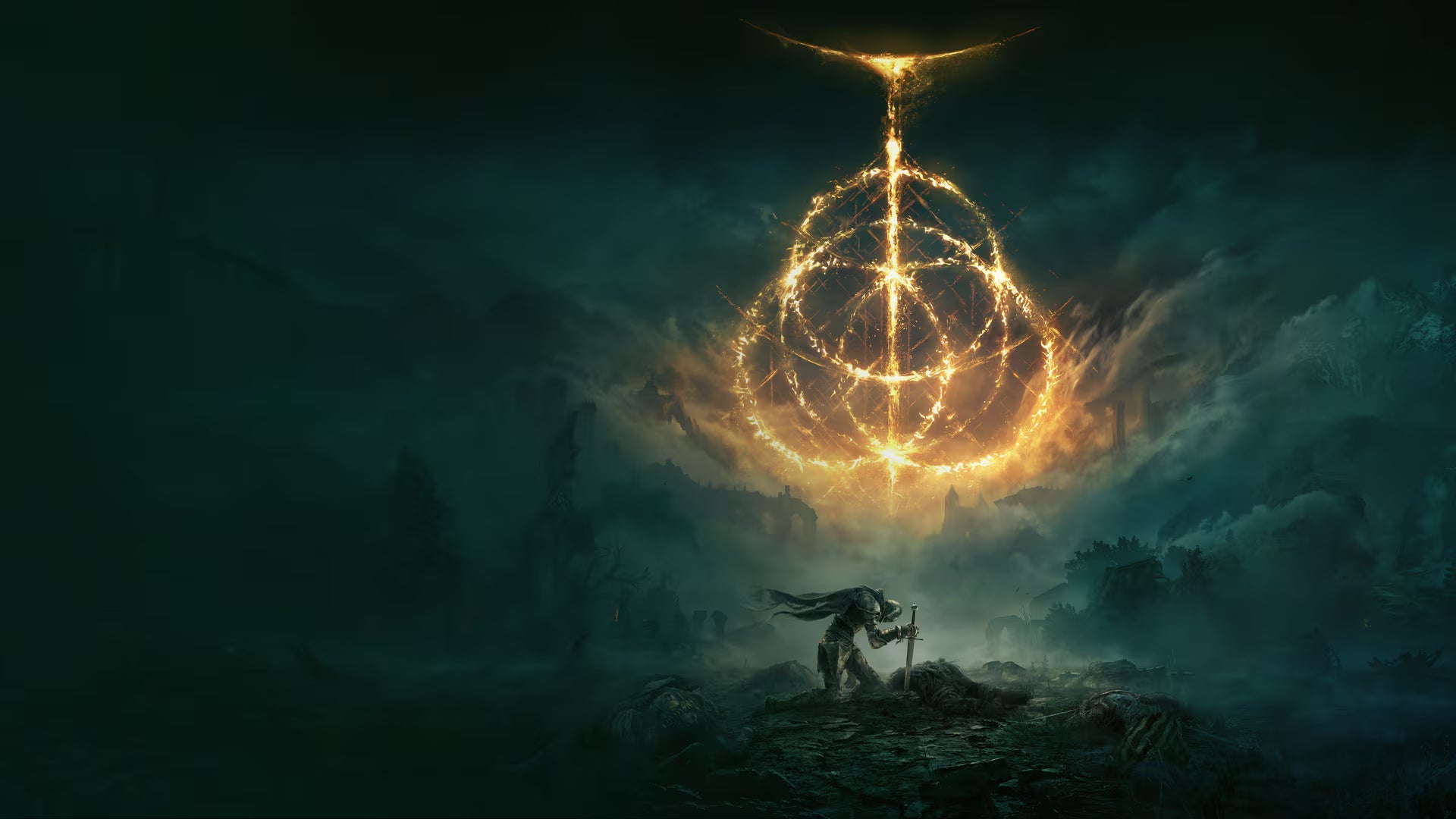
How Elden Ring Changed Open-World Games Forever
28 Oct, 2025
Before 2022, the open-world genre had settled into a comfortable, predictable pattern. You’d climb a tower to reveal a map cluttered with icons, then spend dozens of hours methodically clearing a checklist of repetitive tasks. It was a successful formula, but it had become a factory efficient, but devoid of magic. Then, Elden Ring arrived and set it all on fire. FromSoftware’s masterpiece didn't just successfully adapt the "Souls-like" formula to a vast landscape. It took everything we thought we knew about open-world design and threw it into a bonfire, rediscovering a forgotten truth: the real reward isn't the icon you clear it's the discovery itself. The Old Formula: Extrinsic Motivation and the Ubisoft Checklist To understand Elden Ring's revolution, we must first look at the standard it broke. For years, the dominant model often called the "Ubisoft formula" was built on extrinsic motivation. The game gives you a clear to-do list: Synchronize this tower. Clear this enemy camp. Collect these 10 feathers. The world becomes a mere backdrop for a grind. You aren't truly exploring; you are completing tasks. The satisfaction is in clearing the icon from your map, not in the journey to get there. The Elden Ring Philosophy: Intrinsic Motivation and the Power of Curiosity Elden Ring flips this entire model on its head. Its world, the Lands Between, is built entirely on intrinsic motivation. You aren't guided by waypoints, but by your own curiosity. You see a glimmer of light on a distant cliff. You notice a strange, ruined structure in a valley. You hear the eerie chant of an unseen enemy. None of this is marked on your map. You investigate simply because you want to know what's there. This shift is fundamental. The journey is no longer a means to an end; the journey is the reward. Freedom Through Failure: A World That Doesn't Hold Your Hand This design philosophy extends to how Elden Ring handles difficulty and progression. In a standard open-world game, hitting a difficult boss might force you to grind or follow a rigid critical path. In Elden Ring, failure is not a punishment; it's a teaching tool that opens up new possibilities. Hit a wall against a boss like Margit, the Fell Omen? The game doesn't offer an "Easy Mode" toggle. Instead, it gives you a profound choice: persevere and master the fight, or simply turn around. The world is your solution. You can go explore, find new weapons in hidden catacombs, discover powerful spells, and level up by tackling entirely different challenges. The critical path isn't a funnel; it's a compass, and you are free to ignore its bearing whenever you choose. Environmental Storytelling: A World That Feels Alive and Ancient Because Elden Ring trusts the player to explore without a checklist, its world feels more real and immersive. The environmental storytelling is king. An abandoned ruin isn't just a combat arena; it's the graveyard of a forgotten dynasty. An item description doesn't just list stats; it reveals a tiny, tragic piece of the world's deep lore. A non-player character’s cryptic dialogue hints at a vast, interconnected history. Every discovery, whether a powerful weapon or a piece of lore, enriches your understanding. The Lands Between feels less like a video game level and more like a real, ancient, and mysterious place that existed long before you arrived. The Verdict: A New Blueprint for Open Worlds Elden Ring didn't just change open-world games; it reminded us what they were always meant to be. It proved that true freedom isn't about having a thousand icons on a map. It's about having the autonomy to follow your own path, guided by nothing but your own curiosity and courage. It’s a design philosophy that trusts the player to find their own fun, their own challenges, and their own stories. In doing so, Elden Ring created a sense of genuine wonder and accomplishment that had been lost for years. It didn't just raise the bar; it created a new one, forever changing how developers and players will approach the open world. What was the most memorable discovery you made in the Lands Between? Was it a hidden boss, a secret weapon, or a breathtaking vista?
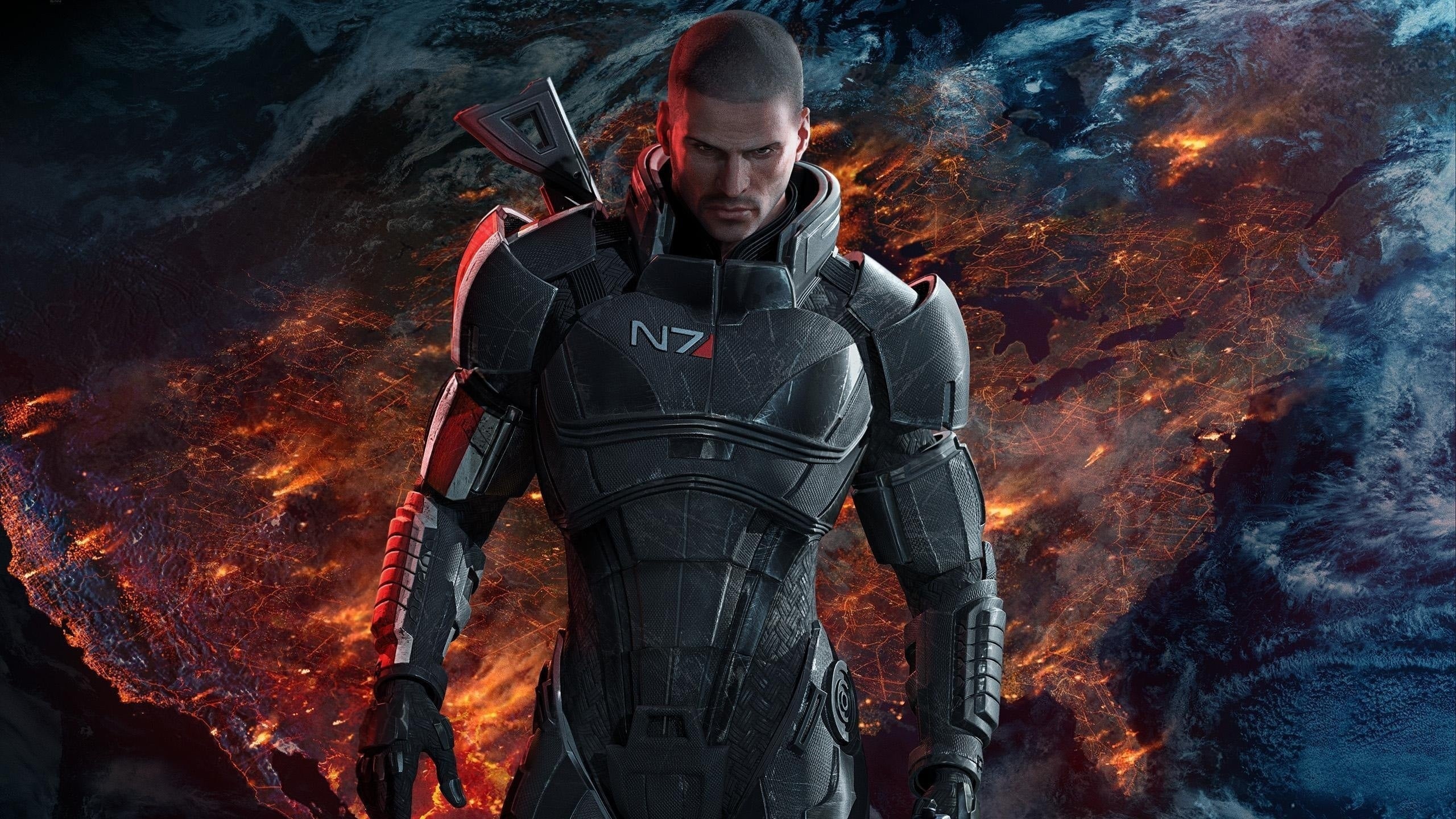
Game Remasters: A Gift to Gamers or a Cynical Cash Grab?
11 Oct, 2025
Who doesn't love a hit of nostalgia? The familiar soundtracks, the beloved characters—it’s a powerful feeling. Game remasters and remakes tap directly into that, bringing our classic favorites back to life with stunning modern graphics and smoother performance. But not every trip down memory lane is a pleasant one. For every lovingly crafted update, there's a disappointing, low-effort port that tarnishes the original's legacy. So, are game remasters a generous gift to fans or a cynical cash grab? Let's break down the pros and cons. The Pros: More Than Just a Fresh Coat of Paint When done with care and respect, a remaster can be a fantastic thing for both new players and longtime fans. Here’s how they get it right. 1. Unmatched Accessibility for a New Generation For gamers who missed a classic the first time around, tracking down old consoles and physical copies can be a major barrier. Remasters eliminate this hurdle entirely. Example: The Mass Effect Legendary Edition is the definitive way to experience Commander Shepard's saga. It bundles all three games and their DLC into one package, fully optimized for modern PCs and consoles. Without it, a new player would face a labyrinth of compatibility patches and outdated hardware. 2. Meaningful Technical and Visual Upgrades This is the most obvious benefit. A good remaster does more than just increase the resolution. Modern Features: Enjoy silky-smooth 60 FPS gameplay, 4K resolution, vastly improved draw distances, and dramatically reduced loading times. Faithful Reimaginings: Some projects go even further. The Spyro Reignited Trilogy didn't just upscale the graphics; it completely rebuilt the characters and worlds from the ground up, perfectly capturing the charm and personality of the originals. 3. Essential Game Preservation As physical media degrades and old hardware becomes obsolete, classic games risk being lost forever. Remasters act as a digital archive, ensuring that these important pieces of art and culture are preserved and can be enjoyed by future generations. The Cons: When Nostalgia Goes Wrong Unfortunately, the path of game remasters is also littered with cautionary tales. Here’s what happens when publishers get it wrong. 1. The Infamous "Cash Grab" Sometimes, a remaster feels less like a passion project and more like a quick, low-effort way to make money. These releases often ship with a host of new problems. Example: Grand Theft Auto: The Trilogy – The Definitive Edition became the poster child for bad remasters. It was plagued with game-breaking bugs, a strange new art style that stripped away the original's atmosphere, and performance issues that made it nearly unplayable at launch. 2. Low-Effort Ports and "Downgrades" Not all bad remasters are as disastrous as the GTA Trilogy. Some are just… lazy. These are simple ports with minimal visual upgrades, often introducing new glitches or removing beloved features. In some cases, they can be worse than the original. Example: Warcraft III: Reforged was so poorly executed that it actively replaced the classic game's client for existing players, removing features and breaking custom maps. It severely damaged player trust and the legacy of one of the most influential RTS games ever made. 3. Stifling Innovation and New IP When a publisher's release schedule becomes saturated with remasters, it can signal a risk-averse strategy. The concern is that the time, money, and talent being poured into repackaging old content could be invested in creating new, original games and IPs, leading to industry-wide creative stagnation. The Verdict: What Separates a Good Remaster from a Bad One? So, what's the key differentiator? It all boils down to one word: Respect. A great remaster treats the original game as a cherished classic. It carefully enhances the experience while staying true to its soul. The developers understand what made the game special and focus on preserving that magic. The Mass Effect Legendary Edition is a masterclass in this; it polished every aspect without altering the core narrative or gameplay that fans fell in love with. A bad remaster, on the other hand, disrespects the source material and its community. It views the original as a quick asset to be monetized, leading to cut corners, broken promises, and a product that feels like a cheap imitation. The GTA Trilogy is a prime example of this approach. The value of a remaster isn't just in its updated graphics—it's in the care, attention to detail, and clear love for the original work. What's Your Take? The debate is far from over. Are you thrilled to see your favorite classics get a new lease on life, or do you wish developers would focus entirely on new ideas? Let us know in the comments: what's the best—and worst—game remaster you've ever played?

Top 5 Most Underrated Indie Games You Need to Play
10 Oct, 2025
Everyone knows Hollow Knight, Hades, and Stardew Valley—and for good reason. But beyond these well-trodden hits lies a treasure trove of innovative, breathtaking, and criminally overlooked indie masterpieces. We're diving into the shadows to spotlight the unsung heroes of the indie world. These are the games that may not dominate your social media feed, but they absolutely deserve a spot in your library. Here are the top 5 most underrated indie games you need to play. 5: Owlboy – A Hand-Drawn Pixel Art Masterpiece Let's start with a love letter to pixel art. Owlboy is a visual masterpiece, developed over nearly a decade with every frame meticulously hand-drawn. You play as Otus, a mute owl-hybrid living in a floating sky world, who must defend his home from sky pirates. The game explores themes of identity, courage, and belonging against a backdrop of some of the most beautiful 2D art ever seen in a video game. Why It's Underrated: Launched during a peak of indie game releases, Owlboy was a gem that, despite its quality, got buried in the oversaturated market. It’s a must-play for fans of emotional storytelling and classic platforming. If Studio Ghibli made a platformer, it would feel a lot like this. 4: The Messenger – The Ninja Gaiden Love Letter That Breaks the Mold At first glance, The Messenger appears to be a faithful and challenging homage to classic 8-bit ninja games like Ninja Gaiden. It's fast, tough, and packed with retro charm. But then, halfway through, it completely flips the script. The game brilliantly evolves from a linear action-platformer into a full-blown, time-traveling Metroidvania. This surprising shift is complemented by razor-sharp controls, a hilarious and self-aware script, and an incredible chiptune soundtrack that evolves with the time periods. Why It's Underrated: Many wrote it off as "just another retro throwback," but The Messenger is one of the smartest and most inventive action-platformers of the last decade. 3: Katana Zero – A Stylish, Neo-Noir Thriller Katana Zero is the definition of style meeting substance. This neo-noir action game casts you as a samurai assassin with the ability to manipulate time. Combat is a brutal, one-hit-kill ballet where you slice through enemies with precision, dodging bullets and planning your path in slow motion. Beneath the hyper-stylish, fast-paced action lies a dark and complex narrative dealing with trauma, memory, and morality. The story unfolds like a psychological thriller, using dream sequences and branching dialogue choices to pull you into its grim world. Why It's Underrated: Its sleek presentation can mask its emotional depth. Katana Zero is a rare triple threat: stylish, smart, and emotionally heavy, making it a standout in indie storytelling. 2: Disco Elysium – The Revolutionary Detective RPG Few games have ever taken narrative as seriously as Disco Elysium. This isn't just a game; it's a philosophical deep-dive disguised as a detective RPG. You play an amnesiac detective tasked with solving a murder in a crumbling, politically volatile city, but the real mystery is the one inside your own head. The game features no traditional combat. Instead, you progress by talking, thinking, and making skill checks influenced by 24 different aspects of your character's psyche. You can be a genius, a superstar cop, a drug-addled mess, or all of the above. The world and its inhabitants react to your every choice. Why It's Underrated: While it has a cult following and critical acclaim, its text-heavy, slow-burn nature means it's often overlooked by a mainstream audience. For those who crave writing that challenges the very nature of the medium, Disco Elysium is a masterpiece hiding in plain sight. 1: Return of the Obra Dinn – The Ultimate Deduction Puzzle Our number one pick is perhaps the most unique and brilliant detective game ever made: Return of the Obra Dinn. From Lucas Pope, the creator of Papers, Please, this game puts you in the shoes of an insurance investigator in the 1800s, boarding a ghost ship whose crew has either vanished or died. Armed with a pocket watch that lets you witness moments of a person's death, your job is to deduce the fate of all 60 souls on board. The game offers no hand-holding, just your own logic, observation, and deduction skills. It's rendered in a striking, haunting 1-bit art style that feels like a Macintosh game from the 1980s. Why It's Underrated: Its minimalist presentation and demanding puzzle mechanics make it a niche title. However, for those who embrace its challenge, Return of the Obra Dinn provides one of the most satisfying and intelligent experiences in all of gaming. What's Your Hidden Gem? So, there you have it—five incredible indie games that flew under the radar but deserve a place in gaming history. Now we want to hear from you: which underrated indie gem do you think belongs on this list? Let us know in the comments
Netflix for Games? The 2025 Subscription Wars Are Redefining How We Play
09 Oct, 2025
Welcome to the future of gaming, where your entire library lives behind a monthly paywall. By 2030, the concept of "buying" a game might feel as antiquated as purchasing DVD box sets. We're in the midst of a seismic shift that's not just changing how we play games, but who controls our access to them. The battle between Xbox Game Pass, PlayStation Plus Premium, and Apple Arcade is about more than just monthly fees—it's a war for the soul of gaming itself. The Current Battlefield: Three Kingdoms at War Xbox Game Pass: The Trailblazer Microsoft's service set the standard with its "Netflix for games" approach, but the landscape has evolved dramatically. Current Strengths: Day-one first-party releases PC and console integration Cloud gaming inclusion EA Play integration at no extra cost Recent Challenges: Price increases across all tiers Longer gaps between major first-party releases Growing competition from publisher-specific services PlayStation Plus: The Reborn Contender Sony's answer to Game Pass represents a massive restructuring of their legacy services. Strategic Positioning: Three-tier system (Essential, Extra, Premium) Strong legacy content from PS1-PS3 eras Timed exclusives and third-party partnerships Gradual addition of first-party titles (6-12 months post-release) Apple Arcade: The Mobile Maverick While often overlooked in core gaming discussions, Apple's approach reveals an alternative strategy. Unique Value Proposition: Curated, high-quality mobile games No microtransactions or ads Family sharing included Cross-platform sync across Apple devices The Fragmentation Problem: Too Many Choices? The promise of a single "Netflix for games" remains elusive. Instead, consumers face a fragmented landscape: The Current Reality: Average gamers maintain 2.3 gaming subscriptions 68% report "subscription fatigue" Exclusive content drives multiple subscriptions Regional availability varies dramatically Publisher-Specific Services: Ubisoft+ EA Play Riot Games' emerging ecosystem Square Enix's rumored classic RPG service This fragmentation mirrors the streaming video market, where consumers increasingly need multiple services to access desired content. The Cloud Gaming Revolution: Playing Anywhere, Owning Nothing Cloud gaming represents the ultimate expression of the subscription model—complete device independence at the cost of permanent ownership. Current State of Cloud Gaming: Xbox Cloud Gaming: Integrated with Game Pass Ultimate PS Plus Premium: Limited cloud streaming for legacy titles NVIDIA GeForce Now: Hybrid model (bring your own games) Amazon Luna: Channel-based approach The Technical Reality: Latency remains a barrier for competitive gaming Data caps and internet quality create access inequality Game preservation concerns grow as physical media declines AI and Personalization: The Next Frontier The future of gaming subscriptions isn't just about access—it's about intelligent curation and dynamic experiences. Emerging Trends: AI-powered recommendation engines Dynamic difficulty adjustment Personalized content generation Behavioral analysis for game suggestions Ethical Questions: How much should algorithms dictate our gaming choices? Who owns the data about our play habits? Could AI create "echo chambers" in game discovery? The Metaverse and Web3: Subscription 2.0 The next evolution of subscriptions may blend traditional models with emerging technologies. Metaverse Integration: Cross-platform identity and progression Virtual economies tied to subscription status Social spaces as subscription perks Creator ecosystems within subscription platforms Web3 Possibilities: NFT-based ownership within subscription frameworks Blockchain-verified achievement systems Decentralized subscription governance Player-owned asset marketplaces The Value vs. Ownership Debate The Case for Subscriptions: Cost Efficiency: Access to hundreds of games for less than the price of two new releases Discovery: Try games you'd never risk purchasing Convenience: Instant access across devices Reduced Risk: No buyer's remorse for disappointing games The Case for Ownership: Permanent Access: Your library doesn't disappear if you cancel No Recurring Costs: One-time purchase for lifetime access Preservation: Physical media and DRM-free options True Collection Building: Curating a personal library The 2030 Outlook: Four Possible Futures Scenario 1: The Subscription Dominance (45% Probability) 80% of gaming revenue comes from subscriptions Physical media becomes niche/collector-focused Major publishers operate their own subscription services Indies struggle outside curated subscription platforms Scenario 2: The Hybrid Model (30% Probability) Subscriptions coexist with traditional purchases "Subscribe to try, buy to own" becomes standard Dynamic pricing based on engagement data Bundled services (gaming + video + music) Scenario 3: The Backlash (15% Probability) Consumer resistance to "rental culture" Resurgence of ownership-focused platforms Regulatory intervention on subscription terms Preservation movements gain mainstream support Scenario 4: The Metaverse Merger (10% Probability) Gaming subscriptions merge with broader digital life subscriptions Single digital identity across entertainment, social, and work Virtual world access becomes the primary subscription product Traditional "game" distinctions blur significantly Navigating the Subscription Landscape: A Consumer's Guide For Casual Gamers: Start with one general service (Game Pass or PS Plus Extra) Consider Apple Arcade if primarily mobile gaming Evaluate based on existing device ecosystem For Enthusiasts: Multiple subscriptions may be unavoidable Track annual costs versus à la carte purchasing Consider game preservation and long-term access needs For Families: Leverage family sharing plans Consider curated services for children Balance discovery with content control needs The Bottom Line: Who Really Wins? The subscription wars aren't really about which service "wins"—they're about reshaping the entire gaming industry's economic model. The real winners and losers will be determined by: Winners Likely Include: Gamers who value variety over ownership Microsoft and other first-movers Indies who get featured in curated sections Investors in cloud infrastructure Potential Losers: Physical game retailers Gamers in areas with poor internet Preservationists and collectors Mid-tier developers squeezed by subscription economics The most significant change might be psychological: we're transitioning from thinking of games as products we own to experiences we access. This shift will have ripple effects through game design, business models, and even how we form emotional connections with virtual worlds. Where do you stand in the great subscription debate? Are you all-in on services like Game Pass, or are you holding onto physical copies and Steam sales? The future of how we play is being written right now, and your choices are part of that story.
Black Ops 7 vs. Battlefield 6: Which FPS Titan Will Dominate
03 Oct, 2025
The first-person shooter landscape is facing its most dramatic shift in years. With Battlefield 6generating unprecedented hype and Call of Duty: Black Ops 7 representing gaming's most reliable franchise, the battle for FPS supremacy has never been more intense. But can Battlefield's momentum overcome Call of Duty's legendary brand loyalty? The State of Play: Two Titans Colliding Battlefield 6's Meteoric Rise The hype around Battlefield 6 is undeniable and backed by concrete data: Record-Breaking Beta: Steam concurrent player records shattered during open testing Strong Pre-Order Numbers: Outpacing previous franchise entries by significant margins Community Optimism: Highest franchise sentiment scores since Battlefield 1 Technical Ambition: Promising true next-generation destruction and scale Call of Duty's Unshakable Foundation Meanwhile, Black Ops 7 operates from a position of incredible strength: Proven Track Record: 15+ years of consistent commercial dominance Built-in Audience: Millions of dedicated fans who purchase annually Ecosystem Advantage: Integration with Warzone and mobile platforms Marketing Machine: Unmatched promotional resources and reach The Analyst Perspective: Why Brand Loyalty Might Decide Everything According to Alinea Analytics' Rhys Elliot, the numbers reveal a fascinating psychological pattern: "Even when Call of Duty releases underperform critically, they maintain staggering sales figures. This 'autopilot purchasing' effect gives Activision an incredible market advantage that's difficult to disrupt." Key Findings from Market Analysis: COD franchise maintains 65%+ brand loyalty year-over-year Only 12% of core COD players regularly switch between major FPS franchises Battlefield needs to convert 40%+ of casual COD players to achieve market parity Historical data shows even acclaimed Battlefield titles peak at 60-70% of COD sales Battlefield 6's Path to Victory: Three Critical Advantages 1. Technical Innovation & Scale Battlefield's signature destruction mechanics are reportedly "generational leaps" ahead of previous entries. The Frostbite engine now supports: Real-time structural collapse physics Dynamic weather affecting gameplay strategy 128-player matches with stable performance Persistent environmental changes across matches 2. Capitalizing on COD Fatigue Market research indicates growing player frustration with: Perceived lack of innovation in recent COD titles Aggressive monetization strategies Annual release fatigue Balance issues in competitive modes 3. The "Underdog Momentum" Effect Battlefield's position as the challenger creates several advantages: Lower expectations allow for positive surprise Media coverage emphasizes "resurgence" narrative Community goodwill from addressing past criticisms Freedom to take creative risks COD cannot The Obstacles: Why Battlefield Faces an Uphill Battle The Habit Factor Industry data reveals troubling patterns for challenger franchises: 78% of COD players purchase within first two weeks Only 23% read reviews before purchasing Average playtime drops <20% even for criticized entries Strong emotional attachment to prestige systems and progression The Ecosystem Gap Call of Duty's interconnected universe creates powerful retention: Warzone integration drives main title purchases Cross-progression between platforms Mobile version (Warzone Mobile) feeds console/PC engagement Esports infrastructure promotes year-round engagement Historical Precedent Sales data from previous franchise clashes tells a clear story: Battlefield 3 (91 Metacritic) sold 15M vs Modern Warfare 3 (88 Metacritic) 30M+ Battlefield 1 (89 Metacritic) sold 15M vs Infinite Warfare (77 Metacritic) 13M*Note: Even COD's "disappointing" entries approach Battlefield's peak sales Black Ops 7's Counter-Offensive: Proven Strengths The Formula That Works Treyarch's approach focuses on refining rather than reinventing: Polished, predictable gameplay loops Strong emphasis on competitive balance Familiar progression systems Robust anti-cheat infrastructure Cross-Platform Dominance Call of Duty's multi-platform strategy creates unmatched reach: Day-one availability on all major platforms Cross-play as standard feature Shared progression across ecosystems Unified battle pass system Marketing Saturation Activision's promotional machine ensures maximum visibility: $200M+ marketing budgets Celebrity endorsements and partnerships In-game Warzone integration months before launch Global esports tournaments driving awareness Three Possible Outcomes for the FPS Wars Scenario A: Business as Usual (60% Probability) Black Ops 7 outsells Battlefield 3:1 Both franchises are commercially successful Battlefield wins critical acclaim but not market share Industry narrative focuses on "two healthy franchises" Scenario B: The Upset (25% Probability) Battlefield 6 achieves 85%+ of Black Ops 7 sales Significant COD player base migration occurs Activision forced to accelerate innovation timeline Market sees first true FPS competition in a decade Scenario C: Market Segmentation (15% Probability) Clear player preference separation emerges COD dominates competitive/esports scene Battlefield owns large-scale, emergent gameplay niche Both franchises thrive in their respective lanes 📊 Key Metrics to Watch Post-Launch For Battlefield 6 Success: Month 2-3 player retention above 65% Console platform sales matching PC enthusiasm Content update cadence maintaining momentum Community sentiment staying positive through first season For Black Ops 7 Dominance: Pre-order conversion to active players >80% Warzone integration driving main title engagement Esports viewership numbers during first major tournament Microtransaction engagement compared to previous titles The Bottom Line: Who Really Wins? While the data suggests Black Ops 7 will likely maintain commercial dominance, the real winner in this showdown is the FPS community. This level of competition forces both franchises to innovate, improve player value, and address long-standing community concerns. Battlefield 6 doesn't need to "beat" Call of Duty to be successful. If it can: Maintain strong player engagement beyond launch window Deliver consistent, high-quality content updates Build trust through transparent communication Establish a clear identity separate from COD Then the FPS landscape becomes healthier for everyone. The pressure on Activision to deliver meaningful innovation in Black Ops 7 is higher than it's been in years, and that ultimately benefits every player. Which side are you on in the great FPS war? Will you be enlisting in Battlefield 6's large-scale battles or sticking with Black Ops 7's polished action? The battlefield awaits your decision.
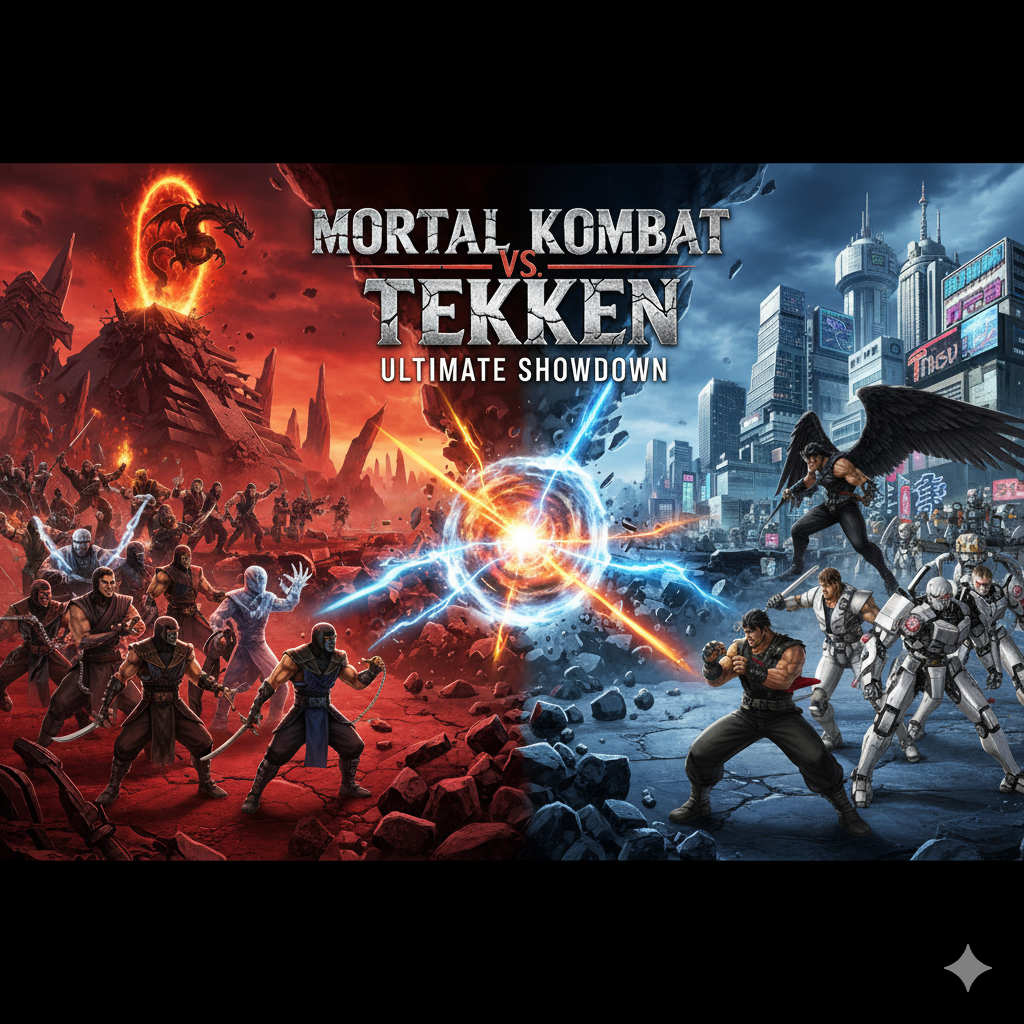
Mortal Kombat vs Tekken: Which Fighting Game Giant Reigns Supreme
24 Sep, 2025
Introduction: The Eternal Fighting Game Debate For decades, two names have dominated the fighting game genre: Mortal Kombat and Tekken. Both series have passionate fanbases, but they approach combat in fundamentally different ways. Whether you're a seasoned fighting game veteran or a newcomer looking to choose your first serious fighter, this comprehensive comparison will help you decide which game deserves a spot in your library. Gameplay Philosophy: Style vs Substance Mortal Kombat's Accessible Brutality Mortal Kombat prioritizes cinematic flair and immediate satisfaction. The fighting system is more accessible for newcomers, with special moves that are generally easier to execute than Tekken's complex inputs. Where MK truly shines is in its signature Fatalities - the gruesome finishing moves that have become a cultural phenomenon. Key Gameplay Features: 2.5D fighting plane (side-to-side with 3D graphics) Simplified special move inputs Block button (unlike most fighting games) Focus on brutal, cinematic sequences Extensive single-player content Tekken's Technical Depth Tekken operates on a 3D plane, adding sidestepping and deeper movement to the traditional fighting formula. The game is renowned for its incredible depth, with each character having over 100 moves to master. Tekken's learning curve is steeper, but the reward is one of the most satisfying and technically rich fighting systems ever created. Key Gameplay Features: True 3D movement (sidestepping, backdashing) Complex combo systems and frame data mastery Traditional back-to-block system Focus on martial arts authenticity High skill ceiling for competitive play Character Roster & Legacy Mortal Kombat's Iconic Ninjas and Gods From Scorpion's "Get Over Here!" to Sub-Zero's ice attacks, Mortal Kombat's characters are instantly recognizable. The franchise has built a compelling dark fantasy universe with gods, monsters, and special forces operatives clashing in epic storylines. Notable Characters: Scorpion and Sub-Zero (the face of the franchise) Raiden (thunder god) Johnny Cage (Hollywood star) Liu Kang (fireball-throwing hero) Tekken's Martial Arts Masters Tekken's roster focuses on diverse martial arts styles, from Karate and Judo to more exotic fighting forms. The ongoing Mishima family saga provides a dramatic backbone to the character relationships, creating a more serious, character-driven narrative. Notable Characters: Kazuya Mishima (the tortured anti-hero) Jin Kazama (the conflicted protagonist) King (the jaguar-masked wrestler) Nina Williams (the deadly assassin) Graphics & Presentation: Blood vs Polish Mortal Kombat's Cinematic Excellence NetherRealm Studios has mastered the art of cinematic presentation. Mortal Kombat features Hollywood-level production values with stunning story modes that feel like playable action movies. The gore is incredibly detailed, making every punch, kick, and special move feel impactful. Tekken's Technical Prowess Bandai Namco focuses on silky-smooth performance and clean visual design. While less overtly cinematic than MK, Tekken runs at a flawless 60fps with incredibly polished animations that reward frame-perfect execution. The visual style is more grounded but technically impressive. Single-Player Content: Which Game Offers More? Mortal Kombat: The King of Solo Play If you primarily play fighting games alone, Mortal Kombat is arguably the better choice. The series consistently delivers: 4-6 hour cinematic story modes Towers with unique modifiers and challenges Krypt exploration mode Extensive tutorial systems Tekken's Solid Solo Offerings While traditionally more focused on versus play, modern Tekken games have improved their single-player content significantly: Story mode with character episodes Treasure Battle for unlockables Practice mode with extensive tutorials Character customization options Online & Competitive Scene Tekken's Tournament Dominance Tekken has a stronger presence in the competitive fighting game community. The complex movement and deep mechanics make it a staple at tournaments like EVO. The skill ceiling is incredibly high, rewarding dedicated players with endless depth to explore. Mortal Kombat's Accessible Competition Mortal Kombat's online scene is more accessible to intermediate players. While it has a competitive scene, the gameplay is generally more forgiving for casual online play. NetherRealm's netcode has improved significantly in recent iterations. Which Game Is Right For You? Choose Mortal Kombat If: You prefer cinematic, story-driven experiences You want accessible gameplay with immediate satisfaction You enjoy brutal, over-the-top violence and gore You value extensive single-player content You're new to fighting games Choose Tekken If: You want deep, technical gameplay to master You prefer competitive multiplayer and tournaments You enjoy 3D movement and complex combos You appreciate diverse martial arts styles You're willing to invest time in learning frame data Verdict: Two Different Paths to Fighting Greatness The Mortal Kombat vs Tekken debate ultimately comes down to personal preference. Mortal Kombatexcels as an entertainment package with its Hollywood presentation and accessible gameplay. Tekkenstands as a deeper competitive experience with unparalleled technical depth. Both series represent the peak of their respective subgenres. Rather than declaring one objectively better, we're fortunate to have both approaches thriving in the fighting game community. Which fighting game royalty deserves your loyalty? The answer depends on what you're looking for in a virtual fight.
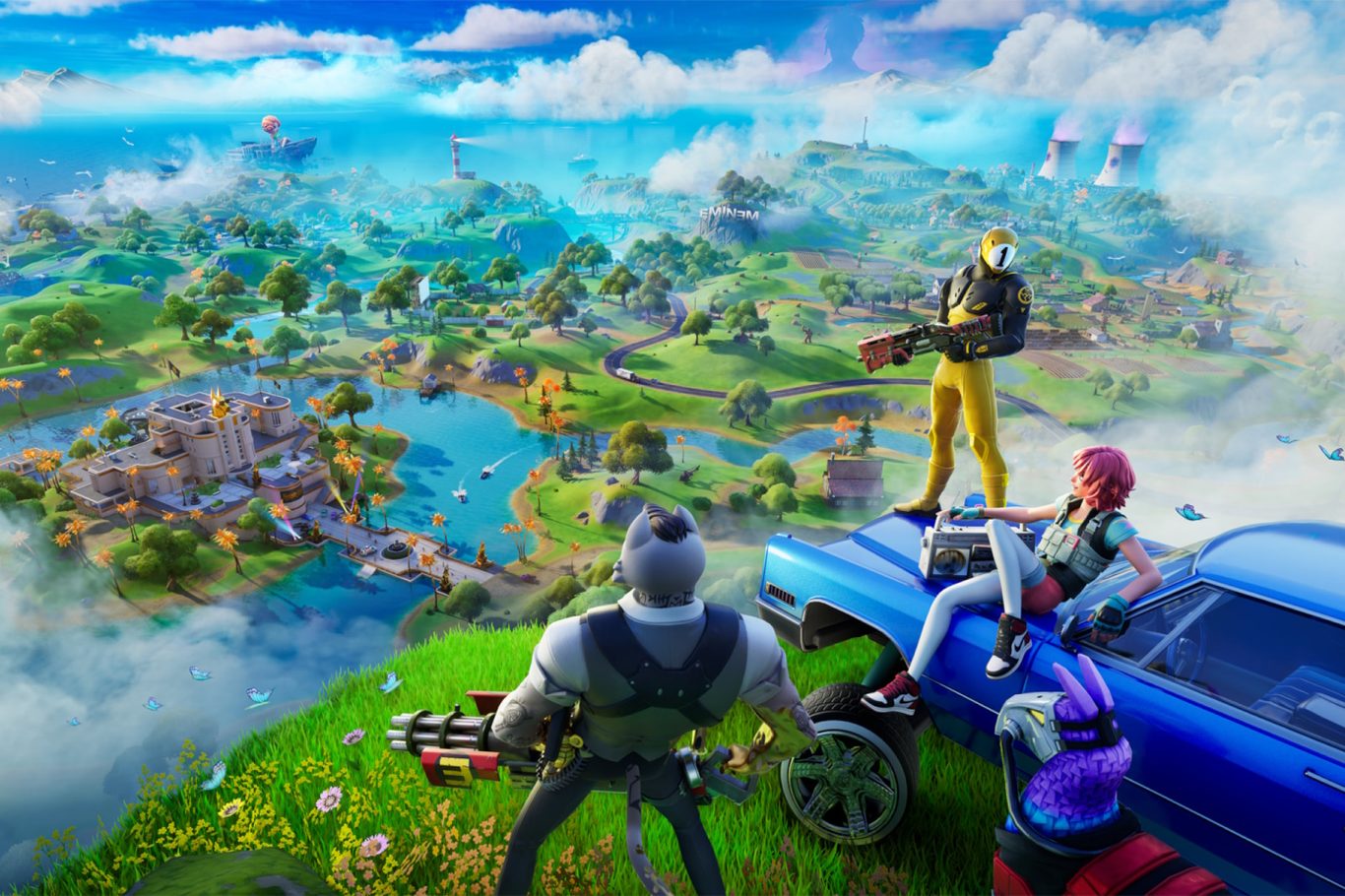
Platform Games vs. Traditional AAA: The Industry's Civil War
20 Sep, 2025
It's not just a different genre—it's a different rulebook. We break down how games like Roblox and Fortnite are rewriting the fundamentals of the entire gaming industry. If you look at the gaming landscape today, you see two parallel realities. In one, studios like Naughty Dog, Ubisoft, and Activision pour hundreds of millions of dollars into creating breathtaking, cinematic blockbusters. In the other, titles like Roblox, Fortnite, and Minecraft operate less like traditional games and more like persistent digital nations, evolving daily. This isn't a simple comparison of two types of games. It's a fundamental clash of philosophies: the finished product versus the endless platform. Let's dive into the key battlegrounds where this industry civil war is being fought. At a Glance: The Core Differences Feature Traditional AAA Games Platform-Style Games Core Model Finished Product Evolving Platform Content Source Developer-Created User-Generated & Developer-Created Development Cycle Fixed (2-5 years) Continuous & Live (Daily/Weekly updates) Player Role Consumer Consumer, Creator, Social Participant Primary Revenue $70 Game Sales + DLC Microtransactions, Battle Passes, Creator Economy Longevity Peaks at launch, fades Persists for years, grows with audience Social Experience Often optional (Co-op/MP) Always-online, central to the experience 1. The Content Model: Finite World vs. Infinite Playground Traditional AAA is built on a developer-led, sequel-based model. You buy a highly polished, complete experience—think The Last of Us or Call of Duty. You enjoy its story, its multiplayer maps, and its features. Then, you wait. The next significant update is a sequel, often years later, which offers a similar but incrementally improved experience. Platform games shatter this cycle. There is no "waiting for the next one." A game like Roblox or Fortnite is a single, persistent universe that never stops evolving. The content isn't just from the developers; it's from the players themselves. Log into Roblox on any given day, and you’re not just playing "Roblox"—you're jumping between thousands of unique games within Roblox, all created by other users. This model generates infinite variety, making the platform feel fresh every single week. 2. The Development Cycle: The Big Bang vs. The Constant Pulse AAA development is a marathon ending with a giant explosion—the launch day. Studios work for years in secrecy, fueled by massive budgets, to create a single monumental release. After launch, support typically involves patches and maybe a few DLC packs before the team moves on to the next project. Platform development is a never-ending sprint. There is no final version. Epic Games doesn't need to develop Fortnite 2; they simply update the existing game. This allows for incredible agility. They can launch a new season, a major event like a concert with Ariana Grande, or a crossover with Marvel literally overnight. The development cycle is decoupled from a release schedule, enabling constant iteration and immediate response to trends. 3. Player Motivation: Consuming a Story vs. Creating an Identity Why do players engage with these models? The motivations are fundamentally different. AAA Motivation: Players are drawn to realism, graphical fidelity, and cinematic storytelling. They want to be immersed in a crafted world, to experience a narrative, and to marvel at technical achievement. The experience is largely predefined. Platform Motivation: Players are driven by customization, creativity, and social connection. It's less about being immersed in someone else's story and more about writing your own. It's about hanging out with friends, building your dream island in Fortnite Creative, designing an outfit for your avatar, or simply being in a shared social space. 4. Community & The Creator Economy: Audience vs. Ecosystem This is perhaps the most significant divergence. In the AAA model, the community is an audience. They consume the content handed down by the developers. While modding communities exist for some PC titles, they are often the exception, not the rule. Platforms flip this model entirely. The community is the ecosystem. Players are actively recruited and empowered to become creators. Roblox isn't just a game; it's a marketplace and a stage. It provides the tools and the audience, and its users provide the content. This creates a powerful virtuous cycle: more creators bring more content, which attracts more players, which in turn attracts more creators. These creators can even earn real money, making them invested stakeholders in the platform's success. 5. Revenue & Longevity: The Launch Spike vs. The Forever Game The financial models reflect these core differences. AAA Revenue: Relies on the big-box sale ($60-$70 per unit), supplemented by post-launch DLC and, increasingly, microtransactions. The financial success is a massive bet placed on a single launch window. Platform Revenue: Generates billions through continuous streams: the item shop, battle passes, advertising, and taking a cut of its creators' earnings. The player isn't just a consumer; they are part of a thriving in-game economy. This leads directly to longevity. A AAA game has a natural lifecycle: it peaks at launch and slowly tapers off as players finish the campaign and move on to the next big release. A platform game is designed to be a "forever game." It grows and matures with its player base. A child who starts playing Roblox at 10 will find entirely new, more complex experiences on the same platform when they're 15. The platform itself becomes a constant in their lives. The Verdict: It's Not a Competition—It's an Evolution So, which model is better? That's the wrong question to ask. The real takeaway is that platform-style games aren't just competing with traditional AAA; they are pioneering a new paradigm for what a game can be. They are less like a movie you watch and more like a YouTube or TikTok you participate in. They are social hubs, creative suites, and economic platforms first, and "games" second. The question for the industry is no longer whether a platform like Fortnite will "beat" the next Call of Duty. The question is whether the traditional AAA model, with its ballooning budgets and lengthy development cycles, can adapt and integrate lessons from these agile, community-powered platforms before it gets left behind. The rules have been rewritten, and the game has forever changed.
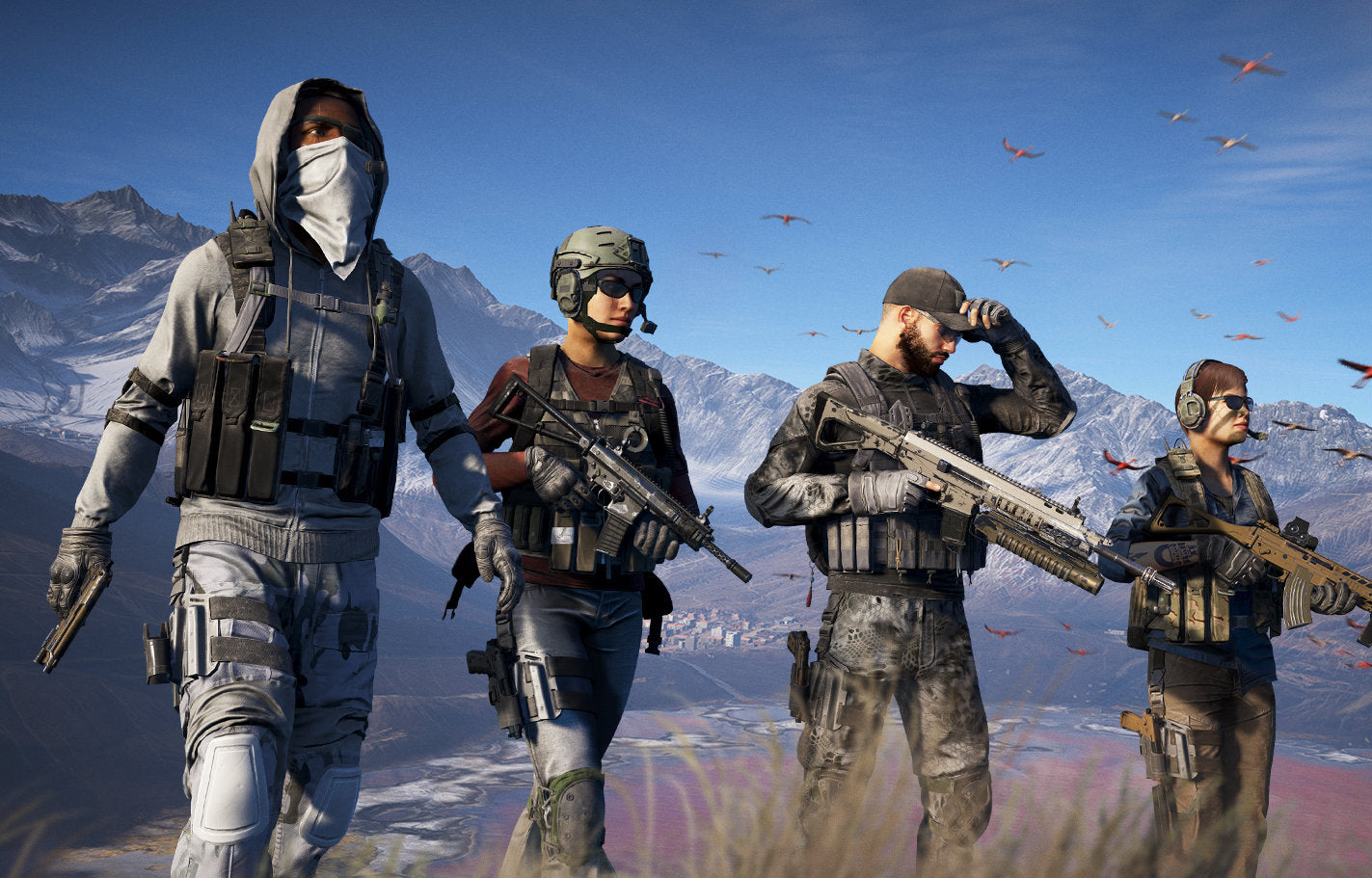
Ready or Not vs. Ghost Recon: The Ultimate Tactical Shooter Face-Off
19 Sep, 2025
If you're craving a tactical shooter experience, two titles likely dominate your search: the intense, close-quarters Ready or Not and the large-scale, open-world Tom Clancy's Ghost Recon. On the surface, they share a common theme—highly trained operatives taking down threats. But once you step into their respective boots, you quickly realize they offer vastly different experiences. This isn't just a comparison of two games; it's a clash of philosophies. It's realism versus accessibility, methodical tension versus explosive freedom. So, gear up as we break down this tactical showdown across every critical category to help you decide which game deserves a spot in your library. At a Glance: The Core Identity Feature Ready or Not Ghost Recon (Modern Iterations) Core Identity Gritty SWAT Simulator Open-World Spec Ops Sandbox Pacing Slow, Methodical, High-Tension Variable, Player-Directed Realism High (Ballistics, Permadeath, ROE) Moderate (Action-Oriented, Power Fantasy) Scale CQB (Close-Quarters Battle) Massive Open World Primary Focus De-escalation, Protocol, Evidence Gathering Neutralization, Military Efficiency Player Fantasy The SWAT Team Leader The Super-Soldier Round 1: Pacing & Scale - The Methodical vs. The Epic Ready or Not: Every Door is a Decision In Ready or Not, the pace is dictated by fear and procedure. This game is the spiritual successor to classics like SWAT 4. You are not a super-soldier; you are a police officer in a SWAT unit. Every mission is a tense, life-or-death puzzle set in a confined space—a hostage situation in a nightclub, a raid on a drug den, an active shooter in a school. The gameplay is slow, deliberate, and punishing. You will spend minutes stacked outside a single door, using your optic camera to check under it, coordinating with your team on how to breach. A single wrong move, a missed corner, or a misidentified threat can lead to a game-over screen in a split second. The tension is relentless and the scale is intimate, making success feel like a genuine triumph of skill and planning. Ghost Recon: A Battlefield of Your Choosing Modern Ghost Recon games like Wildlands and Breakpoint operate on an entirely different scale. You are dropped into a massive, open-world nation and given objectives to complete. The pace is what you make it. You can spend 45 minutes stealthily infiltrating a military base, marking every enemy, and executing a flawless sync-shot takedown of your target without raising an alarm. Or, you can say "forget it," call in a helicopter for an explosive diversion, and go in with all guns blazing. The pace ebbs and flows between long periods of reconnaissance and traversal and intense bursts of combat. The world is your sandbox, and your approach is your own. Winner: It's a draw. This category is about personal preference. Do you want the heart-pounding, methodical tension of CQB (Ready or Not) or the player-driven, epic freedom of open-world warfare (Ghost Recon)? Round 2: Realism & Tone - Gritty Mirror vs. Power Fantasy Ready or Not: A Harsh Reflection This is where Ready or Not truly separates itself. The game consults with active police and military personnel to simulate realistic ballistics, weapon handling, and—most importantly—Rules of Engagement (ROE). Bullets penetrate walls and materials based on real-world physics. A suspect can play dead or fake a surrender. One well-placed shot can be fatal for you or your target. The game doesn't shy away from the grim reality of its subject matter. You are scored on securing evidence, rescuing civilians, and apprehending suspects non-lethally. Shooting first and asking questions later will net you a mission failure. It's a stressful, weighty experience that makes you consider the real-world consequences of violence. Ghost Recon: The Cinematic Super-Soldier Ghost Recon is built on a power fantasy. While it features tactical elements like drone reconnaissance, sync shots, and class-based abilities, it is decidedly more forgiving and action-oriented. You can take multiple bullets, regenerate health behind cover, and call in futuristic support like aerial drones or missile strikes. The tone is that of a blockbuster military movie. You are an elite super-soldier overcoming incredible odds. The focus is on military efficiency and cinematic flair, not the moral and procedural weight of police work. Winner: Ready or Not. If your primary goal is authenticity and a unforgiving simulation of tactical combat, Ready or Not is in a league of its own. Round 3: Teamplay & Objectives - Protocol vs. Efficiency Ready or Not: The Art of De-escalation In Ready or Not, your AI squad (or human teammates) is your lifeline. Success is a team effort defined by strict protocol. Your objectives are multi-faceted: Secure all civilians and guide them to safety. Apprehend suspects using non-lethal means (tasers, pepperball guns, beanbag shotguns) whenever possible. Collect and secure all evidence for the investigation. Neutralize immediate threats with lethal force only as a last resort. A "flawless" victory isn't just about surviving; it's about resolving the situation with perfect professionalism. This creates a unique gameplay loop where your primary tools are often less-lethal, and communication is paramount. Ghost Recon: Neutralize and Liberate As a Ghost, your objectives are typically military in nature: neutralize the high-value target, destroy the equipment, gather the intel, exfiltrate. While you can command your AI teammates to move, open fire, or perform sync shots, the rules are far less restrictive. The focus is on completing the mission by any means you deem necessary. Stealth is often a tactical advantage rather than a procedural requirement. The thrill comes from orchestrating a perfect plan of attack across a large base, not from meticulously checking every room for evidence. Winner: Depends on your taste. For a unique, protocol-driven experience, Ready or Not wins. For flexible, objective-based military gameplay, Ghost Recon takes it.
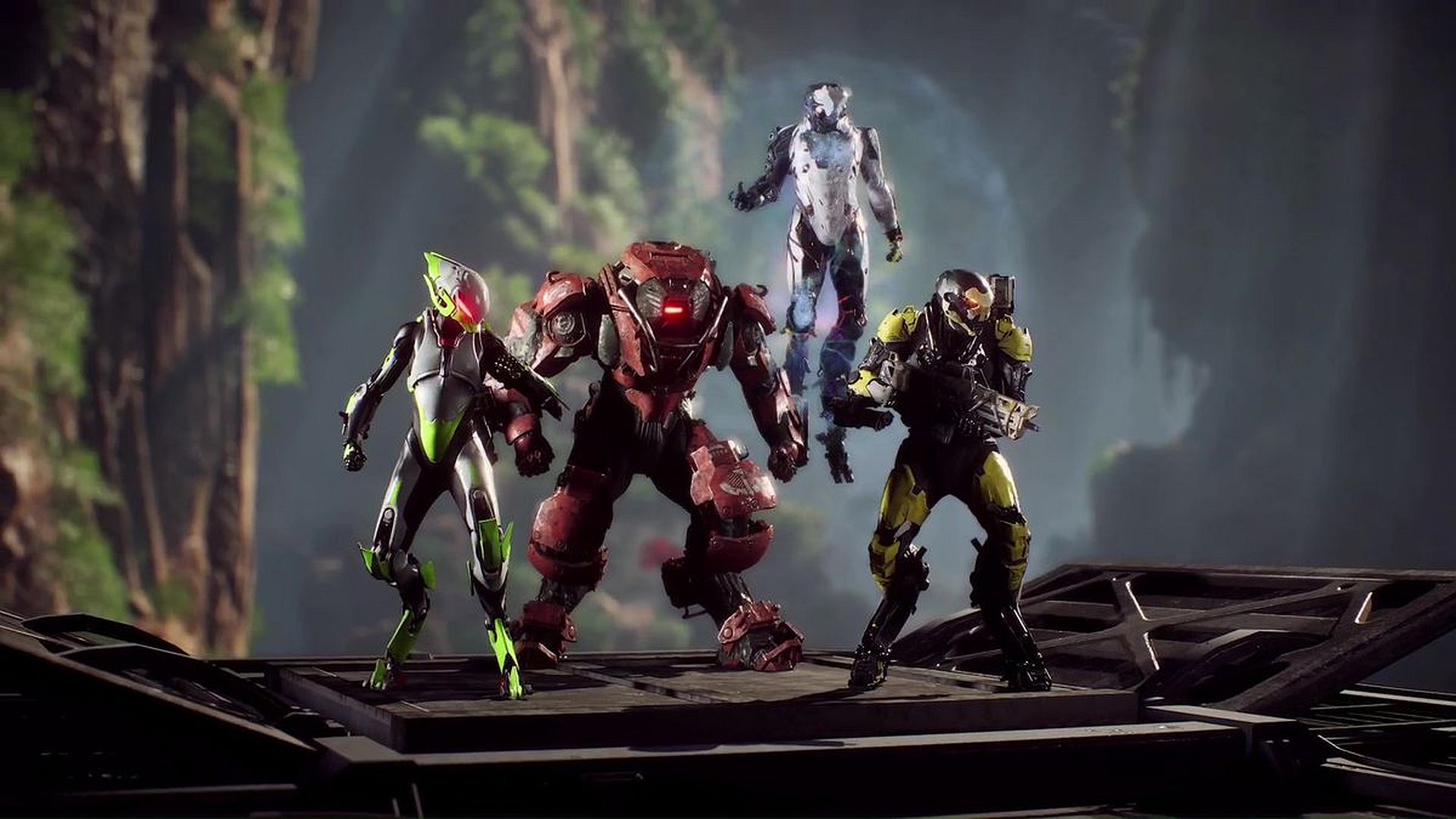
Games With Forgettable Stories But Unforgettable Multiplayer
09 Sep, 2025
In the world of video games, a gripping narrative can create iconic, generation-defining experiences. But what happens when the story misses the mark? For some games, it doesn't matter. Not one bit. These titles prove that a powerful, engaging, and social multiplayer loop can completely overshadow a weak campaign. Players will gladly skip every cutscene if it means just one more round with their friends. Here are five games where the story was an afterthought, but the multiplayer became the main event. 1. Anthem: A Narrative Letdown Saved by Flight The Bad Story: Hyped as BioWare's next great sci-fi epic, Anthem's launch was plagued by a story critics and players called shallow, incomplete, and utterly forgettable. Despite a promising premise, the characters and plot failed to live up to the studio's legendary reputation. The Great Multiplayer: So, why did people play? The moment-to-moment gameplay of piloting your Javelin exosuit was—and still is—spectacular. Soaring through the skies, diving into volcanic depths, and combining abilities with three other players in explosive co-op combat felt incredible. The core gameplay was a masterpiece buried under a messy launch, creating a dedicated community that rallied around the thrilling combat. 2. Destiny 2: A Universe of Lore, A Mess of a Narrative The Bad Story: Destiny 2 has a common criticism: its delivered story is often convoluted and underwhelming, especially in its earlier iterations. Vital lore is often hidden away on external websites or in item descriptions, leaving the in-game narrative feeling disjointed for many players. The Great Multiplayer: Despite this, Destiny 2 is a titan in the live-service space. The reason is its unparalleled multiplayer and endgame activities. The intense precision of PvP Crucible matches, the communication-heavy, puzzle-solving Raids, and the horde-mode-style Strikes created a addictive loop. The game isn't about the story you're told; it's about the stories you create with your fireteam. 3. Star Wars: The Old Republic (SWTOR): The MMO That Outgrew Its Story The Bad Story: This is a nuanced case. At launch, SWTOR was praised for its excellent class-specific stories. However, as expansions rolled out, many fans felt the narrative quality became inconsistent, relying on repetitive tropes and moving away from the personal stories that made it great. The Great Multiplayer: The true longevity of SWTOR lies in its identity as an MMO. The heart of the game for thousands of players isn't the solo story—it’s the social experience. Guild operations (raids), PvP warzones, and the simple act of exploring the galaxy with friends transformed it from a narrative RPG into a social hub set in the Star Wars universe. 4. Mass Effect: Andromeda: A New Crew That Couldn't Compare The Bad Story: Following the original Mass Effect trilogy is a tall order. Andromeda infamously stumbled at launch with a criticized plot, bland new characters, and technical issues that became internet memes. For many fans, it failed to capture the magic of Commander Shepard's journey. The Great Multiplayer: Surprisingly, Andromeda hid one of BioWare's best multiplayer modes. The co-op "horde mode" was fast-paced, required deep teamwork, and featured a fantastic progression system. The combat—with its smooth mobility and power combinations—was widely praised. For players, it became a way to enjoy the best part of the game's gameplay without the disappointing story. 5. The Gears of War Series: A Serviceable Story with Iconic Multiplayer The Bad Story: To be clear, the Gears campaigns are fun, bombastic spectacles. However, the narrative across the series is often seen as a standard "macho men vs. monsters" trope. Some entries are stronger than others, but few players would cite the story as the primary reason they keep coming back. The Great Multiplayer: The versus multiplayer and Horde mode are the undeniable soul of Gears of War. The weighty, cover-based combat created a uniquely tactical and brutal PvP experience. Meanwhile, Horde mode defined a genre, perfecting a co-op formula of teamwork, strategy, and defense that has kept players engaged for over a decade. The Verdict: Gameplay is King These games highlight a fundamental truth in game design: a compelling narrative enhances an experience, but rock-solid, social, and rewarding gameplay is what builds a lasting community. A weak story can be forgiven; a weak core game loop cannot. These communities weren't built around remembering a plot twist—they were built around the shout of triumph after a down-to-the-wire Raid clear, the coordinated push in a PvP match, and the shared laughter of barely surviving a Horde wave. What do you think? Did we miss a game that had a terrible story but amazing multiplayer? Let us know in the comments below!
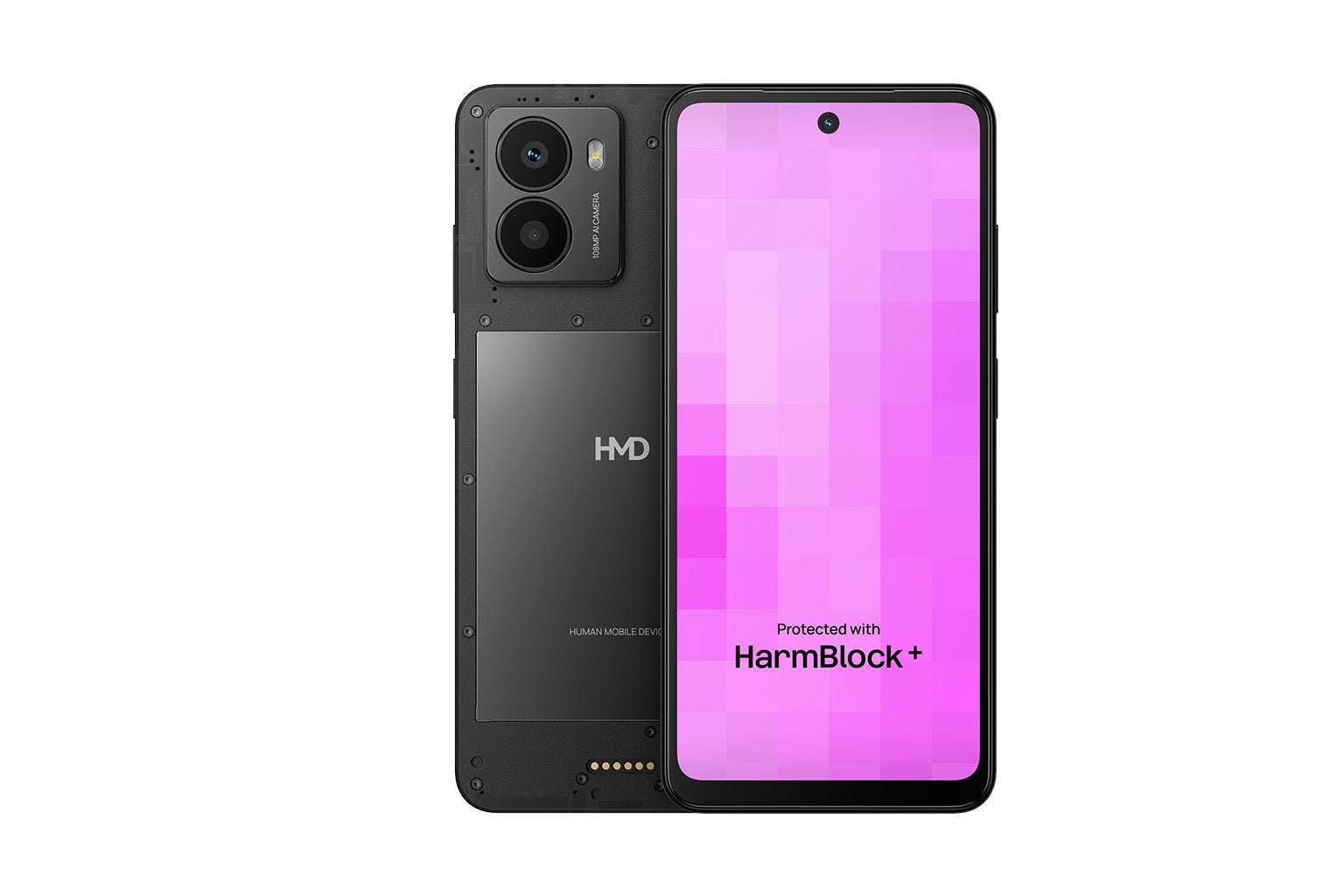
HMD Fuse: The Guardian's Ultimate Tool for Child Safety on Roblox and Beyond
05 Sep, 2025
Is your child’s safety on Roblox and other online platforms keeping you up at night? You're not alone. In an era where digital threats are a real concern for every parent, a revolutionary solution has arrived. Meet the HMD Fuse—the only mobile device engineered from the ground up to put you, the guardian, in complete control. This isn't just another phone with parental controls slapped on. This is a new standard for digital safety. Let's break down how the HMD Fuse creates a fortress of security for your child, and we've saved the most powerful feature for last. Total Control, Right Out of The Box Unlike regular phones that come bloated with apps and potential risks, the HMD Fuse starts with a clean, safe slate. Essentials Only: The phone arrives with only the bare essentials. There are no social media apps, no browsers, and no games until you grant access. Guardian-Gated App Store: You decide when your child is ready for the Google Play Store. Once allowed, every app your child downloads is hidden by default. You must actively review and approve each one before it becomes visible and usable. You can hide and unhide apps at any time, adapting to your child's maturity. Communication on Your Terms The digital world is full of unknown contacts. The HMD Fuse ensures your child only interacts with people you know and trust. Approved Contacts Only: Your child can only call and text with a contact list exclusively approved by you. This is crucial for managing complex family dynamics, ensuring that communication privileges are granted fairly and safely. A Wall Against Unknowns: Any call or text from an unknown number is automatically blocked. Predators and scammers simply cannot get through. Always Know Where They Are Give yourself the gift of peace of mind with powerful, real-time location features. Safe Zones: Designate up to 10 locations as "Safe Zones," like your home, school, or a grandparent's house. Receive instant notifications the moment your child enters or leaves any of these zones. Live Location & History: Check your child's live location anytime from your own phone. Plus, review a detailed location history from the last 3 days to see exactly where they’ve been. The Game-Changer: HarmBlock AI™ And now, for the feature that truly separates the HMD Fuse from everything else on the market: our revolutionary HarmBlock AI™. This is more than a simple content filter; it's an intelligent digital shield operating at the system level. Blocks Nudity & Explicit Content: HarmBlock AI proactively prevents nudity and explicit material from ever being shown, captured, or stored on the device—even inside apps like messaging platforms or web browsers. VPN-Proof Protection: Worried about kids using a VPN to bypass safety features? Don't be. HarmBlock AI is integrated deep into the phone's operating system and cannot be bypassed by a VPN or any other workaround. Scans Language in Chats: The AI doesn't just stop at images. It intelligently scans text chats for vulgar language, predatory "coded" language, and grooming behaviors. The moment a threat is detected, it instantly shuts down the conversation. The Bottom Line: A New Paradigm in Safety While other devices operate on a principle of "everything is allowed until blocked," the HMD Fuse flips the script: everything is blocked until you enable it. This proactive approach transforms the phone from a source of anxiety into a tool for true peace of mind. It’s more than a phone; it’s your partner in parenting in the digital age. Ready to secure your child's digital journey? Focus on their safety, and we'll handle the rest. Get your Roblox gift cards conveniently at vividgold.africa, where you can pay via M-Pesa and receive your gift card via email instantly.
Beyond Shooters and MOBAs: Deconstructing "Unique" in Multiplayer Games
03 Sep, 2025
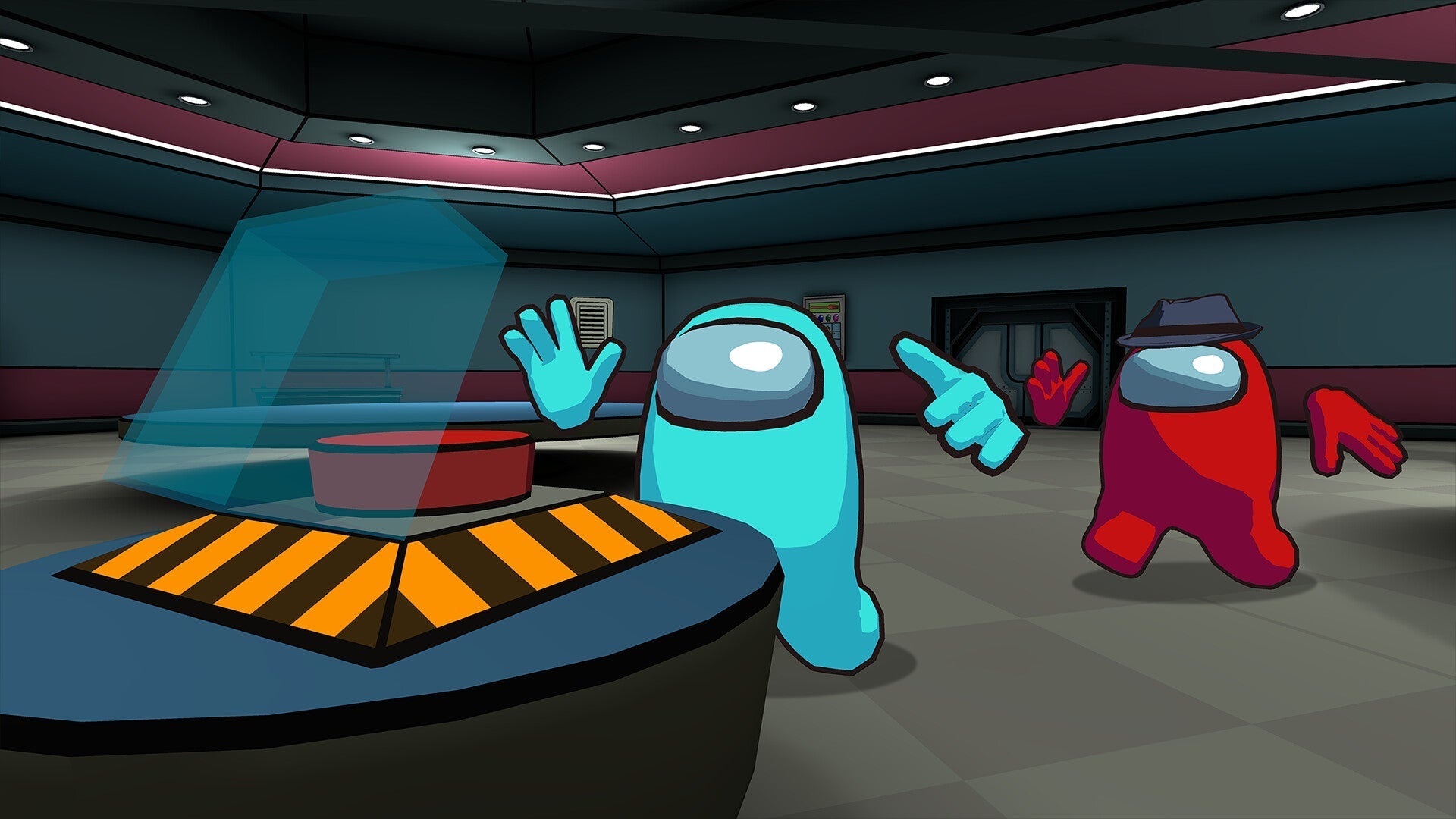
The world of multiplayer gaming is vast. We’re familiar with the frantic pace of battle royales, the strategic depth of MOBAs, and the teamwork of tactical shooters. But what about the games that exist outside these well-defined boxes? The ones that challenge our very definition of playing with others? Today, we're not just making a list. We're diving into a selection of games that are unique in concept, scale, and feeling. More importantly, we'll ask the critical question: what does "unique" even mean in this context? For each title, we'll explore its groundbreaking idea, offer a skeptical counterpoint, and provide a final perspective on why it deserves a spot in this conversation. Let's move beyond the hype and analyze what makes these experiences stand out. 1. Journey: The Poetry of Anonymous Connection The Unique Claim: Journey strips multiplayer down to its most essential emotional core. There are no usernames, no voice chat, no text boxes. You are simply a robed figure in a vast desert, and occasionally, you encounter another player. Communication is reduced to melodic chirps. You can help each other, but you may never know who they were. It’s a fleeting, anonymous, and profoundly intimate connection. The Counterpoint: Is this even "true" multiplayer? Skeptics could argue it’s more like a single-player game with incidental, silent co-op partners. It lacks the direct interaction and sustained social dynamics that define most multiplayer experiences. The Perspective: Journey isn't trying to be a traditional multiplayer game. Its genius is in redefining connection without competition. It proves that a deep, meaningful bond can be formed without words, usernames, or even a common goal beyond the shared, silent awe of the experience. 2. Keep Talking and Nobody Explodes: The Chaos of Communication The Unique Claim: This game turns communication into the core mechanic. One player is trapped in a room with a complicated bomb. The other players are "experts" with a physical (or digital) bomb disposal manual that they cannot see. The entire game is a frantic, hilarious, and stressful exercise in describing complex shapes, decoding jargon, and managing misinformation. The Counterpoint: Some dismiss it as a party game gimmick—incredibly fun for a short burst but lacking the depth or longevity of a game built on more traditional mechanics. The Perspective: Keep Talking is a masterclass in asymmetric gameplay based on information imbalance. Unlike games like Dead by Daylight where asymmetry is about power, here it’s about knowledge. It’s a pure, unfiltered simulation of a high-pressure team dynamic, and it’s brilliant because of it. 3. EVE Online: The Sociological Experiment The Unique Claim: EVE Online is less a game and more a player-driven society with a real, functioning economy and complex political landscape. Wars between massive corporations (alliances of players) have literal real-world consequences, sometimes involving espionage and costing thousands of dollars in lost virtual assets. It’s a unique experiment in large-scale human collaboration and conflict. The Counterpoint: For the average player, it can feel like a glorified spreadsheet simulator. The barrier to entry is immense, and the "unique" epic stories often happen to a small percentage of players who live and breathe the game's meta. The Perspective: EVE’s uniqueness isn't in its moment-to-moment gameplay but in its unprecedented scale and emergent player narratives. It’s a testament to what happens when developers give players a sandbox and a set of rules, then step back to watch history unfold organically. 4. SpyParty: The Psychological Chess Match The Unique Claim: One player is a spy at a sophisticated cocktail party, trying to blend in with AI guests while completing subtle objectives. The other player is a sniper, watching the party from a distant vantage point, trying to identify and eliminate the human spy before they succeed. It’s a tense game of deception, observation, and social deduction. The Counterpoint: It has been in a perpetual state of beta development for years, remaining a niche title with a dedicated but small community. Its slow, deliberate pace is an acquired taste. The Perspective: SpyParty is unique because it is multiplayer as psychological theater. It’s less about reflexes and more about reading tells, predicting behavior, and manipulating perception. It has more in common with high-stakes poker than with any traditional shooter. 5. Among Us: The Accessible Phenomenon The Unique Claim: Among Us took the social deduction formula of tabletop games like Mafia or Werewolf and repackaged it with a simple, accessible, and adorable sci-fi wrapper. Its genius was in its timing and design, making a classic genre a global phenomenon, especially during the COVID-19 lockdowns when people craved social connection. The Counterpoint: Its core mechanics are decades old. Was it truly unique, or was its success a product of perfect timing and superior accessibility? The Perspective: Among Us’s uniqueness wasn't in inventing a genre, but in perfectly executing and popularizing it for a modern digital audience. It demonstrated how low-barrier, highly social gameplay could reshape the entire gaming landscape overnight. 6. Sea of Thieves: The Emergent Story Generator The Unique Claim: Sea of Thieves provides a shared-world sandbox where the tools for emergent storytelling are the real star. You and your crew can be loyal allies to other ships, or you can fly a false flag and betray them at the last second. The game encourages roleplay, spontaneous alliances, and chaotic naval battles where the story is whatever you and the other players create. The Counterpoint: Critics often argue that without its emergent player interactions, the game's core "voyage" gameplay loop can feel shallow and repetitive. The Perspective: Its uniqueness lies in being a social sandbox first and a pirate game second. The freedom it gives players to create their own fun, narratives, and conflicts is its greatest achievement. No two sessions are ever truly alike. 7. It Takes Two: The Mandatory Bonding The Unique Claim: This is the most literal entry: you cannot play It Takes Two alone. The entire game, from its narrative to its mechanics, is built around forced cooperation between two players. Each level introduces new, paired abilities that require constant communication and coordination to progress. The Counterpoint: At its heart, it's still a puzzle-platformer. The mechanics, while varied, are not necessarily new; it's the mandatory two-player structure that defines it. The Perspective: The uniqueness of It Takes Two isn't found in a single mechanic but in its fundamental design philosophy of enforced empathy and dependence. It uses the medium of co-op gaming to tell a story about partnership, literally making players rely on each other to succeed. The Final Verdict: Concept vs. Execution So, what makes a multiplayer game truly unique? As we've seen, it can be two things: Conceptual Uniqueness: Games like Journey and SpyParty that bend the definition of multiplayer itself, focusing on new forms of interaction—be it anonymous companionship or psychological warfare. Uniqueness of Scale and Emergence: Games like EVE Online and Sea of Thieves that provide a framework for player-driven stories and societies on a scale rarely seen. Both are vital. Both push the boundaries of what games can be. One invents a new language of play; the other provides the dictionary for players to write their own stories.
Delta Force on PS5 & XBOX: Can This Free-to-Play AAA Shooter Compete?
03 Sep, 2025
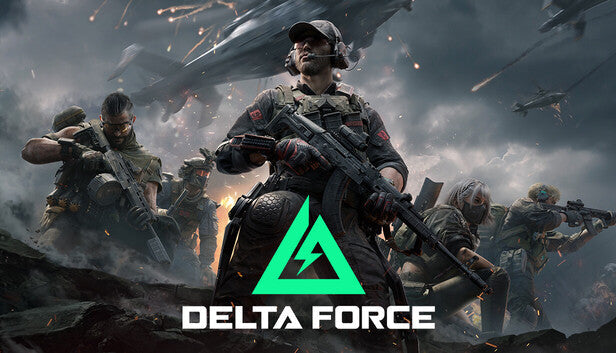
Get ready, console gamers. The legendary Delta Force franchise is making its long-awaited return, and it's landing with a bang on PlayStation 5 and Xbox Series X|S. On August 19, 2025, the tactical shooter genre is getting a new, free-to-play contender that promises a premium experience without the premium price tag. This isn't just a simple port; it's a full-fledged AAA launch designed to go toe-to-toe with the biggest names in the industry. But with a crowded field of shooters, can Delta Force truly carve out its own space? Let's dive into everything you need to know. More Than Just a Mode: A Content-Rich Launch Many live-service games launch with a skeleton crew of content. Delta Force is aiming to buck that trend right out of the gate. Upon release, players will have immediate access to three robust modes catering to different playstyles: Warfare: This is the large-scale all-out war experience. Imagine sprawling maps filled with infantry, tanks, helicopters, and other vehicles, all clashing in objective-based battles. It’s pitched as a spiritual successor to the large-scale chaos of classic Battlefield, offering strategic depth beyond simple team deathmatch. Operations: For players who prefer tension and high-stakes tactical play, Operations is the extraction mode. Inspired by popular titles like Escape from Tarkov or DMZ, every decision matters. Loot, complete objectives, and fight your way to an extraction point—all while the threat of losing your gear looms large. Black Hawk Down PvE Campaign (Free DLC): This is the love letter to long-time fans. A full, story-driven Player vs. Enemy campaign based on the iconic 2001 game Delta Force: Black Hawk Down will be available for free. It’s a fantastic way to bridge the gap between the franchise's storied past and its modern future. The Free-to-Play Promise: Fairness First The "free-to-play" label often comes with a side of skepticism. Will it be pay-to-win? The developers at TiMi Studio Group are stressing that player skill, not the size of their wallet, will be the ultimate decider. The core gameplay loop will allow you to unlock all Operators, weapons, and vehicles simply by playing the game. Monetization will be focused on cosmetic items, battle passes, and other non-advantageous content, ensuring a level playing field for everyone. Uniting the Community: Cross-Platform Play & Progression In today's gaming landscape, playing with friends is non-negotiable. Delta Force is launching with full cross-platform play and cross-progression from day one. Whether your squad is on PS5, Xbox Series X|S, PC, or even mobile, you can team up seamlessly. Even better, your entire profile—your unlocked Operators, weapon camos, and progression—will carry over between any platform you play on. Your grind is never wasted. Launch Content Snapshot: 11 Unique Operators: Each with their own distinct style and potential abilities. 56 Weapons: A huge arsenal of real-world firearms to master. Deep Weapon Customization: Attachments and mods to tailor your loadout. 12 Vehicles: From agile ATVs to heavily armored tanks and attack helicopters. PS5 Enhancements: Taking Advantage of Next-Gen PS5 players aren't just getting a simple port. The developers have confirmed specific next-gen enhancements: Adaptive Trigger Support: Feel the tension and kick of different weapons through the DualSense controller. Fully Remappable Controls: Customize your layout to fit your perfect playstyle. Stable, High Frame Rates: Optimized for smooth, consistent performance on console. PlayStation Plus subscribers will also receive exclusive login rewards and bonuses, similar to what will be offered for Xbox Game Pass members on the other side of the fence. The Final Verdict: A New Challenger Approaches Delta Force on console isn't just a nostalgia trip; it's a serious and ambitious attempt to enter the competitive shooter arena. By offering a content-rich package with diverse modes, a fair free-to-play model, and full cross-play on day one, it's checking all the right boxes for a modern live-service game. The inclusion of the free Black Hawk Down campaign shows a respectful nod to its heritage, while the focus on large-scale Warfare and tactical Operations proves it's looking firmly toward the future. The potential is huge. If the execution matches the promise, we could be looking at the next major shooter to dominate our friend lists.
Beyond the Battlefield: Top 5 Call of Duty Alternatives for a Fresh FPS Fix
03 Sep, 2025
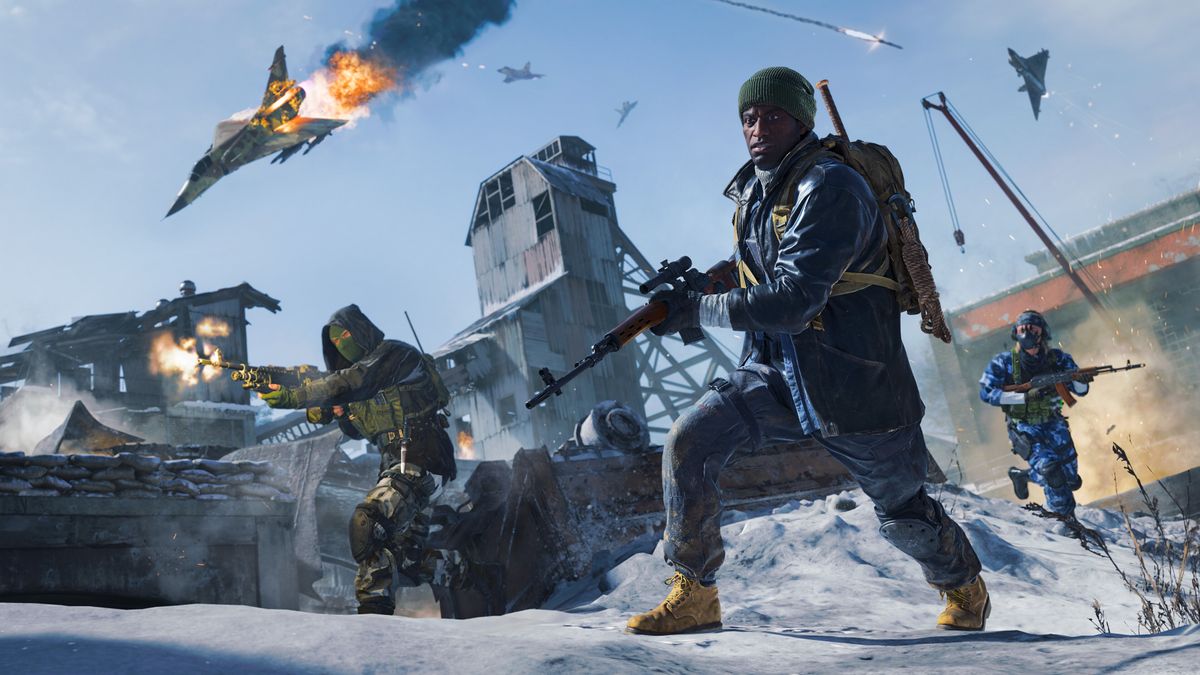
Call of Duty defined the modern military shooter. Its slick gunplay, fast-paced action, and addictive progression hooks have kept players coming back for years. But what if you're craving something new? What if you love the core of COD but want a fresh twist on the formula? You're not alone. The world of first-person shooters is vast and innovative. The games on this list aren't mere clones they're brilliant titles that reinvent different aspects of what made Call of Duty fun in the first place. Whether you're a movement junkie, a tactical mastermind, or a loot-driven grinder, there's a world beyond COD waiting for you. Let's explore the top five alternatives that will reignite your passion for shooters. 1. Titanfall 2: For the Movement Masters If you love: COD's slick, responsive gunplay but wish it was faster and more vertical. Call of Duty feels fluid, but Titanfall 2 takes that fluidity and straps a jetpack to it. Developed by the original creators of Call of Duty: Modern Warfare, this game is the pure, uncut version of their movement-shooter vision. Why it's a great alternative: The wall-running, double-jumps, and slide-hopping create a rhythm of combat that is unmatched. It feels like an elegant dance of destruction. The Big Twist: You don't just call in a killstreak—you call in your Titan, a giant mech that becomes an extension of yourself. The gameplay seamlessly shifts from lightning-fast pilot combat to powerful, heavyweight Titan brawls. Perfect for: COD players who loved the responsiveness of games like Black Ops 3 or Infinite Warfare and want to take that movement to its logical, and most fun, conclusion. 2. Rainbow Six Siege: For the Tactical Thinkers If you love: The tense, one-life-per-round stakes of Search and Destroy. If Call of Duty is a explosive Michael Bay movie, Rainbow Six Siege is a high-stakes chess match. This game strips away the respawns and replaces chaos with calculated, deliberate tactical warfare. Every bullet matters, and every sound could be a clue. Why it's a great alternative: It takes the core tension of S&D and builds an entire game around it. The focus is on strategy, drone intel, operator abilities, and team coordination, not just twitch reflexes. The Big Twist: Destruction is a weapon. Blow holes in walls, break through floors, and create new sightlines to outsmart your opponents. The map is a tool, not just a backdrop. Perfect for: COD veterans who thrive under pressure and love the mental game as much as the shooting. 3. Battlefield 1: For the Chaos Enthusiasts If you love: COD's "war movie" atmosphere but want to feel like a small part of a much larger, more chaotic battle. Battlefield 1 captures the epic scale and chaos of all-out war like no other game. While COD matches can feel like curated arena fights, Battlefield drops you into a sprawling, cinematic set piece where 64 players are fighting at once. Why it's a great alternative: It delivers on the fantasy of being a soldier in a massive historical conflict. The battles feel dynamic and unpredictable, with tanks rolling through streets, bi-planes dogfighting overhead, and entire buildings collapsing. The Big Twist: The "Levolution" and scale. The map itself changes over the course of a match, and the game offers a variety of roles and vehicles that change how you play. Perfect for: Players who get immersed in the setting and want a more sandbox-like, unpredictable war experience. 4. Destiny 2: For the Grind and Loot Addicts If you love: COD's progression systems, camo grinds, and unlockables. Destiny 2 is what you get when you take Call of Duty's addictive "just one more match" loot loop and wrap it in an entire MMO universe. The gunplay, crafted by Bungie (the creators of Halo), is arguably some of the best and smoothest in the industry. Why it's a great alternative: It feeds that same desire for progression and powerful new gear. Instead of grinding for a new camo, you're grinding for a god-roll weapon or a set of exotic armor that completely changes your playstyle. The Big Twist: The MMO elements. Raids, dungeons, and expansive story campaigns offer PVE content that COD can't match, while the PVP Crucible provides a familiar but unique arena shooter experience. Perfect for: COD players who are motivated by long-term goals, loot, and building the perfect loadout. 5. Apex Legends: For the Hero-Shooter Fans If you love: COD's fast time-to-kill and loadout system but want a vibrant, free-to-play hero shooter. Apex Legends is the perfect bridge between traditional military shooters and the hero-based arena. It's free-to-play, incredibly fast-paced, and constantly evolving. The movement is slick, the gunplay is satisfying, and the character abilities add a crucial layer of strategy. Why it's a great alternative: It maintains a very high skill ceiling with its movement (slide hopping, zip-line jumps) and team-based gameplay, while the hero abilities ensure no two matches play out the same way. The Big Twist: The "Legend" system. Choosing a character with unique abilities (like defensive walls, tracking scans, or mobility portals) forces you to think about team composition and synergy, much like Overwatch or Valorant. Perfect for: Anyone looking for a free, high-quality, and constantly fresh battle royale experience with more depth than Warzone. The Bottom Line: Find Your New Flavor These games prove that the first-person shooter genre is still bursting with creativity. They aren't one-to-one replacements for Call of Duty—they're exciting new flavors. Crave movement and mechs? Play Titanfall 2. Prefer tactics and tension? Play Rainbow Six Siege. Want scale and chaos? Play Battlefield 1. Need loot and long-term goals? Play Destiny 2. Looking for free, fast hero-shooter action? Play Apex Legends. The best way to avoid burnout is to try something new. So pick your path and dive in.
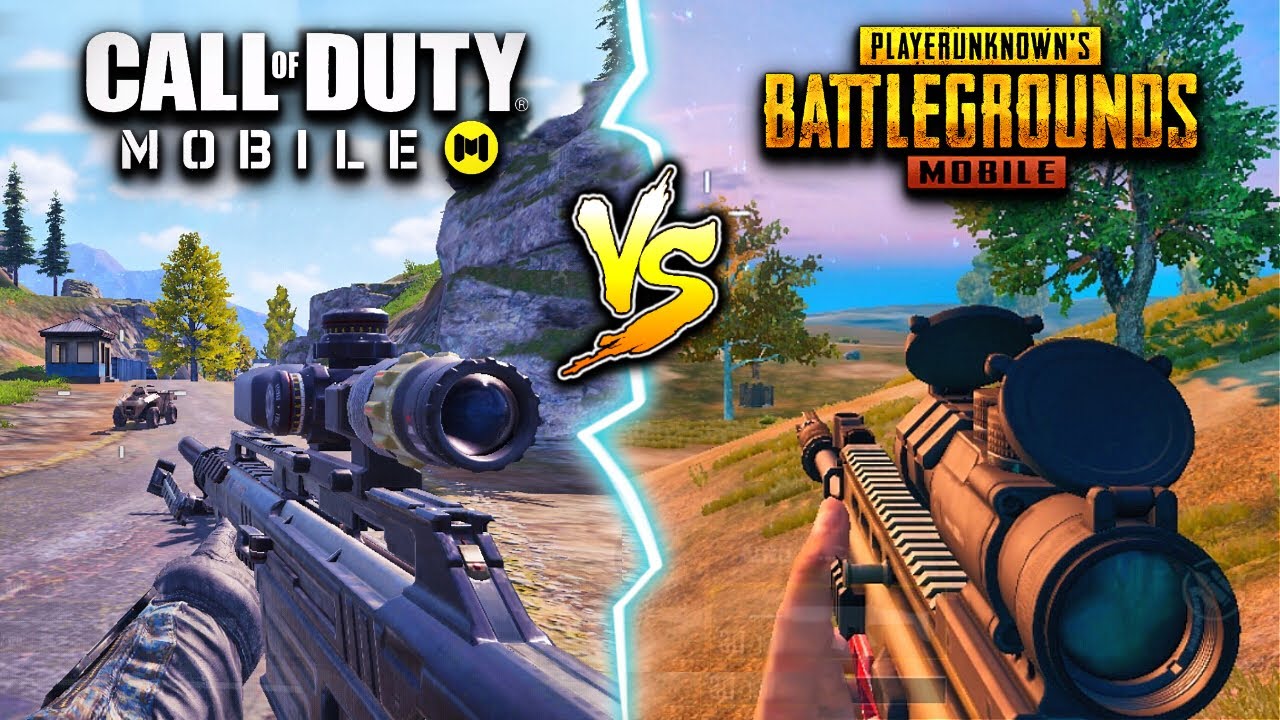
PUBG Mobile vs COD Mobile: Honest 2025 Gamer Take
15 Aug, 2025
Mobile gaming is absolutely wild these days. If you’re into shooters, you already know the two big names: PUBG Mobile and Call of Duty: Mobile (CODM). I’ve been swapping between them for years, and trust me — they might both be shooters from Tencent, but they’re totally different beasts. So… which one’s better in 2025? Let’s break it down gamer-to-gamer. 1. Gameplay & Modes – Slow Burn or Instant Chaos? PUBG Mobile is still the king of the classic battle royale. You drop in with 100 players, loot up, and fight to be the last one standing. Matches are long — like, 35–40 minutes if you survive till the end. Maps like Erangel and Miramar are big, open, and realistic. COD Mobile, on the other hand, is like… “Battle royale? Cool. But how about MP, Zombies, and a bunch of seasonal modes?” BR here is way faster — 15–20 minutes, tops. Plus, you’ve got Team Deathmatch, Domination, Search & Destroy, and more. 💡 My take: PUBGM is for when you’ve got time to spare and want that tense, slow build. CODM is perfect for a quick adrenaline shot. 2. Playstyle – Patience vs Push PUBGM is all about patience. Crouch-walking through grass, holding your breath for that perfect sniper shot… it’s like survival chess. CODM? Nah. It’s run-and-gun, slide, throw a grenade, respawn, repeat. It’s made for aggressive plays and short attention spans (and I mean that in a good way 😅). 3. Customization – Loadout Nerds Rejoice If you love tinkering with your weapons, CODM wins. The Gunsmith lets you tweak every little thing — scopes, grips, barrels, skins, you name it. You can basically build your dream gun. PUBGM has customization too, but it’s more about skins and cosmetics. Battle Pass usually caps at level 100, while CODM keeps you grinding up to level 300. 4. Graphics & Movement PUBGM = realistic vibes. Weather effects, bullet drop, gritty visuals — it feels like a PC battle royale shrunk to your phone.CODM = sharper animations, smoother movement, and a brighter, more arcade feel. Works great even on mid-range phones. 5. Monetization – The Price of Style CODM sometimes gets flak for pushing in-game purchases hard. And yeah, some skins have tiny gameplay perks (which isn’t everyone’s favorite thing). PUBGM is friendlier for free-to-play gamers — most paid stuff is purely cosmetic, so you’re not at a disadvantage without spending. 6. Popularity & Esports PUBG Mobile is still huge in competitive gaming — prize pools in the millions, especially in Asia.CODM’s esports scene is smaller but super active, especially in North America and Southeast Asia. 7. Quick Comparison Table (Text) Game What’s Awesome What to Watch Out For PUBG Mobile Realistic maps, tense gameplay, huge esports Long matches, slower pace COD Mobile Fast matches, tons of modes, crazy customization Pushy monetization, less realistic feel Final Verdict – Which Should You Play? If you want tactical survival and big, cinematic BR moments → go PUBG Mobile.If you want fast fun, variety, and customization overload → go COD Mobile. Honestly? I keep both installed. Some days I want to camp in a bush for 20 minutes, other days I want to run around nuking everything in sight. Balance.
Death Stranding 2 – Full Gameplay Review: Is Kojima’s Next Masterpiece on the Horizon?
14 Aug, 2025
When Hideo Kojima releases a game, the gaming world stops and listens. In 2019, Death Stranding divided players with its slow-burn “strand-type” gameplay, breathtaking visuals, and deeply strange storytelling. Some called it a masterpiece; others labeled it a walking simulator. Now, in Death Stranding 2, Kojima Productions is taking another bold step and after seeing the latest gameplay, it’s clear that this sequel is bigger, stranger, and potentially even more unforgettable than the original. The World Feels Bigger and More Dangerous From the first few minutes of gameplay, it’s clear that Death Stranding 2 isn’t just repeating the formula of the first game. The landscapes are even more diverse lush forests, sprawling deserts, and frozen wastelands all teeming with environmental hazards. New traversal tools and vehicles promise more freedom than ever before, making exploration feel less like a chore and more like an adventure. But beauty is matched by danger. Hostile terrain, unpredictable timefall rain, and twisted enemies mean every journey is a calculated risk. Kojima has doubled down on the tension, making you feel like survival is never guaranteed. New Mechanics That Change Everything While the first Death Stranding focused heavily on delivering cargo, this sequel introduces new gameplay systems that could change the entire pace. Combat feels more refined, with better melee options and a wider range of weapons. The addition of AI companions adds a tactical element, allowing for cooperative problem-solving during missions. One standout change? Missions now seem more dynamic and reactive to your decisions. Whether you approach stealthily or go in loud, the world seems to respond in ways that feel organic and alive. Story: Stranger, Darker, Deeper If you thought the first Death Stranding was cryptic, Death Stranding 2 looks ready to push the boundaries even further. The trailer and gameplay snippets reveal unsettling imagery, surreal cutscenes, and returning characters who seem… different. Kojima has hinted that the themes this time will explore connection in an even more hostile world questioning whether unity is truly possible, or if isolation is inevitable. Expect emotional gut punches and plenty of moments that leave you wondering what you just witnessed. Visuals & Audio: Next-Gen Perfection Running on next-gen hardware, Death Stranding 2 is a technical marvel. The facial animations, weather effects, and environments are some of the most realistic we’ve seen in gaming. Rain streaks down character models convincingly, mud clings to boots, and every strand of hair moves with the wind. And then there’s the audio. Kojima’s signature use of haunting, atmospheric music is back, blending licensed tracks with an eerie, original score. Every footstep, every raindrop, every distant echo adds to the immersion. Comparing to the First Game While Death Stranding was polarizing, its sequel feels like a more confident and player-friendly experience. Traversal looks faster and smoother, the world more varied, and the mission structure less repetitive. Fans of the first game will feel right at home, while newcomers might find it easier to jump in thanks to more approachable gameplay loops. Final Verdict – Should You Be Excited? Based on what we’ve seen so far, Death Stranding 2 could be Kojima’s most ambitious project yet. It retains the artistic, genre-defying qualities of the first game while addressing many of its pacing issues. The blend of exploration, survival, and surreal storytelling is shaping up to be unlike anything else in gaming right now. If you’re ready for a game that challenges conventions, stirs emotions, and looks absolutely stunning, keep Death Stranding 2 on your radar this could be one for the history books.
PlayStation FlexStrike Wireless Fight Stick: The Future of Competitive Fighting Games
08 Aug, 2025
The fighting game scene is about to get a serious upgrade. PlayStation has pulled back the curtain on the FlexStrike Wireless Fight Stick, its first-ever wireless arcade controller built specifically for PS5 and PC. Designed in collaboration with competitive players, this sleek piece of hardware is packed with pro-level features, portability, and customization making it just as comfortable in your home setup as it is on the tournament stage. Expected to launch in 2026, FlexStrike has already captured the attention of both casual fans and esports veterans. Performance Without Compromise At the heart of FlexStrike’s design is a focus on precision, speed, and reliability. Players can connect via PlayStation Link™ wireless for lag-free, untethered matches or opt for a USB-C wired setup for rock-solid stability in high-pressure moments. Whichever you choose, you can expect lightning-fast response times that keep your combos sharp and your execution clean. Customizable to Your Play Style FlexStrike is built to adapt to you not the other way around. It uses mechanical switch buttons for consistent, tactile feedback and comes with three tool-free swappable restrictor gates square, circle, and octagon so you can tailor your joystick feel to suit each fighting game. All of these gates, plus the included PS Link USB adapter, tuck neatly into the controller’s built-in storage, making it easy to switch setups between matches without digging through a bag of loose parts. Travel-Ready Design Portability is a major part of the FlexStrike experience. Each unit ships with a sling carry case designed to protect your stick on the go, complete with a lever gap that shields your joystick during transport. The case also has compartments for gates, cables, and accessories, so everything stays organized. And with its rechargeable built-in battery, you’re free to set up and play anywhere no outlet required. Made for the PlayStation Ecosystem FlexStrike isn’t just compatible with PS5 it’s integrated into the PlayStation ecosystem. Thanks to PlayStation Link, you can pair it with Pulse Elite or Pulse Explore headsets for crystal-clear, low-latency audio and voice chat. Even better, two FlexStrike controllers can connect to a single PS Link adapter for smooth couch battles. The stick also works alongside a DualSense controller, letting you access PS5-specific inputs like the touchpad without unplugging anything. Comfort That Lasts Through Long Sets Marathon practice sessions and all-day tournaments demand comfort, and FlexStrike delivers. Its angled ergonomic design helps reduce wrist strain, while the non-slip textured base keeps it steady during intense matches. The custom digital joystick provides precise directional control, ensuring every input counts. Key Specs at a Glance The FlexStrike Wireless Fight Stick offers dual connectivity, letting players switch effortlessly between wired and wireless play. It features swappable restrictor gates for customizable joystick response, with convenient built-in storage to keep accessories safe and accessible. The portable sling carry case protects your stick on the move, while PlayStation Link integration allows low-latency audio with compatible headsets. Dual stick support enables local versus or co-op play, and the ergonomic design with a non-slip base ensures long-lasting comfort and stability. Optimized for Today’s Biggest Fighting Games This controller is battle-ready for the most competitive titles, including: Street Fighter 6 Tekken 8 Mortal Kombat 1 Guilty Gear -Strive- Dragon Ball: Sparking! Zero Granblue Fantasy Versus: Rising See It First at Evo 2025 Fans attending Evo 2025 (August 1–3 in Las Vegas) can get hands-on time with the FlexStrike at the Fight Stick Museum and Arc System Works booths. With its official release set for 2026, this is your chance to test-drive the future of fight stick technology before it hits shelves. Final Word The PlayStation FlexStrike Wireless Fight Stick is more than just a controller it’s a precision tool built for players who demand the best. With pro-grade performance, tournament-ready portability, and customization at its core, it’s poised to become a must-have for fighting game enthusiasts everywhere. Whether you’re chasing your next tournament win or leveling up at home, FlexStrike makes sure every strike counts.

The Best Place to Play GTA 6
28 Oct, 2024
As the launch of GTA 6 inches closer, the PS5 Pro is being hyped as THE console for the job. But does it really live up to that? With the 2TB Xbox Series X on the horizon, PlayStation may face stiff competition. Here’s a closer look at what each console has to offer and whether the PS5 Pro truly deserves its GTA 6 crown.PerformanceThe PS5 Pro is billed as a performance boost over the base PS5, but in practice, the differences might be subtler than you’d expect. Sony’s showcase (which you can catch on YouTube) highlighted the new console’s enhancements, but seeing a significant difference from the original PS5 requires a keen eye. The Series X is already more powerful than the regular PS5, so while the Pro could eke out a few more frames, don’t expect it to be a game-changer. Both consoles will deliver GTA 6 in stunning 4K, making every high-speed chase and car explosion look great regardless of your pick.Storage CapacityIf there’s one thing we know, it’s that GTA 6 will be massive. And while the base PS5’s 1TB might seem adequate, that’s before factoring in that GTA 6 alone could eat up a significant portion of it. Enter the PS5 Pro and the Xbox Series X, each with a roomy 2TB. This extra space is a game-saver if you’re juggling multiple games in your library. Xbox has a slight advantage here, as it’s also known for better storage flexibility—ideal for anyone who’s serious about keeping a larger game collection.Price and Physical MediaWhen it comes to price, the PS5 Pro is set to cost over $100 more than the 2TB Xbox Series X. For fans who like owning physical games, the PS5 Pro adds another catch: it’s digital-only. That means an extra cost if you want an external disc drive and another fee for a stand. Meanwhile, the Xbox Series X comes with its built-in drive, offering a more affordable and versatile option. While the PS5 Pro’s “new and improved” branding might make it sound like the ultimate GTA 6 console, the Xbox Series X has plenty to say in that arena too. Which one are you going for?

Star Wars Jedi: Survivor – A Mini Review
16 Oct, 2024
Star Wars Jedi: Survivor is an incredible game—and this is coming from someone who knows next to nothing about Star Wars.