![Vivid Gold - Video Game Outlet [KE]](http://vividgold.co.ke/cdn/shop/files/vivid_gold_Inverted_Color_Transparent_bg_1.svg?v=1776417429)


Recent Articles


Xbox Isn't Dead: How New Leadership Just Silenced the Critics
13 Jun 2026
Why Most PC Gamers Are Choosing 1440p Over 4K
26 May 2026
Games That Deserved GOTY… But Got Robbed
17 Mar, 2026
Every year, The Game Awards and other industry ceremonies spark the same debate: Did the right game actually win? Most GOTY winners are undeniably incredible. But sometimes, another title pushes the industry forward, defines a generation, or delivers a once-in-a-lifetime experience—and still walks away empty-handed. These are the games that, in the hearts of millions of players, deserved the crown but were robbed of their moment. 1. Red Dead Redemption 2 (2018) – Lost to God of War Why It Deserved GOTY: Unmatched world immersion and emotional storytelling. Red Dead Redemption 2 wasn't just a game; it was an experience. Rockstar created a living, breathing world where every town, NPC, and random encounter felt organic. Arthur Morgan's journey remains one of the most emotionally powerful stories in gaming—a blockbuster willing to slow down and let its characters breathe. Why It Lost: God of War (2018) was a masterful reinvention of its own franchise, blending cinematic storytelling with tight combat. It was a deserving winner—but many argue that RDR2'ssheer scale and immersion made it the more groundbreaking achievement. The Legacy: Years later, Arthur Morgan's story is still discussed, analyzed, and cherished. Its world remains a benchmark for open-world design. 2. Ghost of Tsushima (2020) – Lost to The Last of Us Part II Why It Deserved GOTY: A breathtaking world that proved open worlds could feel natural, not cluttered. Ghost of Tsushima captured the feeling of becoming a samurai better than almost any game captures its fantasy. Its guiding wind replaced cluttered map markers. Its cinematic sword duels were pure Kurosawa. It was a love letter to both Japan and the art of filmmaking. Why It Lost: The Last of Us Part II was a polarizing but technically brilliant narrative powerhouse. Its ambition and execution were undeniable, but Ghost's pure, uncynical beauty and elegant design left many feeling it was the more universally enjoyable experience. The Legacy: Ghost of Tsushima proved that open-world games could prioritize artistry over checklists. Its Director's Cut and upcoming sequel show its lasting impact. 3. Doom Eternal (2020) – Didn't Win Why It Deserved GOTY: It perfected first-person shooter combat. Doom Eternal took the 2016 reboot and cranked everything to eleven. Every fight became a violent puzzle juggling weapons, managing resources, mastering movement, and maintaining aggression at lightning speed. It demanded skill, strategy, and rhythm like no other shooter before or since. Why It Lost: 2020 was a stacked year. The Last of Us Part II and Ghost of Tsushima dominated the conversation, leaving little room for a pure, unapologetic shooter to break through. The Legacy: Doom Eternal is now studied as a masterclass in combat design. Its influence can be seen in every fast-paced shooter that followed. 4. The Legend of Zelda: Tears of the Kingdom (2023) – Lost to Baldur's Gate 3 Why It Deserved GOTY: Near-total creative freedom that let players solve problems in ways developers never imagined. Tears of the Kingdom didn't just expand Breath of the Wild—it completely reinvented player interaction. The Ultrahand system let players build insane machines, weapons, and contraptions, turning the world into a playground of limitless possibility. It was freedom redefined. Why It Lost: Baldur's Gate 3 was a generational RPG achievement, offering unprecedented player choice, deep systems, and massive reactivity. It was a worthy winner, but the debate between these two titans remains fierce. The Legacy: Tears of the Kingdom proved that a sequel could feel genuinely revolutionary. Its physics and systems will influence game design for years. 5. Horizon Zero Dawn (2017) – Lost to Breath of the Wild Why It Deserved GOTY: Phenomenal world-building and a unique, believable universe. Horizon Zero Dawn introduced players to a world where tribal humanity fights robotic dinosaurs. The mystery of how that world came to be—the "Zero Dawn" project—was slowly, masterfully unraveled through exploration. It was a fresh IP that felt fully formed and utterly unique. Why It Lost: It had the misfortune of releasing in the same year as Breath of the Wild, a game that fundamentally rewrote the rules of open-world design. There was no beating that wave. The Legacy: Aloy became a PlayStation icon. The Horizon series is now a flagship franchise, proving that great worlds find their audience regardless of awards. 6. Marvel's Spider-Man (2018) – Didn't Win Why It Deserved GOTY: It made you feel like Spider-Man. Insomniac solved a problem that had plagued superhero games for decades: traversal. The web-swinging system alone was so fluid, so fun, that simply moving around New York was a joy. Combined with a heartfelt story and tight combat, it was superhero gaming at its peak. Why It Lost: 2018 was God of War and Red Dead Redemption 2's year. Spider-Man, despite its excellence, was squeezed out by two of the most acclaimed games of the generation. The Legacy: Spider-Man set the new standard for superhero games. Its sequels and spin-offs prove that Insomniac built something special. The Real Truth About GOTY Here's the thing about Game of the Year awards: they're just opinions. A trophy doesn't define a game's legacy. Years later, players are still talking about these titles, replaying them, recommending them to friends, and modding them. That cultural staying power—the fact that we're still debating these games years after they lost—might matter more than any award. The real victory isn't the statue. It's being remembered. Which Snub Hurt You Most? So now I want to hear from you. Which game do YOU think was the biggest GOTY robbery in gaming history? Was it one of these six, or another title we missed? Let us know in the comments.

How to Choose a Gaming Keyboard: 4 Features That Actually Matter
26 Feb, 2026
Your keyboard is your primary connection to your games. It's the tool you use to issue every command, execute every combo, and communicate with every teammate. Choosing the right one completely changes how you play, how you type, and even how comfortable your setup feels for hours of gaming. But with so many options mechanical vs. membrane, wired vs. wireless, 60% vs. full size it's easy to get overwhelmed. Here are the four essential features you need to understand before you buy your next gaming keyboard. 4. Connectivity: Wired or Wireless? The first major decision is how your keyboard connects to your PC. Wired Keyboards (USB): The traditional choice. Wired keyboards offer zero latency, which is critical for competitive gaming where every millisecond counts. They also never need charging, making them a "plug and forget" solution. The downside? Cable management and slightly less desk freedom. Wireless Keyboards: Modern wireless technology (like 2.4GHz dongles or low-latency Bluetooth) has closed the gap significantly. A clean, cable-free desk looks incredible and gives you freedom to move. However, you'll need to manage battery life whether that's rechargeable batteries or a built-in pack that needs charging every few weeks. The Verdict: Choose wired for uncompromised competitive performance. Choose wireless for a cleaner aesthetic and if you value desk freedom over absolute zero latency. 3. Build Quality: Plastic vs. Premium A keyboard's feel and longevity are largely determined by its construction and materials. Cheap Plastic Frames: Entry-level keyboards often use lightweight plastic. They can feel flimsy, flex during intense gaming sessions, and keycaps may wear down or become shiny over time. Heavier, Premium Frames: Look for keyboards with metal top plates or dense plastic construction. They feel solid under your hands and won't twist or flex. Keycaps: This matters more than you think. Cheaper keyboards use ABS plastic keycaps that can develop an oily, shiny shine over months of use. Higher-quality keyboards use PBT keycaps, which are thicker, more textured, and far more resistant to wear and shine. They feel better and last significantly longer. The Verdict: Prioritize a keyboard with a solid frame and PBT keycaps if you want a board that feels premium and lasts for years. 2. Form Factor: Full Size, TKL, or 60%? Keyboards come in different sizes, and the right one depends on your desk space and what keys you actually use. Full Size (100%): Includes everything: alphanumeric keys, function row, navigation cluster (Home, End, etc.), and a dedicated number pad. Best for data entry, accounting, or if you genuinely use the numpad regularly. Tenkeyless (TKL / 80%): Removes the number pad. This gives you more room for mouse movement—a huge advantage for low-sensitivity gamers—while keeping the function and navigation keys. The most popular choice for gamers who want space without sacrificing functionality. 60% Keyboards: A super compact layout that removes the number pad, function row, and navigation cluster. All those functions are accessed via layers (holding the Fn key). Ideal for minimalists, streamers who need maximum mouse space, or portable setups. The Verdict: Full Size if you need a numpad for work. TKL for the best balance of space and functionality. 60% for maximum desk space and a clean, minimalist aesthetic. 1. Switch Type: The Heart of the Keyboard This is the most important decision. The switches determine how the keyboard feels, sounds, and responds. Mechanical keyboards offer three main types: Clicky Switches (e.g., Cherry MX Blue): These provide both a tactile bump (you feel the actuation point) and an audible click sound. They are satisfyingly loud and give clear feedback. Perfect if you love that classic "typewriter" sound, but potentially annoying for streamers or shared spaces. Tactile Switches (e.g., Cherry MX Brown): These offer the tactile bump—you feel when the key activates—but without the loud click. They provide a nice balance of feedback for both gaming and typing, making them an excellent all-rounder. Linear Switches (e.g., Cherry MX Red): These are smooth and quiet from top to bottom with no bump and no click. They are the preferred choice for many competitive gamers because they allow for rapid, smooth double-taps and key presses without extra resistance or noise. The Verdict: Choose Clicky if you love the sound and tactile feel (and game alone). Choose Tactile for the best all-around balance of gaming and typing feedback. Choose Linear for competitive gaming where speed and smoothness are paramount. Conclusion: Your Keyboard, Your Rules At the end of the day, the "best" gaming keyboard isn't the most expensive or the one with the most RGB lights. It's the one that fits your play style, your space, and your comfort. Pick the connectivity that matches your need for speed or aesthetics. Choose build quality that feels premium and will last. Select the form factor that gives you the right desk space. And most importantly, decide on the switch type that feels right under your fingers. Get these four things right, and you won't just have a keyboard you'll have the perfect partner for every game you play. What's your current keyboard setup? Do you prefer clicky, tactile, or linear switches? Let us know in the comments!

RTX 5090: Is NVIDIA's Next GPU a Gaming Revolution or Just Marketing Hype?
24 Feb, 2026
The rumor mill is running at full speed. NVIDIA's next-generation flagship, the RTX 5090, is poised to be the most powerful consumer graphics card ever created. Gamers are dreaming of true 4K gaming at buttery-smooth frame rates, insane ray tracing, and AI features that finally feel indispensable. But as the hype machine roars, a sobering question emerges: Is the RTX 5090 about to change gaming forever, or are we all falling for the most expensive marketing play yet? Let's unpack the truth. The Promise: What the RTX 5090 Claims to Deliver NVIDIA's next-generation architecture, codenamed Blackwell, is expected to bring significant generational leaps: True 4K High Refresh Rate Gaming: The long-promised dream of running demanding titles at native 4K with max settings and ray tracing enabled at 120+ FPS could finally become a mainstream (albeit expensive) reality. Enhanced Ray Tracing & Path Tracing: More powerful RT cores should allow for more complex lighting, shadow, and reflection calculations, bringing us closer to cinematic, movie-quality visuals in real-time. AI-Powered Features: Enhanced AI cores (Tensor Cores) could power smarter upscaling technologies (think DLSS 4), more convincing frame generation, and other AI-assisted gaming and creative tools. Improved Efficiency: Blackwell is rumored to offer better performance-per-watt, meaning less heat and power draw for the same (or better) performance. On paper, this is the GPU that finally makes "4K Ultra RT" a consistent, playable experience. The Reality Check: Who Actually Needs This? The raw numbers are exciting, but context is everything. For the vast majority of gamers, the RTX 5090 may be pure overkill. The 1440p Majority: Most gamers still play at 1080p or 1440p. At these resolutions, the performance gap between a high-end 40-series card and the 5090 will be far less noticeable. Your monitor is the bottleneck long before the GPU is. The Law of Diminishing Returns: If you're upgrading from an RTX 30-series card (like a 3070 or 3080), the jump to the 5090 will be monumental. But if you already own an RTX 4090, the upgrade may only make sense for enthusiasts chasing the absolute highest frame rates at 4K or for professional creators who need the raw compute power. The Price Barrier: Flagship GPUs have crossed into luxury territory. This isn't a purchase for the average gamer; it's for the performance chaser, the high-end content creator, and the tech enthusiast who demands the absolute best, regardless of cost. The Kenyan Context: What Will the RTX 5090 Cost? This is where the hype meets harsh reality. Global pricing for the RTX 4090 started at $1,599. Given inflation, demand, and NVIDIA's pricing trends, the 5090 could easily start higher. For Kenyan gamers, the final price will include import duties, taxes, and retailer margins. A realistic estimate for the RTX 5090 at launch in Kenya could land between: Ksh 470,000 to Ksh 580,000 At this price point, it's no longer a gaming component; it's a significant investment comparable to buying a used car or a high-end motorcycle. This fundamentally shifts the value proposition. The Wildcard: Competition and the AI Gold Rush Two major factors could influence the RTX 5090's impact: Heating Competition: AMD and Intel are aggressively pushing into the high-end GPU market. If they can offer competitive rasterization performance at significantly lower prices, it could force NVIDIA to be more competitive or justify the flagship tax with truly unique features. The AI Demand: The AI boom is insatiable. Companies are buying up high-end consumer GPUs for AI training and inference, competing directly with gamers for supply. This demand is a primary reason GPU prices have remained high and could keep the RTX 5090 scarce and expensive well into 2026. The Verdict: Who Should Buy the RTX 5090? The RTX 5090 will be a marvel of engineering, a showcase of what's possible. But "possible" and "necessary" are very different things. Buy it if: You are an enthusiast with a 4K/240Hz monitor, a creative professional whose income depends on rendering speed, or someone for whom "best" is the only option. Skip it if: You are a 1440p gamer, happy with your 40-series card, or on a budget where this money could build an entire secondary PC or upgrade multiple other components. The RTX 5090 is less a mass-market product and more a halo a symbol of technological peak. For most of us, the hype is fun to follow, but the purchase is a fantasy. Are you planning to try and grab an RTX 5090, or is the price tag too steep? Let us know in the comments.

The Three Games That Exposed Ubisoft's Slow Decline
20 Feb, 2026
Ubisoft didn't collapse overnight. There was no single catastrophic failure that brought the French publisher to its knees. Instead, it was a slow, agonising fade a gradual draining of identity, innovation, and player trust from the very franchises that built its empire. For years, Ubisoft was synonymous with the open-world genre. Assassin's Creed, Far Cry, Watch Dogs these were titles that defined an era. But somewhere along the way, the magic curdled. Passion projects became assembly-line products. Ambition was replaced by checklists. Here are the three games that didn't just fail, they exposed exactly what Ubisoft had become. 3: Watch Dogs: Legion (2020) – The Promise That Broke The Concept: "Play as anyone." Recruit any NPC you see in a near-future London to your resistance movement. A revolutionary idea that promised infinite replayability and emergent storytelling. The Reality: A hollow execution of a brilliant concept. The "play as anyone" mechanic quickly revealed its limitations. Most characters felt like interchangeable assets—generic NPCs with shallow voice lines, no meaningful backstory, and zero emotional connection to a narrative that was already struggling for identity. The emotional stakes that made the first Watch Dogscompelling were completely absent. What It Exposed: Marketing Over Substance: Ubisoft sold a tech demo as a game. The core idea was flashy enough to dominate pre-release coverage, but the actual depth wasn't there. Identity Crisis: The first Watch Dogs felt bold and gritty. Legion felt like an experiment that shipped before it was fully baked, revealing a studio more interested in concepts than craft. 2: Far Cry 6 (2021) – The Formula That Finally Broke Players The Concept: A sprawling Latin American revolution led by a charismatic villain played by the legendary Giancarlo Esposito. On paper, this had all the ingredients for a franchise high point. The Reality: A perfectly functional, utterly soulless checklist of Ubisoft's greatest hits. It was another map covered in icons. Another grind to liberate outposts. Another "climb the tower to reveal the region" loop. Esposito's immense talent was wasted in a role that barely interacted with the player, proving that a great actor cannot save shallow writing. What It Exposed: Ubisoft Fatigue: By 2021, the formula had been running on fumes for years. Far Cry 6 didn't innovate; it iterated. And players were finally, openly tired of it. Repetition Over Reinvention: Instead of asking "what does Far Cry need to become?", Ubisoft asked "how can we make the same thing, but bigger?" The result was bloated playtimes with diminished returns on meaning. 1: Skull and Bones (2024) – The Symbol of Systemic Failure The Concept: A AAA pirate RPG where you command your own ship, build a criminal empire, and rule the seas. Marketed for years as the next big thing. The Reality: The ultimate symbol of Ubisoft's mismanagement. After nearly a decade of development, multiple reboots, and endless delays, Skull and Bones launched as a shallow, grindy, live-service skeleton of a game. The ultimate insult? It was immediately and unfavorably compared to Assassin's Creed IV: Black Flag a game Ubisoft itself had made in 2013 which still offered a richer, more engaging pirate experience. What It Exposed: Mismanagement at Scale: This wasn't just a bad game; it was a monument to corporate dysfunction. How could a company spend so much time and money and deliver something that felt older and shallower than a game from a decade prior? The End of Trust: For many longtime fans, Skull and Bones was the final straw. It wasn't another disappointment it was proof that Ubisoft, as a creative force, was no longer capable of delivering on its promises. Conclusion: Death by a Thousand Checklists Ubisoft's decline isn't a story of one catastrophic failure. It's a story of a company that slowly lost the ability to surprise, innovate, or trust its players' intelligence. These three games mark the milestones of that descent: Watch Dogs: Legion showed they could no longer execute on a brilliant idea. Far Cry 6 proved they were trapped in their own exhausted formula. Skull and Bones revealed the rot ran all the way to the core of their development culture. The question now isn't whether Ubisoft can recover it's whether they remember what made them special in the first place. Which Ubisoft game was the moment you realized the company had lost its way? Let us know in the comments.

Gaming's Forgotten Genres: An Era That Shaped Our Industry
03 Feb, 2026
The video game industry moves at a breakneck pace, constantly chasing the next big thing. In the process, entire genres that once defined gaming have faded from the mainstream spotlight. They aren't gone, and they didn't fail, they were sidelined by technological shifts, changing player expectations, and the relentless drive for spectacle. Let's explore the legacy of these forgotten genres, understand why they receded, and discover where their DNA lives on in modern gaming. 1. Text Adventures & Point-and-Click Mysteries The Golden Age: The 1980s and early 90s, with classics like Zork, The Secret of Monkey Island, and Myst. What Happened: The rise of graphical fidelity was the primary catalyst. As 3D graphics and real-time action became possible, games relying purely on text description or static, pre-rendered images were perceived as technologically "dated" by a mainstream audience hungry for visual immersion. Where It Lives On: Their core tenets—puzzle-solving, deep narrative, and player-driven exploration—were absorbed into new forms. Visual Novels & Interactive Fiction: The direct descendants, flourishing as a niche. Narrative Adventures: Games like Disco Elysium and the Life is Strange series prioritize dialogue and consequence over action. Environmental Storytelling: The "show, don't tell" philosophy in games like Dark Souls and BioShock is an evolution of the text adventure's reliance on player deduction. 2. The Arcade Beat 'Em Up The Golden Age: The late 80s to mid-90s, with titans like Final Fight, Streets of Rage, and Double Dragon. What Happened: The transition to 3D gaming was brutal for the side-scrolling brawler. The genre's simple formula of "walk right and hit things" struggled to adapt convincingly to a third dimension. Furthermore, player expectations evolved towards deeper combat systems (like those in character action games), progression mechanics (RPG elements), and expansive worlds, which the arcade-style model didn't provide. Where It Lives On: The spirit of chaotic, combo-based crowd control is everywhere. Character Action Games: Devil May Cry and Bayonetta are essentially 3D, deep-combat beat 'em ups. Roguelike Brawlers: Games like Hades incorporate the fast-paced, room-by-room combat loop. Modern Revivals: Passion projects like Streets of Rage 4 and TMNT: Shredder's Revengeprove the core gameplay remains timeless when polished. 3. Rail Shooters & Light-Gun Games The Golden Age: The 1990s arcade and early console era with Time Crisis, House of the Dead, and Duck Hunt. What Happened: This genre was uniquely tied to specialized hardware. The shift from CRT to modern flat-panel TVs rendered light guns obsolete. Furthermore, the design philosophy of a fixed, on-rails path fell out of favor as open-world games promised players "freedom" above all else. Where It Lives On: The core appeal of immersive, controlled-action spectacle has found new life. VR Gaming: Titles like Pistol Whip and Half-Life: Alyx are the natural evolution, offering the same directed intensity with vastly improved immersion. On-Rails Sections: Many major action games (Uncharted, Call of Duty) use rail-shooter segments for cinematic set-pieces. Modern Niche: Series like Panzer Dragoon see remakes, and indie developers occasionally revisit the format. 4. God Games & Classic Real-Time Strategy (RTS) The Golden Age: The 1990s and early 2000s, dominated by Populous, Black & White, Command & Conquer, and StarCraft. What Happened: These genres fell victim to high complexity and high commitment. The demanding multitasking (macro and micro-management), steep learning curves, and long match times clashed with a gaming audience that increasingly valued accessibility, shorter sessions, and lower barriers to entry. Where It Lives On: Their systemic DNA has been fragmented and integrated into more popular genres. God Games → Management & Simulation: The joy of indirect control lives on in city builders (Cities: Skylines), management games (Two Point Hospital), and life sims (The Sims). Classic RTS → MOBAs & Autobattlers: StarCraft's unit control and strategy evolved into Dota 2 and League of Legends. The macro strategy element lives on in Teamfight Tactics and Dota Underlords. Grand Strategy: For the hardcore, the Total War series and Crusader Kings offer the deep strategic simulation on a massive scale. Conclusion: Evolution, Not Extinction Genres don't truly die; they mutate, merge, and resurface. The decline of these once-dominant styles is a story of industry evolution: Technology enabled new experiences that made older ones seem quaint. Player expectations shifted from arcade-style challenge to cinematic immersion and accessible depth. Market forces pushed publishers toward genres with broader, more monetizable appeal. The legacy of these forgotten genres is everywhere. They are the foundational code upon which modern gaming is built. And with the power of indie development, digital distribution, and new tech like VR, we are now seeing glorious, thoughtful resurgences. They're not forgotten history, they're sleeping giants, waiting for the right moment to return. Which "forgotten" genre do you miss the most, and what modern game comes closest to capturing its magic?

Top 5 must-play platformer games that deliver timeless fun and unforgettable gameplay.
16 Jan, 2026
The platformer is gaming's most timeless genre. While its 2D foundations were laid in the 8-bit era, it has never stopped evolving. Today's best platformers are masterclasses in movement, creativity, and emotional storytelling, proving the simple joy of jumping is more sophisticated than ever. Forget nostalgia; this list ranks the modern masterpieces that have pushed the genre forward. Here are the top 5 platformer games you need to play. 5. Crash Bandicoot 4: It's About Time The Legacy: A triumphant return that proved a classic mascot could thrive in the modern era.Why It's a Top Platformer: Crash 4 doubles down on precision and brutal, satisfying challenge. It introduces brilliant new mechanics like dimension-switching masks and adds multiple playable characters, each with unique movement. The debate around its difficulty is part of its identity, it’s a game for players who find joy in mastering its tight, unforgiving levels.Perfect For: Players who love a stern but fair test of skill and appreciate meticulously crafted, challenging stages. 4. Rayman Legends The Legacy: A peak of 2D artistry and rhythmic gameplay that remains tragically under-celebrated.Why It's a Top Platformer: This game is pure, unadulterated joy. Its hand-painted visuals are stunning, and its controls are flawlessly fluid. The legendary music levels, where every jump and attack syncs perfectly to the soundtrack, are a genre-high moment. It’s a masterclass in 2D design that proves "fun" can be a game's entire, successful philosophy.Perfect For: Anyone who believes 2D platformers are a visual art form, and for fantastic local co-op chaos. 3. Hollow Knight The Legacy: A genre-blending masterpiece that uses platforming as a pillar of its immersive world.Why It's a Top Platformer: While often labeled a Metroidvania, Hollow Knight’s platforming is central to its exploration and challenge. Unlocking new movement abilities like the dash and wall-jump opens the haunting world of Hallownest. The infamous White Palace stands as one of the most demanding and rewarding pure platforming sequences in any game, making traversal a core skill for survival.Perfect For: Explorers who want their platforming to be part of a deep, atmospheric, and rewarding world. 2. Celeste The Legacy: The modern gold standard for precision platforming paired with profound storytelling.Why It's a Top Platformer: Celeste achieves a rare harmony. Its razor-sharp controls and devilishly creative levels offer a supreme challenge for experts. Simultaneously, its compassionate story about overcoming anxiety and its fully-featured Assist Mode make it one of the most accessible and emotionally resonant games ever made. It’s a masterpiece of inclusivity and design purity.Perfect For: Players who want a tough-as-nails challenge with a big heart, and anyone who values gaming accessibility. 1. Super Mario Odyssey The Legacy: The reigning champion of 3D platforming and a celebration of creative freedom.Why It's a Top Platformer: Odyssey redefines what a 3D platformer can be. The revolutionary Capture mechanic turns enemies and objects into new tools for movement and puzzle-solving, offering endless surprises. It trades punitive difficulty for boundless creativity, inviting players to find their own path through its vibrant kingdoms. It’s a game that trusts the player's curiosity above all else, making every discovery a delight.Perfect For: Everyone. It is the pinnacle of joyful, inventive, and accessible 3D exploration. Conclusion: A Genre in Constant Flight This list could easily include legendary names like Super Mario 64, Sonic Mania, Ori and the Will of the Wisps, or Super Meat Boy. That's the strength of the platformer—its ceiling is incredibly high. These five games demonstrate the genre's vibrant evolution: from precision challenge and rhythmic artistry to immersive exploration and pure creative joy. They prove that the simple act of jumping, when paired with visionary design, remains one of gaming's most powerful and enduring foundations. Which platformer do you think defines the genre? Did we miss a modern classic?
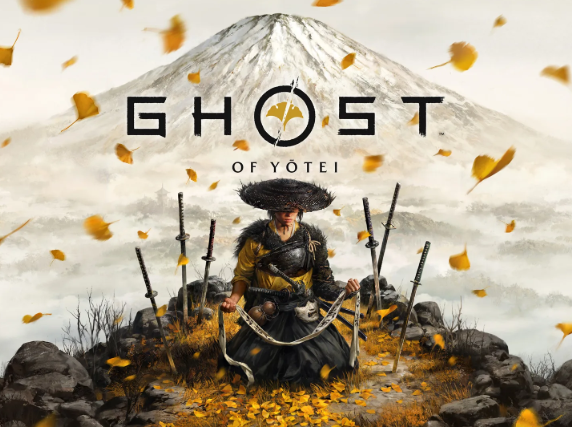
Ghost of Yotei: The Samurai Adventure You Didn't Know You Needed
08 May, 2025
Ghost of Yotei is here. It’s personal. It’s raw. And it’s dropping October 2, 2025, exclusively on PS5. Here’s why this isn’t just another samurai game, it’s the one you didn’t know you needed. Atsu’s Story: Revenge Served Ice Cold (and Aesthetic as Hell) Set over 300 years after Ghost of Tsushima, this spiritual sequel takes place in the wild, snowy heart of Ezo, modern day Hokkaido. You play as Atsu, a lone mercenary with a tragic past and a kill list that would make Arya Stark proud. Sixteen years ago, Atsu’s family was massacred by a gang known as The Yotei Six. She was left for dead… literally, she was nailed to a burning ginkgo tree with the very katana she now carries (what a poetic weapon). Now she’s back, mask on, blade sharp, vengeance on her mind. You’ll hunt each of the Yotei Six in whatever order you choose. Think open world samurai hit list meets meditative character study. Ezo: Where Beauty Meets Brutality Mount Yotei towers in the distance. The land is vast, wild, and alive. According to Sucker Punch, this world is built for exploration on your terms. You can pause the bloodshed to build a campfire under the stars, hunt bounties for coins, or seek out legendary weapon masters to sharpen your skills. It’s not just Tsushima reskinned. Sucker Punch has evolved the open world design with more freedom and variety and judging from the first trailer, it shows. Oh, and yes, some fan favorite activities from Ghost of Tsushima will return, so you can still compose haiku in the middle of your murder rampage. Balance, baby. Gameplay: Blades, Bullets, and (Maybe?) Betrayals We haven’t seen a full combat breakdown yet, but here’s what we know so far: Dual-wielding is in. We see Atsu rocking two blades in the trailer, and it looks nasty in the best way. Gunplay is new. Yup, firearms are part of the arsenal now. Expect Edo era tech, not COD loadouts. Stealth is back. Atsu is on the run and being hunted herself. Expect stealth gameplay, ambush mechanics, and possibly some fresh surprises. Unlockable stances and attacks? Strong chance. The combat legacy of Tsushima isn’t going anywhere. This is still a single player, narrative driven experience at its core. Just you, a sword, a snowy mountain, and a grudge. The Ghost, Reimagined Atsu isn’t Jin Sakai. And that’s the point. Erika Ishii (the voice actress) brings the character to life with a performance that already feels emotionally charged and grounded. This is a story about survival, transformation, and revenge, but it’s also about what happens after the blood dries. Sucker Punch wanted something “fresh but familiar,” and from what we’ve seen so far, Ghost of Yotei is shaping up to be just that. A spiritual successor that dares to do its own thing. Editions, Extras, and Early Access Pre-orders opened on May 2, and there are three editions to choose from: Standard – Just the game, nothing else. Digital Deluxe – Includes extra gear: exclusive armor, dyes, weapons, a horse, and more. Collector’s Edition – All of the above, plus physical goodies and art that’s probably going to be sold out instantly. Every pre-order comes with six avatars and an in game mask, so if you want to look slick while slicing through thugs, you might want to lock that in right now. So… Is This the Samurai Game for You? If you loved Ghost of Tsushima, Ghost of Yotei isn’t just more of the same. It’s sharper, darker, and more personal. Think less "honor and duty" and more "grief, rage, and redemption." The world feels handcrafted. The story feels intimate. The gameplay looks sleeker than ever. And with Atsu at the center of it all, this journey feels less like a blockbuster and more like a cult classic in the making. Are you sold on Ghost of Yotei? Let’s talk vengeance, vibes, and video games in the comments below. Until next time, stay golden!
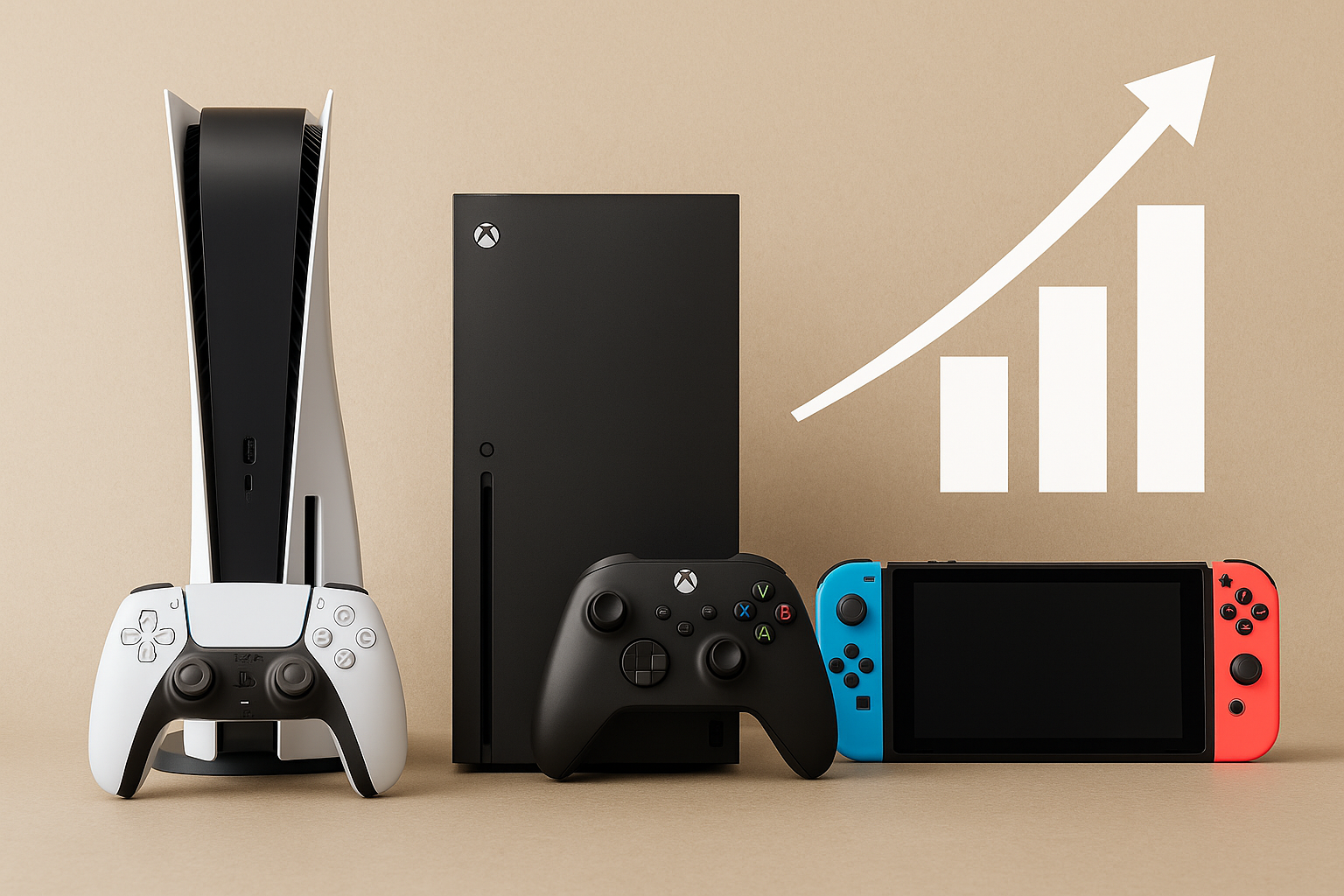
The US Tariff's Effect on the Gaming Industry
25 Apr, 2025
If you were planning on waiting for that sweet price drop to buy the next gen consoles or accessories, I have some terrible news for you my friend. The U.S Tariffs are here and they’re about to make our pockets hurt! So if you're thinking of getting a game console, please get one ASAP, like... now! Let me explain why. So, What’s Going On? Back in February, the US decided to impose tariffs on certain products coming from China (and various other countries) including electronics like consoles, accessories, and parts. When companies like Sony, Microsoft, and Nintendo make a console, a large portion of the parts come from China everything from the microchips inside to the plastic casing is often made overseas. The tariffs now raise the cost of importing these parts, and guess who gets to foot the bill? Yup, we do gamers! How Much Does This Really Affect Us? The question is, how much of the bill are we footing? Let’s see, experts are projecting that at base, game consoles could see a 30% hike in their price. And that's just at base… Yikes. It's not just the consoles either, the price of accessories like gaming headsets, keyboards, and mice are all going to feel the sting. Why Doesn’t the Industry Just Absorb the Cost? Well, here’s the thing: making a console isn’t cheap. Even without tariffs, companies have tight margins. So, when something like a 145% tariff is slapped on imported goods, companies either have to eat that extra cost (which eats into profits) or pass it on to consumers. *Spoiler Alert*: They almost always pass it on to us! What About Smaller Companies? Now, let’s talk about the smaller players accessory makers and indie developers. For them, tariffs can be even more of a nightmare. Many of these companies rely on affordable manufacturing overseas. If their costs go up, they either have to raise prices or sacrifice quality. And as any gamer knows, there’s only so much we’re willing to pay for a generic knockoff controller before we start searching for something that feels just right. Will It Ever Get Better? That’s the big question. There are talks about rolling back some of these tariffs, but with so many industries affected, it’s anyone’s guess when that will happen. Until then, we’ll likely continue to see higher prices on consoles, games, and accessories. Bottom Line? At the end of the day, tariffs are adding a serious cost to your gaming gear. While there’s no easy fix, one thing’s for sure your next console might cost a little more than it would’ve a few years ago… you hate to see it. How does this affect your future gaming plans?
Can You Earn Real-World Money in GTA VI?
03 Dec, 2024
If the buzz surrounding GTA VI is true, we might be on the brink of a gaming revolution. Rumors of a trading and economy overhaul are making waves—and if Rockstar pulls this off, it could be a game-changer for both virtual and real-world economies. The Grind of GTA V Online Let’s face it: GTA V Online has been a massive success for Rockstar, but it’s also a grind-fest. Want to open a new business? Clear your weekend—or buy a shark card. Eyeing that sleek new supercar? Better call in sick to grind missions—or, you guessed it, buy a shark card. The in-game economy is frustratingly rigid. Trading between players? Practically nonexistent. Sure, it’s still a fun game (trust me, I’ve spent more hours on it than I care to admit), but the system feels more like a chore than a sandbox at times. Enter the Rumors: A Player-Driven Economy Now imagine this: a player-driven economy where you can trade, barter, and build businesses from scratch. That’s what the whispers about GTA VI suggest, and it’s got fans buzzing. Rockstar might be taking notes from fan-made GTA RP servers like FiveM or NoPixel. If you’re unfamiliar, these servers already let players take on roles as cops, medics, black-market dealers—even fast-food workers. Yes, there are players out there flipping virtual burgers and loving every second of it. Here’s the kicker: what if these roles came with actual paychecks? Imagine earning in-game money as a medic or setting up a booming virtual empire without grinding through repetitive missions. A dynamic, living economy would make GTA VI feel alive, creating opportunities for players to make meaningful contributions to the game world while having fun. Could Virtual Jobs Pay IRL Cash? Now for the wild part: rumors of blockchain integration. What if Rockstar takes things a step further and ties some in-game assets to real-world value? Picture this: Virtual cars backed by cryptocurrency. Real estate sold as NFTs. Businesses in GTA VI generating income that could be converted into actual money. It sounds futuristic—and let’s be honest, a little risky—but the possibilities are mind-blowing. Imagine logging into GTA VI to earn more money as a virtual cop than an actual police officer. In some places (cough Kenya cough), this could genuinely be the case. Challenges and Risks Of course, there are hurdles to making this vision a reality: Balancing the EconomyIf virtual assets start holding real-world value, it could lead to inflation, exploitation, or pay-to-win scenarios. Rockstar would need to manage this carefully to keep the game fair and fun. Blockchain ControversyWhile blockchain integration offers exciting potential, it’s still a divisive topic. Not everyone is on board with crypto or NFTs, and Rockstar would need to navigate the backlash if they choose this path. Player AccessibilityA system tied to real-world money might alienate casual players or those without access to certain financial tools. Keeping the game inclusive will be key. What We Hope to See So Rockstar, if you guys are listening, here’s what we want: Freedom: Let us create and trade freely within the game’s economy. Fairness: No more pay-to-win. A balanced system that rewards effort and creativity is essential. A Virtual Minimum Wage: If we’re putting in time as virtual medics or burger flippers, give us something meaningful in return. The Future of Gaming? Whether these rumors turn out to be true or not, the mere possibility of GTA VI blurring the lines between virtual and real-world economies is exciting—and a little terrifying. This could redefine how we think about gaming, work, and money in a digital age. But for now, all we can do is wait, speculate, and dream about a future where our in-game grind finally pays off—literally. Your Turn What do you think? Would you dive into a player-driven GTA VI economy? Are you hyped—or skeptical—about the idea of earning real-world money in a game? Let’s hash it out in the comments. Until next time, stay golden!