![Vivid Gold - Video Game Outlet [KE]](http://vividgold.co.ke/cdn/shop/files/vivid_gold_Inverted_Color_Transparent_bg_1.svg?v=1776417429)


Recent Articles


Xbox Isn't Dead: How New Leadership Just Silenced the Critics
13 Jun 2026
Why Most PC Gamers Are Choosing 1440p Over 4K
26 May 2026Best TCL TVs for Gaming in 2026: Find Your Perfect Match
22 Jun, 2026
Not everyone wants to game on a small monitor. If you're a console gamer who prefers a big-screen experience, choosing the right TV matters just as much as choosing the right console. TCL has built a reputation for delivering premium gaming features at more accessible price points, and their 2026 lineup continues that tradition. Here are the best TCL TVs for gaming in 2026 from the flagship to the value sweet spot. TCL C8L: The Flagship Gaming TV If budget isn't your primary concern, the TCL C8L (also known as the QM8L in the US) is arguably TCL's strongest gaming TV in 2026 . It's designed for players who want uncompromising picture quality and top-tier gaming features. Key Gaming Specifications: Display: 4K SQD-Mini LED panel with WHVA 2.0 Ultra technology Refresh Rate: Native 144Hz, with VRR support Local Dimming: Up to 4,032 zones on the 98-inch model; 1,008 zones on the 55-inch model Peak Brightness: Up to 6,000 nits on larger models, 3,000 nits on 55-inch Gaming Features: AMD FreeSync, Game Master mode, HDMI 2.1 ports Color Coverage: 100% BT.2020 color gamut HDR Support: Dolby Vision IQ, HDR10+, HLG Audio: 2.2-channel system tuned by Bang & Olufsen with Dolby Atmos and DTS support What It Delivers: The C8L pushes Mini LED technology to its limits. The massive number of local dimming zones combined with extreme peak brightness means HDR content whether games or movies looks stunning with incredible contrast. For competitive gamers, the 144Hz native refresh rate and VRR support ensure smooth, tear-free gameplay. Perfect For: Enthusiasts who want the absolute best picture quality and are willing to pay for flagship performance. TCL C7L: The Value Sweet Spot Not everyone needs the flagship. The TCL C7L offers many of the same premium gaming features at a lower price point, making it arguably the best value gaming TV in TCL's 2026 lineup . Key Gaming Specifications: Display: 4K SQD-Mini LED panel with HVA 2.0 Pro technology Refresh Rate: Native 144Hz, VRR up to 288Hz via Game Accelerator Local Dimming: 800 zones (55-inch) up to 2,176 zones (98-inch) Peak Brightness: Up to 3,000 nits on larger models Gaming Features: AMD FreeSync Premium Pro, Game Master mode with Game Bar UI, HDMI 2.1 ports Color Coverage: 100% BT.2020 color gamut HDR Support: Dolby Vision, HDR10+, HLG Audio: 2.2-channel system tuned by Bang & Olufsen with Dolby Atmos What It Delivers: The C7L delivers the same 144Hz native refresh rate as the flagship C8L, with VRR that can push to 288Hz in compatible scenarios. The 3,000-nit peak brightness (on 65-inch and larger models) is still exceptional for HDR gaming, and the local dimming zones are more than adequate for deep blacks and precise backlight control . TCL's Game Master mode gives you quick access to gaming settings like low latency, shadow enhancement, and on-screen crosshairs. Perfect For: Most PS5 and Xbox Series X gamers who want premium gaming features without paying flagship prices. What to Look for in a Gaming TV Don't buy a TV just because the box says "Gaming." Instead, look for these essential features they make a bigger difference than most picture settings: Feature Why It Matters HDMI 2.1 Required for 4K at 120Hz+; essential for PS5 and Xbox Series X 120Hz or 144Hz Native Refresh Rate Ensures smooth motion during fast-paced gameplay VRR (Variable Refresh Rate) Eliminates screen tearing; TCL's Game Accelerator pushes to 288Hz ALLM (Auto Low Latency Mode) Automatically switches to game-optimized settings Low Input Lag Critical for responsive competitive play Game Master / Game Bar Quick access to gaming settings and visual aids The Verdict: Which TCL Should You Choose? If You Want... Choose... The absolute best picture quality and brightness TCL C8L Premium gaming features at a better price TCL C7L HDMI 2.1, high refresh rate, and VRR Both C8L and C7L deliver A future-proof TV for PS5 and Xbox Both are HDMI 2.1 ready and optimized for current-gen consoles A great console deserves a great display. Because no matter how powerful your gaming hardware is, you'll only enjoy it as much as the screen you're playing on.

The Lost Art of Local Co-Op: What Happened to Gaming on the Same Couch?
10 Apr, 2026
There was a time when multiplayer didn't need a server, a headset, or a login. All you needed was a couch, a second controller, and someone sitting right next to you. Today, that experience is nearly extinct. Not evolving. Not transforming. Lost. Let's talk about the golden era of local co-op, why it faded, and what gaming sacrificed when it was quietly abandoned. The Golden Era: When Shared Screens Built Friendships Local co-op once sat at the heart of gaming culture. It wasn't a niche feature; it was the main event. Mario Kart turned living rooms into battlegrounds where bragging rights mattered more than any online rank. GoldenEye 007 made screen-peeking a legitimate strategy, not a sin. Halo: Combat Evolved through Halo 3 built friendships through split-screen campaigns and LAN parties that lasted all night. Left 4 Dead proved that surviving together physically together in the same room—created a level of tension and camaraderie no online lobby could match. These games weren't just playable locally. They were designed for shared space. Every mechanic from weapon balancing to respawn timing assumed someone was right there beside you, trash-talking, strategizing, or laughing at your failure. Why It Faded: The Quiet Shift to Online Then came the shift. Online multiplayer promised convenience, global reach, and an endless supply of opponents. No travel. No scheduling. No shared screen required. But that convenience came at a significant cost: Technical Complexity: Split-screen cameras became harder to manage as games grew more visually dense and rendered at higher resolutions. Maintaining two (or four) simultaneous views without tanking performance became a genuine development challenge. Monetization Models: Live-service games and battle passes prioritize individual progression, cosmetics tied to personal accounts, and persistent online engagement. Local co-op doesn't fit neatly into that revenue model. Design Priorities: Games stopped being built for rooms and started being built for accounts. The assumption shifted: "Everyone plays online now." Local co-op didn't slowly decline through a conscious decision. It was quietly deprioritized until it became optional, then rare, then largely forgotten. What We Lost When the Second Controller Stayed in the Drawer And what we lost can't be patched back in through an update. Instant communication without latency. No "can you hear me?" No lag spikes. Just pure, unfiltered reaction. Inside jokes formed in seconds, not through Discord threads and clipped voice channels. Real, shared emotion—panic, laughter, frustration experienced in the same moment, on the same couch. We lost the hand-me-down ritual: teaching someone to play by sitting next to them, passing the controller, and watching them learn through observation, not tutorials. Online multiplayer connects players across distances. Local co-op bonded people in the same physical space. Those are fundamentally different things, and one cannot replace the other. The Exceptions That Prove the Rule Yes, games like It Takes Two, Overcooked, and Valheim still exist. They prove that local co-op can still work brilliantly. But their success highlights the problem. These games feel special because they're rare. They are celebrated for a feature that was once standard. They don't represent a revival; they represent remnants of a design philosophy that has largely been abandoned. For every It Takes Two, there are dozens of major releases that launch without any local co-op support whatsoever. The Real Cost: A Way of Bringing People Together Local co-op wasn't outdated. It wasn't replaced by something demonstrably better. It was abandoned in favour of something easier a model that scales infinitely, sells battle passes, and requires no one to leave their house. And in losing it, gaming didn't just lose a feature. It lost a way of bringing people together in a shared physical space. It lost the joy of watching a friend's face as they clutch a victory, the frustration of a missed jump that everyone saw happen, the simple pleasure of playing next to someone you care about. The couch is still there. The second controller might be gathering dust. But the games that made them essential? Those have become the exception, not the rule. What Do You Miss Most? What's your fondest memory of local co-op? Was it four-player Halo, all-night Mario Kart sessions, or something else? And do you think couch multiplayer will ever truly return? Let us know in the comments.

The Next Frontier for Adaptive Game Difficulty
14 Mar, 2026
For decades, gaming difficulty has been a static choice. You pick Easy, Medium, or Hard before the game begins, and you're locked into that experience. But what if the challenge could think with you, adapt to your mistakes, and evolve alongside your skill? Welcome to the next frontier of game design: AI-driven adaptive difficulty. This isn't about making games easier, it's about making them smarter. It's a future where the game itself becomes a coach, a companion, and a mirror that reflects your unique playstyle. What Adaptive Difficulty Really Means Traditional difficulty levels are blunt instruments. Easy might reduce enemy health, Hard might increase damage. But they can't account for how you play—whether you're struggling with a specific boss pattern, mastering movement, or simply needing more time to explore. Dynamic Difficulty Adjustment (DDA) has existed in subtle forms for years. Resident Evil 4famously adjusted enemy aggression and item drops based on player performance. Left 4 Dead's"AI Director" is a classic example, dynamically spawning enemies and adjusting pacing to create tension without overwhelming players. Modern academic research confirms that AI techniques—particularly reinforcement learning—can now balance challenge and engagement in real-time. These systems observe player behavior, identify frustration or boredom, and adjust parameters to maintain a state of "flow": that perfect zone where challenge meets skill. Where AI Is Taking Adaptive Difficulty The next generation of adaptive systems moves far beyond tweaking health bars. It's about creating intelligent partners inside the game itself. Sony's AI Assistant Patent Sony has filed patents for an AI assistant that actively observes your gameplay. When it detects you're stuck—repeatedly failing a jump, dying to the same boss—it could offer contextual guidance, highlight solutions, or even demonstrate the correct path. In its most advanced form, it could play through a challenging section for you, then hand control back. This transforms difficulty management from a settings menu into an interactive dialogue. Razer's AI Gaming Companion Razer's Project AVA (now evolving into commercial products) takes a different approach. It's an external AI copilot that analyzes your live gameplay, offering strategic tips, build recommendations, and real-time coaching. While it doesn't alter the game's code, it reshapes your experience by augmenting your decision-making—like having a professional coach watching over your shoulder. The Shift in Philosophy These developments signal a fundamental shift: adaptive difficulty is no longer just about code tweaking challenges. It's about building interactive AI partners that understand your playstyle, anticipate your struggles, and help you grow. The game doesn't just react to you—it knows you. Why This Matters for Players The implications of AI-driven adaptive difficulty are profound: For Frustrated Players: No more hitting an impossible wall. The system can subtly adjust or offer guidance before you quit. For Accessibility: Players with physical or cognitive barriers get a tailored experience that challenges without excluding. Difficulty becomes a spectrum, not a gate. For Mastery: Instead of static victory, success becomes about dynamic progression. The game grows with you, ensuring you're always learning. For Engagement: Maintaining "flow" means players stay in the zone longer, reducing burnout and increasing satisfaction. But there are nuanced questions to confront: If an AI plays a hard section for you, does it diminish your sense of accomplishment? Or does it unlock achievement by helping you learn rather than just win? Where is the line between assistance and automation? These are the conversations the industry must have as these systems become mainstream. The Future: Challenge as a Conversation The static difficulty menu is becoming obsolete. The future of gaming challenge lies in conversation a continuous, silent dialogue between you and an intelligent system that wants you to succeed, but not too easily. Whether it's Sony's in-game assistant, Razer's external copilot, or systems we haven't imagined yet, AI is poised to refashion challenge itself. The goal isn't to remove difficulty—it's to make difficulty personal. The next time you struggle with a boss, the game might not just let you lower the difficulty. It might lean in, watch carefully, and say: "I see where you're stuck. Let's figure this out together." The Human Element: Community, Culture, and Access As we explore how AI might reshape the way games adapt to us, it's worth looking beyond the technology itself and at the communities that fuel play and innovation. Gaming isn't just code and challenge curves—it's culture, access, and opportunity. That's where platforms like vividgold.africa come in. More than a marketplace for consoles, games, and digital gift codes, Vivid Gold positions itself at the intersection of commerce, content, career pathways, and gaming culture in Africa—empowering players with access to hardware and entertainment and helping shape the next generation of creators, competitors, and industry professionals. As AI transforms how we play, platforms that democratize access to gaming ensure that these innovations reach everyone, not just those in established markets. The Question for Players Adaptive difficulty isn't about making games easier. It's about making them smarter—and in doing so, making them more human. Would you trust an AI to coach you through a tough game, or do you believe struggle is essential to the experience? Let us know in the comments.

Best Direct Drive Wheels for Sim Racing: Fanatec, Moza & Logitech Compared
12 Mar, 2026
f you're serious about sim racing, you've heard the term Direct Drive. It's the gold standard the technology that separates toy-like controllers from professional-grade racing equipment. But with options from Fanatec, Moza, and now Logitech, which one is actually worth your money? Let's break down what Direct Drive means, why it matters, and which wheelbase is right for your budget and platform. What Is Direct Drive and Why Does It Matter? Before we compare specific models, let's understand the technology. Traditional racing wheels use gear or belt systems to transfer movement from a motor to the wheel. These systems introduce friction, slack, and a "mushy" feeling. Direct Drive eliminates all of that by connecting the motor directly to the wheel shaft. The Results: Stronger Force Feedback: More torque means you feel every bump, slide, and loss of traction with greater intensity. Zero Slack: Instant response with no dead zone or delay. Unrivaled Precision: You feel the exact moment the tires lose grip, giving you more control at the limit. Deeper Immersion: From the rumble of kerbs to the vibration of an F1 car at high speed, Direct Drive puts you inside the simulator. Whether you're racing GT3 cars in Assetto Corsa Competizione or open-wheel monsters in F1 25, a Direct Drive wheel transforms your experience. 1. Fanatec – The Premium Standard Fanatec has long been the name in sim racing. Their ecosystem is vast, their build quality is proven, and their wheels are used by professionals and enthusiasts worldwide. Model CSL DD QR2 GT DD Pro Torque 5 Nm (upgradable to 8 Nm with Boost Kit) 5 Nm (upgradable to 8 Nm) Platform PC, Xbox PlayStation, PC, Xbox Estimated Price (KSH) Ksh 190,000 Ksh 190,000 Who It's For: The CSL DD is the entry point into Fanatec's ecosystem, offering upgradeability and access to their extensive wheel rim library. The GT DD Pro is the go-to choice for PlayStation users who want Gran Turismo compatibility and the same solid foundation. The Fanatec Advantage: Unmatched ecosystem, proven reliability, and the ability to upgrade torque later. 2. Moza Racing – The Rising Star Moza has exploded onto the sim racing scene by offering impressive Direct Drive performance at more accessible price points. Their software is user-friendly, and their wheels pack serious features. Model Moza R3 Moza R5 Torque 3.9 Nm 5.5 Nm Platform Xbox, PC PC Estimated Price (KSH) Ksh 145,000 Ksh 160,000 Who It's For: The Moza R3 is an excellent entry point for Xbox racers who want Direct Drive quality without the Fanatec premium. The Moza R5 offers more power for PC enthusiasts who want serious feedback and excellent software tuning tools. The Moza Advantage: Great value, modern design, and intuitive software that makes setup and tuning simple. 3. Logitech G – The Budget-Friendly Entry Logitech has finally entered the Direct Drive arena with a wheel designed to make the technology accessible to a wider audience. The G RS50 is their first dedicated Direct Drive offering. Model Logitech G RS50 Torque Not specified, but entry-level DD Haptic Feedback TrueForce (up to 4,000 Hz) Platform PC (with dedicated PS/Xbox versions) Estimated Price (KSH) Ksh 144,000 Who It's For: The G RS50 is for sim racers taking their first step into Direct Drive. It's priced aggressively, features Logitech's high-fidelity TrueForce haptic feedback, and is designed to be friendly and capable out of the box. The Logitech Advantage: Affordable entry point, strong brand reliability, and excellent haptic feedback technology. The Verdict: Which Direct Drive Wheel Should You Buy? Your choice ultimately depends on your budget, platform, and ambitions. If You Want... Choose... The Ultimate Ecosystem & Upgrade Path Fanatec CSL DD / GT DD Pro (Ksh 190,000) Great Value & Modern Software Moza R5 (PC) or R3 (Xbox) (Ksh 145k - 160k) A Friendly, Affordable Entry Point Logitech G RS50 (Ksh 144,000) A Quick Note on Kenyan Pricing:These prices are estimates based on import costs, taxes, and retailer margins. Direct Drive wheels are premium imports, so expect to pay a premium. However, the jump in immersion and performance is undeniable. Final Thoughts Direct Drive isn't a luxury anymore, it's becoming the new standard. Whether you choose Fanatec's proven ecosystem, Moza's rising value, or Logitech's accessible entry point, you're getting technology that will transform how you race. The question isn't whether to go Direct Drive. It's which one fits your rig, your budget, and your racing dreams. Which Direct Drive wheel are you saving up for? Let us know in the comments!

How to Choose a Gaming Keyboard: 4 Features That Actually Matter
26 Feb, 2026
Your keyboard is your primary connection to your games. It's the tool you use to issue every command, execute every combo, and communicate with every teammate. Choosing the right one completely changes how you play, how you type, and even how comfortable your setup feels for hours of gaming. But with so many options mechanical vs. membrane, wired vs. wireless, 60% vs. full size it's easy to get overwhelmed. Here are the four essential features you need to understand before you buy your next gaming keyboard. 4. Connectivity: Wired or Wireless? The first major decision is how your keyboard connects to your PC. Wired Keyboards (USB): The traditional choice. Wired keyboards offer zero latency, which is critical for competitive gaming where every millisecond counts. They also never need charging, making them a "plug and forget" solution. The downside? Cable management and slightly less desk freedom. Wireless Keyboards: Modern wireless technology (like 2.4GHz dongles or low-latency Bluetooth) has closed the gap significantly. A clean, cable-free desk looks incredible and gives you freedom to move. However, you'll need to manage battery life whether that's rechargeable batteries or a built-in pack that needs charging every few weeks. The Verdict: Choose wired for uncompromised competitive performance. Choose wireless for a cleaner aesthetic and if you value desk freedom over absolute zero latency. 3. Build Quality: Plastic vs. Premium A keyboard's feel and longevity are largely determined by its construction and materials. Cheap Plastic Frames: Entry-level keyboards often use lightweight plastic. They can feel flimsy, flex during intense gaming sessions, and keycaps may wear down or become shiny over time. Heavier, Premium Frames: Look for keyboards with metal top plates or dense plastic construction. They feel solid under your hands and won't twist or flex. Keycaps: This matters more than you think. Cheaper keyboards use ABS plastic keycaps that can develop an oily, shiny shine over months of use. Higher-quality keyboards use PBT keycaps, which are thicker, more textured, and far more resistant to wear and shine. They feel better and last significantly longer. The Verdict: Prioritize a keyboard with a solid frame and PBT keycaps if you want a board that feels premium and lasts for years. 2. Form Factor: Full Size, TKL, or 60%? Keyboards come in different sizes, and the right one depends on your desk space and what keys you actually use. Full Size (100%): Includes everything: alphanumeric keys, function row, navigation cluster (Home, End, etc.), and a dedicated number pad. Best for data entry, accounting, or if you genuinely use the numpad regularly. Tenkeyless (TKL / 80%): Removes the number pad. This gives you more room for mouse movement—a huge advantage for low-sensitivity gamers—while keeping the function and navigation keys. The most popular choice for gamers who want space without sacrificing functionality. 60% Keyboards: A super compact layout that removes the number pad, function row, and navigation cluster. All those functions are accessed via layers (holding the Fn key). Ideal for minimalists, streamers who need maximum mouse space, or portable setups. The Verdict: Full Size if you need a numpad for work. TKL for the best balance of space and functionality. 60% for maximum desk space and a clean, minimalist aesthetic. 1. Switch Type: The Heart of the Keyboard This is the most important decision. The switches determine how the keyboard feels, sounds, and responds. Mechanical keyboards offer three main types: Clicky Switches (e.g., Cherry MX Blue): These provide both a tactile bump (you feel the actuation point) and an audible click sound. They are satisfyingly loud and give clear feedback. Perfect if you love that classic "typewriter" sound, but potentially annoying for streamers or shared spaces. Tactile Switches (e.g., Cherry MX Brown): These offer the tactile bump—you feel when the key activates—but without the loud click. They provide a nice balance of feedback for both gaming and typing, making them an excellent all-rounder. Linear Switches (e.g., Cherry MX Red): These are smooth and quiet from top to bottom with no bump and no click. They are the preferred choice for many competitive gamers because they allow for rapid, smooth double-taps and key presses without extra resistance or noise. The Verdict: Choose Clicky if you love the sound and tactile feel (and game alone). Choose Tactile for the best all-around balance of gaming and typing feedback. Choose Linear for competitive gaming where speed and smoothness are paramount. Conclusion: Your Keyboard, Your Rules At the end of the day, the "best" gaming keyboard isn't the most expensive or the one with the most RGB lights. It's the one that fits your play style, your space, and your comfort. Pick the connectivity that matches your need for speed or aesthetics. Choose build quality that feels premium and will last. Select the form factor that gives you the right desk space. And most importantly, decide on the switch type that feels right under your fingers. Get these four things right, and you won't just have a keyboard you'll have the perfect partner for every game you play. What's your current keyboard setup? Do you prefer clicky, tactile, or linear switches? Let us know in the comments!

RTX 5090: Is NVIDIA's Next GPU a Gaming Revolution or Just Marketing Hype?
24 Feb, 2026
The rumor mill is running at full speed. NVIDIA's next-generation flagship, the RTX 5090, is poised to be the most powerful consumer graphics card ever created. Gamers are dreaming of true 4K gaming at buttery-smooth frame rates, insane ray tracing, and AI features that finally feel indispensable. But as the hype machine roars, a sobering question emerges: Is the RTX 5090 about to change gaming forever, or are we all falling for the most expensive marketing play yet? Let's unpack the truth. The Promise: What the RTX 5090 Claims to Deliver NVIDIA's next-generation architecture, codenamed Blackwell, is expected to bring significant generational leaps: True 4K High Refresh Rate Gaming: The long-promised dream of running demanding titles at native 4K with max settings and ray tracing enabled at 120+ FPS could finally become a mainstream (albeit expensive) reality. Enhanced Ray Tracing & Path Tracing: More powerful RT cores should allow for more complex lighting, shadow, and reflection calculations, bringing us closer to cinematic, movie-quality visuals in real-time. AI-Powered Features: Enhanced AI cores (Tensor Cores) could power smarter upscaling technologies (think DLSS 4), more convincing frame generation, and other AI-assisted gaming and creative tools. Improved Efficiency: Blackwell is rumored to offer better performance-per-watt, meaning less heat and power draw for the same (or better) performance. On paper, this is the GPU that finally makes "4K Ultra RT" a consistent, playable experience. The Reality Check: Who Actually Needs This? The raw numbers are exciting, but context is everything. For the vast majority of gamers, the RTX 5090 may be pure overkill. The 1440p Majority: Most gamers still play at 1080p or 1440p. At these resolutions, the performance gap between a high-end 40-series card and the 5090 will be far less noticeable. Your monitor is the bottleneck long before the GPU is. The Law of Diminishing Returns: If you're upgrading from an RTX 30-series card (like a 3070 or 3080), the jump to the 5090 will be monumental. But if you already own an RTX 4090, the upgrade may only make sense for enthusiasts chasing the absolute highest frame rates at 4K or for professional creators who need the raw compute power. The Price Barrier: Flagship GPUs have crossed into luxury territory. This isn't a purchase for the average gamer; it's for the performance chaser, the high-end content creator, and the tech enthusiast who demands the absolute best, regardless of cost. The Kenyan Context: What Will the RTX 5090 Cost? This is where the hype meets harsh reality. Global pricing for the RTX 4090 started at $1,599. Given inflation, demand, and NVIDIA's pricing trends, the 5090 could easily start higher. For Kenyan gamers, the final price will include import duties, taxes, and retailer margins. A realistic estimate for the RTX 5090 at launch in Kenya could land between: Ksh 470,000 to Ksh 580,000 At this price point, it's no longer a gaming component; it's a significant investment comparable to buying a used car or a high-end motorcycle. This fundamentally shifts the value proposition. The Wildcard: Competition and the AI Gold Rush Two major factors could influence the RTX 5090's impact: Heating Competition: AMD and Intel are aggressively pushing into the high-end GPU market. If they can offer competitive rasterization performance at significantly lower prices, it could force NVIDIA to be more competitive or justify the flagship tax with truly unique features. The AI Demand: The AI boom is insatiable. Companies are buying up high-end consumer GPUs for AI training and inference, competing directly with gamers for supply. This demand is a primary reason GPU prices have remained high and could keep the RTX 5090 scarce and expensive well into 2026. The Verdict: Who Should Buy the RTX 5090? The RTX 5090 will be a marvel of engineering, a showcase of what's possible. But "possible" and "necessary" are very different things. Buy it if: You are an enthusiast with a 4K/240Hz monitor, a creative professional whose income depends on rendering speed, or someone for whom "best" is the only option. Skip it if: You are a 1440p gamer, happy with your 40-series card, or on a budget where this money could build an entire secondary PC or upgrade multiple other components. The RTX 5090 is less a mass-market product and more a halo a symbol of technological peak. For most of us, the hype is fun to follow, but the purchase is a fantasy. Are you planning to try and grab an RTX 5090, or is the price tag too steep? Let us know in the comments.

The Three Games That Exposed Ubisoft's Slow Decline
20 Feb, 2026
Ubisoft didn't collapse overnight. There was no single catastrophic failure that brought the French publisher to its knees. Instead, it was a slow, agonising fade a gradual draining of identity, innovation, and player trust from the very franchises that built its empire. For years, Ubisoft was synonymous with the open-world genre. Assassin's Creed, Far Cry, Watch Dogs these were titles that defined an era. But somewhere along the way, the magic curdled. Passion projects became assembly-line products. Ambition was replaced by checklists. Here are the three games that didn't just fail, they exposed exactly what Ubisoft had become. 3: Watch Dogs: Legion (2020) – The Promise That Broke The Concept: "Play as anyone." Recruit any NPC you see in a near-future London to your resistance movement. A revolutionary idea that promised infinite replayability and emergent storytelling. The Reality: A hollow execution of a brilliant concept. The "play as anyone" mechanic quickly revealed its limitations. Most characters felt like interchangeable assets—generic NPCs with shallow voice lines, no meaningful backstory, and zero emotional connection to a narrative that was already struggling for identity. The emotional stakes that made the first Watch Dogscompelling were completely absent. What It Exposed: Marketing Over Substance: Ubisoft sold a tech demo as a game. The core idea was flashy enough to dominate pre-release coverage, but the actual depth wasn't there. Identity Crisis: The first Watch Dogs felt bold and gritty. Legion felt like an experiment that shipped before it was fully baked, revealing a studio more interested in concepts than craft. 2: Far Cry 6 (2021) – The Formula That Finally Broke Players The Concept: A sprawling Latin American revolution led by a charismatic villain played by the legendary Giancarlo Esposito. On paper, this had all the ingredients for a franchise high point. The Reality: A perfectly functional, utterly soulless checklist of Ubisoft's greatest hits. It was another map covered in icons. Another grind to liberate outposts. Another "climb the tower to reveal the region" loop. Esposito's immense talent was wasted in a role that barely interacted with the player, proving that a great actor cannot save shallow writing. What It Exposed: Ubisoft Fatigue: By 2021, the formula had been running on fumes for years. Far Cry 6 didn't innovate; it iterated. And players were finally, openly tired of it. Repetition Over Reinvention: Instead of asking "what does Far Cry need to become?", Ubisoft asked "how can we make the same thing, but bigger?" The result was bloated playtimes with diminished returns on meaning. 1: Skull and Bones (2024) – The Symbol of Systemic Failure The Concept: A AAA pirate RPG where you command your own ship, build a criminal empire, and rule the seas. Marketed for years as the next big thing. The Reality: The ultimate symbol of Ubisoft's mismanagement. After nearly a decade of development, multiple reboots, and endless delays, Skull and Bones launched as a shallow, grindy, live-service skeleton of a game. The ultimate insult? It was immediately and unfavorably compared to Assassin's Creed IV: Black Flag a game Ubisoft itself had made in 2013 which still offered a richer, more engaging pirate experience. What It Exposed: Mismanagement at Scale: This wasn't just a bad game; it was a monument to corporate dysfunction. How could a company spend so much time and money and deliver something that felt older and shallower than a game from a decade prior? The End of Trust: For many longtime fans, Skull and Bones was the final straw. It wasn't another disappointment it was proof that Ubisoft, as a creative force, was no longer capable of delivering on its promises. Conclusion: Death by a Thousand Checklists Ubisoft's decline isn't a story of one catastrophic failure. It's a story of a company that slowly lost the ability to surprise, innovate, or trust its players' intelligence. These three games mark the milestones of that descent: Watch Dogs: Legion showed they could no longer execute on a brilliant idea. Far Cry 6 proved they were trapped in their own exhausted formula. Skull and Bones revealed the rot ran all the way to the core of their development culture. The question now isn't whether Ubisoft can recover it's whether they remember what made them special in the first place. Which Ubisoft game was the moment you realized the company had lost its way? Let us know in the comments.

Gaming's Forgotten Genres: An Era That Shaped Our Industry
03 Feb, 2026
The video game industry moves at a breakneck pace, constantly chasing the next big thing. In the process, entire genres that once defined gaming have faded from the mainstream spotlight. They aren't gone, and they didn't fail, they were sidelined by technological shifts, changing player expectations, and the relentless drive for spectacle. Let's explore the legacy of these forgotten genres, understand why they receded, and discover where their DNA lives on in modern gaming. 1. Text Adventures & Point-and-Click Mysteries The Golden Age: The 1980s and early 90s, with classics like Zork, The Secret of Monkey Island, and Myst. What Happened: The rise of graphical fidelity was the primary catalyst. As 3D graphics and real-time action became possible, games relying purely on text description or static, pre-rendered images were perceived as technologically "dated" by a mainstream audience hungry for visual immersion. Where It Lives On: Their core tenets—puzzle-solving, deep narrative, and player-driven exploration—were absorbed into new forms. Visual Novels & Interactive Fiction: The direct descendants, flourishing as a niche. Narrative Adventures: Games like Disco Elysium and the Life is Strange series prioritize dialogue and consequence over action. Environmental Storytelling: The "show, don't tell" philosophy in games like Dark Souls and BioShock is an evolution of the text adventure's reliance on player deduction. 2. The Arcade Beat 'Em Up The Golden Age: The late 80s to mid-90s, with titans like Final Fight, Streets of Rage, and Double Dragon. What Happened: The transition to 3D gaming was brutal for the side-scrolling brawler. The genre's simple formula of "walk right and hit things" struggled to adapt convincingly to a third dimension. Furthermore, player expectations evolved towards deeper combat systems (like those in character action games), progression mechanics (RPG elements), and expansive worlds, which the arcade-style model didn't provide. Where It Lives On: The spirit of chaotic, combo-based crowd control is everywhere. Character Action Games: Devil May Cry and Bayonetta are essentially 3D, deep-combat beat 'em ups. Roguelike Brawlers: Games like Hades incorporate the fast-paced, room-by-room combat loop. Modern Revivals: Passion projects like Streets of Rage 4 and TMNT: Shredder's Revengeprove the core gameplay remains timeless when polished. 3. Rail Shooters & Light-Gun Games The Golden Age: The 1990s arcade and early console era with Time Crisis, House of the Dead, and Duck Hunt. What Happened: This genre was uniquely tied to specialized hardware. The shift from CRT to modern flat-panel TVs rendered light guns obsolete. Furthermore, the design philosophy of a fixed, on-rails path fell out of favor as open-world games promised players "freedom" above all else. Where It Lives On: The core appeal of immersive, controlled-action spectacle has found new life. VR Gaming: Titles like Pistol Whip and Half-Life: Alyx are the natural evolution, offering the same directed intensity with vastly improved immersion. On-Rails Sections: Many major action games (Uncharted, Call of Duty) use rail-shooter segments for cinematic set-pieces. Modern Niche: Series like Panzer Dragoon see remakes, and indie developers occasionally revisit the format. 4. God Games & Classic Real-Time Strategy (RTS) The Golden Age: The 1990s and early 2000s, dominated by Populous, Black & White, Command & Conquer, and StarCraft. What Happened: These genres fell victim to high complexity and high commitment. The demanding multitasking (macro and micro-management), steep learning curves, and long match times clashed with a gaming audience that increasingly valued accessibility, shorter sessions, and lower barriers to entry. Where It Lives On: Their systemic DNA has been fragmented and integrated into more popular genres. God Games → Management & Simulation: The joy of indirect control lives on in city builders (Cities: Skylines), management games (Two Point Hospital), and life sims (The Sims). Classic RTS → MOBAs & Autobattlers: StarCraft's unit control and strategy evolved into Dota 2 and League of Legends. The macro strategy element lives on in Teamfight Tactics and Dota Underlords. Grand Strategy: For the hardcore, the Total War series and Crusader Kings offer the deep strategic simulation on a massive scale. Conclusion: Evolution, Not Extinction Genres don't truly die; they mutate, merge, and resurface. The decline of these once-dominant styles is a story of industry evolution: Technology enabled new experiences that made older ones seem quaint. Player expectations shifted from arcade-style challenge to cinematic immersion and accessible depth. Market forces pushed publishers toward genres with broader, more monetizable appeal. The legacy of these forgotten genres is everywhere. They are the foundational code upon which modern gaming is built. And with the power of indie development, digital distribution, and new tech like VR, we are now seeing glorious, thoughtful resurgences. They're not forgotten history, they're sleeping giants, waiting for the right moment to return. Which "forgotten" genre do you miss the most, and what modern game comes closest to capturing its magic?

The Ethics of Loot Boxes: Gambling, Gameplay, or Psychological Manipulation?
31 Jan, 2026
Few topics in modern gaming are as contentious as the loot box. To players, they can be a thrilling source of rare cosmetics. To critics and regulators, they are a predatory form of gambling disguised as a game mechanic. This debate sits at the uncomfortable intersection of psychology, ethics, and business. Are loot boxes a harmless reward system or a sophisticated exploitation of human behavior? Let's dissect the arguments from both sides and examine the manipulative design at the core of this billion-dollar feature. The Publisher's Defense: "Surprise Mechanics" Game publishers and platform holders often frame loot boxes within a carefully constructed narrative: The Argument: Loot boxes are presented as "optional," "fun surprises," or "collectibles." They argue that players are never forced to buy them, odds are disclosed (often due to legal pressure), and the rewards are purely digital with no real-world monetary value. The Language: Using terms like "surprise mechanics" (coined by an EA executive) intentionally distances the system from words like "gambling" or "betting." The Business Reality: This defense protects a lucrative revenue stream. By framing them as benign gameplay, publishers avoid the heavy legal restrictions, age ratings, and public stigma associated with gambling. The Counterargument: Gambling in Plain Sight Critics, psychologists, and a growing number of regulators see past the branding to the core mechanics, which mirror established gambling systems: The Random Reward Schedule: Like a slot machine, loot boxes operate on a Variable Ratio Reinforcement Schedule, the most addictive form of reward. Players don't know which pull will yield the rare item, compelling repeated spending. The Psychological Triggers: The use of near-misses (two rare items and one common), celebratory audiovisual feedback (explosions, light shows), and the sunk cost fallacy ("I've spent this much, I have to keep going") are directly lifted from casino design. The Target Audience: Many games featuring loot boxes are rated for teenagers (E, PEGI 12/16), exposing developing brains to these addictive loops. The legal definition of gambling may hinge on "real-world value," but the neurological impact is similar. The Core Issue: Engineered Compulsion The debate often gets stuck on the legal definition of gambling. The more profound ethical issue is intentional psychological manipulation. Designing for Exploitation: Game developers employ behavioral psychologists to fine-tune these systems. Every animation delay, every sound effect, and the visual hierarchy of the storefront is optimized to trigger dopamine and bypass rational decision-making. Blurring the Lines: Loot boxes are often integrated into progression systems. A player might hit a difficult wall, and the game subtly suggests a loot box could contain the item needed to advance. This merges pay-to-progress with gambling mechanics. The Ethical Line: Even if a loophole prevents them from being classified as gambling legally, the intent—to create compulsive spending habits—raises serious ethical questions about the duty of care publishers have toward their players, especially minors. Regulation & the Industry's Pivot Public and governmental backlash has forced change, proving this isn't an unstoppable trend. Government Intervention: Countries like Belgium and the Netherlands have outright banned loot boxes that constitute gambling. Regulators worldwide, including in the UK and the USA, continue to investigate. Rating Board Warnings: The ESRB and PEGI now mandate "In-Game Purchases (Includes Random Items)" labels, a direct response to the controversy. The Industry Shift: The backlash has accelerated a move toward battle passes and direct purchase shops (e.g., Fortnite, Valorant). These models are often seen as more ethical because they offer predictable, transparent rewards for a set price, though they still employ FOMO (Fear Of Missing Out) tactics. Conclusion: A Tightrope Walk with No Net So, are loot boxes gambling or gameplay? The uncomfortable answer is: They are a hybrid designed to function like gambling while avoiding its legal classification. The ethical crisis isn't about a simple label. It's about an industry standard that: Systematically employs addictive psychological tactics. Is often deployed in games accessible to minors. Prioritizes monetization efficiency over player well-being. The shift toward battle passes shows the model can evolve. However, the core tension remains: as long as unpredictable monetization is vastly more profitable than transparent alternatives, the incentive to design for compulsion will exist. The ultimate question isn't for publishers or regulators, it's for players: At what point does a "gameplay mechanic" become an unacceptable manipulation? Where do you stand? Are loot boxes a fair part of modern gaming, or have they crossed an ethical line?

The Half-Life 3 Theory: Why Valve's Next Game Might Launch With New Hardware
19 Dec, 2025
The legend of *Half-Life 3* is the greatest ghost story in gaming. For nearly two decades, fans have been told it will never happen. But recently, a compelling new theory has emerged from the shadows: What if *Half-Life 3* isn't just being made, but is being crafted as the flagship title for a new generation of Valve hardware? Between mysterious developer comments, cryptic file references, and Valve's own history, the pieces are aligning in a way we haven't seen in over a decade. Let's investigate. The Hardware Theory: Valve's Proven Pattern To understand why this theory has weight, you must first understand Valve's philosophy. The company doesn't release major games just for the sake of it. They use groundbreaking software to validate and launch groundbreaking hardware. Half-Life 2 (2004): Launched to showcase the revolutionary Source Engine and Steam as a digital distribution platform. Portal 2 (2011): Pushed narrative and puzzle design, later becoming a flagship for the Steam Linkand early living-room PC concepts. Half-Life: Alyx (2020): A system-seller designed exclusively for VR, built to justify high-end headsets and popularize VR gaming. The pattern is clear. Valve has already announced renewed interest in the living room with a "next-gen Steam Machine"—a device positioned between the Steam Deck and a traditional console. What could possibly be a bigger system-seller for such a device than the most anticipated sequel in gaming history? The Evidence: Easter Eggs and "Controlled Leaks" Beyond the hardware cycle, tangible clues have started to surface, sparking intense speculation within the modding and data-mining community. The Narrative Setup: Half-Life: Alyx didn't just continue the story; it rewrote the timeline with its climax. The post-credits scene is a direct, unambiguous setup for Gordon Freeman's return, something Valve would not do lightly. Source 2 Tool References: Dataminers digging into updated Source 2 development tools have found tantalizing asset references, including: Files named after unseen locations (e.g., arctic_outpost_17). Advanced physics test maps that go beyond Alyx's VR scope. A cryptic folder named citadel_reconstruction—hinting at a post-Uprising City 17. Developer Crypticisms: Valve employees have made unusually pointed comments in interviews and livestreams. One developer stated, "The story isn't finished, not from Gordon's perspective."Another, when asked about the future, joked, "Ask me again after the next hardware cycle."These feel less like off-hand remarks and more like deliberate breadcrumbs. The Skeptic's Check: Why It Might Not Happen Before we board the hype train, we must apply the brakes of reality. Valve is famously mercurial. The "Valve Time" Curse: The company operates without external deadlines and has a storied history of canceling projects (see: *Half-Life 2: Episode 4*, multiple VR games). Steam's Dominance: Valve's primary revenue is Steam. A single game, even HL3, is a drop in that bucket. The financial incentive to risk its legacy is questionable. The Backfire Risk: Tethering *Half-Life 3* to new, potentially expensive hardware could alienate the massive PC fanbase that has waited for 20 years. Many past "leaks" have been hopeful fans reading far too much into coincidence. This could all be another elaborate phantom. The Conclusion: A Perfect Storm of Conditions So, is *Half-Life 3* confirmed? Absolutely not. The skeptic's view is always the safest with Valve. However, the current conditions are uniquely aligned: A new hardware initiative (Steam Machine 2.0) needs a killer app. The narrative is explicitly set up for a sequel. Source 2 is mature and being actively developed with mysterious new assets. Developer chatter is more suggestive than it has been in years. If Valve ever plans to release *Half-Life 3*, there has never been a more logical, strategically sound moment than as the crowning jewel of its next big hardware push. The ghost may finally be ready to materialize. What do you think? Is this the final stretch of the wait, or just another cycle of hope?
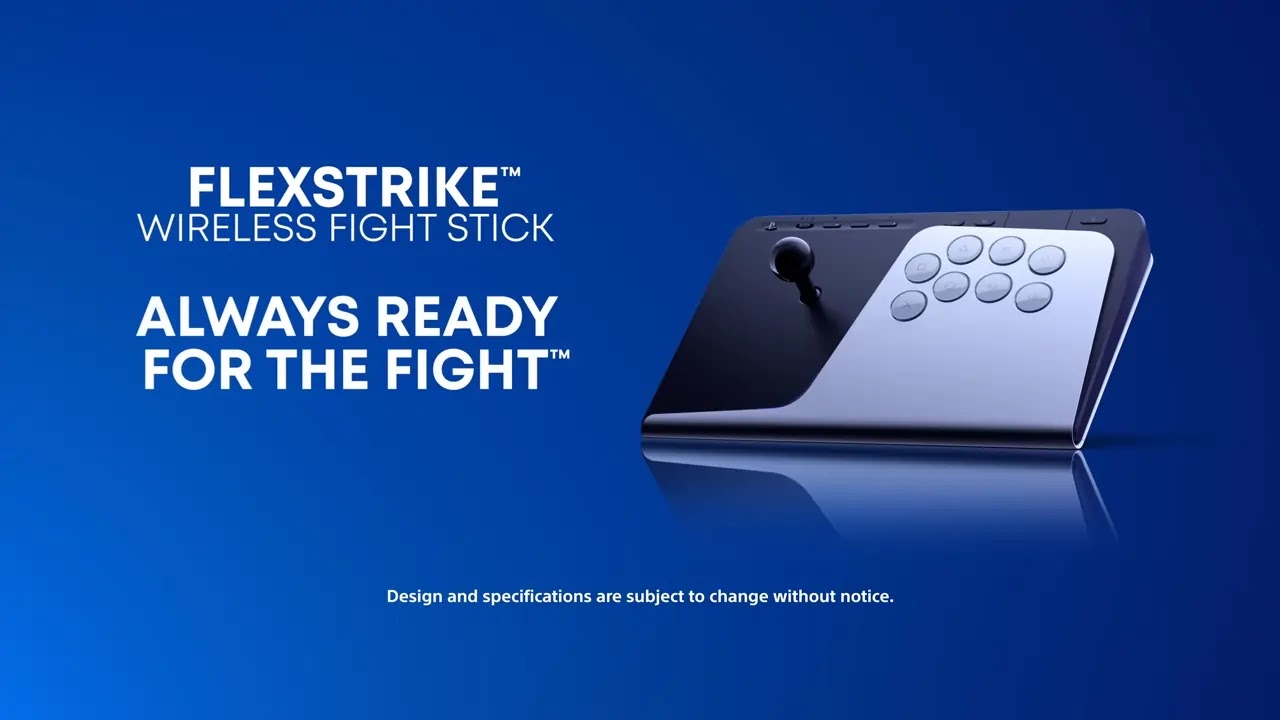
PlayStation FlexStrike Wireless Fight Stick: The Future of Competitive Fighting Games
08 Aug, 2025
The fighting game scene is about to get a serious upgrade. PlayStation has pulled back the curtain on the FlexStrike Wireless Fight Stick, its first-ever wireless arcade controller built specifically for PS5 and PC. Designed in collaboration with competitive players, this sleek piece of hardware is packed with pro-level features, portability, and customization making it just as comfortable in your home setup as it is on the tournament stage. Expected to launch in 2026, FlexStrike has already captured the attention of both casual fans and esports veterans. Performance Without Compromise At the heart of FlexStrike’s design is a focus on precision, speed, and reliability. Players can connect via PlayStation Link™ wireless for lag-free, untethered matches or opt for a USB-C wired setup for rock-solid stability in high-pressure moments. Whichever you choose, you can expect lightning-fast response times that keep your combos sharp and your execution clean. Customizable to Your Play Style FlexStrike is built to adapt to you not the other way around. It uses mechanical switch buttons for consistent, tactile feedback and comes with three tool-free swappable restrictor gates square, circle, and octagon so you can tailor your joystick feel to suit each fighting game. All of these gates, plus the included PS Link USB adapter, tuck neatly into the controller’s built-in storage, making it easy to switch setups between matches without digging through a bag of loose parts. Travel-Ready Design Portability is a major part of the FlexStrike experience. Each unit ships with a sling carry case designed to protect your stick on the go, complete with a lever gap that shields your joystick during transport. The case also has compartments for gates, cables, and accessories, so everything stays organized. And with its rechargeable built-in battery, you’re free to set up and play anywhere no outlet required. Made for the PlayStation Ecosystem FlexStrike isn’t just compatible with PS5 it’s integrated into the PlayStation ecosystem. Thanks to PlayStation Link, you can pair it with Pulse Elite or Pulse Explore headsets for crystal-clear, low-latency audio and voice chat. Even better, two FlexStrike controllers can connect to a single PS Link adapter for smooth couch battles. The stick also works alongside a DualSense controller, letting you access PS5-specific inputs like the touchpad without unplugging anything. Comfort That Lasts Through Long Sets Marathon practice sessions and all-day tournaments demand comfort, and FlexStrike delivers. Its angled ergonomic design helps reduce wrist strain, while the non-slip textured base keeps it steady during intense matches. The custom digital joystick provides precise directional control, ensuring every input counts. Key Specs at a Glance The FlexStrike Wireless Fight Stick offers dual connectivity, letting players switch effortlessly between wired and wireless play. It features swappable restrictor gates for customizable joystick response, with convenient built-in storage to keep accessories safe and accessible. The portable sling carry case protects your stick on the move, while PlayStation Link integration allows low-latency audio with compatible headsets. Dual stick support enables local versus or co-op play, and the ergonomic design with a non-slip base ensures long-lasting comfort and stability. Optimized for Today’s Biggest Fighting Games This controller is battle-ready for the most competitive titles, including: Street Fighter 6 Tekken 8 Mortal Kombat 1 Guilty Gear -Strive- Dragon Ball: Sparking! Zero Granblue Fantasy Versus: Rising See It First at Evo 2025 Fans attending Evo 2025 (August 1–3 in Las Vegas) can get hands-on time with the FlexStrike at the Fight Stick Museum and Arc System Works booths. With its official release set for 2026, this is your chance to test-drive the future of fight stick technology before it hits shelves. Final Word The PlayStation FlexStrike Wireless Fight Stick is more than just a controller it’s a precision tool built for players who demand the best. With pro-grade performance, tournament-ready portability, and customization at its core, it’s poised to become a must-have for fighting game enthusiasts everywhere. Whether you’re chasing your next tournament win or leveling up at home, FlexStrike makes sure every strike counts.

No Forza Horizon Disc? Here’s Why
14 May, 2025
PlayStation gamers, Microsoft said y’all can gladly have Forza Horizon 5… but only as digital download. One of the best racing games I have ever played is finally available on PlayStation but, there is no disc version. Let’s talk about why. Why Only Digital? Microsoft’s move to drop Forza Horizon 5 on PS5 is part of its bigger plan to bring Xbox exclusives to more players without losing control of the ecosystem. Digital only distribution gives Microsoft way more control over how the game is delivered, updated, and monetized. No physical discs means: Easier and faster updates and patches No worries about retail supply chains or packaging delays Tighter grip on licensing and resale restrictions Lower production and shipping costs It’s smart from a business perspective but yeah, not everyone’s thrilled. Why This Bums Out Physical Media Fans Physical games still have a loyal following. I’m definitely a disc lover. Who doesn’t love: Collecting their favorite titles Having a backup in case digital stores vanish The ability to resell, trade, or lend their games That, “I own this” feeling Sure, digital is convenient for some but, it just doesn’t feel the same. So far, Microsoft hasn’t said anything about plans for a disc release down the road. And considering how their ecosystem is leaning, don't hold your breath. Why Is Forza on PS5 At All? For years, Forza Horizon has been an Xbox staple, a flagship racing series with an almost cult-like following. But as Microsoft starts shifting toward a “game everywhere” model (especially after gobbling up studios left and right), the walls are coming down. Putting Forza Horizon 5 on PS5 is a major move toward that cross platform future, where Microsoft cares less about where you play, and more that you’re playing... and preferably spending. It’s also a strategic play to monetize their IP across as many devices as possible, without giving away the keys to the kingdom. Smart move. What Are Your Options? If you’re on PS5 and hyped to drift through Mexico in Forza Horizon 5, here’s what to do: Top up your digital wallet Head to the PlayStation Store Download and hit the road If you’re in Africa, you can grab your wallet top up easily from vividgold.africa Digital Wins This Round Love it or hate it, this is Microsoft dipping a toe into Sony’s pool on their terms. And if it goes well, don’t be surprised if more Xbox titles follow suit. Were you hoping for a disc version? Or are you totally fine going full digital? Let me know in the comments, and until next time stay golden!
The US Tariff's Effect on the Gaming Industry
25 Apr, 2025
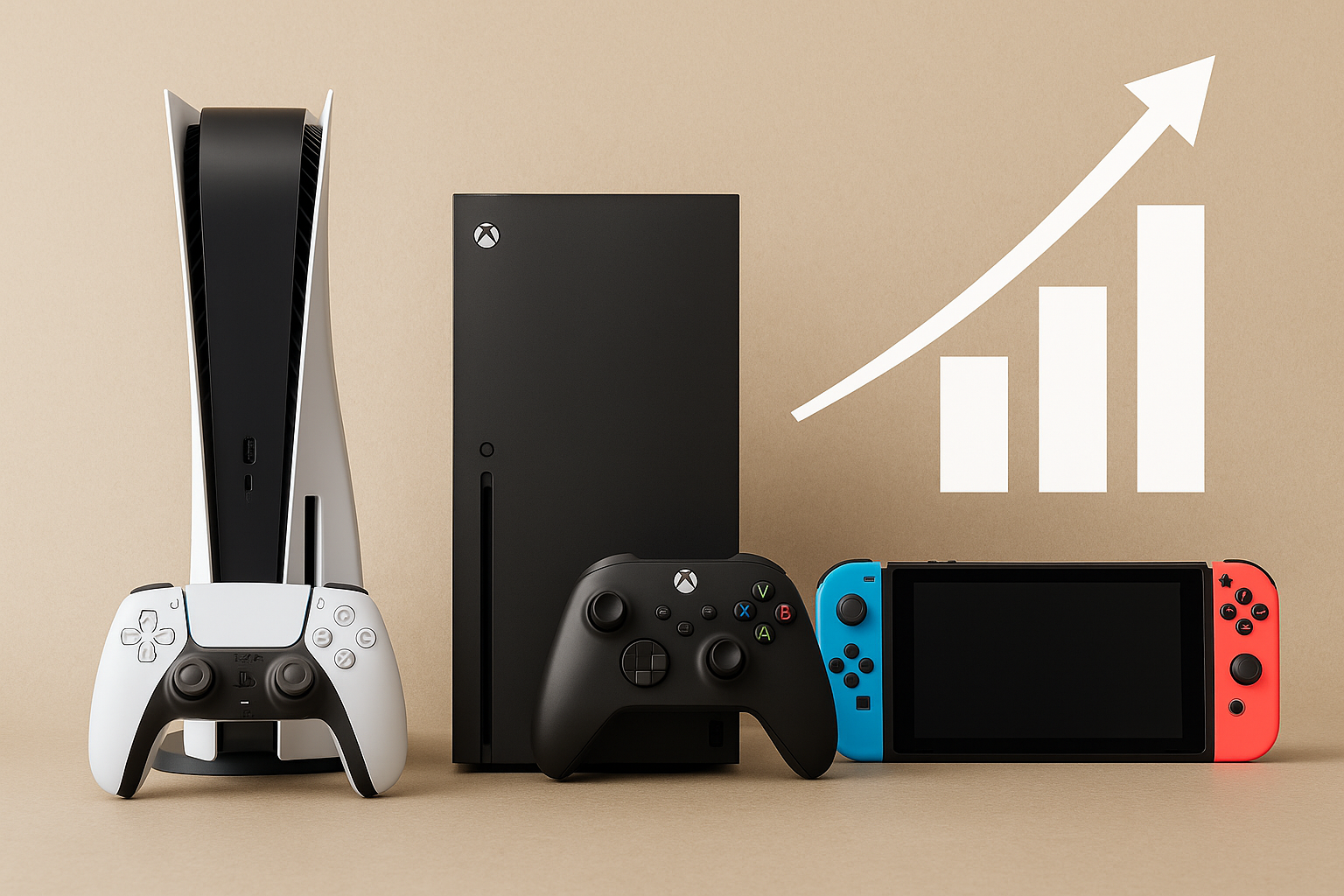
If you were planning on waiting for that sweet price drop to buy the next gen consoles or accessories, I have some terrible news for you my friend. The U.S Tariffs are here and they’re about to make our pockets hurt! So if you're thinking of getting a game console, please get one ASAP, like... now! Let me explain why. So, What’s Going On? Back in February, the US decided to impose tariffs on certain products coming from China (and various other countries) including electronics like consoles, accessories, and parts. When companies like Sony, Microsoft, and Nintendo make a console, a large portion of the parts come from China everything from the microchips inside to the plastic casing is often made overseas. The tariffs now raise the cost of importing these parts, and guess who gets to foot the bill? Yup, we do gamers! How Much Does This Really Affect Us? The question is, how much of the bill are we footing? Let’s see, experts are projecting that at base, game consoles could see a 30% hike in their price. And that's just at base… Yikes. It's not just the consoles either, the price of accessories like gaming headsets, keyboards, and mice are all going to feel the sting. Why Doesn’t the Industry Just Absorb the Cost? Well, here’s the thing: making a console isn’t cheap. Even without tariffs, companies have tight margins. So, when something like a 145% tariff is slapped on imported goods, companies either have to eat that extra cost (which eats into profits) or pass it on to consumers. *Spoiler Alert*: They almost always pass it on to us! What About Smaller Companies? Now, let’s talk about the smaller players accessory makers and indie developers. For them, tariffs can be even more of a nightmare. Many of these companies rely on affordable manufacturing overseas. If their costs go up, they either have to raise prices or sacrifice quality. And as any gamer knows, there’s only so much we’re willing to pay for a generic knockoff controller before we start searching for something that feels just right. Will It Ever Get Better? That’s the big question. There are talks about rolling back some of these tariffs, but with so many industries affected, it’s anyone’s guess when that will happen. Until then, we’ll likely continue to see higher prices on consoles, games, and accessories. Bottom Line? At the end of the day, tariffs are adding a serious cost to your gaming gear. While there’s no easy fix, one thing’s for sure your next console might cost a little more than it would’ve a few years ago… you hate to see it. How does this affect your future gaming plans?
Why Some Games Take Forever to Develop
18 Dec, 2024
Ever caught yourself wondering, “Why is GTA VI taking so long?” Well, here’s the truth: making a AAA game is HARD. Like, “Physics was easy in comparison” hard. Every tiny detail—art, coding, sound design, and more—takes years to get just right. Let’s break it down. How Long Does It Take to Make a Game? A “regular” game, like your average indie or AA title, might take two to three years to complete. But a blockbuster AAA hit like Red Dead Redemption 2? That’s a whole different beast. Rockstar spent eight years crafting that masterpiece. Think about it: Thousands of developers worked on every little detail. Weeks, maybe months, were spent perfecting things you probably ran past and never noticed. All for you to gallop through the wilderness yelling, “Yeehaw!” Why Does It Take So Long? Gamers Want Perfection: Huge open worlds. Mind-blowing graphics. Zero glitches. To meet these sky-high expectations, developers have to push the boundaries of what’s possible in gaming. This means countless hours of work, insane attention to detail, and, let’s be honest, a ton of overtime. Publishers Want $$$: Games are expensive to make. Companies need to make back their investment (and then some). A single bad release could tank a studio, so there’s no room for error. But What About Sports Games? Here’s the twist: not all games take forever. Sports franchises like FIFA and Madden pump out “new” games every year. How? Recycling. Updated roster? Copy-paste. Slightly better graphics? Easy. Add a marketing buzzword like “HyperMotion V”? Done. It’s like Think Twice—you donate your old stuff, they slap a new tag on it, and voilà, it’s “new.” (We see you, EA.) Greatness Takes Time So, the next time you’re laughing at those “We got this before GTA VI” memes, remember: true masterpieces take time. Unless it’s a sports game. Then it just takes a new star on the cover. What do you think—are long development cycles worth it, or should studios focus on faster releases? Let’s chat in the comments, and until next time, stay golden.
Can You Earn Real-World Money in GTA VI?
03 Dec, 2024
If the buzz surrounding GTA VI is true, we might be on the brink of a gaming revolution. Rumors of a trading and economy overhaul are making waves—and if Rockstar pulls this off, it could be a game-changer for both virtual and real-world economies. The Grind of GTA V Online Let’s face it: GTA V Online has been a massive success for Rockstar, but it’s also a grind-fest. Want to open a new business? Clear your weekend—or buy a shark card. Eyeing that sleek new supercar? Better call in sick to grind missions—or, you guessed it, buy a shark card. The in-game economy is frustratingly rigid. Trading between players? Practically nonexistent. Sure, it’s still a fun game (trust me, I’ve spent more hours on it than I care to admit), but the system feels more like a chore than a sandbox at times. Enter the Rumors: A Player-Driven Economy Now imagine this: a player-driven economy where you can trade, barter, and build businesses from scratch. That’s what the whispers about GTA VI suggest, and it’s got fans buzzing. Rockstar might be taking notes from fan-made GTA RP servers like FiveM or NoPixel. If you’re unfamiliar, these servers already let players take on roles as cops, medics, black-market dealers—even fast-food workers. Yes, there are players out there flipping virtual burgers and loving every second of it. Here’s the kicker: what if these roles came with actual paychecks? Imagine earning in-game money as a medic or setting up a booming virtual empire without grinding through repetitive missions. A dynamic, living economy would make GTA VI feel alive, creating opportunities for players to make meaningful contributions to the game world while having fun. Could Virtual Jobs Pay IRL Cash? Now for the wild part: rumors of blockchain integration. What if Rockstar takes things a step further and ties some in-game assets to real-world value? Picture this: Virtual cars backed by cryptocurrency. Real estate sold as NFTs. Businesses in GTA VI generating income that could be converted into actual money. It sounds futuristic—and let’s be honest, a little risky—but the possibilities are mind-blowing. Imagine logging into GTA VI to earn more money as a virtual cop than an actual police officer. In some places (cough Kenya cough), this could genuinely be the case. Challenges and Risks Of course, there are hurdles to making this vision a reality: Balancing the EconomyIf virtual assets start holding real-world value, it could lead to inflation, exploitation, or pay-to-win scenarios. Rockstar would need to manage this carefully to keep the game fair and fun. Blockchain ControversyWhile blockchain integration offers exciting potential, it’s still a divisive topic. Not everyone is on board with crypto or NFTs, and Rockstar would need to navigate the backlash if they choose this path. Player AccessibilityA system tied to real-world money might alienate casual players or those without access to certain financial tools. Keeping the game inclusive will be key. What We Hope to See So Rockstar, if you guys are listening, here’s what we want: Freedom: Let us create and trade freely within the game’s economy. Fairness: No more pay-to-win. A balanced system that rewards effort and creativity is essential. A Virtual Minimum Wage: If we’re putting in time as virtual medics or burger flippers, give us something meaningful in return. The Future of Gaming? Whether these rumors turn out to be true or not, the mere possibility of GTA VI blurring the lines between virtual and real-world economies is exciting—and a little terrifying. This could redefine how we think about gaming, work, and money in a digital age. But for now, all we can do is wait, speculate, and dream about a future where our in-game grind finally pays off—literally. Your Turn What do you think? Would you dive into a player-driven GTA VI economy? Are you hyped—or skeptical—about the idea of earning real-world money in a game? Let’s hash it out in the comments. Until next time, stay golden!
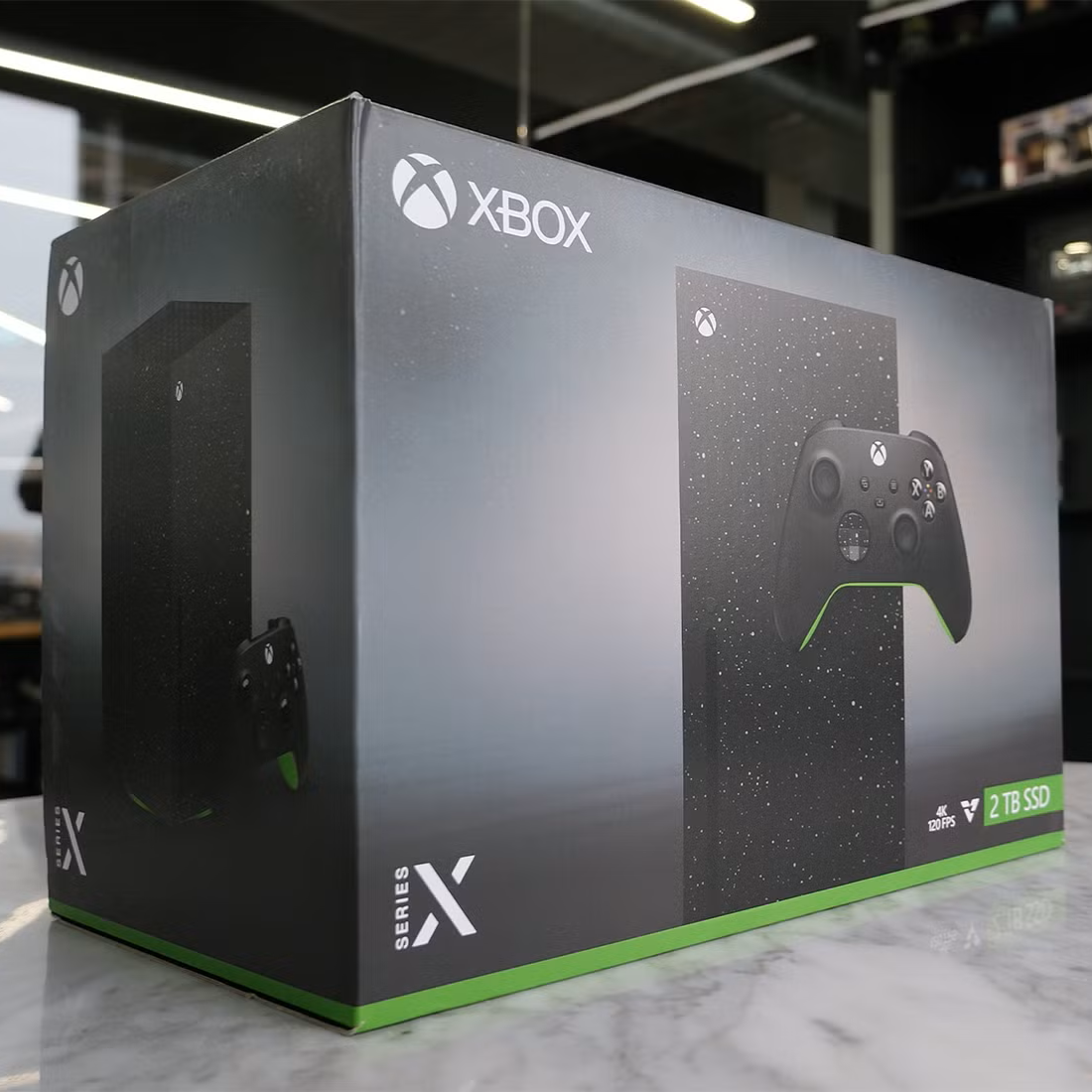
Is The New 2TB Xbox Series X Worth the Upgrade?
28 Nov, 2024
A new contender has entered the console arena: the 2TB Xbox Series X, now boasting more storage, energy efficiency, and a sleek new look. But the question remains—should you buy it? Let’s break it down and see if this upgrade is worth your hard-earned cash. What’s New? Double the Storage The star of the show is the 2TB of internal storage, doubling the capacity of the standard Series X. Pair it with the (admittedly overpriced) 2TB expansion card, and you’re looking at a whopping 4TB of storage—enough space to hold almost 30 “normal-sized” games. That’s double the approximately 15 games you can fit on the original model. For gamers drowning in digital downloads, this extra space could be a game-changer. No more agonizing over which game to delete to make room for the next big title. Energy Efficiency Here’s a surprising twist: this Xbox is 15% more energy-efficient, outperforming even the smaller, digital-only Series S. Sure, it might only shave off a couple hundred shillings from your power bill each month, but with rising costs, every little bit helps. And for the eco-conscious crowd, there’s more good news. The Galaxy Edition packaging is significantly smaller, reducing its carbon footprint. Small wins, but wins nonetheless. Aesthetic Upgrade This isn’t just a console; it’s a vibe. The jet-black design with subtle green accents and starry details is easily one of the most attractive consoles Xbox has released. The included Galaxy Black controller is a stunner, too, with its sleek black design and a unique green grip on the back. It’s stylish, functional, and... still running on AA batteries. Yes, in 2024, Xbox remains committed to the battery life debate. How Does It Compare? Vs. Standard Series X If storage is your main pain point, the 2TB model is worth considering. It’s essentially the same powerhouse console with extra room for your growing library. Vs. PS5 Pro The 2TB Series X undercuts the PS5 Pro in price, making it a more budget-friendly option for next-gen gaming. However, if raw power and performance are your top priorities, the PS5 Pro might still have the edge. Is It Worth It? The 2TB Xbox Series X is ideal for: Digital game collectors tired of deleting titles to make space. Eco-conscious gamers who appreciate small steps toward sustainability. Fans of sleek design who can’t resist that Galaxy Black finish. However, if you’re happy with your standard Series X or prefer spending less, the original model still holds up as one of the best consoles on the market. And for those seeking a small performance boost beyond storage, the PS5 Pro might be calling your name. The 2TB Xbox Series X offers a practical upgrade for gamers who crave more storage and love a polished design. It’s not a must-buy for everyone, but for the right player, it’s a stellar addition to the Xbox lineup. So, what do you think? Is the extra space worth the splurge, or are you holding out for something else? Let’s chat in the comments. And as always, stay golden!

The Art of Gaming Trickery: Hidden Loading Screens
28 Nov, 2024
Welcome to the era of near-instant gaming, where loading screens are supposedly a thing of the past—or are they? While the PS5 Pro and similar tech promise seamless gameplay, developers have found clever ways to hide the process of loading without breaking immersion. Let’s uncover the genius behind these hidden loading screens that trick us into thinking the action never stops. Shimmying Through Tight Spaces Ever noticed how many games make you squeeze through a crack in the wall or crawl under debris? It’s not just for dramatic tension—it’s a cleverly disguised loading screen. Take God of War or Star Wars Jedi: Fallen Order. These “tight-space crawls” serve a dual purpose: keeping you engaged while the game quietly loads the next area in the background. Instead of staring at a progress bar, you’re still moving forward in the story, unaware of the technical wizardry happening behind the scenes. It’s a win-win. You feel immersed, and the game gets the time it needs to prepare the next set piece. Genius, right? The Elevator Ride Trick Ah, elevators—the unsung heroes of gaming trickery. If you played the original Mass Effect, you’ll remember those long elevator rides between levels. Guess what? That was a glorified loading screen. Modern games like Resident Evil 4 have elevated (pun intended) this technique, turning elevator rides into smooth transitions between areas. Sometimes, developers even throw in a bit of dialogue or ambient sound to keep you distracted while the game loads the next level. By keeping your hands on the controls, they make you feel like you’re still in the action, even when the game is catching up. Cutscenes and Set Pieces Sometimes, the best way to hide a loading screen is in plain sight. Cutscenes and scripted moments, like Nathan Drake scaling a cliff in Uncharted or narrowly escaping a collapsing building, aren’t just there to wow you—they’re multitasking. During these high-intensity sequences, the game is busy loading textures, assets, and environments for what’s coming next. It’s like a magician distracting you with one hand while pulling off a trick with the other. These sleight-of-hand techniques are more than just technical feats; they’re a testament to how far game design has come. Developers know immersion is key, and by blending gameplay with loading mechanics, they ensure you stay in the moment, even during a “loading screen.” So, the next time you’re shimmying through a crack in the wall or riding an elevator, take a moment to appreciate the invisible magic at work. The game is doing a lot more behind the scenes than meets the eye. What’s your favorite hidden loading screen trick? Let’s talk about it in the comments, and until next time, stay golden!

The Best Place to Play GTA 6
28 Oct, 2024
As the launch of GTA 6 inches closer, the PS5 Pro is being hyped as THE console for the job. But does it really live up to that? With the 2TB Xbox Series X on the horizon, PlayStation may face stiff competition. Here’s a closer look at what each console has to offer and whether the PS5 Pro truly deserves its GTA 6 crown.PerformanceThe PS5 Pro is billed as a performance boost over the base PS5, but in practice, the differences might be subtler than you’d expect. Sony’s showcase (which you can catch on YouTube) highlighted the new console’s enhancements, but seeing a significant difference from the original PS5 requires a keen eye. The Series X is already more powerful than the regular PS5, so while the Pro could eke out a few more frames, don’t expect it to be a game-changer. Both consoles will deliver GTA 6 in stunning 4K, making every high-speed chase and car explosion look great regardless of your pick.Storage CapacityIf there’s one thing we know, it’s that GTA 6 will be massive. And while the base PS5’s 1TB might seem adequate, that’s before factoring in that GTA 6 alone could eat up a significant portion of it. Enter the PS5 Pro and the Xbox Series X, each with a roomy 2TB. This extra space is a game-saver if you’re juggling multiple games in your library. Xbox has a slight advantage here, as it’s also known for better storage flexibility—ideal for anyone who’s serious about keeping a larger game collection.Price and Physical MediaWhen it comes to price, the PS5 Pro is set to cost over $100 more than the 2TB Xbox Series X. For fans who like owning physical games, the PS5 Pro adds another catch: it’s digital-only. That means an extra cost if you want an external disc drive and another fee for a stand. Meanwhile, the Xbox Series X comes with its built-in drive, offering a more affordable and versatile option. While the PS5 Pro’s “new and improved” branding might make it sound like the ultimate GTA 6 console, the Xbox Series X has plenty to say in that arena too. Which one are you going for?