![Vivid Gold - Video Game Outlet [KE]](http://vividgold.co.ke/cdn/shop/files/vivid_gold_Inverted_Color_Transparent_bg_1.svg?v=1776417429)


Recent Articles


Xbox Isn't Dead: How New Leadership Just Silenced the Critics
13 Jun 2026
Why Most PC Gamers Are Choosing 1440p Over 4K
26 May 2026
Beyond Call of Duty: Discover the Best Offline Modded Shooters
10 Feb, 2026
For a generation, the Call of Duty formula linear missions, cinematic set-pieces, and constant forward momentum defined the shooter campaign. But this design came at a cost: a focus on spectacle over systems, and consumption over player agency. A thriving, passionate underground never accepted this as the peak. In the world of PC modding, shooters evolved differently. Freed from the constraints of mass-market appeal, modders have created profound, challenging, and deeply replayable experiences that cater to specific, demanding playstyles. If you crave more than just another thrill ride, these are the best offline modded shooters, categorized by the experience they deliver. 1. For Immersive Worlds: The Half-Life Legacy (Story & World-Building) If your ideal shooter is one where the world is the main character, the Half-Life modding scene remains unparalleled. The Foundation: The original Half-Life and its masterpiece remake, Black Mesa, are masterclasses in environmental storytelling and immersive sim-lite design. The Modded Evolution: Mods like Cry of Fear (a standalone horror masterpiece), Azure Sheep, or They Hunger don't just add levels; they recontextualize the entire experience. They prioritize atmosphere, deliberate pacing, and environmental puzzles over sheer firepower. The Philosophy: These mods operate on a key assumption: the player wants to exist in the world, to uncover its secrets and feel its history, not just sprint to the next checkpoint. They offer a slow-burn, offline narrative depth that most modern shooters have abandoned in favor of relentless pacing. 2. For Systemic Freedom: The STALKER-verse (Open-World RPG Shooters) This is where the modding community has achieved something revolutionary. The S.T.A.L.K.E.R.series, already a cult classic for its bleak, atmospheric "Zone," has been transformed by mods into the ultimate systemic survival-shooter RPG. The Mods: S.T.A.L.K.E.R. Anomaly (and its ultra-refined cousin, GAMMA) are free, standalone overhauls. They are not mere graphical upgrades; they are complete philosophical redesigns. The Depth: These mods introduce deep survival mechanics: weapon degradation that demands constant maintenance, a detailed medical system for treating specific injuries, a hunger/thirst/sleep cycle, and an AI-driven world that operates entirely independently of the player. The Appeal: This is the antithesis of a hand-holding power fantasy. The Zone is indifferent, brutal, and rewarding only to the prepared. It's for players who want their shooter to be a test of adaptation and knowledge, where success comes from understanding complex systems, not just having good aim. 3. For Pure Mechanical Mastery: The DOOM Eternal Playground (Fast Movement & Arena Combat) If your satisfaction comes from flawless execution, perfect movement, and mastering a combat ballet, modern DOOM (2016 and Eternal) provides a near-perfect sandbox—and the modding community sharpens it to a razor's edge. The Foundation: DOOM Eternal is already a peerless masterpiece of combat design, built on a "push-forward" loop of aggression, resource management, and movement. The Modded Challenge: Mods like the Horde Mode mod, custom master levels, and difficulty overhauls (e.g., The Ancient Gods Part 3 - Reimagined) remove any remaining safety nets. They demand absolute precision, weapon switching, and situational awareness. The Philosophy: These mods challenge the modern axiom that "accessible" equals "better." They argue that true depth and satisfaction come from a skill ceiling that is miles high. It's a pure, offline test of reflexes and tactical execution that feels more like a competitive sport than a casual story. 4. For Structured Narrative: The Immersive Sim Revival (Mission-Driven Stories) For players who want a curated, mission-based experience with strong narratives and meaningful choices, the legacy of immersive sims lives on through mods. The Foundation: Games like System Shock 2, Deus Ex, and Thief: The Dark Project. The Modded Legacy: These communities have produced staggering amounts of fan-made campaigns and missions for decades. The System Shock 2 community patch and mods like The Dark Mod (for Thief-style gameplay) offer entirely new, professionally crafted stories that rival the originals in atmosphere and clever design. The Philosophy: This style proves that a powerful narrative emerges from player choice and environmental discovery, not just pre-rendered cutscenes. These mods offer replayable, intellectually engaging campaigns where your approach (stealth, combat, hacking) genuinely shapes the outcome, providing a narrative depth most scripted shooters can't match. Conclusion: The Underground That Refuses to Compromise The world of offline modded shooters isn't a nostalgia trip. It's a thriving alternate timeline for the genre—one where depth, challenge, and player agency were never sacrificed at the altar of accessibility and cinematic presentation. These experiences answer a simple question: What do you want from a shooter? A world to get lost in? Play a Half-Life mod. A harsh system to survive? Boot up STALKER GAMMA. A skill-based arena to master? Mod your DOOM Eternal. A clever story to outthink? Revisit System Shock 2 with new campaigns. They don't ask for permission from trend charts. They offer a simple trade: meet them on their terms of complexity and freedom, and they will reward you with some of the most memorable and personalized shooter experiences possible. Which modded shooter philosophy speaks to you? Are you a systems survivalist, an arena master, or an immersive storyteller?

The Ethics of Loot Boxes: Gambling, Gameplay, or Psychological Manipulation?
31 Jan, 2026
Few topics in modern gaming are as contentious as the loot box. To players, they can be a thrilling source of rare cosmetics. To critics and regulators, they are a predatory form of gambling disguised as a game mechanic. This debate sits at the uncomfortable intersection of psychology, ethics, and business. Are loot boxes a harmless reward system or a sophisticated exploitation of human behavior? Let's dissect the arguments from both sides and examine the manipulative design at the core of this billion-dollar feature. The Publisher's Defense: "Surprise Mechanics" Game publishers and platform holders often frame loot boxes within a carefully constructed narrative: The Argument: Loot boxes are presented as "optional," "fun surprises," or "collectibles." They argue that players are never forced to buy them, odds are disclosed (often due to legal pressure), and the rewards are purely digital with no real-world monetary value. The Language: Using terms like "surprise mechanics" (coined by an EA executive) intentionally distances the system from words like "gambling" or "betting." The Business Reality: This defense protects a lucrative revenue stream. By framing them as benign gameplay, publishers avoid the heavy legal restrictions, age ratings, and public stigma associated with gambling. The Counterargument: Gambling in Plain Sight Critics, psychologists, and a growing number of regulators see past the branding to the core mechanics, which mirror established gambling systems: The Random Reward Schedule: Like a slot machine, loot boxes operate on a Variable Ratio Reinforcement Schedule, the most addictive form of reward. Players don't know which pull will yield the rare item, compelling repeated spending. The Psychological Triggers: The use of near-misses (two rare items and one common), celebratory audiovisual feedback (explosions, light shows), and the sunk cost fallacy ("I've spent this much, I have to keep going") are directly lifted from casino design. The Target Audience: Many games featuring loot boxes are rated for teenagers (E, PEGI 12/16), exposing developing brains to these addictive loops. The legal definition of gambling may hinge on "real-world value," but the neurological impact is similar. The Core Issue: Engineered Compulsion The debate often gets stuck on the legal definition of gambling. The more profound ethical issue is intentional psychological manipulation. Designing for Exploitation: Game developers employ behavioral psychologists to fine-tune these systems. Every animation delay, every sound effect, and the visual hierarchy of the storefront is optimized to trigger dopamine and bypass rational decision-making. Blurring the Lines: Loot boxes are often integrated into progression systems. A player might hit a difficult wall, and the game subtly suggests a loot box could contain the item needed to advance. This merges pay-to-progress with gambling mechanics. The Ethical Line: Even if a loophole prevents them from being classified as gambling legally, the intent—to create compulsive spending habits—raises serious ethical questions about the duty of care publishers have toward their players, especially minors. Regulation & the Industry's Pivot Public and governmental backlash has forced change, proving this isn't an unstoppable trend. Government Intervention: Countries like Belgium and the Netherlands have outright banned loot boxes that constitute gambling. Regulators worldwide, including in the UK and the USA, continue to investigate. Rating Board Warnings: The ESRB and PEGI now mandate "In-Game Purchases (Includes Random Items)" labels, a direct response to the controversy. The Industry Shift: The backlash has accelerated a move toward battle passes and direct purchase shops (e.g., Fortnite, Valorant). These models are often seen as more ethical because they offer predictable, transparent rewards for a set price, though they still employ FOMO (Fear Of Missing Out) tactics. Conclusion: A Tightrope Walk with No Net So, are loot boxes gambling or gameplay? The uncomfortable answer is: They are a hybrid designed to function like gambling while avoiding its legal classification. The ethical crisis isn't about a simple label. It's about an industry standard that: Systematically employs addictive psychological tactics. Is often deployed in games accessible to minors. Prioritizes monetization efficiency over player well-being. The shift toward battle passes shows the model can evolve. However, the core tension remains: as long as unpredictable monetization is vastly more profitable than transparent alternatives, the incentive to design for compulsion will exist. The ultimate question isn't for publishers or regulators, it's for players: At what point does a "gameplay mechanic" become an unacceptable manipulation? Where do you stand? Are loot boxes a fair part of modern gaming, or have they crossed an ethical line?

The Biggest Video Game Disappointments of 2025: Ambition vs Execution.
30 Dec, 2025
2025 promised to be a landmark year for gaming, powered by mature new hardware and studios with decades of experience. Yet, for many players, the year is defined not by triumphs, but by a pervasive sense of missed potential. The biggest letdowns weren't outright failures; they were polished, functional games that felt hollow, safe, or simply failed to meet the towering expectations set for them. Let's examine the patterns that defined gaming's disappointments in 2025. 1. Franchise Fatigue: When "More of the Same" Isn't Enough The year's poster child for this sentiment was Call of Duty: Black Ops 7. On paper, it delivered everything the franchise is known for: a bombastic campaign, tight multiplayer, and a deep Zombies mode. The Disappointment: Beneath the gloss, it felt creatively bankrupt. The always-online single-player requirement, reliance on AI-generated assets, and a mission design that prioritized cinematic set-pieces over player agency made it feel like a product engineered for efficiency, not passion. The Lesson: It solidified a growing fear: the industry's biggest franchises are becoming risk-averse. In 2025, players craved evolution, and "predictable" became synonymous with "disappointing." 2. Prestige Studios Playing It Safe Some disappointments stung more because of the pedigree behind them. These were games from beloved developers that chose caution over boldness. Avowed (Obsidian Entertainment): From the studio behind Fallout: New Vegas and The Outer Worlds, expectations were for a deep, choice-driven RPG that would push the genre forward. Instead, players got a competently made but surprisingly restrained and linear fantasy adventure. It was good, but in the shadow of its developer's legacy, "good" felt like a step back. Assassin's Creed Shadows: After years of fans clamoring for a Feudal Japan setting, the final product felt like a reskin of familiar Assassin's Creed mechanics rather than the revolutionary reinvention the setting demanded. It was more of the Ubisoft formula in a beautiful new costume. 3. Technical Issues That Derailed Great Games For some titles, the core design was strong, but catastrophic technical execution poisoned the well. Monster Hunter Wilds: At its heart, the game delivered the epic scale and thrilling hunt loop the series is famous for. However, a notoriously poor PC port—plagued by stuttering, memory leaks, and inconsistent performance—dominated the conversation. Players were fighting frame rates instead of monsters, and even a masterpiece of gameplay design can't recover from that first impression. 4. Ambition Without Substance A new breed of disappointment emerged from games that promised vast, interconnected worlds and cinematic grandeur but forgot to make the moment-to-moment experience compelling. MindsEye & FBC: Firebreak: These titles showcased stunning worlds and high-concept "shared universe" ideas but were criticized for shallow gameplay loops, repetitive objectives, and narratives that prioritized mystery over satisfying payoff. They highlighted an industry trend of chasing scale and spectacle before mastering the fundamentals of fun. The Real Disappointment of 2025: A Widening Gap The overarching theme of 2025 wasn't a single bad game. It was a pattern of misalignment. Studios prioritized safety, live-service potential, and technical scale. Players craved innovation, meaningful depth, and polished execution. The biggest disappointment was this growing gap. As we move into 2026, the question isn't whether studios can make bigger games, but whether they can recapture the courage and focus to make better ones. Which 2025 game let you down the most, and why?

Battlefield 6 vs Black Ops 7: The Ultimate 2025 Showdown
27 Nov, 2025
The biggest head-to-head battle in the FPS genre is here. Battlefield 6 and Call of Duty: Black Ops 7 launched within weeks of each other, and the gaming world is split. While critics scored them similarly, the community reaction tells a completely different story. So, which game deserves your time and money? We're breaking down the review scores, core gameplay, and the raging online debate to help you decide. The Scoreboard: A Tale of Two Reactions The critical and user scores reveal a fascinating divide in how these games have been received. Metric Battlefield 6 Call of Duty: Black Ops 7 Metacritic (Critics) 83 84 OpenCritic 83 76 User Score ~6.7 / 10 ~1.6 / 10 What This Means: Critics see two polished, high-quality shooters that are each excellent in their own right. Players have delivered a brutal verdict on Black Ops 7, largely due to a controversial sci-fi co-op campaign, the use of AI-generated assets, and design choices that long-time fans feel stray too far from the classic Call of Duty formula. Battlefield 6, while not setting the world on fire, has faced nowhere near the same level of backlash. Core Gameplay: Chaos vs. Scale This is the real deciding factor. The two games offer fundamentally different experiences. Call of Duty: Black Ops 7 Pace: High-speed, reflex-driven action. Maps: Tight, 6v6 layouts designed for constant engagement. Movement: Fluid, with verticality, wall-jumping, and sliding. Focus: Aggressive, run-and-gun gameplay that rewards fast reactions. Battlefield 6 Pace: Slower, more tactical, and strategic. Maps: Vast, open environments designed for large-scale warfare. Gameplay: Focuses on vehicle combat, class-based teamwork, and dynamic environmental destruction that shapes the battlefield. Focus: A cinematic, combined-arms war experience. Campaign & Key Modes The single-player and supplemental content further highlight their different approaches. Black Ops 7 Campaign: Took a major risk with a sci-fi, co-op focused narrative and a replayable "Endgame" loop. This innovation backfired with a significant portion of the fanbase, leading to the low user scores. Battlefield 6 Campaign: Played it safe with a familiar, grounded military story. It was criticized for being unoriginal, but it didn't generate the same level of player anger. Key Modes: Black Ops 7's Strength: Zombies. This mode remains a powerhouse, offering deep PvE content and variety that fans adore. Battlefield 6's Strength: Portal. This game's secret weapon is its creative sandbox mode, allowing players to create and play custom game modes, ensuring nearly infinite replayability through community content. The Verdict: Which FPS Is For You? Your choice ultimately depends on what you want from a shooter. You Should Choose CALL OF DUTY: BLACK OPS 7 if you love: Fast-paced, adrenaline-fueled multiplayer. Tight, competitive gunplay that tests your reflexes. High-mobility movement (wall-running, sliding). A deep and rewarding Zombies PvE experience. You Should Choose BATTLEFIELD 6 if you prefer: Large-scale, tactical battles with a focus on teamwork. Vehicle warfare (tanks, helicopters, etc.) mixed with infantry combat. Dynamic environments where destruction is a key strategic tool. A platform for creativity and variety via the Portal mode. While critics see them as equals, the player community currently trusts Battlefield 6 more at launch. However, both games are live-service titles, and their futures will be shaped by post-launch support and updates.
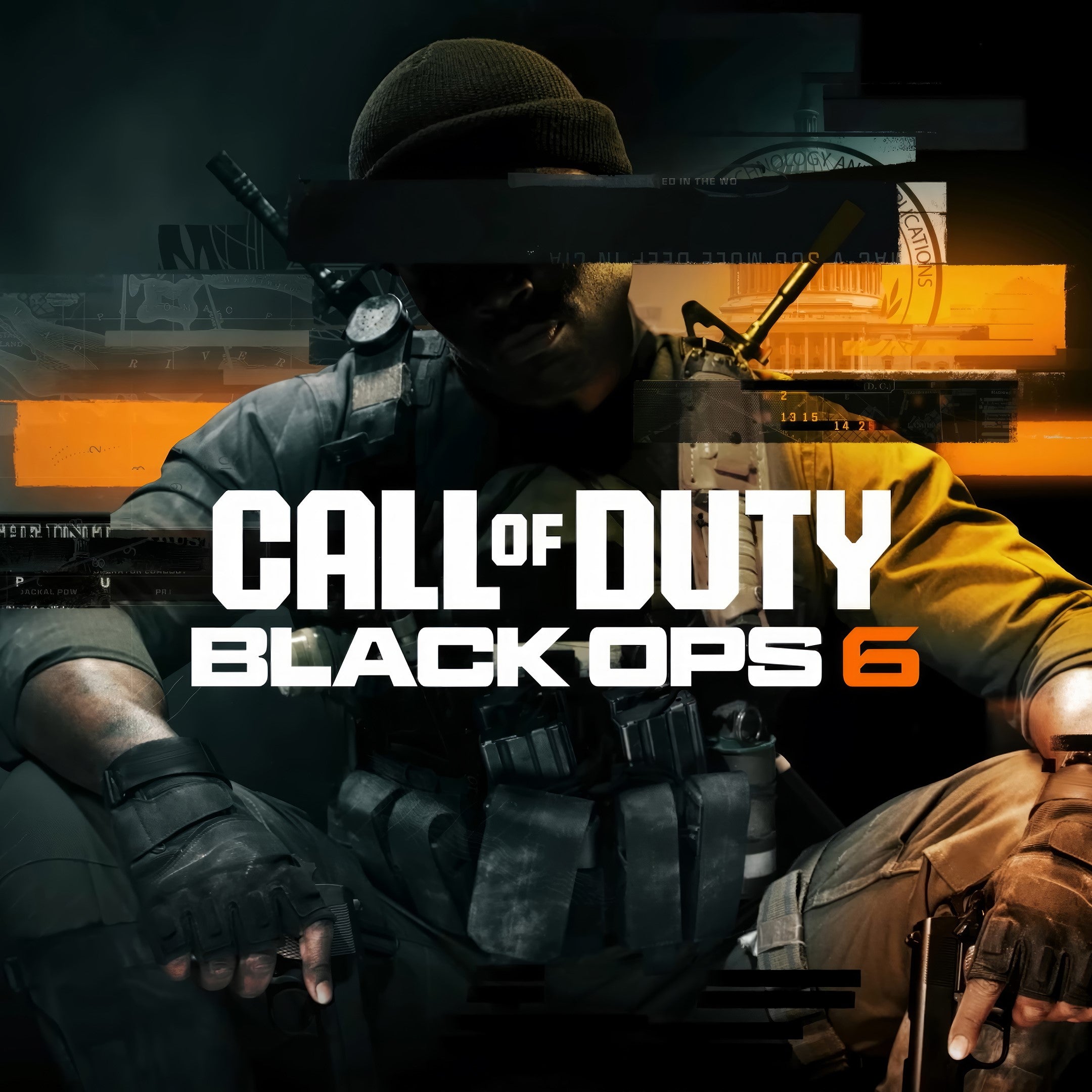
Call of Duty: Black Ops 6 Review
03 Dec, 2024
It’s been a month since Call of Duty: Black Ops 6 hit the shelves, and by now, the dust from the Desert Storm-inspired battlefields has settled. If you haven’t checked it out yet, here’s everything you need to know about the latest installment in this iconic series. The Campaign: Tactical Freedom Meets ‘90s Nostalgia Set in 1991 during the Desert Storm era, Black Ops 6 drops you into the boots of an international squad tackling a shadowy threat. From the sun-scorched deserts of Iraq to glitzy political galas, the campaign is a global thrill ride. What really stands out is the mission design. Open-ended objectives let you choose how to approach each challenge—whether that’s creeping through enemy lines in stealth mode or going full Rambo with an all-out assault. The freedom to play your way adds depth and replayability to the campaign. Visually, it’s stunning. The detailed environments and cinematic lighting make every mission feel like a blockbuster movie. And the orchestral soundtrack? Chef’s kiss. It perfectly complements the drama and tension of each moment. That said, the enemy AI can feel a bit, well, predictable. Even on normal difficulty, the challenge isn’t exactly nail-biting. My advice? Crank it up to hard mode for a more engaging experience. Multiplayer: Speed, Strategy, and Hilarious Chaos Multiplayer in Black Ops 6 takes everything you know and love from previous titles and cranks it up a notch. The new omnimovement system steals the show, allowing for high-speed sprints and dives in any direction. It’s fluid, fast, and downright exhilarating, giving combat a new layer of unpredictability. Then there’s the new Kill Order mode, a wild game of cat and mouse where one player becomes a high-value target with extra health and visibility on the map. It’s chaotic, it’s strategic, and it’s so much fun. It’s the kind of mode where teamwork, quick thinking, and a little bit of luck can turn the tide of a match. And let’s talk about the memes. The new hostage mechanic has become a viral sensation on social media, with players pulling off hilarious (and occasionally disastrous) hostage extractions. It’s unintentional comedy at its finest, and it adds a lighthearted twist to the intensity of multiplayer. Zombies: Nostalgia with a Twist If you’re a Zombies fan, you’re in for a treat. Black Ops 6 delivers the classic, round-based gameplay we all know and love, but with some exciting new layers. The maps are expansive, encouraging exploration and experimentation. New mechanics like environmental traps and resource crafting keep things fresh, while the relentless waves of the undead ensure the adrenaline never stops. It’s not a revolutionary leap forward for the Zombies mode, but it’s polished, satisfying, and addictive. For many players, this mode alone is worth the price of admission. Should You Buy It? If you’ve enjoyed any Call of Duty title in the past five years, Black Ops 6 feels like a natural evolution. It’s faster, smarter, and more dynamic, with plenty of content to keep you coming back. For those who’ve drifted away from the series (myself included, lol), this is the perfect time to return. The campaign’s tactical freedom, the chaotic brilliance of multiplayer, and the nostalgic fun of Zombies make it a solid entry point for both veterans and newcomers. Still undecided? With Black Ops 6 available on Game Pass, you can test the waters with a one-month subscription before committing to a full purchase. Your Turn How’s your experience been with Black Ops 6 so far? Are you vibing with the campaign, wreaking havoc in multiplayer, or braving the zombie apocalypse? Drop your thoughts in the comments, and let’s talk about it. Until next time, stay golden!