![Vivid Gold - Video Game Outlet [KE]](http://vividgold.co.ke/cdn/shop/files/vivid_gold_Inverted_Color_Transparent_bg_1.svg?v=1776417429)


Recent Articles


Xbox Isn't Dead: How New Leadership Just Silenced the Critics
13 Jun 2026
Why Most PC Gamers Are Choosing 1440p Over 4K
26 May 2026Best TCL TVs for Gaming in 2026: Find Your Perfect Match
22 Jun, 2026
Not everyone wants to game on a small monitor. If you're a console gamer who prefers a big-screen experience, choosing the right TV matters just as much as choosing the right console. TCL has built a reputation for delivering premium gaming features at more accessible price points, and their 2026 lineup continues that tradition. Here are the best TCL TVs for gaming in 2026 from the flagship to the value sweet spot. TCL C8L: The Flagship Gaming TV If budget isn't your primary concern, the TCL C8L (also known as the QM8L in the US) is arguably TCL's strongest gaming TV in 2026 . It's designed for players who want uncompromising picture quality and top-tier gaming features. Key Gaming Specifications: Display: 4K SQD-Mini LED panel with WHVA 2.0 Ultra technology Refresh Rate: Native 144Hz, with VRR support Local Dimming: Up to 4,032 zones on the 98-inch model; 1,008 zones on the 55-inch model Peak Brightness: Up to 6,000 nits on larger models, 3,000 nits on 55-inch Gaming Features: AMD FreeSync, Game Master mode, HDMI 2.1 ports Color Coverage: 100% BT.2020 color gamut HDR Support: Dolby Vision IQ, HDR10+, HLG Audio: 2.2-channel system tuned by Bang & Olufsen with Dolby Atmos and DTS support What It Delivers: The C8L pushes Mini LED technology to its limits. The massive number of local dimming zones combined with extreme peak brightness means HDR content whether games or movies looks stunning with incredible contrast. For competitive gamers, the 144Hz native refresh rate and VRR support ensure smooth, tear-free gameplay. Perfect For: Enthusiasts who want the absolute best picture quality and are willing to pay for flagship performance. TCL C7L: The Value Sweet Spot Not everyone needs the flagship. The TCL C7L offers many of the same premium gaming features at a lower price point, making it arguably the best value gaming TV in TCL's 2026 lineup . Key Gaming Specifications: Display: 4K SQD-Mini LED panel with HVA 2.0 Pro technology Refresh Rate: Native 144Hz, VRR up to 288Hz via Game Accelerator Local Dimming: 800 zones (55-inch) up to 2,176 zones (98-inch) Peak Brightness: Up to 3,000 nits on larger models Gaming Features: AMD FreeSync Premium Pro, Game Master mode with Game Bar UI, HDMI 2.1 ports Color Coverage: 100% BT.2020 color gamut HDR Support: Dolby Vision, HDR10+, HLG Audio: 2.2-channel system tuned by Bang & Olufsen with Dolby Atmos What It Delivers: The C7L delivers the same 144Hz native refresh rate as the flagship C8L, with VRR that can push to 288Hz in compatible scenarios. The 3,000-nit peak brightness (on 65-inch and larger models) is still exceptional for HDR gaming, and the local dimming zones are more than adequate for deep blacks and precise backlight control . TCL's Game Master mode gives you quick access to gaming settings like low latency, shadow enhancement, and on-screen crosshairs. Perfect For: Most PS5 and Xbox Series X gamers who want premium gaming features without paying flagship prices. What to Look for in a Gaming TV Don't buy a TV just because the box says "Gaming." Instead, look for these essential features they make a bigger difference than most picture settings: Feature Why It Matters HDMI 2.1 Required for 4K at 120Hz+; essential for PS5 and Xbox Series X 120Hz or 144Hz Native Refresh Rate Ensures smooth motion during fast-paced gameplay VRR (Variable Refresh Rate) Eliminates screen tearing; TCL's Game Accelerator pushes to 288Hz ALLM (Auto Low Latency Mode) Automatically switches to game-optimized settings Low Input Lag Critical for responsive competitive play Game Master / Game Bar Quick access to gaming settings and visual aids The Verdict: Which TCL Should You Choose? If You Want... Choose... The absolute best picture quality and brightness TCL C8L Premium gaming features at a better price TCL C7L HDMI 2.1, high refresh rate, and VRR Both C8L and C7L deliver A future-proof TV for PS5 and Xbox Both are HDMI 2.1 ready and optimized for current-gen consoles A great console deserves a great display. Because no matter how powerful your gaming hardware is, you'll only enjoy it as much as the screen you're playing on.
Xbox Isn't Dead: How New Leadership Just Silenced the Critics
13 Jun, 2026
For the last few years, people kept saying the same thing: "Xbox is finished.""Xbox has no exclusives.""Xbox has lost the console war." But after the Xbox Games Showcase 2026, those comments suddenly got very quiet. This year's event felt different. Instead of playing defense, Xbox came out swinging and the message was clear: reports of Xbox's death have been greatly exaggerated. A Showcase That Changed the Narrative This year's Xbox Showcase wasn't just another event. It was a statement. Microsoft's gaming division stopped apologizing for its position and started showing what it's been building. Fans got new looks at: Modern Warfare 4 – The next chapter in the blockbuster franchise. Gears of War: E-Day – A return to the series' brutal, emotional roots. Persona 6 – The iconic JRPG series continues its Xbox partnership. Senua's Saga: Hellblade II – New gameplay showcasing Ninja Theory's visual mastery. Clockwork Revolution – A ambitious new IP from inXile Entertainment. Halo Campaign Evolved – A fresh take on Master Chief's next adventure. In total, over 30 upcoming games were showcased, all headed to Xbox, PC, and Game Pass. That's not a platform in retreat. That's a platform building momentum. The Biggest Surprise: True Exclusives Are Back Perhaps the most significant announcement wasn't any single game it was the strategy shift. Xbox confirmed the return of true console exclusives with titles like Gears of War: E-Day and Clockwork Revolution. After years of every Xbox game also launching on PlayStation and Nintendo, this marks a meaningful change. While Xbox remains committed to reaching players everywhere, it's also signaling that owning an Xbox will once again come with unique, can't-play-elsewhere experiences. This balance between accessibility and exclusivity has been difficult to strike. The new showcase suggests Xbox may have finally found the formula. The Leadership Factor: A Renewed Vision Many fans are crediting Xbox's renewed direction to the company's new leadership team. Under its current strategy, Xbox is no longer trying to win on a single front. Instead, it's balancing multiple pillars simultaneously: Game Pass: The subscription service remains the best value in gaming. Exclusives: Major first-party titles that can only be found on Xbox. PC Gaming: Day-one releases on Steam and the Xbox app. Cloud Gaming: Play anywhere, on any device. Console Hardware: A commitment to powerful, innovative systems. The result? Xbox suddenly feels ambitious again. The sense of direction that felt muddled for years has been replaced by clarity and confidence. Celebrating 25 Years: The Anniversary Surprise The showcase also celebrated Xbox's 25th anniversary in style. Microsoft revealed the limited-edition Xbox Series X25—a stunning console and matching controller inspired by the original Xbox's iconic translucent green design. But the coolest surprise wasn't the hardware itself. It was who got one. The Xbox CEO announced that every attendee wearing a "fan" badge at the showcase would receive the limited-edition anniversary console for free—as a thank-you for being part of the celebration. It was a gesture that transformed spectators into participants and demonstrated genuine appreciation for the community. What This Means for the Future The narrative around Xbox has shifted. For years, the conversation was dominated by sales figures, exclusivity debates, and comparisons to PlayStation. After this showcase, the conversation is finally about the games again. Before Showcase After Showcase "Xbox has no exclusives" Gears of War: E-Day, Clockwork Revolution, and more "Xbox is losing" A clear, ambitious strategy across multiple fronts "The brand has no direction" Renewed leadership with a balanced vision "No reason to buy an Xbox" Unique experiences you can't get elsewhere The Real Story: Xbox Refused to Quit So maybe the real story isn't whether Xbox is winning or losing the console war. Maybe the real story is that Xbox refused to quit. After years of being counted out, written off, and declared irrelevant, Microsoft's gaming division is still here. And after this showcase, it looks like they're finally giving gamers a reason to believe again. The console wars will continue. The debates will rage on. But one thing is now clear: Xbox isn't finished. It's just getting started. What did you think of the Xbox Games Showcase 2026? Are the new exclusives enough to bring you back to the platform? Let us know
Why Most PC Gamers Are Choosing 1440p Over 4K
26 May, 2026
4K gaming looks incredible. The sharpness, the detail, the sheer visual clarity on paper, it's the ultimate way to play. But here's the reality: most PC gamers are still choosing 1440p instead. And honestly, that choice makes perfect sense. While 4K might be the dream, 1440p is what most PC gamers actually want to live with every day. Let's break down why. The Performance Trade-Off: Visuals vs. Frame Rates While 4K delivers undeniably sharper visuals, it comes with a massive performance cost. Driving four times as many pixels as 1080p (and significantly more than 1440p) demands serious GPU power. Resolution Total Pixels Relative GPU Demand 1080p ~2 million Baseline 1440p ~3.7 million ~1.8x 1080p 4K ~8.3 million ~4.5x 1080p The result of that demand: Lower frame rates: Even high-end GPUs struggle to maintain 120+ FPS at 4K in demanding titles. Higher temperatures: More pixels pushed = more heat generated. More expensive hardware: You're paying a premium just to keep the game playable. The Sweet Spot: Why 1440p Hits Perfectly 1440p sits right in the middle between visual quality and performance and for most gamers, that's the ideal balance. What 1440p delivers: Sharp, detailed visuals: Games still look fantastic, with clear textures and minimal aliasing. High frame rates: You can comfortably push 120fps, 144fps, or even 240fps without needing a flagship GPU. Lower system requirements: A mid-range graphics card can handle 1440p gaming beautifully. It's the resolution where "good enough" meets "actually achievable" for most budgets. The Cost Problem: 4K Hardware Is Getting Insane To fully enjoy consistent 4K gaming especially at high refresh rates you generally need top-tier hardware: RTX 4080 or 4090: Current generation flagships capable of 4K/120fps in many titles. Future GPUs: Even newer cards will be expensive at launch. Complete System Cost: A 4K-ready PC can easily exceed $2,500–$3,000. Compare that to 1440p: Mid-range GPUs like RTX 4070, RX 7800 XT: More than capable of excellent 1440p performance. Budget-friendly builds: You can build a solid 1440p rig for half the cost of a 4K machine. The price gap is real, and it's growing. As GPU prices continue to climb, 1440p becomes an increasingly sensible choice. Competitive Gaming: Frame Rate Over Pixels For competitive gamers those playing Valorant, Counter-Strike, Apex Legends, Call of Duty, or Overwatch smoother gameplay matters far more than extra pixels. Higher frame rates provide: Better responsiveness: Your inputs register faster. Reduced input delay: Every millisecond counts in competitive play. Smoother motion tracking: Easier to follow fast-moving targets. A genuine competitive advantage: Higher refresh rates (144Hz, 240Hz, 360Hz) are standard in esports. At 1440p, you can push those high frame rates consistently. At 4K, even the best GPUs struggle to maintain competitive-level refresh rates in demanding titles. The Reality Check: What Most Gamers Actually Use Steam's hardware survey consistently shows that the majority of PC gamers are not on 4K. The most popular resolutions remain 1080p and 1440p. Resolution Typical User 1080p Budget builds, esports-focused players, older monitors 1440p The enthusiast sweet spot, high refresh rate gaming 4K High-budget builds, content creators, single-player immersion 4K has its place especially for cinematic single-player experiences on large, high-quality displays. But for everyday gaming? Most players are voting with their wallets, and they're choosing 1440p. The Verdict: 4K Is the Dream, 1440p Is the Reality Here's the honest breakdown: If You Want... Choose... Maximum visual fidelity for single-player games 4K (if budget allows) High frame rates for competitive play 1440p The best balance of visuals and performance 1440p To save money on GPU and monitor costs 1440p To future-proof for several years 1440p (easier to drive for longer) 4K gaming looks amazing, but it demands flagship hardware, sacrifices frame rates, and costs significantly more. For most PC gamers including enthusiasts who care about both visuals and responsiveness 1440p is simply the smarter choice. What's Your Resolution? Are you team 1440p or team 4K? What resolution do you actually game on, and why? Let us know in the comments!

Forza Horizon 6 Leak Disaster: Players Risk Lifetime Bans for Early Access
14 May, 2026
Imagine risking your entire Xbox account, your digital game library, and years of progress… just to play a game a few days early. That's exactly what's happening right now with the massive Forza Horizon 6 leak situation. A playable PC build of the highly anticipated racing game reportedly leaked online before its official launch, and thousands of players jumped at the chance to play early. Now, Microsoft and Playground Games are fighting back hard and some players are learning that "free" can become very expensive. What Happened? The Leak Explained According to reports, a playable PC build of Forza Horizon 6 somehow made its way onto the internet before the game's official release date. The files spread rapidly across torrent sites, Discord servers, and private forums. Within hours, thousands of players were already downloading, installing, and playing the game illegally weeks before legitimate buyers could access it. The leak reportedly includes a significant portion of the game, allowing players to experience races, events, and progression systems that were meant to be under wraps until launch. Microsoft's Response: Zero Tolerance Microsoft and developer Playground Games are not taking this lightly. Unlike some publishers who might issue warnings or temporary suspensions, the response here has been swift and severe. According to reports, players caught accessing the leaked build are facing: Online Bans: Permanent removal of online multiplayer access for Forza Horizon 6 and potentially other Microsoft titles. Account Restrictions: Limitations placed on the offending Xbox or Microsoft account. Hardware Bans: In the most severe cases, Microsoft can ban the actual hardware (console or PC component ID), making it impossible to access Xbox Live services from that device ever again. The most shocking detail? Some users reportedly received ban notifications with expiration dates set to the year 9999. That is not a typo. A ban lasting nearly 8,000 years effectively means a permanent, lifetime banfrom Microsoft's ecosystem for that account or device. The Scary Part: Deleting the Game May Not Save You Here's what many players may not realize: simply deleting the leaked game after the fact may not protect you. If your hardware ID or Xbox account was already flagged while running the leaked version even for a few minutes Microsoft's enforcement systems may have already recorded that activity. This means: Uninstalling the game does not erase the evidence of the violation. Creating a new account on the same hardware may still trigger the ban. The flag is tied to the device, not just the game files. For players who thought they could "just try it" and then buy the legitimate version later, this could be a devastating miscalculation. Backlash from Legitimate Players The situation has also sparked significant backlash from players who did the right thing. Fans who paid extra for Premium Edition early access expecting to be among the first to play found themselves watching pirates enjoy the game first, for free, before the official early access period even began. This creates a frustrating dynamic: legitimate customers are punished with delays, while those breaking the rules get an earlier, unrestricted experience. It's the kind of situation that erodes goodwill and makes players question whether paying for early access is worth it. The Lessons: Why Piracy Isn't "Free" This leak situation serves as a harsh reminder of the real risks involved in downloading and playing leaked or pirated games: Risk Consequence Account Ban Loss of your entire digital library, achievements, and progress Hardware Ban Your console or PC permanently locked out of Xbox services Security Risks Leaked builds can contain malware, keyloggers, or remote access tools No Updates Pirated versions won't receive patches, DLC, or online features Legal Exposure Potential for legal action from publishers (rare but possible) A "free" game that costs you your entire account is not free at all. The Right Way to Play If you want to experience Forza Horizon 6 the right way, legitimate pre-orders and standard editions are available through official retailers and digital storefronts. While waiting for the official release date might be frustrating, it guarantees: A clean, malware-free copy of the game Full access to online features and multiplayer Future updates, patches, and DLC Protection of your Xbox account and hardware Final Thoughts: A Costly Gamble One leaked build. Thousands of risky downloads. And now, some gamers are learning the hard way that playing with fire can get you burned. Microsoft's aggressive response including bans lasting until the year 9999 sends a clear message: leaks and piracy will not be tolerated. For players who gambled their accounts for a few days of early access, the cost may be far higher than they ever imagined. What do you think about Microsoft's response? Are lifetime bans fair punishment, or is this too harsh? Let us know in the comments.

The Lost Art of Local Co-Op: What Happened to Gaming on the Same Couch?
10 Apr, 2026
There was a time when multiplayer didn't need a server, a headset, or a login. All you needed was a couch, a second controller, and someone sitting right next to you. Today, that experience is nearly extinct. Not evolving. Not transforming. Lost. Let's talk about the golden era of local co-op, why it faded, and what gaming sacrificed when it was quietly abandoned. The Golden Era: When Shared Screens Built Friendships Local co-op once sat at the heart of gaming culture. It wasn't a niche feature; it was the main event. Mario Kart turned living rooms into battlegrounds where bragging rights mattered more than any online rank. GoldenEye 007 made screen-peeking a legitimate strategy, not a sin. Halo: Combat Evolved through Halo 3 built friendships through split-screen campaigns and LAN parties that lasted all night. Left 4 Dead proved that surviving together physically together in the same room—created a level of tension and camaraderie no online lobby could match. These games weren't just playable locally. They were designed for shared space. Every mechanic from weapon balancing to respawn timing assumed someone was right there beside you, trash-talking, strategizing, or laughing at your failure. Why It Faded: The Quiet Shift to Online Then came the shift. Online multiplayer promised convenience, global reach, and an endless supply of opponents. No travel. No scheduling. No shared screen required. But that convenience came at a significant cost: Technical Complexity: Split-screen cameras became harder to manage as games grew more visually dense and rendered at higher resolutions. Maintaining two (or four) simultaneous views without tanking performance became a genuine development challenge. Monetization Models: Live-service games and battle passes prioritize individual progression, cosmetics tied to personal accounts, and persistent online engagement. Local co-op doesn't fit neatly into that revenue model. Design Priorities: Games stopped being built for rooms and started being built for accounts. The assumption shifted: "Everyone plays online now." Local co-op didn't slowly decline through a conscious decision. It was quietly deprioritized until it became optional, then rare, then largely forgotten. What We Lost When the Second Controller Stayed in the Drawer And what we lost can't be patched back in through an update. Instant communication without latency. No "can you hear me?" No lag spikes. Just pure, unfiltered reaction. Inside jokes formed in seconds, not through Discord threads and clipped voice channels. Real, shared emotion—panic, laughter, frustration experienced in the same moment, on the same couch. We lost the hand-me-down ritual: teaching someone to play by sitting next to them, passing the controller, and watching them learn through observation, not tutorials. Online multiplayer connects players across distances. Local co-op bonded people in the same physical space. Those are fundamentally different things, and one cannot replace the other. The Exceptions That Prove the Rule Yes, games like It Takes Two, Overcooked, and Valheim still exist. They prove that local co-op can still work brilliantly. But their success highlights the problem. These games feel special because they're rare. They are celebrated for a feature that was once standard. They don't represent a revival; they represent remnants of a design philosophy that has largely been abandoned. For every It Takes Two, there are dozens of major releases that launch without any local co-op support whatsoever. The Real Cost: A Way of Bringing People Together Local co-op wasn't outdated. It wasn't replaced by something demonstrably better. It was abandoned in favour of something easier a model that scales infinitely, sells battle passes, and requires no one to leave their house. And in losing it, gaming didn't just lose a feature. It lost a way of bringing people together in a shared physical space. It lost the joy of watching a friend's face as they clutch a victory, the frustration of a missed jump that everyone saw happen, the simple pleasure of playing next to someone you care about. The couch is still there. The second controller might be gathering dust. But the games that made them essential? Those have become the exception, not the rule. What Do You Miss Most? What's your fondest memory of local co-op? Was it four-player Halo, all-night Mario Kart sessions, or something else? And do you think couch multiplayer will ever truly return? Let us know in the comments.

Top 5 Simulation Games That Define the Genre
09 Apr, 2026
Simulation games offer something unique in the gaming landscape: the chance to step into another role, master complex systems, and experience the pressure and reward of real-world professions. But not all sims are created equal. We're ranking the top five simulation games not just by hype or sales, but by depth, accuracy, and how well each captures the essence of what a simulation should be. Whether you want to pilot a jumbo jet, manage a metropolis, or run a farm, these are the gold standards. 1. Microsoft Flight Simulator – The Apex of Realism Genre: Flight Simulation Platforms: PC, Xbox Series X|S Key Feature: Entire planet recreated with real-time data Why It's #1: When people talk about the peak of simulation, Microsoft Flight Simulator is the benchmark. It doesn't just give you a map, it recreates the entire planet, from the Himalayas to your own neighborhood, using satellite data and Azure AI. The game pulls live weather data, so you're flying through actual storms. Aircraft physics model every control surface, engine, and aerodynamic force. If you want to feel the pressure of managing altitude, wind, fuel, and air traffic control like a real pilot, nothing else comes close. Perfect For: Aviation enthusiasts, realism purists, and anyone who wants to explore the world from their living room. 2. Cities: Skylines II – The Ambitious Urban Planner Genre: City-Building Simulation Platforms: PC, PS5, Xbox Series X|S Key Feature: Deep simulation of traffic, economy, and citizen behavior Why It's #2: Even with a rough launch, Cities: Skylines II remains the most ambitious city-management sim ever attempted. Every decision ripples across traffic patterns, utilities, citizen behavior, and the economy. Place a new industrial zone? You'll need to manage the resulting traffic, pollution, and housing demand. It challenges you to think like a real urban planner, not just someone placing pretty buildings. If you want complexity the kind where a small mistake cascades into city-wide gridlock this is the deep end of the pool. Perfect For: Strategy fans, detail-oriented planners, and anyone who loved the original but wanted more depth. 3. Factorio – The Logistics Puzzle Masterpiece Genre: Factory Automation / Logistics Simulation Platforms: PC, Nintendo Switch Key Feature: Ruthless precision in supply chain management Why It's #3: Factorio proves that simulation doesn't need flashy graphics to be brilliant. This game simulates logistics, production lines, power grids, and automation with ruthless precision. You're not just building factories you're engineering entire ecosystems that either work perfectly or collapse under your own mistakes. Every conveyor belt, inserter, and pipe must be optimized. Every resource must be balanced. The game famously inspires "the Factorio frown" that moment when you realize your entire production line is backed up because of one misplaced belt. Perfect For: Engineers, logistics enthusiasts, and players who love optimizing systems until they hum. 4. The Sims 4 – The Cultural Icon of Life Simulation Genre: Life Simulation Platforms: PC, PS4, PS5, Xbox One, Xbox Series X|S Key Feature: Emergent storytelling through simulated human behavior Why It's #4: Realistic? Not always. But in terms of life simulation—behaviour, needs, relationships, and emergent storytelling no game has had more cultural impact than The Sims 4. It captures the chaos of human decision-making better than anything else. Will your Sim pursue their dream career or set the kitchen on fire trying to cook eggs? Will they fall in love with the neighbor or accidentally drown in a swimming pool without a ladder? The game's systems create stories that are hilarious, tragic, and uniquely yours. Perfect For: Players who love emergent storytelling, creative expression, and watching digital lives spiral into beautiful chaos. 5. Farming Simulator 22 – True-to-Life Agriculture Genre: Farming / Agricultural Simulation Platforms: PC, PS4, PS5, Xbox One, Xbox Series X|S, Nintendo Switch Key Feature: Accurate simulation of crop cycles, machinery, and soil mechanics Why It's #5: If you want true-to-life simulation, Farming Simulator 22 is where it shines. Crop cycles, machinery physics, soil mechanics everything reflects real agricultural work. You'll need to understand seasons, fertilize correctly, manage livestock, and operate authentic equipment from brands like John Deere and Case IH. It's surprisingly meditative, watching your fields grow as you plow, plant, and harvest. But it's also brutally unforgiving if you mismanage your resources. Buy the wrong equipment or ignore your animals, and your farm will fail. Perfect For: Players who enjoy methodical, rewarding gameplay and want to understand the complexity behind food production. The Verdict: What Do You Value in a Sim? The "best" simulation game depends entirely on what you're looking for: If You Want... Choose... Pure realism & global scale Microsoft Flight Simulator Deep urban planning complexity Cities: Skylines II Logistics & systems mastery Factorio Emergent life stories The Sims 4 Authentic, meditative work Farming Simulator 22 Each of these games excels in a different direction, and that's what makes the simulation genre so rich. Whether you want to fly a 747, build a city, automate a factory, ruin a Sim's life, or run a farm, there's a masterpiece waiting for you. Which simulation game is your personal favorite? Let us know in the comments!

The Next Frontier for Adaptive Game Difficulty
14 Mar, 2026
For decades, gaming difficulty has been a static choice. You pick Easy, Medium, or Hard before the game begins, and you're locked into that experience. But what if the challenge could think with you, adapt to your mistakes, and evolve alongside your skill? Welcome to the next frontier of game design: AI-driven adaptive difficulty. This isn't about making games easier, it's about making them smarter. It's a future where the game itself becomes a coach, a companion, and a mirror that reflects your unique playstyle. What Adaptive Difficulty Really Means Traditional difficulty levels are blunt instruments. Easy might reduce enemy health, Hard might increase damage. But they can't account for how you play—whether you're struggling with a specific boss pattern, mastering movement, or simply needing more time to explore. Dynamic Difficulty Adjustment (DDA) has existed in subtle forms for years. Resident Evil 4famously adjusted enemy aggression and item drops based on player performance. Left 4 Dead's"AI Director" is a classic example, dynamically spawning enemies and adjusting pacing to create tension without overwhelming players. Modern academic research confirms that AI techniques—particularly reinforcement learning—can now balance challenge and engagement in real-time. These systems observe player behavior, identify frustration or boredom, and adjust parameters to maintain a state of "flow": that perfect zone where challenge meets skill. Where AI Is Taking Adaptive Difficulty The next generation of adaptive systems moves far beyond tweaking health bars. It's about creating intelligent partners inside the game itself. Sony's AI Assistant Patent Sony has filed patents for an AI assistant that actively observes your gameplay. When it detects you're stuck—repeatedly failing a jump, dying to the same boss—it could offer contextual guidance, highlight solutions, or even demonstrate the correct path. In its most advanced form, it could play through a challenging section for you, then hand control back. This transforms difficulty management from a settings menu into an interactive dialogue. Razer's AI Gaming Companion Razer's Project AVA (now evolving into commercial products) takes a different approach. It's an external AI copilot that analyzes your live gameplay, offering strategic tips, build recommendations, and real-time coaching. While it doesn't alter the game's code, it reshapes your experience by augmenting your decision-making—like having a professional coach watching over your shoulder. The Shift in Philosophy These developments signal a fundamental shift: adaptive difficulty is no longer just about code tweaking challenges. It's about building interactive AI partners that understand your playstyle, anticipate your struggles, and help you grow. The game doesn't just react to you—it knows you. Why This Matters for Players The implications of AI-driven adaptive difficulty are profound: For Frustrated Players: No more hitting an impossible wall. The system can subtly adjust or offer guidance before you quit. For Accessibility: Players with physical or cognitive barriers get a tailored experience that challenges without excluding. Difficulty becomes a spectrum, not a gate. For Mastery: Instead of static victory, success becomes about dynamic progression. The game grows with you, ensuring you're always learning. For Engagement: Maintaining "flow" means players stay in the zone longer, reducing burnout and increasing satisfaction. But there are nuanced questions to confront: If an AI plays a hard section for you, does it diminish your sense of accomplishment? Or does it unlock achievement by helping you learn rather than just win? Where is the line between assistance and automation? These are the conversations the industry must have as these systems become mainstream. The Future: Challenge as a Conversation The static difficulty menu is becoming obsolete. The future of gaming challenge lies in conversation a continuous, silent dialogue between you and an intelligent system that wants you to succeed, but not too easily. Whether it's Sony's in-game assistant, Razer's external copilot, or systems we haven't imagined yet, AI is poised to refashion challenge itself. The goal isn't to remove difficulty—it's to make difficulty personal. The next time you struggle with a boss, the game might not just let you lower the difficulty. It might lean in, watch carefully, and say: "I see where you're stuck. Let's figure this out together." The Human Element: Community, Culture, and Access As we explore how AI might reshape the way games adapt to us, it's worth looking beyond the technology itself and at the communities that fuel play and innovation. Gaming isn't just code and challenge curves—it's culture, access, and opportunity. That's where platforms like vividgold.africa come in. More than a marketplace for consoles, games, and digital gift codes, Vivid Gold positions itself at the intersection of commerce, content, career pathways, and gaming culture in Africa—empowering players with access to hardware and entertainment and helping shape the next generation of creators, competitors, and industry professionals. As AI transforms how we play, platforms that democratize access to gaming ensure that these innovations reach everyone, not just those in established markets. The Question for Players Adaptive difficulty isn't about making games easier. It's about making them smarter—and in doing so, making them more human. Would you trust an AI to coach you through a tough game, or do you believe struggle is essential to the experience? Let us know in the comments.

Best Direct Drive Wheels for Sim Racing: Fanatec, Moza & Logitech Compared
12 Mar, 2026
f you're serious about sim racing, you've heard the term Direct Drive. It's the gold standard the technology that separates toy-like controllers from professional-grade racing equipment. But with options from Fanatec, Moza, and now Logitech, which one is actually worth your money? Let's break down what Direct Drive means, why it matters, and which wheelbase is right for your budget and platform. What Is Direct Drive and Why Does It Matter? Before we compare specific models, let's understand the technology. Traditional racing wheels use gear or belt systems to transfer movement from a motor to the wheel. These systems introduce friction, slack, and a "mushy" feeling. Direct Drive eliminates all of that by connecting the motor directly to the wheel shaft. The Results: Stronger Force Feedback: More torque means you feel every bump, slide, and loss of traction with greater intensity. Zero Slack: Instant response with no dead zone or delay. Unrivaled Precision: You feel the exact moment the tires lose grip, giving you more control at the limit. Deeper Immersion: From the rumble of kerbs to the vibration of an F1 car at high speed, Direct Drive puts you inside the simulator. Whether you're racing GT3 cars in Assetto Corsa Competizione or open-wheel monsters in F1 25, a Direct Drive wheel transforms your experience. 1. Fanatec – The Premium Standard Fanatec has long been the name in sim racing. Their ecosystem is vast, their build quality is proven, and their wheels are used by professionals and enthusiasts worldwide. Model CSL DD QR2 GT DD Pro Torque 5 Nm (upgradable to 8 Nm with Boost Kit) 5 Nm (upgradable to 8 Nm) Platform PC, Xbox PlayStation, PC, Xbox Estimated Price (KSH) Ksh 190,000 Ksh 190,000 Who It's For: The CSL DD is the entry point into Fanatec's ecosystem, offering upgradeability and access to their extensive wheel rim library. The GT DD Pro is the go-to choice for PlayStation users who want Gran Turismo compatibility and the same solid foundation. The Fanatec Advantage: Unmatched ecosystem, proven reliability, and the ability to upgrade torque later. 2. Moza Racing – The Rising Star Moza has exploded onto the sim racing scene by offering impressive Direct Drive performance at more accessible price points. Their software is user-friendly, and their wheels pack serious features. Model Moza R3 Moza R5 Torque 3.9 Nm 5.5 Nm Platform Xbox, PC PC Estimated Price (KSH) Ksh 145,000 Ksh 160,000 Who It's For: The Moza R3 is an excellent entry point for Xbox racers who want Direct Drive quality without the Fanatec premium. The Moza R5 offers more power for PC enthusiasts who want serious feedback and excellent software tuning tools. The Moza Advantage: Great value, modern design, and intuitive software that makes setup and tuning simple. 3. Logitech G – The Budget-Friendly Entry Logitech has finally entered the Direct Drive arena with a wheel designed to make the technology accessible to a wider audience. The G RS50 is their first dedicated Direct Drive offering. Model Logitech G RS50 Torque Not specified, but entry-level DD Haptic Feedback TrueForce (up to 4,000 Hz) Platform PC (with dedicated PS/Xbox versions) Estimated Price (KSH) Ksh 144,000 Who It's For: The G RS50 is for sim racers taking their first step into Direct Drive. It's priced aggressively, features Logitech's high-fidelity TrueForce haptic feedback, and is designed to be friendly and capable out of the box. The Logitech Advantage: Affordable entry point, strong brand reliability, and excellent haptic feedback technology. The Verdict: Which Direct Drive Wheel Should You Buy? Your choice ultimately depends on your budget, platform, and ambitions. If You Want... Choose... The Ultimate Ecosystem & Upgrade Path Fanatec CSL DD / GT DD Pro (Ksh 190,000) Great Value & Modern Software Moza R5 (PC) or R3 (Xbox) (Ksh 145k - 160k) A Friendly, Affordable Entry Point Logitech G RS50 (Ksh 144,000) A Quick Note on Kenyan Pricing:These prices are estimates based on import costs, taxes, and retailer margins. Direct Drive wheels are premium imports, so expect to pay a premium. However, the jump in immersion and performance is undeniable. Final Thoughts Direct Drive isn't a luxury anymore, it's becoming the new standard. Whether you choose Fanatec's proven ecosystem, Moza's rising value, or Logitech's accessible entry point, you're getting technology that will transform how you race. The question isn't whether to go Direct Drive. It's which one fits your rig, your budget, and your racing dreams. Which Direct Drive wheel are you saving up for? Let us know in the comments!

Games With One Wild Feature You Won't Find Anywhere Else
03 Mar, 2026
Modern AAA gaming is polished. It's safe. It's predictable. Publishers have perfected formulas that minimize risk and maximize return. But every once in a while, a game emerges that takes one insane, uncomfortable risk—a single mechanic so bold, so unsettling, that it becomes unforgettable. And here's the strange part: nobody dares copy it properly. Not because it failed, but because it worked too well. These mechanics scared the industry into playing it safe. Here are four games with one wild feature you simply won't find anywhere else. 1. Middle-earth: Shadow of Mordor – The Nemesis System The Feature: Enemies that remember you, adapt to you, and hold grudges across an entire playthrough. Why It's Unforgettable: In Shadow of Mordor, the orc captains you fight aren't randomly generated cannon fodder. They have names, personalities, strengths, and weaknesses. If they kill you, they remember it. They get promoted. They mock you later. They form rivalries with other orcs based on your actions. It's not scripted storytelling—it's procedural rivalry, creating unique narratives for every player. Why Nobody Else Does It: Warner Bros infamously patented the mechanic, but that's only part of the story. The real reason is that the Nemesis System is expensive, unpredictable, and hard to control. Most studios don't want systems that can steal the spotlight from their carefully crafted narrative. It's a design risk that, despite being beloved, remains locked away. 2. Death Stranding – The Multiplayer of Absence The Feature: Asynchronous multiplayer built entirely around the traces other players leave behind. Why It's Unforgettable: You never meet another player in Death Stranding. You only see the evidence they were there—a ladder left at a crucial river crossing, a bridge built over treacherous terrain, a sign warning of BTs ahead. Instead of competition or chaos, the mechanic creates quiet, asynchronous cooperation. It turns loneliness and isolation into the core emotional and gameplay loop. Why Nobody Else Does It: This design is the antithesis of modern multiplayer, which thrives on constant interaction, voice chat, and live service engagement. Death Stranding asks you to feel connected through absence, a paradox most studios don't dare explore because it's not easily monetizable or scalable. 3. The Legend of Zelda: Majora's Mask – The Relentless Clock The Feature: A three-day time loop where every NPC follows a schedule, and the apocalypse is always approaching. Why It's Unforgettable: Majora's Mask traps you and the entire world in a repeating 72-hour cycle. Every character has a life—they work, sleep, panic, and die according to a schedule that plays out whether you intervene or not. When you reset time to save your progress, most of the world forgets you ever helped them. You are forced to accept loss as a mechanic. The pressure is constant and unique. Why Nobody Else Does It: Games are terrified of players missing content. The modern design philosophy is about accessibility and completionism. Majora's Mask demands you let things go, accept failure, and live with the consequences of a ticking clock. That level of designed anxiety hasn't been replicated at this scale because it's fundamentally uncomfortable. 4. Eternal Darkness: Sanity's Requiem – Breaking the Fourth Wall (Violently) The Feature: A sanity meter that, when depleted, directly attacks the player through hallucinations and fake system errors. Why It's Unforgettable: Eternal Darkness didn't just scare your character; it scared you. When your sanity meter dropped, the game would fake a TV static crash, lower the volume, show a message claiming your save file was deleted, or even pretend to reset to the console's BIOS. It weaponized your trust in the hardware itself. Why Nobody Else Does It: Modern consoles are locked-down ecosystems. Sony and Microsoft would never allow a game to simulate system-level errors. Lawsuits and player expectations have made this kind of "mess with the player" design impossible. It's a relic from an era when developers could still prank you directly. Conclusion: The Risk That Scared the Industry These four games prove a difficult truth: true innovation often comes at the cost of comfort, scalability, and mass appeal. Shadow of Mordor showed us a living world of enemies, and the industry patented it away. Death Stranding proved isolation could be a multiplayer mechanic, and nobody dared follow. Majora's Mask forced us to accept loss, and games have avoided that pressure since. Eternal Darkness attacked our trust in the console itself, and that door is now sealed forever. These mechanics didn't fail. They worked too well. They scared the industry into playing it safe. So the real question isn't why we don't get features like these anymore. It's whether we actually want games that take real risks—or if we just like remembering the ones that did. Which of these wild features do you wish more games would attempt? Let us know in the comments.

How to Choose a Gaming Keyboard: 4 Features That Actually Matter
26 Feb, 2026
Your keyboard is your primary connection to your games. It's the tool you use to issue every command, execute every combo, and communicate with every teammate. Choosing the right one completely changes how you play, how you type, and even how comfortable your setup feels for hours of gaming. But with so many options mechanical vs. membrane, wired vs. wireless, 60% vs. full size it's easy to get overwhelmed. Here are the four essential features you need to understand before you buy your next gaming keyboard. 4. Connectivity: Wired or Wireless? The first major decision is how your keyboard connects to your PC. Wired Keyboards (USB): The traditional choice. Wired keyboards offer zero latency, which is critical for competitive gaming where every millisecond counts. They also never need charging, making them a "plug and forget" solution. The downside? Cable management and slightly less desk freedom. Wireless Keyboards: Modern wireless technology (like 2.4GHz dongles or low-latency Bluetooth) has closed the gap significantly. A clean, cable-free desk looks incredible and gives you freedom to move. However, you'll need to manage battery life whether that's rechargeable batteries or a built-in pack that needs charging every few weeks. The Verdict: Choose wired for uncompromised competitive performance. Choose wireless for a cleaner aesthetic and if you value desk freedom over absolute zero latency. 3. Build Quality: Plastic vs. Premium A keyboard's feel and longevity are largely determined by its construction and materials. Cheap Plastic Frames: Entry-level keyboards often use lightweight plastic. They can feel flimsy, flex during intense gaming sessions, and keycaps may wear down or become shiny over time. Heavier, Premium Frames: Look for keyboards with metal top plates or dense plastic construction. They feel solid under your hands and won't twist or flex. Keycaps: This matters more than you think. Cheaper keyboards use ABS plastic keycaps that can develop an oily, shiny shine over months of use. Higher-quality keyboards use PBT keycaps, which are thicker, more textured, and far more resistant to wear and shine. They feel better and last significantly longer. The Verdict: Prioritize a keyboard with a solid frame and PBT keycaps if you want a board that feels premium and lasts for years. 2. Form Factor: Full Size, TKL, or 60%? Keyboards come in different sizes, and the right one depends on your desk space and what keys you actually use. Full Size (100%): Includes everything: alphanumeric keys, function row, navigation cluster (Home, End, etc.), and a dedicated number pad. Best for data entry, accounting, or if you genuinely use the numpad regularly. Tenkeyless (TKL / 80%): Removes the number pad. This gives you more room for mouse movement—a huge advantage for low-sensitivity gamers—while keeping the function and navigation keys. The most popular choice for gamers who want space without sacrificing functionality. 60% Keyboards: A super compact layout that removes the number pad, function row, and navigation cluster. All those functions are accessed via layers (holding the Fn key). Ideal for minimalists, streamers who need maximum mouse space, or portable setups. The Verdict: Full Size if you need a numpad for work. TKL for the best balance of space and functionality. 60% for maximum desk space and a clean, minimalist aesthetic. 1. Switch Type: The Heart of the Keyboard This is the most important decision. The switches determine how the keyboard feels, sounds, and responds. Mechanical keyboards offer three main types: Clicky Switches (e.g., Cherry MX Blue): These provide both a tactile bump (you feel the actuation point) and an audible click sound. They are satisfyingly loud and give clear feedback. Perfect if you love that classic "typewriter" sound, but potentially annoying for streamers or shared spaces. Tactile Switches (e.g., Cherry MX Brown): These offer the tactile bump—you feel when the key activates—but without the loud click. They provide a nice balance of feedback for both gaming and typing, making them an excellent all-rounder. Linear Switches (e.g., Cherry MX Red): These are smooth and quiet from top to bottom with no bump and no click. They are the preferred choice for many competitive gamers because they allow for rapid, smooth double-taps and key presses without extra resistance or noise. The Verdict: Choose Clicky if you love the sound and tactile feel (and game alone). Choose Tactile for the best all-around balance of gaming and typing feedback. Choose Linear for competitive gaming where speed and smoothness are paramount. Conclusion: Your Keyboard, Your Rules At the end of the day, the "best" gaming keyboard isn't the most expensive or the one with the most RGB lights. It's the one that fits your play style, your space, and your comfort. Pick the connectivity that matches your need for speed or aesthetics. Choose build quality that feels premium and will last. Select the form factor that gives you the right desk space. And most importantly, decide on the switch type that feels right under your fingers. Get these four things right, and you won't just have a keyboard you'll have the perfect partner for every game you play. What's your current keyboard setup? Do you prefer clicky, tactile, or linear switches? Let us know in the comments!
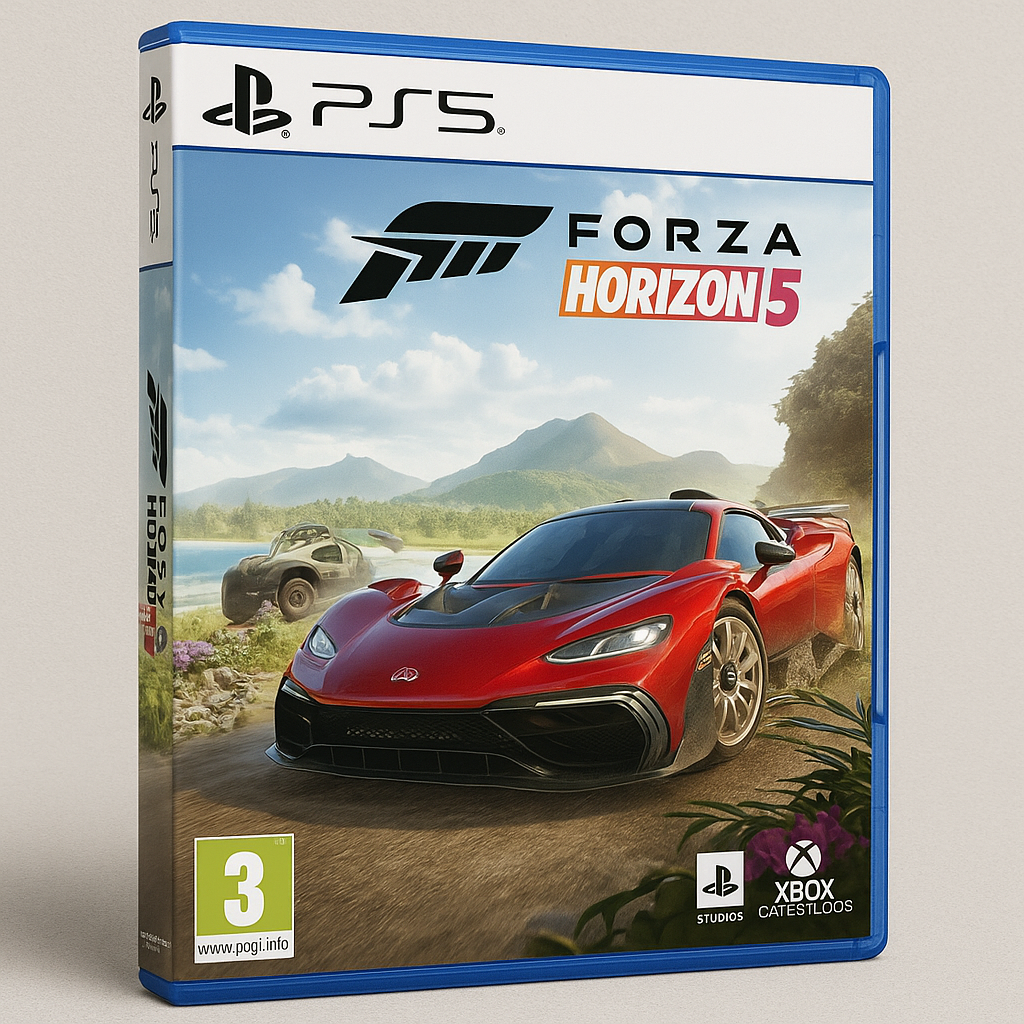
No Forza Horizon Disc? Here’s Why
14 May, 2025
PlayStation gamers, Microsoft said y’all can gladly have Forza Horizon 5… but only as digital download. One of the best racing games I have ever played is finally available on PlayStation but, there is no disc version. Let’s talk about why. Why Only Digital? Microsoft’s move to drop Forza Horizon 5 on PS5 is part of its bigger plan to bring Xbox exclusives to more players without losing control of the ecosystem. Digital only distribution gives Microsoft way more control over how the game is delivered, updated, and monetized. No physical discs means: Easier and faster updates and patches No worries about retail supply chains or packaging delays Tighter grip on licensing and resale restrictions Lower production and shipping costs It’s smart from a business perspective but yeah, not everyone’s thrilled. Why This Bums Out Physical Media Fans Physical games still have a loyal following. I’m definitely a disc lover. Who doesn’t love: Collecting their favorite titles Having a backup in case digital stores vanish The ability to resell, trade, or lend their games That, “I own this” feeling Sure, digital is convenient for some but, it just doesn’t feel the same. So far, Microsoft hasn’t said anything about plans for a disc release down the road. And considering how their ecosystem is leaning, don't hold your breath. Why Is Forza on PS5 At All? For years, Forza Horizon has been an Xbox staple, a flagship racing series with an almost cult-like following. But as Microsoft starts shifting toward a “game everywhere” model (especially after gobbling up studios left and right), the walls are coming down. Putting Forza Horizon 5 on PS5 is a major move toward that cross platform future, where Microsoft cares less about where you play, and more that you’re playing... and preferably spending. It’s also a strategic play to monetize their IP across as many devices as possible, without giving away the keys to the kingdom. Smart move. What Are Your Options? If you’re on PS5 and hyped to drift through Mexico in Forza Horizon 5, here’s what to do: Top up your digital wallet Head to the PlayStation Store Download and hit the road If you’re in Africa, you can grab your wallet top up easily from vividgold.africa Digital Wins This Round Love it or hate it, this is Microsoft dipping a toe into Sony’s pool on their terms. And if it goes well, don’t be surprised if more Xbox titles follow suit. Were you hoping for a disc version? Or are you totally fine going full digital? Let me know in the comments, and until next time stay golden!
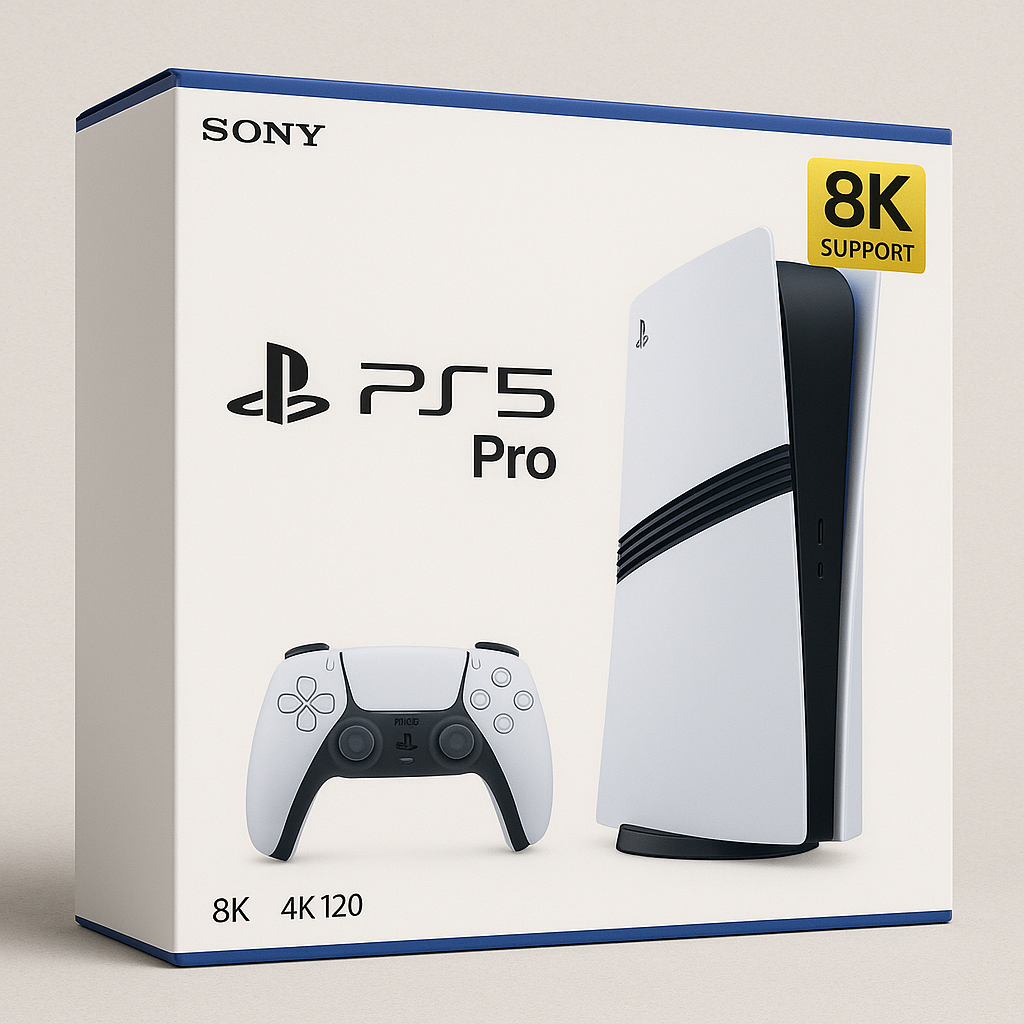
PS5 Pro and 8K: Hype vs Reality
13 May, 2025
If you’ve ever unboxed a PS5 Pro, you’ve probably seen that shiny “8K” logo stamped somewhere on the box. It’s big, it’s bold, and it sounds futuristic as hell. But here’s the thing, that 8K badge is more marketing flex than gameplay reality. Let’s unpack what “8K support” really means for the PS5 Pro, and whether you’re actually going to be gaming in Ultra-Mega-Crystal-High-Definition anytime soon. Can the PS5 Pro Do 8K? Technically? Yes.Practically? Not really! The PS5 Pro can output 8K resolution, but only if the game supports it and if you’ve got an 8K TV. That’s a very big “if,” multiplied by two. And here's the thing, almost no PS5 games are developed to run natively at 8K. Why? Because rendering a full modern game at 8K is like asking your console to sprint a marathon while juggling flaming swords. It’s just not efficient, or necessary, for most developers. Why Developers Don’t Bother with 8K (Yet) Let’s be real, game devs aren’t trying to melt your console. They’re focused on: 4K resolution at higher frame rates (60fps, 120fps) Better ray tracing Faster load times Stable performance 8K textures and assets are massive, and the performance cost isn’t worth the payoff, especially when most players don’t even own 8K displays. The math just doesn’t add up. So What’s the 8K Label Actually Mean? In reality the 8K label just means that the PS5 Pro can output an 8K signal, not that games are rendered at 8K. Think of it like this... you’ve bought a sports car that can hit 300km/h. But you’re still driving it through rush hour traffic at 80. The potential is there, but the road (or in this case, the software) isn’t ready for it. Where 8K Actually Shows Up: Photo Modes The closest you’ll get to 8K content on PS5 Pro today? Photo mode. Games like: Spider-Man 2, Horizon Forbidden West, Gran Turismo 7 and others let you snap ultra high res screenshots. These images are rendered frame by frame, not in real time, so they can hit crazy pixel counts without killing your console. It’s awesome for wallpaper lovers and virtual photographers, but it’s not actual 8K gameplay. The Future of 8K Gaming on Consoles Will we ever see real 8K gaming on consoles like the PS5 Pro? Maybe. But probably not anytime soon. Most developers aren’t designing for it, and even Sony isn’t pushing it. The latest updates and marketing around the PS5 Pro focus on: 4K fidelity mode enhancements New ray tracing features AI upscaling (like PlayStation Spectral Super Resolution) …not 8K gameplay. The focus is on smarter rendering not higher pixel counts. So, Should You Care About 8K on PS5 Pro? Honestly? Not right now. You’re better off caring about frame rate, ray tracing, load speeds, and visual stability. That’s where the PS5 Pro is really delivering. 8K is just a cherry on top for future proofing. A nice sticker to slap on the box, but not something you'll experience in most games anytime soon. Still holding out for native 8K gameplay? Or are you happy with 4K? Let’s talk in the comments and until next time, stay golden!

Ghost of Yotei: The Samurai Adventure You Didn't Know You Needed
08 May, 2025
Ghost of Yotei is here. It’s personal. It’s raw. And it’s dropping October 2, 2025, exclusively on PS5. Here’s why this isn’t just another samurai game, it’s the one you didn’t know you needed. Atsu’s Story: Revenge Served Ice Cold (and Aesthetic as Hell) Set over 300 years after Ghost of Tsushima, this spiritual sequel takes place in the wild, snowy heart of Ezo, modern day Hokkaido. You play as Atsu, a lone mercenary with a tragic past and a kill list that would make Arya Stark proud. Sixteen years ago, Atsu’s family was massacred by a gang known as The Yotei Six. She was left for dead… literally, she was nailed to a burning ginkgo tree with the very katana she now carries (what a poetic weapon). Now she’s back, mask on, blade sharp, vengeance on her mind. You’ll hunt each of the Yotei Six in whatever order you choose. Think open world samurai hit list meets meditative character study. Ezo: Where Beauty Meets Brutality Mount Yotei towers in the distance. The land is vast, wild, and alive. According to Sucker Punch, this world is built for exploration on your terms. You can pause the bloodshed to build a campfire under the stars, hunt bounties for coins, or seek out legendary weapon masters to sharpen your skills. It’s not just Tsushima reskinned. Sucker Punch has evolved the open world design with more freedom and variety and judging from the first trailer, it shows. Oh, and yes, some fan favorite activities from Ghost of Tsushima will return, so you can still compose haiku in the middle of your murder rampage. Balance, baby. Gameplay: Blades, Bullets, and (Maybe?) Betrayals We haven’t seen a full combat breakdown yet, but here’s what we know so far: Dual-wielding is in. We see Atsu rocking two blades in the trailer, and it looks nasty in the best way. Gunplay is new. Yup, firearms are part of the arsenal now. Expect Edo era tech, not COD loadouts. Stealth is back. Atsu is on the run and being hunted herself. Expect stealth gameplay, ambush mechanics, and possibly some fresh surprises. Unlockable stances and attacks? Strong chance. The combat legacy of Tsushima isn’t going anywhere. This is still a single player, narrative driven experience at its core. Just you, a sword, a snowy mountain, and a grudge. The Ghost, Reimagined Atsu isn’t Jin Sakai. And that’s the point. Erika Ishii (the voice actress) brings the character to life with a performance that already feels emotionally charged and grounded. This is a story about survival, transformation, and revenge, but it’s also about what happens after the blood dries. Sucker Punch wanted something “fresh but familiar,” and from what we’ve seen so far, Ghost of Yotei is shaping up to be just that. A spiritual successor that dares to do its own thing. Editions, Extras, and Early Access Pre-orders opened on May 2, and there are three editions to choose from: Standard – Just the game, nothing else. Digital Deluxe – Includes extra gear: exclusive armor, dyes, weapons, a horse, and more. Collector’s Edition – All of the above, plus physical goodies and art that’s probably going to be sold out instantly. Every pre-order comes with six avatars and an in game mask, so if you want to look slick while slicing through thugs, you might want to lock that in right now. So… Is This the Samurai Game for You? If you loved Ghost of Tsushima, Ghost of Yotei isn’t just more of the same. It’s sharper, darker, and more personal. Think less "honor and duty" and more "grief, rage, and redemption." The world feels handcrafted. The story feels intimate. The gameplay looks sleeker than ever. And with Atsu at the center of it all, this journey feels less like a blockbuster and more like a cult classic in the making. Are you sold on Ghost of Yotei? Let’s talk vengeance, vibes, and video games in the comments below. Until next time, stay golden!

The Art of Gaming Trickery: Hidden Loading Screens
28 Nov, 2024
Welcome to the era of near-instant gaming, where loading screens are supposedly a thing of the past—or are they? While the PS5 Pro and similar tech promise seamless gameplay, developers have found clever ways to hide the process of loading without breaking immersion. Let’s uncover the genius behind these hidden loading screens that trick us into thinking the action never stops. Shimmying Through Tight Spaces Ever noticed how many games make you squeeze through a crack in the wall or crawl under debris? It’s not just for dramatic tension—it’s a cleverly disguised loading screen. Take God of War or Star Wars Jedi: Fallen Order. These “tight-space crawls” serve a dual purpose: keeping you engaged while the game quietly loads the next area in the background. Instead of staring at a progress bar, you’re still moving forward in the story, unaware of the technical wizardry happening behind the scenes. It’s a win-win. You feel immersed, and the game gets the time it needs to prepare the next set piece. Genius, right? The Elevator Ride Trick Ah, elevators—the unsung heroes of gaming trickery. If you played the original Mass Effect, you’ll remember those long elevator rides between levels. Guess what? That was a glorified loading screen. Modern games like Resident Evil 4 have elevated (pun intended) this technique, turning elevator rides into smooth transitions between areas. Sometimes, developers even throw in a bit of dialogue or ambient sound to keep you distracted while the game loads the next level. By keeping your hands on the controls, they make you feel like you’re still in the action, even when the game is catching up. Cutscenes and Set Pieces Sometimes, the best way to hide a loading screen is in plain sight. Cutscenes and scripted moments, like Nathan Drake scaling a cliff in Uncharted or narrowly escaping a collapsing building, aren’t just there to wow you—they’re multitasking. During these high-intensity sequences, the game is busy loading textures, assets, and environments for what’s coming next. It’s like a magician distracting you with one hand while pulling off a trick with the other. These sleight-of-hand techniques are more than just technical feats; they’re a testament to how far game design has come. Developers know immersion is key, and by blending gameplay with loading mechanics, they ensure you stay in the moment, even during a “loading screen.” So, the next time you’re shimmying through a crack in the wall or riding an elevator, take a moment to appreciate the invisible magic at work. The game is doing a lot more behind the scenes than meets the eye. What’s your favorite hidden loading screen trick? Let’s talk about it in the comments, and until next time, stay golden!