![Vivid Gold - Video Game Outlet [KE]](http://vividgold.co.ke/cdn/shop/files/vivid_gold_Inverted_Color_Transparent_bg_1.svg?v=1776417429)


Recent Articles


Xbox Isn't Dead: How New Leadership Just Silenced the Critics
13 Jun 2026
Why Most PC Gamers Are Choosing 1440p Over 4K
26 May 2026Best TCL TVs for Gaming in 2026: Find Your Perfect Match
22 Jun, 2026
Not everyone wants to game on a small monitor. If you're a console gamer who prefers a big-screen experience, choosing the right TV matters just as much as choosing the right console. TCL has built a reputation for delivering premium gaming features at more accessible price points, and their 2026 lineup continues that tradition. Here are the best TCL TVs for gaming in 2026 from the flagship to the value sweet spot. TCL C8L: The Flagship Gaming TV If budget isn't your primary concern, the TCL C8L (also known as the QM8L in the US) is arguably TCL's strongest gaming TV in 2026 . It's designed for players who want uncompromising picture quality and top-tier gaming features. Key Gaming Specifications: Display: 4K SQD-Mini LED panel with WHVA 2.0 Ultra technology Refresh Rate: Native 144Hz, with VRR support Local Dimming: Up to 4,032 zones on the 98-inch model; 1,008 zones on the 55-inch model Peak Brightness: Up to 6,000 nits on larger models, 3,000 nits on 55-inch Gaming Features: AMD FreeSync, Game Master mode, HDMI 2.1 ports Color Coverage: 100% BT.2020 color gamut HDR Support: Dolby Vision IQ, HDR10+, HLG Audio: 2.2-channel system tuned by Bang & Olufsen with Dolby Atmos and DTS support What It Delivers: The C8L pushes Mini LED technology to its limits. The massive number of local dimming zones combined with extreme peak brightness means HDR content whether games or movies looks stunning with incredible contrast. For competitive gamers, the 144Hz native refresh rate and VRR support ensure smooth, tear-free gameplay. Perfect For: Enthusiasts who want the absolute best picture quality and are willing to pay for flagship performance. TCL C7L: The Value Sweet Spot Not everyone needs the flagship. The TCL C7L offers many of the same premium gaming features at a lower price point, making it arguably the best value gaming TV in TCL's 2026 lineup . Key Gaming Specifications: Display: 4K SQD-Mini LED panel with HVA 2.0 Pro technology Refresh Rate: Native 144Hz, VRR up to 288Hz via Game Accelerator Local Dimming: 800 zones (55-inch) up to 2,176 zones (98-inch) Peak Brightness: Up to 3,000 nits on larger models Gaming Features: AMD FreeSync Premium Pro, Game Master mode with Game Bar UI, HDMI 2.1 ports Color Coverage: 100% BT.2020 color gamut HDR Support: Dolby Vision, HDR10+, HLG Audio: 2.2-channel system tuned by Bang & Olufsen with Dolby Atmos What It Delivers: The C7L delivers the same 144Hz native refresh rate as the flagship C8L, with VRR that can push to 288Hz in compatible scenarios. The 3,000-nit peak brightness (on 65-inch and larger models) is still exceptional for HDR gaming, and the local dimming zones are more than adequate for deep blacks and precise backlight control . TCL's Game Master mode gives you quick access to gaming settings like low latency, shadow enhancement, and on-screen crosshairs. Perfect For: Most PS5 and Xbox Series X gamers who want premium gaming features without paying flagship prices. What to Look for in a Gaming TV Don't buy a TV just because the box says "Gaming." Instead, look for these essential features they make a bigger difference than most picture settings: Feature Why It Matters HDMI 2.1 Required for 4K at 120Hz+; essential for PS5 and Xbox Series X 120Hz or 144Hz Native Refresh Rate Ensures smooth motion during fast-paced gameplay VRR (Variable Refresh Rate) Eliminates screen tearing; TCL's Game Accelerator pushes to 288Hz ALLM (Auto Low Latency Mode) Automatically switches to game-optimized settings Low Input Lag Critical for responsive competitive play Game Master / Game Bar Quick access to gaming settings and visual aids The Verdict: Which TCL Should You Choose? If You Want... Choose... The absolute best picture quality and brightness TCL C8L Premium gaming features at a better price TCL C7L HDMI 2.1, high refresh rate, and VRR Both C8L and C7L deliver A future-proof TV for PS5 and Xbox Both are HDMI 2.1 ready and optimized for current-gen consoles A great console deserves a great display. Because no matter how powerful your gaming hardware is, you'll only enjoy it as much as the screen you're playing on.
Xbox Isn't Dead: How New Leadership Just Silenced the Critics
13 Jun, 2026
For the last few years, people kept saying the same thing: "Xbox is finished.""Xbox has no exclusives.""Xbox has lost the console war." But after the Xbox Games Showcase 2026, those comments suddenly got very quiet. This year's event felt different. Instead of playing defense, Xbox came out swinging and the message was clear: reports of Xbox's death have been greatly exaggerated. A Showcase That Changed the Narrative This year's Xbox Showcase wasn't just another event. It was a statement. Microsoft's gaming division stopped apologizing for its position and started showing what it's been building. Fans got new looks at: Modern Warfare 4 – The next chapter in the blockbuster franchise. Gears of War: E-Day – A return to the series' brutal, emotional roots. Persona 6 – The iconic JRPG series continues its Xbox partnership. Senua's Saga: Hellblade II – New gameplay showcasing Ninja Theory's visual mastery. Clockwork Revolution – A ambitious new IP from inXile Entertainment. Halo Campaign Evolved – A fresh take on Master Chief's next adventure. In total, over 30 upcoming games were showcased, all headed to Xbox, PC, and Game Pass. That's not a platform in retreat. That's a platform building momentum. The Biggest Surprise: True Exclusives Are Back Perhaps the most significant announcement wasn't any single game it was the strategy shift. Xbox confirmed the return of true console exclusives with titles like Gears of War: E-Day and Clockwork Revolution. After years of every Xbox game also launching on PlayStation and Nintendo, this marks a meaningful change. While Xbox remains committed to reaching players everywhere, it's also signaling that owning an Xbox will once again come with unique, can't-play-elsewhere experiences. This balance between accessibility and exclusivity has been difficult to strike. The new showcase suggests Xbox may have finally found the formula. The Leadership Factor: A Renewed Vision Many fans are crediting Xbox's renewed direction to the company's new leadership team. Under its current strategy, Xbox is no longer trying to win on a single front. Instead, it's balancing multiple pillars simultaneously: Game Pass: The subscription service remains the best value in gaming. Exclusives: Major first-party titles that can only be found on Xbox. PC Gaming: Day-one releases on Steam and the Xbox app. Cloud Gaming: Play anywhere, on any device. Console Hardware: A commitment to powerful, innovative systems. The result? Xbox suddenly feels ambitious again. The sense of direction that felt muddled for years has been replaced by clarity and confidence. Celebrating 25 Years: The Anniversary Surprise The showcase also celebrated Xbox's 25th anniversary in style. Microsoft revealed the limited-edition Xbox Series X25—a stunning console and matching controller inspired by the original Xbox's iconic translucent green design. But the coolest surprise wasn't the hardware itself. It was who got one. The Xbox CEO announced that every attendee wearing a "fan" badge at the showcase would receive the limited-edition anniversary console for free—as a thank-you for being part of the celebration. It was a gesture that transformed spectators into participants and demonstrated genuine appreciation for the community. What This Means for the Future The narrative around Xbox has shifted. For years, the conversation was dominated by sales figures, exclusivity debates, and comparisons to PlayStation. After this showcase, the conversation is finally about the games again. Before Showcase After Showcase "Xbox has no exclusives" Gears of War: E-Day, Clockwork Revolution, and more "Xbox is losing" A clear, ambitious strategy across multiple fronts "The brand has no direction" Renewed leadership with a balanced vision "No reason to buy an Xbox" Unique experiences you can't get elsewhere The Real Story: Xbox Refused to Quit So maybe the real story isn't whether Xbox is winning or losing the console war. Maybe the real story is that Xbox refused to quit. After years of being counted out, written off, and declared irrelevant, Microsoft's gaming division is still here. And after this showcase, it looks like they're finally giving gamers a reason to believe again. The console wars will continue. The debates will rage on. But one thing is now clear: Xbox isn't finished. It's just getting started. What did you think of the Xbox Games Showcase 2026? Are the new exclusives enough to bring you back to the platform? Let us know
Why Most PC Gamers Are Choosing 1440p Over 4K
26 May, 2026
4K gaming looks incredible. The sharpness, the detail, the sheer visual clarity on paper, it's the ultimate way to play. But here's the reality: most PC gamers are still choosing 1440p instead. And honestly, that choice makes perfect sense. While 4K might be the dream, 1440p is what most PC gamers actually want to live with every day. Let's break down why. The Performance Trade-Off: Visuals vs. Frame Rates While 4K delivers undeniably sharper visuals, it comes with a massive performance cost. Driving four times as many pixels as 1080p (and significantly more than 1440p) demands serious GPU power. Resolution Total Pixels Relative GPU Demand 1080p ~2 million Baseline 1440p ~3.7 million ~1.8x 1080p 4K ~8.3 million ~4.5x 1080p The result of that demand: Lower frame rates: Even high-end GPUs struggle to maintain 120+ FPS at 4K in demanding titles. Higher temperatures: More pixels pushed = more heat generated. More expensive hardware: You're paying a premium just to keep the game playable. The Sweet Spot: Why 1440p Hits Perfectly 1440p sits right in the middle between visual quality and performance and for most gamers, that's the ideal balance. What 1440p delivers: Sharp, detailed visuals: Games still look fantastic, with clear textures and minimal aliasing. High frame rates: You can comfortably push 120fps, 144fps, or even 240fps without needing a flagship GPU. Lower system requirements: A mid-range graphics card can handle 1440p gaming beautifully. It's the resolution where "good enough" meets "actually achievable" for most budgets. The Cost Problem: 4K Hardware Is Getting Insane To fully enjoy consistent 4K gaming especially at high refresh rates you generally need top-tier hardware: RTX 4080 or 4090: Current generation flagships capable of 4K/120fps in many titles. Future GPUs: Even newer cards will be expensive at launch. Complete System Cost: A 4K-ready PC can easily exceed $2,500–$3,000. Compare that to 1440p: Mid-range GPUs like RTX 4070, RX 7800 XT: More than capable of excellent 1440p performance. Budget-friendly builds: You can build a solid 1440p rig for half the cost of a 4K machine. The price gap is real, and it's growing. As GPU prices continue to climb, 1440p becomes an increasingly sensible choice. Competitive Gaming: Frame Rate Over Pixels For competitive gamers those playing Valorant, Counter-Strike, Apex Legends, Call of Duty, or Overwatch smoother gameplay matters far more than extra pixels. Higher frame rates provide: Better responsiveness: Your inputs register faster. Reduced input delay: Every millisecond counts in competitive play. Smoother motion tracking: Easier to follow fast-moving targets. A genuine competitive advantage: Higher refresh rates (144Hz, 240Hz, 360Hz) are standard in esports. At 1440p, you can push those high frame rates consistently. At 4K, even the best GPUs struggle to maintain competitive-level refresh rates in demanding titles. The Reality Check: What Most Gamers Actually Use Steam's hardware survey consistently shows that the majority of PC gamers are not on 4K. The most popular resolutions remain 1080p and 1440p. Resolution Typical User 1080p Budget builds, esports-focused players, older monitors 1440p The enthusiast sweet spot, high refresh rate gaming 4K High-budget builds, content creators, single-player immersion 4K has its place especially for cinematic single-player experiences on large, high-quality displays. But for everyday gaming? Most players are voting with their wallets, and they're choosing 1440p. The Verdict: 4K Is the Dream, 1440p Is the Reality Here's the honest breakdown: If You Want... Choose... Maximum visual fidelity for single-player games 4K (if budget allows) High frame rates for competitive play 1440p The best balance of visuals and performance 1440p To save money on GPU and monitor costs 1440p To future-proof for several years 1440p (easier to drive for longer) 4K gaming looks amazing, but it demands flagship hardware, sacrifices frame rates, and costs significantly more. For most PC gamers including enthusiasts who care about both visuals and responsiveness 1440p is simply the smarter choice. What's Your Resolution? Are you team 1440p or team 4K? What resolution do you actually game on, and why? Let us know in the comments!

Forza Horizon 6 Leak Disaster: Players Risk Lifetime Bans for Early Access
14 May, 2026
Imagine risking your entire Xbox account, your digital game library, and years of progress… just to play a game a few days early. That's exactly what's happening right now with the massive Forza Horizon 6 leak situation. A playable PC build of the highly anticipated racing game reportedly leaked online before its official launch, and thousands of players jumped at the chance to play early. Now, Microsoft and Playground Games are fighting back hard and some players are learning that "free" can become very expensive. What Happened? The Leak Explained According to reports, a playable PC build of Forza Horizon 6 somehow made its way onto the internet before the game's official release date. The files spread rapidly across torrent sites, Discord servers, and private forums. Within hours, thousands of players were already downloading, installing, and playing the game illegally weeks before legitimate buyers could access it. The leak reportedly includes a significant portion of the game, allowing players to experience races, events, and progression systems that were meant to be under wraps until launch. Microsoft's Response: Zero Tolerance Microsoft and developer Playground Games are not taking this lightly. Unlike some publishers who might issue warnings or temporary suspensions, the response here has been swift and severe. According to reports, players caught accessing the leaked build are facing: Online Bans: Permanent removal of online multiplayer access for Forza Horizon 6 and potentially other Microsoft titles. Account Restrictions: Limitations placed on the offending Xbox or Microsoft account. Hardware Bans: In the most severe cases, Microsoft can ban the actual hardware (console or PC component ID), making it impossible to access Xbox Live services from that device ever again. The most shocking detail? Some users reportedly received ban notifications with expiration dates set to the year 9999. That is not a typo. A ban lasting nearly 8,000 years effectively means a permanent, lifetime banfrom Microsoft's ecosystem for that account or device. The Scary Part: Deleting the Game May Not Save You Here's what many players may not realize: simply deleting the leaked game after the fact may not protect you. If your hardware ID or Xbox account was already flagged while running the leaked version even for a few minutes Microsoft's enforcement systems may have already recorded that activity. This means: Uninstalling the game does not erase the evidence of the violation. Creating a new account on the same hardware may still trigger the ban. The flag is tied to the device, not just the game files. For players who thought they could "just try it" and then buy the legitimate version later, this could be a devastating miscalculation. Backlash from Legitimate Players The situation has also sparked significant backlash from players who did the right thing. Fans who paid extra for Premium Edition early access expecting to be among the first to play found themselves watching pirates enjoy the game first, for free, before the official early access period even began. This creates a frustrating dynamic: legitimate customers are punished with delays, while those breaking the rules get an earlier, unrestricted experience. It's the kind of situation that erodes goodwill and makes players question whether paying for early access is worth it. The Lessons: Why Piracy Isn't "Free" This leak situation serves as a harsh reminder of the real risks involved in downloading and playing leaked or pirated games: Risk Consequence Account Ban Loss of your entire digital library, achievements, and progress Hardware Ban Your console or PC permanently locked out of Xbox services Security Risks Leaked builds can contain malware, keyloggers, or remote access tools No Updates Pirated versions won't receive patches, DLC, or online features Legal Exposure Potential for legal action from publishers (rare but possible) A "free" game that costs you your entire account is not free at all. The Right Way to Play If you want to experience Forza Horizon 6 the right way, legitimate pre-orders and standard editions are available through official retailers and digital storefronts. While waiting for the official release date might be frustrating, it guarantees: A clean, malware-free copy of the game Full access to online features and multiplayer Future updates, patches, and DLC Protection of your Xbox account and hardware Final Thoughts: A Costly Gamble One leaked build. Thousands of risky downloads. And now, some gamers are learning the hard way that playing with fire can get you burned. Microsoft's aggressive response including bans lasting until the year 9999 sends a clear message: leaks and piracy will not be tolerated. For players who gambled their accounts for a few days of early access, the cost may be far higher than they ever imagined. What do you think about Microsoft's response? Are lifetime bans fair punishment, or is this too harsh? Let us know in the comments.

Star Fox Returns: Nintendo Switch 2 Remake Revives an Arcade Legend
08 May, 2026
Nintendo has just brought back one of the most legendary arcade space shooters of all time. After nearly a decade without a proper Star Fox release, Fox McCloud is finally back in the spotlight with a full cinematic remake for the Nintendo Switch 2. This might be one of the biggest nostalgia drops for Nintendo's new console so far. Let's break down everything you need to know. What Is the Star Fox Switch 2 Remake? The new Star Fox is a full cinematic remake inspired by the beloved classic Star Fox 64. It has been completely rebuilt from the ground up with: Modern Graphics: Updated visuals that bring the Lylat System to life like never before. Redesigned Characters: Familiar faces like Fox, Falco, Slippy, and Peppy get a fresh new look. Upgraded Cutscenes: Cinematic storytelling that adds depth to the classic narrative. Online Multiplayer: For the first time in the series, full online support. Gameplay: Classic Arwing Combat, Modern Enhancements Fans of the original will feel right at home. The core gameplay remains faithful to what made Star Fox 64 a legend: Classic Arwing Combat: Barrel rolls, laser blasts, smart bombs, and all the signature moves are back. Alternate Mission Routes: Multiple paths through the game, encouraging replayability and discovery. Smoother Gameplay: Optimized for the Switch 2's hardware, with buttery-smooth frame rates. New Additions: Online 4v4 Battles: Take on other players in team-based space combat. Co-op Support: Play through the campaign with a friend. Updated Controls: Redesigned specifically for the Switch 2's new controllers and features. New Challenge Modes: Additional content beyond the classic campaign. Release Date: When Can You Play? Detail Information Release Date June 25, 2026 Platform Nintendo Switch 2 (Exclusive) Genre Arcade Space Shooter / Rail Shooter The game launches exclusively on the Nintendo Switch 2, meaning you'll need Nintendo's next-gen console to play. Pricing: US & Kenyan Estimates Pricing has been announced for both digital and physical editions in the US market. Here's what Kenyan players can expect after conversion and local markups. Edition US Price Estimated KSH (Before Local Taxes & Import) Digital Version $49.99 ~ Ksh 6,500 Physical Version $59.99 ~ Ksh 7,800 Important Note for Kenyan Buyers: These KSH estimates are base conversions before local taxes, import duties, and retailer markups. Expect final retail prices in Kenya to be higher. Digital purchases via the eShop will be closer to the converted price, while physical imports will carry additional costs. Why This Remake Matters After nearly a decade without a proper Star Fox release, this remake represents more than just a nostalgia trip. It's a test of whether the franchise can still resonate with modern audiences. The Last Major Release: Star Fox Zero on Wii U (2016) was divisive due to its mandatory motion controls. The Hiatus: Since then, the franchise has been largely dormant, with only a small cameo in Starlink: Battle for Atlas (2018). The Opportunity: A faithful remake of the universally beloved Star Fox 64 with modern enhancements and online multiplayer could be exactly what the franchise needs to prove it still has a future. Final Thoughts: A Return to Form? After years of waiting, Nintendo has finally given Star Fox the attention it deserves. By returning to the classic Star Fox 64 formula widely considered the peak of the series and adding meaningful modern features like online multiplayer, this remake has the potential to remind players why Fox McCloud became a Nintendo icon in the first place. The question is whether the audience is still there for a rail shooter in 2026. But if the gameplay holds up and the online modes deliver, this could be the comeback story the franchise desperately needs. Will you be picking up the Star Fox remake for Switch 2? Are you going digital or physical? Let us know in the comments!

The Lost Art of Local Co-Op: What Happened to Gaming on the Same Couch?
10 Apr, 2026
There was a time when multiplayer didn't need a server, a headset, or a login. All you needed was a couch, a second controller, and someone sitting right next to you. Today, that experience is nearly extinct. Not evolving. Not transforming. Lost. Let's talk about the golden era of local co-op, why it faded, and what gaming sacrificed when it was quietly abandoned. The Golden Era: When Shared Screens Built Friendships Local co-op once sat at the heart of gaming culture. It wasn't a niche feature; it was the main event. Mario Kart turned living rooms into battlegrounds where bragging rights mattered more than any online rank. GoldenEye 007 made screen-peeking a legitimate strategy, not a sin. Halo: Combat Evolved through Halo 3 built friendships through split-screen campaigns and LAN parties that lasted all night. Left 4 Dead proved that surviving together physically together in the same room—created a level of tension and camaraderie no online lobby could match. These games weren't just playable locally. They were designed for shared space. Every mechanic from weapon balancing to respawn timing assumed someone was right there beside you, trash-talking, strategizing, or laughing at your failure. Why It Faded: The Quiet Shift to Online Then came the shift. Online multiplayer promised convenience, global reach, and an endless supply of opponents. No travel. No scheduling. No shared screen required. But that convenience came at a significant cost: Technical Complexity: Split-screen cameras became harder to manage as games grew more visually dense and rendered at higher resolutions. Maintaining two (or four) simultaneous views without tanking performance became a genuine development challenge. Monetization Models: Live-service games and battle passes prioritize individual progression, cosmetics tied to personal accounts, and persistent online engagement. Local co-op doesn't fit neatly into that revenue model. Design Priorities: Games stopped being built for rooms and started being built for accounts. The assumption shifted: "Everyone plays online now." Local co-op didn't slowly decline through a conscious decision. It was quietly deprioritized until it became optional, then rare, then largely forgotten. What We Lost When the Second Controller Stayed in the Drawer And what we lost can't be patched back in through an update. Instant communication without latency. No "can you hear me?" No lag spikes. Just pure, unfiltered reaction. Inside jokes formed in seconds, not through Discord threads and clipped voice channels. Real, shared emotion—panic, laughter, frustration experienced in the same moment, on the same couch. We lost the hand-me-down ritual: teaching someone to play by sitting next to them, passing the controller, and watching them learn through observation, not tutorials. Online multiplayer connects players across distances. Local co-op bonded people in the same physical space. Those are fundamentally different things, and one cannot replace the other. The Exceptions That Prove the Rule Yes, games like It Takes Two, Overcooked, and Valheim still exist. They prove that local co-op can still work brilliantly. But their success highlights the problem. These games feel special because they're rare. They are celebrated for a feature that was once standard. They don't represent a revival; they represent remnants of a design philosophy that has largely been abandoned. For every It Takes Two, there are dozens of major releases that launch without any local co-op support whatsoever. The Real Cost: A Way of Bringing People Together Local co-op wasn't outdated. It wasn't replaced by something demonstrably better. It was abandoned in favour of something easier a model that scales infinitely, sells battle passes, and requires no one to leave their house. And in losing it, gaming didn't just lose a feature. It lost a way of bringing people together in a shared physical space. It lost the joy of watching a friend's face as they clutch a victory, the frustration of a missed jump that everyone saw happen, the simple pleasure of playing next to someone you care about. The couch is still there. The second controller might be gathering dust. But the games that made them essential? Those have become the exception, not the rule. What Do You Miss Most? What's your fondest memory of local co-op? Was it four-player Halo, all-night Mario Kart sessions, or something else? And do you think couch multiplayer will ever truly return? Let us know in the comments.

Games That Deserved GOTY… But Got Robbed
17 Mar, 2026
Every year, The Game Awards and other industry ceremonies spark the same debate: Did the right game actually win? Most GOTY winners are undeniably incredible. But sometimes, another title pushes the industry forward, defines a generation, or delivers a once-in-a-lifetime experience—and still walks away empty-handed. These are the games that, in the hearts of millions of players, deserved the crown but were robbed of their moment. 1. Red Dead Redemption 2 (2018) – Lost to God of War Why It Deserved GOTY: Unmatched world immersion and emotional storytelling. Red Dead Redemption 2 wasn't just a game; it was an experience. Rockstar created a living, breathing world where every town, NPC, and random encounter felt organic. Arthur Morgan's journey remains one of the most emotionally powerful stories in gaming—a blockbuster willing to slow down and let its characters breathe. Why It Lost: God of War (2018) was a masterful reinvention of its own franchise, blending cinematic storytelling with tight combat. It was a deserving winner—but many argue that RDR2'ssheer scale and immersion made it the more groundbreaking achievement. The Legacy: Years later, Arthur Morgan's story is still discussed, analyzed, and cherished. Its world remains a benchmark for open-world design. 2. Ghost of Tsushima (2020) – Lost to The Last of Us Part II Why It Deserved GOTY: A breathtaking world that proved open worlds could feel natural, not cluttered. Ghost of Tsushima captured the feeling of becoming a samurai better than almost any game captures its fantasy. Its guiding wind replaced cluttered map markers. Its cinematic sword duels were pure Kurosawa. It was a love letter to both Japan and the art of filmmaking. Why It Lost: The Last of Us Part II was a polarizing but technically brilliant narrative powerhouse. Its ambition and execution were undeniable, but Ghost's pure, uncynical beauty and elegant design left many feeling it was the more universally enjoyable experience. The Legacy: Ghost of Tsushima proved that open-world games could prioritize artistry over checklists. Its Director's Cut and upcoming sequel show its lasting impact. 3. Doom Eternal (2020) – Didn't Win Why It Deserved GOTY: It perfected first-person shooter combat. Doom Eternal took the 2016 reboot and cranked everything to eleven. Every fight became a violent puzzle juggling weapons, managing resources, mastering movement, and maintaining aggression at lightning speed. It demanded skill, strategy, and rhythm like no other shooter before or since. Why It Lost: 2020 was a stacked year. The Last of Us Part II and Ghost of Tsushima dominated the conversation, leaving little room for a pure, unapologetic shooter to break through. The Legacy: Doom Eternal is now studied as a masterclass in combat design. Its influence can be seen in every fast-paced shooter that followed. 4. The Legend of Zelda: Tears of the Kingdom (2023) – Lost to Baldur's Gate 3 Why It Deserved GOTY: Near-total creative freedom that let players solve problems in ways developers never imagined. Tears of the Kingdom didn't just expand Breath of the Wild—it completely reinvented player interaction. The Ultrahand system let players build insane machines, weapons, and contraptions, turning the world into a playground of limitless possibility. It was freedom redefined. Why It Lost: Baldur's Gate 3 was a generational RPG achievement, offering unprecedented player choice, deep systems, and massive reactivity. It was a worthy winner, but the debate between these two titans remains fierce. The Legacy: Tears of the Kingdom proved that a sequel could feel genuinely revolutionary. Its physics and systems will influence game design for years. 5. Horizon Zero Dawn (2017) – Lost to Breath of the Wild Why It Deserved GOTY: Phenomenal world-building and a unique, believable universe. Horizon Zero Dawn introduced players to a world where tribal humanity fights robotic dinosaurs. The mystery of how that world came to be—the "Zero Dawn" project—was slowly, masterfully unraveled through exploration. It was a fresh IP that felt fully formed and utterly unique. Why It Lost: It had the misfortune of releasing in the same year as Breath of the Wild, a game that fundamentally rewrote the rules of open-world design. There was no beating that wave. The Legacy: Aloy became a PlayStation icon. The Horizon series is now a flagship franchise, proving that great worlds find their audience regardless of awards. 6. Marvel's Spider-Man (2018) – Didn't Win Why It Deserved GOTY: It made you feel like Spider-Man. Insomniac solved a problem that had plagued superhero games for decades: traversal. The web-swinging system alone was so fluid, so fun, that simply moving around New York was a joy. Combined with a heartfelt story and tight combat, it was superhero gaming at its peak. Why It Lost: 2018 was God of War and Red Dead Redemption 2's year. Spider-Man, despite its excellence, was squeezed out by two of the most acclaimed games of the generation. The Legacy: Spider-Man set the new standard for superhero games. Its sequels and spin-offs prove that Insomniac built something special. The Real Truth About GOTY Here's the thing about Game of the Year awards: they're just opinions. A trophy doesn't define a game's legacy. Years later, players are still talking about these titles, replaying them, recommending them to friends, and modding them. That cultural staying power—the fact that we're still debating these games years after they lost—might matter more than any award. The real victory isn't the statue. It's being remembered. Which Snub Hurt You Most? So now I want to hear from you. Which game do YOU think was the biggest GOTY robbery in gaming history? Was it one of these six, or another title we missed? Let us know in the comments.

Best Direct Drive Wheels for Sim Racing: Fanatec, Moza & Logitech Compared
12 Mar, 2026
f you're serious about sim racing, you've heard the term Direct Drive. It's the gold standard the technology that separates toy-like controllers from professional-grade racing equipment. But with options from Fanatec, Moza, and now Logitech, which one is actually worth your money? Let's break down what Direct Drive means, why it matters, and which wheelbase is right for your budget and platform. What Is Direct Drive and Why Does It Matter? Before we compare specific models, let's understand the technology. Traditional racing wheels use gear or belt systems to transfer movement from a motor to the wheel. These systems introduce friction, slack, and a "mushy" feeling. Direct Drive eliminates all of that by connecting the motor directly to the wheel shaft. The Results: Stronger Force Feedback: More torque means you feel every bump, slide, and loss of traction with greater intensity. Zero Slack: Instant response with no dead zone or delay. Unrivaled Precision: You feel the exact moment the tires lose grip, giving you more control at the limit. Deeper Immersion: From the rumble of kerbs to the vibration of an F1 car at high speed, Direct Drive puts you inside the simulator. Whether you're racing GT3 cars in Assetto Corsa Competizione or open-wheel monsters in F1 25, a Direct Drive wheel transforms your experience. 1. Fanatec – The Premium Standard Fanatec has long been the name in sim racing. Their ecosystem is vast, their build quality is proven, and their wheels are used by professionals and enthusiasts worldwide. Model CSL DD QR2 GT DD Pro Torque 5 Nm (upgradable to 8 Nm with Boost Kit) 5 Nm (upgradable to 8 Nm) Platform PC, Xbox PlayStation, PC, Xbox Estimated Price (KSH) Ksh 190,000 Ksh 190,000 Who It's For: The CSL DD is the entry point into Fanatec's ecosystem, offering upgradeability and access to their extensive wheel rim library. The GT DD Pro is the go-to choice for PlayStation users who want Gran Turismo compatibility and the same solid foundation. The Fanatec Advantage: Unmatched ecosystem, proven reliability, and the ability to upgrade torque later. 2. Moza Racing – The Rising Star Moza has exploded onto the sim racing scene by offering impressive Direct Drive performance at more accessible price points. Their software is user-friendly, and their wheels pack serious features. Model Moza R3 Moza R5 Torque 3.9 Nm 5.5 Nm Platform Xbox, PC PC Estimated Price (KSH) Ksh 145,000 Ksh 160,000 Who It's For: The Moza R3 is an excellent entry point for Xbox racers who want Direct Drive quality without the Fanatec premium. The Moza R5 offers more power for PC enthusiasts who want serious feedback and excellent software tuning tools. The Moza Advantage: Great value, modern design, and intuitive software that makes setup and tuning simple. 3. Logitech G – The Budget-Friendly Entry Logitech has finally entered the Direct Drive arena with a wheel designed to make the technology accessible to a wider audience. The G RS50 is their first dedicated Direct Drive offering. Model Logitech G RS50 Torque Not specified, but entry-level DD Haptic Feedback TrueForce (up to 4,000 Hz) Platform PC (with dedicated PS/Xbox versions) Estimated Price (KSH) Ksh 144,000 Who It's For: The G RS50 is for sim racers taking their first step into Direct Drive. It's priced aggressively, features Logitech's high-fidelity TrueForce haptic feedback, and is designed to be friendly and capable out of the box. The Logitech Advantage: Affordable entry point, strong brand reliability, and excellent haptic feedback technology. The Verdict: Which Direct Drive Wheel Should You Buy? Your choice ultimately depends on your budget, platform, and ambitions. If You Want... Choose... The Ultimate Ecosystem & Upgrade Path Fanatec CSL DD / GT DD Pro (Ksh 190,000) Great Value & Modern Software Moza R5 (PC) or R3 (Xbox) (Ksh 145k - 160k) A Friendly, Affordable Entry Point Logitech G RS50 (Ksh 144,000) A Quick Note on Kenyan Pricing:These prices are estimates based on import costs, taxes, and retailer margins. Direct Drive wheels are premium imports, so expect to pay a premium. However, the jump in immersion and performance is undeniable. Final Thoughts Direct Drive isn't a luxury anymore, it's becoming the new standard. Whether you choose Fanatec's proven ecosystem, Moza's rising value, or Logitech's accessible entry point, you're getting technology that will transform how you race. The question isn't whether to go Direct Drive. It's which one fits your rig, your budget, and your racing dreams. Which Direct Drive wheel are you saving up for? Let us know in the comments!

Games With One Wild Feature You Won't Find Anywhere Else
03 Mar, 2026
Modern AAA gaming is polished. It's safe. It's predictable. Publishers have perfected formulas that minimize risk and maximize return. But every once in a while, a game emerges that takes one insane, uncomfortable risk—a single mechanic so bold, so unsettling, that it becomes unforgettable. And here's the strange part: nobody dares copy it properly. Not because it failed, but because it worked too well. These mechanics scared the industry into playing it safe. Here are four games with one wild feature you simply won't find anywhere else. 1. Middle-earth: Shadow of Mordor – The Nemesis System The Feature: Enemies that remember you, adapt to you, and hold grudges across an entire playthrough. Why It's Unforgettable: In Shadow of Mordor, the orc captains you fight aren't randomly generated cannon fodder. They have names, personalities, strengths, and weaknesses. If they kill you, they remember it. They get promoted. They mock you later. They form rivalries with other orcs based on your actions. It's not scripted storytelling—it's procedural rivalry, creating unique narratives for every player. Why Nobody Else Does It: Warner Bros infamously patented the mechanic, but that's only part of the story. The real reason is that the Nemesis System is expensive, unpredictable, and hard to control. Most studios don't want systems that can steal the spotlight from their carefully crafted narrative. It's a design risk that, despite being beloved, remains locked away. 2. Death Stranding – The Multiplayer of Absence The Feature: Asynchronous multiplayer built entirely around the traces other players leave behind. Why It's Unforgettable: You never meet another player in Death Stranding. You only see the evidence they were there—a ladder left at a crucial river crossing, a bridge built over treacherous terrain, a sign warning of BTs ahead. Instead of competition or chaos, the mechanic creates quiet, asynchronous cooperation. It turns loneliness and isolation into the core emotional and gameplay loop. Why Nobody Else Does It: This design is the antithesis of modern multiplayer, which thrives on constant interaction, voice chat, and live service engagement. Death Stranding asks you to feel connected through absence, a paradox most studios don't dare explore because it's not easily monetizable or scalable. 3. The Legend of Zelda: Majora's Mask – The Relentless Clock The Feature: A three-day time loop where every NPC follows a schedule, and the apocalypse is always approaching. Why It's Unforgettable: Majora's Mask traps you and the entire world in a repeating 72-hour cycle. Every character has a life—they work, sleep, panic, and die according to a schedule that plays out whether you intervene or not. When you reset time to save your progress, most of the world forgets you ever helped them. You are forced to accept loss as a mechanic. The pressure is constant and unique. Why Nobody Else Does It: Games are terrified of players missing content. The modern design philosophy is about accessibility and completionism. Majora's Mask demands you let things go, accept failure, and live with the consequences of a ticking clock. That level of designed anxiety hasn't been replicated at this scale because it's fundamentally uncomfortable. 4. Eternal Darkness: Sanity's Requiem – Breaking the Fourth Wall (Violently) The Feature: A sanity meter that, when depleted, directly attacks the player through hallucinations and fake system errors. Why It's Unforgettable: Eternal Darkness didn't just scare your character; it scared you. When your sanity meter dropped, the game would fake a TV static crash, lower the volume, show a message claiming your save file was deleted, or even pretend to reset to the console's BIOS. It weaponized your trust in the hardware itself. Why Nobody Else Does It: Modern consoles are locked-down ecosystems. Sony and Microsoft would never allow a game to simulate system-level errors. Lawsuits and player expectations have made this kind of "mess with the player" design impossible. It's a relic from an era when developers could still prank you directly. Conclusion: The Risk That Scared the Industry These four games prove a difficult truth: true innovation often comes at the cost of comfort, scalability, and mass appeal. Shadow of Mordor showed us a living world of enemies, and the industry patented it away. Death Stranding proved isolation could be a multiplayer mechanic, and nobody dared follow. Majora's Mask forced us to accept loss, and games have avoided that pressure since. Eternal Darkness attacked our trust in the console itself, and that door is now sealed forever. These mechanics didn't fail. They worked too well. They scared the industry into playing it safe. So the real question isn't why we don't get features like these anymore. It's whether we actually want games that take real risks—or if we just like remembering the ones that did. Which of these wild features do you wish more games would attempt? Let us know in the comments.

RTX 5090: Is NVIDIA's Next GPU a Gaming Revolution or Just Marketing Hype?
24 Feb, 2026
The rumor mill is running at full speed. NVIDIA's next-generation flagship, the RTX 5090, is poised to be the most powerful consumer graphics card ever created. Gamers are dreaming of true 4K gaming at buttery-smooth frame rates, insane ray tracing, and AI features that finally feel indispensable. But as the hype machine roars, a sobering question emerges: Is the RTX 5090 about to change gaming forever, or are we all falling for the most expensive marketing play yet? Let's unpack the truth. The Promise: What the RTX 5090 Claims to Deliver NVIDIA's next-generation architecture, codenamed Blackwell, is expected to bring significant generational leaps: True 4K High Refresh Rate Gaming: The long-promised dream of running demanding titles at native 4K with max settings and ray tracing enabled at 120+ FPS could finally become a mainstream (albeit expensive) reality. Enhanced Ray Tracing & Path Tracing: More powerful RT cores should allow for more complex lighting, shadow, and reflection calculations, bringing us closer to cinematic, movie-quality visuals in real-time. AI-Powered Features: Enhanced AI cores (Tensor Cores) could power smarter upscaling technologies (think DLSS 4), more convincing frame generation, and other AI-assisted gaming and creative tools. Improved Efficiency: Blackwell is rumored to offer better performance-per-watt, meaning less heat and power draw for the same (or better) performance. On paper, this is the GPU that finally makes "4K Ultra RT" a consistent, playable experience. The Reality Check: Who Actually Needs This? The raw numbers are exciting, but context is everything. For the vast majority of gamers, the RTX 5090 may be pure overkill. The 1440p Majority: Most gamers still play at 1080p or 1440p. At these resolutions, the performance gap between a high-end 40-series card and the 5090 will be far less noticeable. Your monitor is the bottleneck long before the GPU is. The Law of Diminishing Returns: If you're upgrading from an RTX 30-series card (like a 3070 or 3080), the jump to the 5090 will be monumental. But if you already own an RTX 4090, the upgrade may only make sense for enthusiasts chasing the absolute highest frame rates at 4K or for professional creators who need the raw compute power. The Price Barrier: Flagship GPUs have crossed into luxury territory. This isn't a purchase for the average gamer; it's for the performance chaser, the high-end content creator, and the tech enthusiast who demands the absolute best, regardless of cost. The Kenyan Context: What Will the RTX 5090 Cost? This is where the hype meets harsh reality. Global pricing for the RTX 4090 started at $1,599. Given inflation, demand, and NVIDIA's pricing trends, the 5090 could easily start higher. For Kenyan gamers, the final price will include import duties, taxes, and retailer margins. A realistic estimate for the RTX 5090 at launch in Kenya could land between: Ksh 470,000 to Ksh 580,000 At this price point, it's no longer a gaming component; it's a significant investment comparable to buying a used car or a high-end motorcycle. This fundamentally shifts the value proposition. The Wildcard: Competition and the AI Gold Rush Two major factors could influence the RTX 5090's impact: Heating Competition: AMD and Intel are aggressively pushing into the high-end GPU market. If they can offer competitive rasterization performance at significantly lower prices, it could force NVIDIA to be more competitive or justify the flagship tax with truly unique features. The AI Demand: The AI boom is insatiable. Companies are buying up high-end consumer GPUs for AI training and inference, competing directly with gamers for supply. This demand is a primary reason GPU prices have remained high and could keep the RTX 5090 scarce and expensive well into 2026. The Verdict: Who Should Buy the RTX 5090? The RTX 5090 will be a marvel of engineering, a showcase of what's possible. But "possible" and "necessary" are very different things. Buy it if: You are an enthusiast with a 4K/240Hz monitor, a creative professional whose income depends on rendering speed, or someone for whom "best" is the only option. Skip it if: You are a 1440p gamer, happy with your 40-series card, or on a budget where this money could build an entire secondary PC or upgrade multiple other components. The RTX 5090 is less a mass-market product and more a halo a symbol of technological peak. For most of us, the hype is fun to follow, but the purchase is a fantasy. Are you planning to try and grab an RTX 5090, or is the price tag too steep? Let us know in the comments.

The Three Games That Exposed Ubisoft's Slow Decline
20 Feb, 2026
Ubisoft didn't collapse overnight. There was no single catastrophic failure that brought the French publisher to its knees. Instead, it was a slow, agonising fade a gradual draining of identity, innovation, and player trust from the very franchises that built its empire. For years, Ubisoft was synonymous with the open-world genre. Assassin's Creed, Far Cry, Watch Dogs these were titles that defined an era. But somewhere along the way, the magic curdled. Passion projects became assembly-line products. Ambition was replaced by checklists. Here are the three games that didn't just fail, they exposed exactly what Ubisoft had become. 3: Watch Dogs: Legion (2020) – The Promise That Broke The Concept: "Play as anyone." Recruit any NPC you see in a near-future London to your resistance movement. A revolutionary idea that promised infinite replayability and emergent storytelling. The Reality: A hollow execution of a brilliant concept. The "play as anyone" mechanic quickly revealed its limitations. Most characters felt like interchangeable assets—generic NPCs with shallow voice lines, no meaningful backstory, and zero emotional connection to a narrative that was already struggling for identity. The emotional stakes that made the first Watch Dogscompelling were completely absent. What It Exposed: Marketing Over Substance: Ubisoft sold a tech demo as a game. The core idea was flashy enough to dominate pre-release coverage, but the actual depth wasn't there. Identity Crisis: The first Watch Dogs felt bold and gritty. Legion felt like an experiment that shipped before it was fully baked, revealing a studio more interested in concepts than craft. 2: Far Cry 6 (2021) – The Formula That Finally Broke Players The Concept: A sprawling Latin American revolution led by a charismatic villain played by the legendary Giancarlo Esposito. On paper, this had all the ingredients for a franchise high point. The Reality: A perfectly functional, utterly soulless checklist of Ubisoft's greatest hits. It was another map covered in icons. Another grind to liberate outposts. Another "climb the tower to reveal the region" loop. Esposito's immense talent was wasted in a role that barely interacted with the player, proving that a great actor cannot save shallow writing. What It Exposed: Ubisoft Fatigue: By 2021, the formula had been running on fumes for years. Far Cry 6 didn't innovate; it iterated. And players were finally, openly tired of it. Repetition Over Reinvention: Instead of asking "what does Far Cry need to become?", Ubisoft asked "how can we make the same thing, but bigger?" The result was bloated playtimes with diminished returns on meaning. 1: Skull and Bones (2024) – The Symbol of Systemic Failure The Concept: A AAA pirate RPG where you command your own ship, build a criminal empire, and rule the seas. Marketed for years as the next big thing. The Reality: The ultimate symbol of Ubisoft's mismanagement. After nearly a decade of development, multiple reboots, and endless delays, Skull and Bones launched as a shallow, grindy, live-service skeleton of a game. The ultimate insult? It was immediately and unfavorably compared to Assassin's Creed IV: Black Flag a game Ubisoft itself had made in 2013 which still offered a richer, more engaging pirate experience. What It Exposed: Mismanagement at Scale: This wasn't just a bad game; it was a monument to corporate dysfunction. How could a company spend so much time and money and deliver something that felt older and shallower than a game from a decade prior? The End of Trust: For many longtime fans, Skull and Bones was the final straw. It wasn't another disappointment it was proof that Ubisoft, as a creative force, was no longer capable of delivering on its promises. Conclusion: Death by a Thousand Checklists Ubisoft's decline isn't a story of one catastrophic failure. It's a story of a company that slowly lost the ability to surprise, innovate, or trust its players' intelligence. These three games mark the milestones of that descent: Watch Dogs: Legion showed they could no longer execute on a brilliant idea. Far Cry 6 proved they were trapped in their own exhausted formula. Skull and Bones revealed the rot ran all the way to the core of their development culture. The question now isn't whether Ubisoft can recover it's whether they remember what made them special in the first place. Which Ubisoft game was the moment you realized the company had lost its way? Let us know in the comments.

Why Nintendo Switch Games Are So Expensive
19 Feb, 2026
It's a familiar frustration for any Nintendo Switch owner. You walk into a store or browse the eShop, and there it is: Mario Kart 8 Deluxe, a game released in 2017, still sitting at a price tag close to its original $60. Meanwhile, blockbuster PlayStation and Xbox games from the same era are often found in bargain bins or deep discount sales. This isn't an accident. It's not a glitch in the system. It's a deliberate, calculated, and brutally effective business strategy that sets Nintendo apart from every other player in the industry. Let's break down the real reasons why Switch games hold their value like fine art, not consumer electronics. 1. The Wrong Assumption: Games Aren't "Tech" to Nintendo The first mistake is assuming game prices follow the same curve as all other technology. We're conditioned to believe that older = cheaper. A phone from two years ago is discounted. A GPU from last generation loses value. PlayStation and Xbox games follow this logic, with "Greatest Hits" labels and permanent price cuts after a year. Nintendo fundamentally rejects this premise. In their view, a game like The Legend of Zelda: Breath of the Wild isn't a piece of aging technology. It's a timeless piece of entertainment, like a classic film or a beloved novel. Its value isn't tied to its release date, but to its enduring quality and the unique experience it provides. To Nintendo, there is no such thing as an "old" Mario game there is only Mario. 2. The Monopoly Factor: No Competition for Nintendo's IP This is the most uncomfortable truth for consumers. On PlayStation or Xbox, if you want a third-person action game, you have dozens of options. Competition drives prices down. On Switch, if you want to play a new 3D Mario, a mainline Zelda, a mainline Pokémon, or a core Animal Crossing game, there are zero alternatives. These are not just games; they are exclusive, system-defining cultural events that exist nowhere else. When you have a product with no substitute, you have no economic pressure to lower the price. Nintendo has a monopoly on its own beloved IP, and they wield that power with precision. A parent buying a game for their child isn't choosing between Mario and another platformer; they're choosing Mario or nothing at all. 3. The "Cartridge Cost" Myth (and Why It's Misleading) A common defense is that physical Switch games use more expensive flash memory cartridges, unlike cheaper Blu-ray discs used by PlayStation and Xbox. This is technically true cartridges do cost more to manufacture. However, this argument collapses when you look at the Nintendo eShop. Digital versions of these games, which have zero manufacturing or shipping costs, are almost always priced identically to their physical counterparts. If the price were truly driven by manufacturing, digital games would be significantly cheaper. They aren't. This confirms that the pricing is a strategic choice, not a logistical necessity. 4. Late Adopters & Brand Protection Nintendo plays the long game. They understand that the Switch's audience is constantly replenishing. Seven years after launch, millions of new players children, casual gamers, and late adopters are still buying the console for the first time. To these new customers, Super Mario Odyssey isn't a six-year-old game. It's a brand-new experience they've been waiting to play. Nintendo prices games for these new customers, not for the bargain-hunting veteran who already owns them. Aggressively discounting their flagship titles would devalue the brand's perception. In Nintendo's eyes, a cheap Mario is a less special Mario. Maintaining a premium price maintains a premium image. The Reality Check: It Works The ultimate reason Switch games stay expensive is the simplest one: people keep buying them at that price. Nintendo's financial reports consistently show that their back catalog of first-party titles continues to sell millions of copies year after year, year seven or eight after release. The strategy is validated by the market. From a consumer perspective, it's frustrating. From a business perspective, it's one of the most effective and envy-inducing strategies in the entire entertainment industry. Conclusion: Expensive by Design, Not by Accident So, are Switch games overpriced? It depends on your perspective. If you view them as mass-market software that should depreciate like a smartphone, yes, they defy logic. If you view them as timeless, exclusive works with no substitutes and a built-in, ever-renewing audience, their pricing is a masterclass in brand management. Love it or hate it, Nintendo's pricing strategy is a deliberate choice that has built them a fortress. They aren't competing in the same race as other publishers. They are running their own marathon, on their own track, by their own rules. What's one Switch game you still refuse to buy at full price? Let us know in the comments.

Beyond Call of Duty: Discover the Best Offline Modded Shooters
10 Feb, 2026
For a generation, the Call of Duty formula linear missions, cinematic set-pieces, and constant forward momentum defined the shooter campaign. But this design came at a cost: a focus on spectacle over systems, and consumption over player agency. A thriving, passionate underground never accepted this as the peak. In the world of PC modding, shooters evolved differently. Freed from the constraints of mass-market appeal, modders have created profound, challenging, and deeply replayable experiences that cater to specific, demanding playstyles. If you crave more than just another thrill ride, these are the best offline modded shooters, categorized by the experience they deliver. 1. For Immersive Worlds: The Half-Life Legacy (Story & World-Building) If your ideal shooter is one where the world is the main character, the Half-Life modding scene remains unparalleled. The Foundation: The original Half-Life and its masterpiece remake, Black Mesa, are masterclasses in environmental storytelling and immersive sim-lite design. The Modded Evolution: Mods like Cry of Fear (a standalone horror masterpiece), Azure Sheep, or They Hunger don't just add levels; they recontextualize the entire experience. They prioritize atmosphere, deliberate pacing, and environmental puzzles over sheer firepower. The Philosophy: These mods operate on a key assumption: the player wants to exist in the world, to uncover its secrets and feel its history, not just sprint to the next checkpoint. They offer a slow-burn, offline narrative depth that most modern shooters have abandoned in favor of relentless pacing. 2. For Systemic Freedom: The STALKER-verse (Open-World RPG Shooters) This is where the modding community has achieved something revolutionary. The S.T.A.L.K.E.R.series, already a cult classic for its bleak, atmospheric "Zone," has been transformed by mods into the ultimate systemic survival-shooter RPG. The Mods: S.T.A.L.K.E.R. Anomaly (and its ultra-refined cousin, GAMMA) are free, standalone overhauls. They are not mere graphical upgrades; they are complete philosophical redesigns. The Depth: These mods introduce deep survival mechanics: weapon degradation that demands constant maintenance, a detailed medical system for treating specific injuries, a hunger/thirst/sleep cycle, and an AI-driven world that operates entirely independently of the player. The Appeal: This is the antithesis of a hand-holding power fantasy. The Zone is indifferent, brutal, and rewarding only to the prepared. It's for players who want their shooter to be a test of adaptation and knowledge, where success comes from understanding complex systems, not just having good aim. 3. For Pure Mechanical Mastery: The DOOM Eternal Playground (Fast Movement & Arena Combat) If your satisfaction comes from flawless execution, perfect movement, and mastering a combat ballet, modern DOOM (2016 and Eternal) provides a near-perfect sandbox—and the modding community sharpens it to a razor's edge. The Foundation: DOOM Eternal is already a peerless masterpiece of combat design, built on a "push-forward" loop of aggression, resource management, and movement. The Modded Challenge: Mods like the Horde Mode mod, custom master levels, and difficulty overhauls (e.g., The Ancient Gods Part 3 - Reimagined) remove any remaining safety nets. They demand absolute precision, weapon switching, and situational awareness. The Philosophy: These mods challenge the modern axiom that "accessible" equals "better." They argue that true depth and satisfaction come from a skill ceiling that is miles high. It's a pure, offline test of reflexes and tactical execution that feels more like a competitive sport than a casual story. 4. For Structured Narrative: The Immersive Sim Revival (Mission-Driven Stories) For players who want a curated, mission-based experience with strong narratives and meaningful choices, the legacy of immersive sims lives on through mods. The Foundation: Games like System Shock 2, Deus Ex, and Thief: The Dark Project. The Modded Legacy: These communities have produced staggering amounts of fan-made campaigns and missions for decades. The System Shock 2 community patch and mods like The Dark Mod (for Thief-style gameplay) offer entirely new, professionally crafted stories that rival the originals in atmosphere and clever design. The Philosophy: This style proves that a powerful narrative emerges from player choice and environmental discovery, not just pre-rendered cutscenes. These mods offer replayable, intellectually engaging campaigns where your approach (stealth, combat, hacking) genuinely shapes the outcome, providing a narrative depth most scripted shooters can't match. Conclusion: The Underground That Refuses to Compromise The world of offline modded shooters isn't a nostalgia trip. It's a thriving alternate timeline for the genre—one where depth, challenge, and player agency were never sacrificed at the altar of accessibility and cinematic presentation. These experiences answer a simple question: What do you want from a shooter? A world to get lost in? Play a Half-Life mod. A harsh system to survive? Boot up STALKER GAMMA. A skill-based arena to master? Mod your DOOM Eternal. A clever story to outthink? Revisit System Shock 2 with new campaigns. They don't ask for permission from trend charts. They offer a simple trade: meet them on their terms of complexity and freedom, and they will reward you with some of the most memorable and personalized shooter experiences possible. Which modded shooter philosophy speaks to you? Are you a systems survivalist, an arena master, or an immersive storyteller?

Best Mythology-Based Games to Play Right Now | Epic Adventures Inspired by Ancient Legends
09 Feb, 2026
Mythology provides the ultimate blueprint for epic storytelling: gods and monsters, heroic quests, and timeless battles between order and chaos. It's no surprise that video games, our most interactive storytelling medium, have continually turned to these ancient tales for inspiration. From brutally reimagined sagas to faithful, beautiful retellings, these are the absolute best video games that bring mythology to life, allowing you to walk among gods and shape legends with your own hands. Greek Mythology: Gods, Monsters, and the Underworld The drama of Mount Olympus and the dread of Hades have inspired some of gaming's most iconic titles. God of War (2018) & Ragnarök: While Kratos' latest adventures are rooted in Norse myth, his origin is irrevocably Greek. The original trilogy is a visceral tour through the pantheon. The newer games masterfully contrast his bloody past with a new mythology, creating a profound narrative about legacy and change. Hades: This roguelike masterpiece doesn't just use Greek mythology as a setting; it builds its entire gameplay loop around it. Each escape attempt from the Underworld deepens your relationships with gods, heroes, and legends, making the world feel dynamically alive. The writing is witty, modern, and deeply respectful of the source material. Assassin's Creed Odyssey: This open-world epic drops you into the Peloponnesian War, where history and myth seamlessly intertwine. You can battle Medusa, explore the ruins of Atlantis, and meet figures like Socrates and Herodotus, creating a living, breathing version of ancient Greece. Norse Mythology: Frost, Fate, and the Afterlife The stark, fatalistic world of Norse myth offers a perfect backdrop for stories of survival, madness, and cosmic struggle. Hellblade: Senua's Sacrifice: This is less a game about Norse myth and more an experience through it. Senua's journey through a version of Helheim is a harrowing allegory for psychosis, using mythic imagery and voices to portray her internal trauma. It's a unique, emotionally devastating masterpiece. Valheim: This survival sandbox brilliantly captures the spirit of Viking legend. You are a fallen warrior in Odin's purgatorial tenth world, tasked with proving your worth by slaying mythical beasts and building mighty halls. Its atmospheric world feels like a Norse myth come to life through exploration and grit. Egyptian & Eastern Mythology: Sands, Spirits, and Divine Ink Beyond the Greco-Roman and Norse worlds, other rich mythologies have found stunning representation. Assassin's Creed Origins: Travel to Ptolemaic Egypt, where the line between the mortal realm and the divine is thin. The game's stunning rendition of ancient cities is complemented by mystical quests where you face Egyptian deities like Anubis and Sobek, exploring the myths that shaped the civilization. Okami: A timeless classic that is a playable piece of Japanese Shinto folklore. You play as Amaterasu, the sun goddess in wolf form, using a celestial brush to restore life to the world. Its sumi-e ink art style and gameplay are a direct expression of the myths it celebrates. Raji: An Ancient Epic: A beautiful action-adventure steeped in Hindu mythology. Playing as Raji, a young girl chosen by the gods, you battle demons across levels inspired by ancient Indian architecture and lore, offering a rare and vibrant glimpse into this rich mythological tradition. Honorable Mentions & Genre-Defining Picks Age of Mythology (The Classic RTS): The definitive mythology-based strategy game. Command Greek, Egyptian, or Norse civilizations, call upon gods for powers, and fight mythical units like Cyclopes and Frost Giants. It's pure, joyful mythic warfare. Smite (The Pantheon Brawler): A third-person MOBA where you play as the deity. Its roster includes gods from a dozen pantheons (Greek, Norse, Egyptian, Hindu, Mayan, etc.), letting you pit Zeus against Thor in team-based combat. Black Myth: Wukong (The Upcoming Spectacle): Based on the classic Chinese novel Journey to the West, this stunning action RPG promises to bring the legend of the Monkey King to life with breathtaking visuals and deep, challenging combat. It is one of the most anticipated mythology games on the horizon. Why Mythology Makes for Perfect Gaming Myths work so well in games because they provide: Iconic Archetypes: Instantly recognizable heroes, villains, and monsters. Epic Scale: Stories about saving worlds, challenging gods, and determining fate. Built-in Lore: Deep worlds with established rules, histories, and conflicts for developers to build upon and subvert. These games prove that ancient stories are not static. They are alive, constantly being retold and reimagined, and video games have become one of the most powerful mediums for that rediscovery. Which mythological pantheon is your favorite in games, and which title does it best?

If You Own Games on Steam, Is There a Reason to Use GOG?
05 Feb, 2026
If you're a PC gamer, you live on Steam. It's the undisputed champion: the largest library, seamless updates, robust social features, and legendary sales. So, the question is valid: if your entire library is on Steam, is there any practical reason to use GOG? The answer is a resounding yes. GOG isn't trying to be Steam. It's offering a fundamentally different value proposition that appeals to a specific, important type of gamer: the one who values true ownership, preservation, and hassle-free classics. Let's break down the three key reasons why maintaining a GOG library alongside your Steam account is a smart move. 1. DRM-Free Ownership: You Actually Own the Game This is GOG's flagship feature and the single biggest philosophical difference between the two platforms. On Steam: You purchase a license to access a game through the Steam client. Your access is contingent on Steam's servers, your account's standing, and the publisher's ongoing presence on the platform. If any of those fail, your game library is at risk. On GOG: You purchase the game itself. When you buy a title, you can immediately download a standalone, offline installer (an .exe file). You can back this file up on a hard drive, USB stick, or cloud storage. You can install and play it on any compatible PC, forever, with no launcher, login, or online check required. Why This Matters: It’s about preservation and control. Games can be delisted due to licensing issues (e.g., Alan Wake pre-remaster). Services can theoretically shut down. GOG ensures that once you buy a game, it’s yours in the most tangible digital sense possible. For archival-minded gamers, this is invaluable. 2. Classic Games That Just Work (No Tinkering Required) Steam's approach to older games is often a "fire-and-forget" port. You get the original game files, and it's up to you to wrestle with compatibility issues, fan patches, and DOSBox configurations. GOG's entire reputation was built on fixing this problem. Their team specializes in curation and modernization. The GOG Guarantee: When you buy a classic like System Shock 2, Planescape: Torment, or The Elder Scrolls III: Morrowind on GOG, it comes pre-packaged with: Necessary compatibility layers. Community or official patches already applied. Optimized settings for modern resolutions and Windows versions. Often includes bonus content like soundtracks, manuals, and artwork. The Result: You click "Install," then "Play." No forums, no .ini file editing, no DLL fixes. For gamers who want to experience classics, not troubleshoot them, GOG is the premier destination. 3. GOG Galaxy: The Universal Launcher (That Respects Your Steam Library) You don't need to abandon Steam to benefit from GOG's ecosystem. Their optional launcher, GOG Galaxy, is designed for coexistence. The Power of Integration: GOG Galaxy can connect to your other gaming accounts—Steam, Epic Games Store, Xbox, PlayStation, and more—via official integrations. A Unified Library: Once connected, it aggregates all your games from every platform into a single, clean library view. You can see all your games, filter them, track playtime, and even launch them directly from Galaxy (which will still open the required client in the background). The Philosophy: It demonstrates GOG's user-friendly approach. They're not trying to lock you in; they're trying to organize your fragmented PC gaming life, even if 90% of your games are on Steam. The Verdict: What's the Best Strategy? Think of it as a hybrid approach: Use Steam for: New releases, multiplayer-centric games, titles you want Steam Workshop mods for, and leveraging your existing friend network. Use GOG for: DRM-Free Priority: Any game where you want guaranteed, permanent access. Classic & Retro Games: The definitive, hassle-free way to play older titles. Supporting DRM-Free Devs: Voting with your wallet for consumer-friendly practices. Library Management: Using GOG Galaxy as your unified game dashboard. Conclusion: Two Platforms, Two Purposes Steam is the vibrant, bustling metropolis of PC gaming. GOG is the carefully curated archive and private library. Owning games on Steam doesn't negate the value of GOG; it complements it. By using both, you get the best of both worlds: the immense, connected ecosystem of Steam and the permanent, preserved, and user-respecting sanctuary of GOG. For the complete PC gamer, one isn't a replacement for the other they're two essential parts of a complete collection. Do you use both platforms? What's your rule of thumb for where you buy a game?

Gaming's Forgotten Genres: An Era That Shaped Our Industry
03 Feb, 2026
The video game industry moves at a breakneck pace, constantly chasing the next big thing. In the process, entire genres that once defined gaming have faded from the mainstream spotlight. They aren't gone, and they didn't fail, they were sidelined by technological shifts, changing player expectations, and the relentless drive for spectacle. Let's explore the legacy of these forgotten genres, understand why they receded, and discover where their DNA lives on in modern gaming. 1. Text Adventures & Point-and-Click Mysteries The Golden Age: The 1980s and early 90s, with classics like Zork, The Secret of Monkey Island, and Myst. What Happened: The rise of graphical fidelity was the primary catalyst. As 3D graphics and real-time action became possible, games relying purely on text description or static, pre-rendered images were perceived as technologically "dated" by a mainstream audience hungry for visual immersion. Where It Lives On: Their core tenets—puzzle-solving, deep narrative, and player-driven exploration—were absorbed into new forms. Visual Novels & Interactive Fiction: The direct descendants, flourishing as a niche. Narrative Adventures: Games like Disco Elysium and the Life is Strange series prioritize dialogue and consequence over action. Environmental Storytelling: The "show, don't tell" philosophy in games like Dark Souls and BioShock is an evolution of the text adventure's reliance on player deduction. 2. The Arcade Beat 'Em Up The Golden Age: The late 80s to mid-90s, with titans like Final Fight, Streets of Rage, and Double Dragon. What Happened: The transition to 3D gaming was brutal for the side-scrolling brawler. The genre's simple formula of "walk right and hit things" struggled to adapt convincingly to a third dimension. Furthermore, player expectations evolved towards deeper combat systems (like those in character action games), progression mechanics (RPG elements), and expansive worlds, which the arcade-style model didn't provide. Where It Lives On: The spirit of chaotic, combo-based crowd control is everywhere. Character Action Games: Devil May Cry and Bayonetta are essentially 3D, deep-combat beat 'em ups. Roguelike Brawlers: Games like Hades incorporate the fast-paced, room-by-room combat loop. Modern Revivals: Passion projects like Streets of Rage 4 and TMNT: Shredder's Revengeprove the core gameplay remains timeless when polished. 3. Rail Shooters & Light-Gun Games The Golden Age: The 1990s arcade and early console era with Time Crisis, House of the Dead, and Duck Hunt. What Happened: This genre was uniquely tied to specialized hardware. The shift from CRT to modern flat-panel TVs rendered light guns obsolete. Furthermore, the design philosophy of a fixed, on-rails path fell out of favor as open-world games promised players "freedom" above all else. Where It Lives On: The core appeal of immersive, controlled-action spectacle has found new life. VR Gaming: Titles like Pistol Whip and Half-Life: Alyx are the natural evolution, offering the same directed intensity with vastly improved immersion. On-Rails Sections: Many major action games (Uncharted, Call of Duty) use rail-shooter segments for cinematic set-pieces. Modern Niche: Series like Panzer Dragoon see remakes, and indie developers occasionally revisit the format. 4. God Games & Classic Real-Time Strategy (RTS) The Golden Age: The 1990s and early 2000s, dominated by Populous, Black & White, Command & Conquer, and StarCraft. What Happened: These genres fell victim to high complexity and high commitment. The demanding multitasking (macro and micro-management), steep learning curves, and long match times clashed with a gaming audience that increasingly valued accessibility, shorter sessions, and lower barriers to entry. Where It Lives On: Their systemic DNA has been fragmented and integrated into more popular genres. God Games → Management & Simulation: The joy of indirect control lives on in city builders (Cities: Skylines), management games (Two Point Hospital), and life sims (The Sims). Classic RTS → MOBAs & Autobattlers: StarCraft's unit control and strategy evolved into Dota 2 and League of Legends. The macro strategy element lives on in Teamfight Tactics and Dota Underlords. Grand Strategy: For the hardcore, the Total War series and Crusader Kings offer the deep strategic simulation on a massive scale. Conclusion: Evolution, Not Extinction Genres don't truly die; they mutate, merge, and resurface. The decline of these once-dominant styles is a story of industry evolution: Technology enabled new experiences that made older ones seem quaint. Player expectations shifted from arcade-style challenge to cinematic immersion and accessible depth. Market forces pushed publishers toward genres with broader, more monetizable appeal. The legacy of these forgotten genres is everywhere. They are the foundational code upon which modern gaming is built. And with the power of indie development, digital distribution, and new tech like VR, we are now seeing glorious, thoughtful resurgences. They're not forgotten history, they're sleeping giants, waiting for the right moment to return. Which "forgotten" genre do you miss the most, and what modern game comes closest to capturing its magic?

Gaming in Kenya? Avoid These 5 TV Models at All Costs
02 Feb, 2026
Buying a new TV for your PS5, Xbox, or PC in Kenya is exciting. With so many options at different price points, it's tempting to go for the biggest screen at the lowest cost. However, not all TVs are created equal especially for gaming. Choosing the wrong model can turn your immersive experience into a frustrating slideshow of input lag, motion blur, and unreliable performance. To save you from buyer's remorse, here are five TV types and brands you should absolutely steer clear of for serious gaming. 1. Royal TVs: The Input Lag Nightmare The Problem: Extremely high input lag and poor motion handling. Why They're Bad for Gaming: These TVs are often priced aggressively to attract budget-conscious buyers. However, their internal processing is slow, causing a significant delay between your controller input and the action on screen. In fast-paced games like Call of Duty or EA Sports FC, this makes precise timing impossible. The motion also tends to look choppy and blurry during panning shots. The Verdict: A cheap TV that will make your expensive console feel broken. The cost-saving isn't worth the ruined experience. 2. Infinix TVs: Sluggish Software, Gaming Afterthought The Problem: Unresponsive smart interfaces and lack of gaming-centric features. Why They're Bad for Gaming: While Infinix TVs might be adequate for casual streaming, their operating systems are often sluggish. This lag extends to the HDMI ports, resulting in noticeable input delay. They typically lack fundamental gaming features like a Game Mode (which reduces processing lag), Variable Refresh Rate (VRR), or Auto Low Latency Mode (ALLM). The Verdict: Built as media consumption devices, not gaming displays. You'll feel like you're fighting the TV to play your game. 3. Skyworth Smart TVs: Unreliable Performance The Problem: Inconsistent quality, buggy software, and blurry motion. Why They're Bad for Gaming: Skyworth's budget offerings are a gamble. You might deal with laggy menus, apps that crash, and significant motion blur during gameplay. They often advertise "gaming features" but implement them poorly, leading to a sub-par, unreliable experience. The lack of consistent performance updates is another major red flag. The Verdict: "Budget-friendly" often means cutting corners where it matters most for gamers: consistent, responsive performance. 4. Generic "Shell" Brands (Roch, ITEL, GLD, etc.): The Ticking Time Bombs The Big Warning: This is the most critical category to avoid. The Problem: These are not TV manufacturers. They are brands that purchase generic, off-the-shelf chassis from white-label factories in China, slap on their logo and a fancy box with misleading specs. Why They're Catastrophic for Gaming: Deceptive Marketing: They liberally use terms like "120Hz" (usually referring to motion interpolation, not native refresh rate) and "HDMI 2.1" on the box, tricking you into thinking you're getting a high-performance gaming TV. Cheap, Unreliable Components: They use the lowest-cost power boards and capacitors. Modern consoles push high data bandwidth and generate heat. These TVs are not engineered to handle this sustained load. The Result: You are very likely buying a literal ticking time bomb. A common failure is a fried capacitor when the console tries to output a high-bandwidth HDR signal, leaving you with a dead TV and no meaningful warranty support. The Verdict: The ultimate false economy. You risk losing your entire investment on a product designed to be disposable. Never buy a gaming TV from a brand that is not a recognized display manufacturer. 5. Unbranded or "Shop" TVs (Mitashi, etc.) The Problem: Zero quality control, no support, and dangerous failures. Why They're Bad for Gaming: These are the deepest end of the generic pool. Sold in local electronics shops or online marketplaces, they have no brand reputation to uphold. They suffer from all the problems of generic shells but with even less accountability. The risk of permanent damage to your console's HDMI port due to power surge or signal issues is real. The Verdict: An immense risk to both your money and your gaming hardware. Just walk away. What Should You Buy Instead? (The Smart Investment) Don't despair! For a good gaming experience in Kenya, look for established brands that invest in panel quality and gaming tech, even in their mid-range models. Prioritize these features: A Dedicated Game Mode: Non-negotiable for reducing input lag. 4K @ 120Hz Support (for PS5/Xbox Series X): Ensure the HDMI port natively supports this, not just via software trickery. VRR (Variable Refresh Rate): Eliminates screen tearing. Low Input Lag (<20ms): Check professional reviews on sites like RTINGS.com. Trusted Brands: Look at Samsung (Crystal UHD, QLED series), LG (NanoCell, OLED), Sony(Bravia X80/90 series), and TCL (C-series) which have official distribution and service in Kenya. The Bottom Line: Don't Waste Your Console's Potential Your PS5 or Xbox Series X is a powerful piece of technology designed to deliver stunning, responsive gameplay. Pairing it with a TV built from cheap, unreliable components is like putting cheap, used tires on a sports car—you'll never experience what it's truly capable of, and you might crash. Invest in a display from a reputable brand that matches your console's capabilities. Your gameplay, and your wallet in the long run, will thank you. Have you had a bad experience with a gaming TV in Kenya?

Top 5 Best Sports Games in 2026 | Most Realistic Sports Games You Must Play
29 Jan, 2026
For sports gaming fans, 2025 has been a landmark year. Developers are leveraging new technology to deliver unprecedented realism, smarter AI, and deeper community experiences, making this one of the most exciting times to pick up a controller. Whether your passion is on the gridiron, the pitch, or the streets, there's a standout title for you. Here are the top five sports games of 2026 that deserve a spot in your rotation. 5. Madden NFL 26 – Redefining the Gridiron The Sport: American Football Why It Stands Out: Madden NFL 26 represents a significant leap in on-field authenticity. Enhanced player physics create more realistic collisions and tackles, while smarter AI provides a more challenging and strategic experience on both offense and defense. Key Features: Smarter FieldSense AI: Opponents and teammates react more intelligently to play development. Revamped Franchise Mode: Deeper management tools and storylines. Visual Fidelity: Player models and stadium atmospheres are more lifelike than ever. Perfect For: The dedicated football strategist who lives for play-calling and executing the perfect drive. 4. F1 25 – The Pinnacle of Precision Racing The Sport: Formula 1 Motorsport Why It Stands Out: F1 25 captures the razor's-edge tension of the world's fastest racing series. A completely revamped handling model demands true driver skill, and dynamic weather systems can turn a race on its head in an instant. Key Features: Authentic Handling: Cars feel weighty and require precise throttle and braking control. Live Weather 3.0: Realistic rain affects track conditions progressively, forcing strategic tire changes. Expanded Career: A deeper narrative and team management experience. Perfect For: Speed demons and tactical masters who thrive under pressure and love managing every variable. 3. NBA 2K26 – The Court is Yours The Sport: Basketball Why It Stands Out: As the perennial king of virtual hoops, NBA 2K26 pushes the envelope with stunning visual upgrades via ProPLAY technology, translating real NBA footage directly into smoother, more authentic animations. Key Features: ProPLAY Enhancements: Unmatched animation fluidity and realism. MyCareer & The City: An expansive RPG-like career mode set in a vibrant open world. MyTeam & Online: Deep card-collection and competitive multiplayer modes. Perfect For: Basketball purists and creatives who want to build a legacy, both on the court and off. 2. EA Sports FC 26 – The Beautiful Game, Perfected The Sport: Football/Soccer Why It Stands Out: In its third year post-FIFA, EA Sports FC 26 solidifies its new identity with groundbreaking HyperMotion V technology. This translates to the most realistic player movement, intelligence, and ball physics the series has ever seen. Key Features: HyperMotion V: Motion-captured data from real matches creates eerily lifelike animations and tactics. Smarter AI: Teammates make intelligent runs, and defenders organize more realistically. Ultimate Team & Clubs: The iconic card game and social pro-clubs mode are deeper than ever. Perfect For: Football fans worldwide who demand tactical depth, visual spectacle, and authentic pitch action. 1. Skate. – The Creative Community Revolution The Sport: Skateboarding Why It Stands Out: After a long-awaited return, Skate. (2026) isn't just a game, it's a free-to-play, social-focused platform. Set in the sprawling city of San Vansterdam, it prioritizes creativity, self-expression, and hanging out with friends above all else. Key Features: True F2P Model: The core skating experience is free, focusing on cosmetics and battle passes for monetization. Seamless Social World: Session with friends, compete in community events, or just explore. Signature "Flick It" Controls: The intuitive control scheme that made the original a classic is back and refined. Perfect For: Players who value creativity over competition, and anyone looking for a chill, social, and endlessly replayable experience Final Whistle 2026 proves that sports gaming is about more than annual roster updates. It's a year of technological leaps (FC 26, NBA 2K26), hardcore simulation (F1 25, Madden), and community-driven revolution (Skate.). Whether you're chasing a championship, a world record, or just the perfect line at a local skate spot, this year's lineup has a champion for every player. Which 2026 sports game has you hooked? Are you grinding in Ultimate Team, perfecting your lap times, or just skating for fun?

Best Racing Games for Speed Enthusiasts
28 Jan, 2026
For true speed enthusiasts, a great racing game is more than just pretty cars, it's about the raw sensation of velocity, the precise feedback of the road, and the adrenaline of pushing a machine to its absolute limit. Whether you crave the purity of a simulator, the spectacle of an open-world festival, or the unadulterated chaos of a demolition derby, the perfect game exists. We've ranked the top five titles that deliver unmatched speed, thrills, and driving satisfaction for every type of pedal-to-the-metal fan. 5. Wreckfest 2 – The Physics-Based Demolition Racer The Thrill: Unfiltered, chaotic, and explosively fun speed. Why It's Here: Wreckfest 2 isn't about pristine lap times; it's about surviving a field of 24 cars where every turn is a battlefield. The advanced soft-body damage physics make every crash a spectacle, and the sensation of wrestling a battered car across the finish line at full throttle is uniquely exhilarating. It's speed with consequences, where sometimes the fastest line is through your opponent. Perfect For: Players who believe racing is a full-contact sport and find joy in high-speed chaos and spectacular, physics-driven destruction. 4. Le Mans Ultimate – The Pinnacle of Endurance Racing The Thrill: Sustained, strategic, white-knuckle intensity. Why It's Here: Licensed by the legendary 24 Hours of Le Mans, this is the definitive endurance racing sim. It captures the unique tension of hypercar and LMP2 prototypes battling at 350 km/h for hours on end. The thrill comes from managing fuel, tires, and traffic while maintaining blistering lap times as day turns to night. It’s a profound test of concentration and speed management. Perfect For: The dedicated sim racer who finds beauty in the marathon, not just the sprint, and thrives under the pressure of a real-world racing discipline. 3. F1 25 – The Apex of Precision & Discipline The Thrill: Surgical precision at mind-bending velocities. Why It's Here: Driving a modern Formula 1 car is the ultimate test of a driver's nerve. F1 25 (or the latest annual entry) captures this perfectly. The sensation of nailing an Eau Rouge flat-out at 300 km/h, or threading the needle through Monaco's barriers, is pure, undiluted speed adrenaline. It demands flawless braking points, razor-sharp reflexes, and offers zero margin for error. Perfect For: Perfectionists who love the technical challenge of motorsport's pinnacle. It's for those who measure speed in hundredths of a second and feel a perfect apex more than a win. 2. Gran Turismo 7 – The Driving Simulator Standard The Thrill: Authentic, tactile, and masterful control. Why It's Here: Gran Turismo 7 is a love letter to the art of driving. Every car, from a humble hatchback to a legendary Group 1 prototype, has a distinct, weighty, and authentic feel. The thrill comes from mastering a car's behavior, learning a track's nuances, and shaving milliseconds off your time through pure skill. On a proper wheel setup, it delivers an unparalleled sense of connection and speed. Perfect For: The purist. The enthusiast who cares about car culture, seeks the most realistic driving physics on console, and believes speed is earned through understanding and finesse. 1. Forza Horizon 5 – The Ultimate Open-World Speed Fantasy The Thrill: Unrestricted, joyful, and visually stunning freedom. Why It's Here: Forza Horizon 5 understands that speed is a feeling, not just a number. Set in a breathtakingly beautiful rendition of Mexico, it gives you the keys to a garage of dream cars and an entire country to explore. The thrill is in hitting 400 km/h on a sun-drenched highway, launching off a sand dune in a rally monster, or drifting through a tropical jungle, all without a loading screen. It’s the most accessible, varied, and consistently joyous celebration of speed ever created. Perfect For: Everyone. It perfectly bridges the gap between arcade fun and simulation depth, offering endless ways to experience the pure joy of going very, very fast in stunning environments. The Finish Line From the disciplined realism of Gran Turismo 7 to the liberated chaos of Forza Horizon 5, this list proves that the love of speed manifests in many forms. Each of these five games delivers a distinct and powerful adrenaline rush, ensuring that no matter what kind of racing gets your heart pounding, there's a perfect title waiting on the starting grid. Which game makes you feel the need for speed? Did we miss a title that gets your adrenaline pumping?

The Half-Life 3 Theory: Why Valve's Next Game Might Launch With New Hardware
19 Dec, 2025
The legend of *Half-Life 3* is the greatest ghost story in gaming. For nearly two decades, fans have been told it will never happen. But recently, a compelling new theory has emerged from the shadows: What if *Half-Life 3* isn't just being made, but is being crafted as the flagship title for a new generation of Valve hardware? Between mysterious developer comments, cryptic file references, and Valve's own history, the pieces are aligning in a way we haven't seen in over a decade. Let's investigate. The Hardware Theory: Valve's Proven Pattern To understand why this theory has weight, you must first understand Valve's philosophy. The company doesn't release major games just for the sake of it. They use groundbreaking software to validate and launch groundbreaking hardware. Half-Life 2 (2004): Launched to showcase the revolutionary Source Engine and Steam as a digital distribution platform. Portal 2 (2011): Pushed narrative and puzzle design, later becoming a flagship for the Steam Linkand early living-room PC concepts. Half-Life: Alyx (2020): A system-seller designed exclusively for VR, built to justify high-end headsets and popularize VR gaming. The pattern is clear. Valve has already announced renewed interest in the living room with a "next-gen Steam Machine"—a device positioned between the Steam Deck and a traditional console. What could possibly be a bigger system-seller for such a device than the most anticipated sequel in gaming history? The Evidence: Easter Eggs and "Controlled Leaks" Beyond the hardware cycle, tangible clues have started to surface, sparking intense speculation within the modding and data-mining community. The Narrative Setup: Half-Life: Alyx didn't just continue the story; it rewrote the timeline with its climax. The post-credits scene is a direct, unambiguous setup for Gordon Freeman's return, something Valve would not do lightly. Source 2 Tool References: Dataminers digging into updated Source 2 development tools have found tantalizing asset references, including: Files named after unseen locations (e.g., arctic_outpost_17). Advanced physics test maps that go beyond Alyx's VR scope. A cryptic folder named citadel_reconstruction—hinting at a post-Uprising City 17. Developer Crypticisms: Valve employees have made unusually pointed comments in interviews and livestreams. One developer stated, "The story isn't finished, not from Gordon's perspective."Another, when asked about the future, joked, "Ask me again after the next hardware cycle."These feel less like off-hand remarks and more like deliberate breadcrumbs. The Skeptic's Check: Why It Might Not Happen Before we board the hype train, we must apply the brakes of reality. Valve is famously mercurial. The "Valve Time" Curse: The company operates without external deadlines and has a storied history of canceling projects (see: *Half-Life 2: Episode 4*, multiple VR games). Steam's Dominance: Valve's primary revenue is Steam. A single game, even HL3, is a drop in that bucket. The financial incentive to risk its legacy is questionable. The Backfire Risk: Tethering *Half-Life 3* to new, potentially expensive hardware could alienate the massive PC fanbase that has waited for 20 years. Many past "leaks" have been hopeful fans reading far too much into coincidence. This could all be another elaborate phantom. The Conclusion: A Perfect Storm of Conditions So, is *Half-Life 3* confirmed? Absolutely not. The skeptic's view is always the safest with Valve. However, the current conditions are uniquely aligned: A new hardware initiative (Steam Machine 2.0) needs a killer app. The narrative is explicitly set up for a sequel. Source 2 is mature and being actively developed with mysterious new assets. Developer chatter is more suggestive than it has been in years. If Valve ever plans to release *Half-Life 3*, there has never been a more logical, strategically sound moment than as the crowning jewel of its next big hardware push. The ghost may finally be ready to materialize. What do you think? Is this the final stretch of the wait, or just another cycle of hope?

Netflix Buying WB Could Rewrite How We Access Games
13 Dec, 2025
Imagine firing up Netflix and seeing a new Batman: Arkham game available to stream instantly alongside the latest hit show. This future is no longer a pipe dream. In a seismic shift for the entertainment industry, Netflix has agreed to acquire Warner Bros. in a deal valued at approximately $82.7 billion. The acquisition includes not just film and TV studios like HBO, but the entire Warner Bros. Games division home to iconic franchises that have defined gaming for decades. But what does this mega-deal actually mean for the future of your favorite games? Let's break it down. What's in the Deal? The Gaming Goldmine Netflix isn't just buying a movie studio; it's acquiring a treasure trove of gaming IP and development talent. The Warner Bros. Games portfolio includes: Rocksteady Studios: Creators of the acclaimed Batman: Arkham series. NetherRealm Studios: The legendary team behind Mortal Kombat and Injustice. Avalanche Software: The studio that delivered the massive hit Hogwarts Legacy. TT Games: Masters of the LEGO-themed game universe. This means franchises like Batman, Mortal Kombat, Harry Potter, LEGO games, and many more are now under the Netflix umbrella. The Opportunity: A Unified Global Entertainment Hub On paper, the potential is staggering. Netflix could leverage its strengths to fundamentally change how we access these games: Global Reach & Instant Access: Netflix operates in over 190 countries. This infrastructure could be used to distribute games globally on day one, eliminating regional delays and potentially bundling them into subscription tiers. Cloud Gaming Synergy: Netflix has been experimenting with cloud gaming. Owning blockbuster franchises provides the perfect content to push this service mainstream, allowing you to stream a new Mortal Kombat as easily as you stream Stranger Things. Cross-Media Storytelling: The potential for synergy is immense. A new Batman series on Netflix could be directly tied to a companion game from Rocksteady, creating a unified entertainment ecosystem that blurs the line between watching and playing. The Big Red Flag: Are Games a Priority? Despite the exciting potential, a major caveat casts a shadow. Reports indicate that Netflix's leadership "didn't attribute any value" to the games division when pricing the deal, calling it "relatively minor" compared to the core film and TV business. This reveals a critical risk: Under-Investment: The studios may not receive the budget or strategic focus needed to create AAA blockbusters. Licensing Over Innovation: Netflix could choose to simply license out the IPs to other publishers rather than invest in internal development. Corporate Culture Clash: The fast-paced, iterative world of game development doesn't always mesh with film/TV production cycles and corporate structures. The Realistic Outcome: A Selective Revival Given the opportunities and risks, the most likely path over the next few years is a selective, cautious approach. Winners: Netflix will likely greenlight sequels to proven, bankable franchises. A new Hogwarts Legacy or a flagship Batman game are safe bets to receive investment and potentially debut on a Netflix gaming platform. Question Marks: Smaller studios or less profitable IPs may be sold off, kept dormant, or used primarily for licensing. The fate of studios like Monolith Productions (Middle-earth games) is less certain. The Subscription Play: We will likely see some of these games offered as part of Netflix's subscription service, improving access but not necessarily revolutionizing game design. The Verdict: Cautious Optimism The Netflix-Warner Bros. deal is a watershed moment with the potential to reshape gaming distribution and create a true media powerhouse. For gamers, the hope is easier global access and innovative cross-platform experiences. However, the executive comments suggest caution. The dream of a Netflix gaming renaissance hinges on whether the company chooses to view its new studios as a core creative pillar or merely a valuable IP library to be monetized. We will be watching Netflix's next moves studio investment announcements, game teasers, and subscription model changes very closely. What do you think? Will Netflix become a gaming giant, or will these legendary studios get lost in the shuffle?

Unseen PS2 Games we wish were remastered
14 Nov, 2025
The PlayStation 2 wasn't just a console; it was a cultural touchstone. It was an era defined not by hyper-realistic graphics, but by bold ideas, unforgettable characters, and games that oozed personality. Many of these classics have been left in the past, but their spirit is more relevant than ever. Let's take a nostalgic trip down memory lane and look at five iconic PS2 games that are screaming for a modern-day remaster. 1. Need for Speed: Most Wanted (2005) When it comes to defining the golden age of arcade racing, few games are as iconic as Need for Speed: Most Wanted. It was pure, unadulterated adrenaline. Why It Was Great: The heart-pounding police chases, the strategic "heat" system, and the legendary BMW M3 GTR created an unforgettable street racing fantasy. It was cool, accessible, and endlessly replayable. Why It Needs a Remaster: Imagine this classic with ray-traced reflections on wet city streets, a densely populated open-world that feels alive, and sophisticated AI cops that hunt you with terrifying realism. In an era dominated by microtransactions and live-service models, a faithful remaster would be a welcome return to pure, high-octane fun. 2. Def Jam: Fight for NY Where else could you see Snoop Dogg and Method Man throw down in a underground fight club? Def Jam: Fight for NY was a miraculous fusion of hip-hop royalty and brutal fighting gameplay. Why It Was Great: The roster was a who's-who of 2000s hip-hop, the environmental interactions were chaotic, and the combat system was surprisingly deep and satisfying. The soundtrack alone was worth the price of admission. Why It Needs a Remaster: A modern remake with today's motion capture technology and a new generation of hip-hop artists would be a cultural event. The core concept remains unique, and a well-executed revival could easily capture the attention of both fighting game fans and music lovers. 3. Bully (Canis Canem Edit) Before Red Dead Redemption and Grand Theft Auto V, Rockstar gave us Bully, a masterclass in satirical storytelling and focused open-world design. Why It Was Great: Instead of criminal empires, you navigated the brutal social hierarchy of Bullworth Academy. Its charm came from slingshots, pranks, and a witty, rebellious heart. It was a smaller, more personal story that proved Rockstar's genius beyond crime epics. Why It Needs a Remaster: A remaster could expand on the school systems with more dynamic classes, deeper student interactions, and modern visuals that bring the quirky, autumnal world to life. Its themes of rebellion and social maneuvering are timeless. 4. God Hand From the creators of Resident Evil and Devil May Cry came God Hand, a cult classic that was as brutally difficult as it was hilarious. Why It Was Great: This was a brawler that celebrated chaos. With a completely customizable combat system and a deliberately over-the-top, almost comedic tone, it was a game that didn't take itself seriously and rewarded players who embraced the madness. Why It Needs a Remaster: In today's landscape dominated by polished, serious action games like Sekiro and God of War, a remastered God Hand would be a breath of fresh, chaotic air. Its unique, combo-heavy gameplay would find a welcoming audience among players looking for something different and delightfully absurd. 5. True Crime: Streets of LA Before Sleeping Dogs perfected the formula, True Crime: Streets of LA offered a groundbreaking take on the open-world crime genre by letting you play as both a cop and an outlaw. Why It Was Great: It blended driving, shooting, and martial arts into one package, all tied together with a cinematic, B-movie story that was ahead of its time in its ambition. Why It Needs a Remaster: The concept of a morally flexible cop in a sprawling city is still compelling. A remaster could realize this vision with modern graphics, refined gunplay, and a deep hand-to-hand combat system, finally delivering on the promise that the original PS2 classic hinted at. A Legacy of Unforgettable Fun The PS2 era proved that a game's lasting impact isn't just about its technical prowess, but its soul. These five games had it in spades creativity, charm, and a fearless sense of identity. Remastering them wouldn't just be a coat of new paint; it would be a celebration of a time when games were all about one thing: pure, unforgettable fun. What do you think? Which forgotten PS2 gem do you wish would get a second chance on modern consoles?
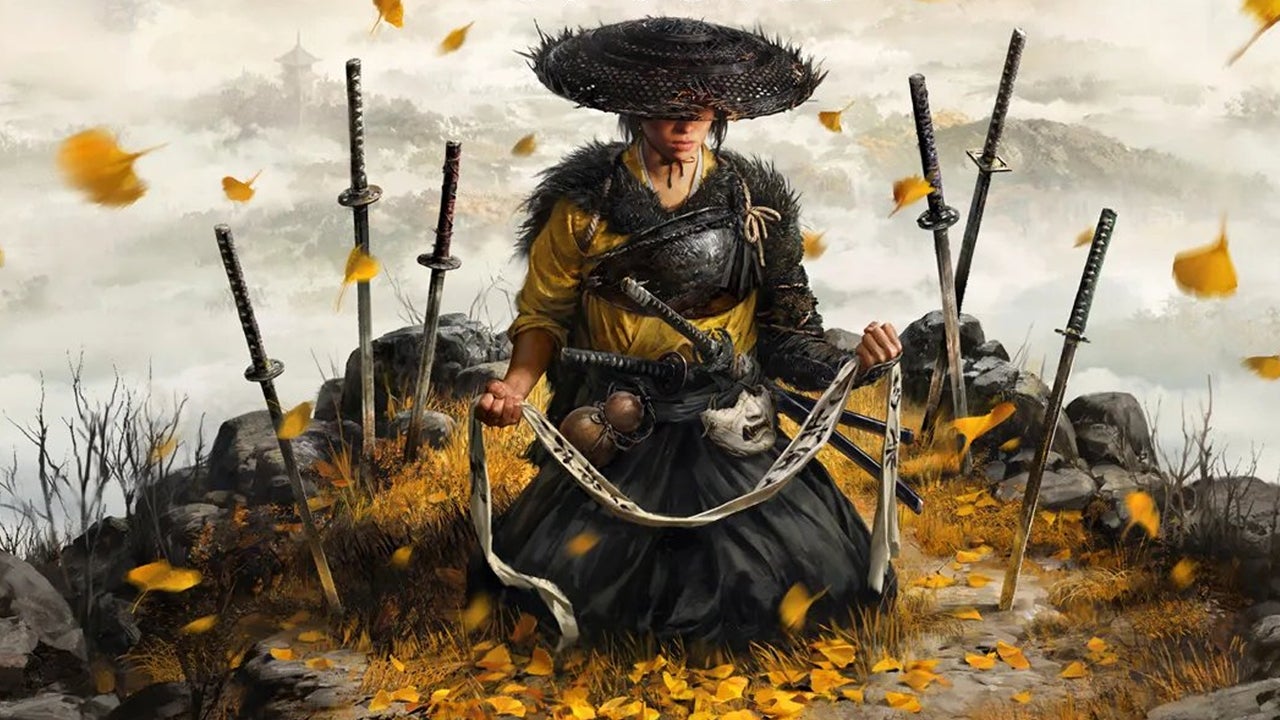
October 2025 Game Releases: The Ultimate Guide to This Month's Biggest Titles
01 Oct, 2025
Gamers, clear your schedules and prepare your wallets - October 2025 is shaping up to be one of the most stacked months in gaming history. From long-awaited sequels to surprising remasters, this month offers something for every type of player. Here's your complete guide to every major release. 🎯 Week 1 Releases (October 1-5) Ghost of Yotei (PS5) – October 2 What It Is: The spiritual successor to Ghost of Tsushima from a new Sony first-party studio, set in the snowy mountains of feudal Japan. Key Features: Dynamic weather system affecting gameplay and visibility Deep samurai combat with new dueling mechanics Morality system that impacts story outcomes Photo-realistic visuals leveraging PS5 hardware Open-world exploration with climbing and traversal elements Why It Matters: As a potential new flagship franchise for PlayStation, Ghost of Yotei represents Sony's commitment to story-driven, visually stunning exclusives. Super Mario Galaxy 1 + 2 (Switch, Switch 2) – October 2 What It Is: The beloved Wii classics completely remastered for Nintendo's current and next-generation systems. Enhancements Include: 4K/60fps support on Switch 2 Updated textures and character models New control schemes for modern controllers All original content preserved Optional motion controls for authenticity Historical Significance: These games represent some of the most creative 3D platformers ever made, now accessible to new generations of players. 🎯 Week 2 Releases (October 6-12) Borderlands 4 (Switch 2) – October 3 What It Is: The latest entry in the iconic looter-shooter franchise, launching simultaneously on Nintendo's new hardware. New Features: Completely new Vault Hunter classes Expanded weapon customization system Cross-play support across all platforms Dynamic world events that change gameplay Enhanced co-op features with shared progression Switch 2 Performance: Early reports suggest the game runs at a stable 60fps in handheld mode, showcasing the new hardware's capabilities. Battlefield 6 (PC, Xbox Series X, PS5) – October 10 What It Is: The return to modern military combat that fans have been requesting since Battlefield 4. Gameplay Innovations: 128-player matches with massive map destruction Dynamic weather that affects vehicle and infantry combat Revamped class system with more specialization options Cross-platform progression and shared unlocks Free post-launch content seasons Competitive Landscape: Positioned as a direct competitor to Call of Black Ops Gulf War, releasing earlier in the month to establish player base. Little Nightmares 3 & Enhanced Edition – October 10 What It Is: The conclusion to the horror puzzle trilogy alongside a complete remaster of the original game. Little Nightmares 3 Features: Two new protagonists with unique abilities Expanded enemy variety and environmental puzzles Optional online co-op campaign Deeper lore connections to previous games Enhanced Edition Upgrades: Complete visual overhaul with ray tracing Expanded areas and new collectibles Behind-the-scenes content and director's commentary 🎯 Week 3 Releases (October 13-19) Pokémon Legends Z-A (Switch, Switch 2) – October 16 What It Is: The follow-up to Pokémon Legends: Arceus set in the Kalos region, exploring the origins of Mega Evolution. Gameplay Evolution: Larger open-world areas with less segmentation Real-time catching and battle transitions Mega Evolution integrated into core gameplay loop Deeper character customization and housing New Pokémon forms and regional variants Technical Improvements: Significantly improved draw distance and frame rate, especially on Switch 2 hardware. Ninja Gaiden 4 (PC, Xbox Series X, PS5) – October 21 What It Is: The revival of the legendary action franchise after over a decade of absence. Combat System: Returns to hardcore difficulty of original trilogy New weapon types and ninpo magic Dynamic dismemberment system Multiple difficulty levels with unique rewards Arena mode with online leaderboards Developer Notes: Team Ninja has reassembled key staff from the original trilogy to ensure authentic feel. Vampire: The Masquerade – Bloodlines 2 (PC, Xbox Series X, PS5) – October 21 What It Is: The long-delayed sequel to the cult classic RPG, completely rebuilt under new development leadership. RPG Systems: Five playable vampire clans at launch Deep dialogue trees with meaningful consequences District reputation system affecting available quests Complex character relationships and politics Multiple ending paths based on player choices World Design: Set in a modern-day Seattle divided between vampire factions, with day-night cycle affecting gameplay. 🎯 Week 4 Releases (October 20-31) Persona 3 Reload (Switch 2) – October 23 What It Is: The definitive version of the modern classic, bringing the complete Persona 3 experience to Nintendo's new platform. Switch 2 Enhancements: Reduced loading times between areas Enhanced visual effects during combat Portable-optimized UI and controls All DLC and additional content included Market Impact: Represents Atlus's commitment to multi-platform releases for their major franchises. The Outer Worlds 2 (PC, Xbox Series X, PS5) – October 29 What It Is: Obsidian's ambitious sequel to their critically acclaimed space-faring RPG. Expanded Scope: Multiple star systems to explore Deeper companion relationships and stories Enhanced character creation with more backgrounds Improved combat with tactical elements More meaningful player choices affecting the narrative Development Background: With Microsoft's increased budget, the team has created a much larger game than the original. Arc Raiders (PC, Xbox Series X, PS5) – October 30 What It Is: A cooperative third-person shooter from former Battlefield developers, focusing on fighting massive mechanical threats. Key Mechanics: Dynamic enemy AI that adapts to player strategies Environmental destruction and manipulation Deep weapon customization and crafting Seasonal content with narrative progression Cross-platform play at launch Mortal Kombat: Legacy Kollection (Switch, Switch 2) – October 30 What It Is: The ultimate celebration of the franchise's history, featuring remastered versions of classic titles. Included Games: Mortal Kombat (1992) - Arcade perfect with online play Mortal Kombat II - Enhanced visuals and new fatalities *Mortal Kombat 3/Ultimate* - Complete character roster Mortal Kombat 4 - First 3D entry with modern controls Behind-the-scenes museum with concept art and interviews Online Features: Rollback netcode for smooth competitive play across all titles. 📈 October 2025 Gaming Market Analysis Industry Impact: This month represents one of the most competitive release schedules in recent memory, with multiple AAA franchises going head-to-head. The timing suggests publishers are positioning their titles for the holiday shopping season while avoiding the crowded November window.
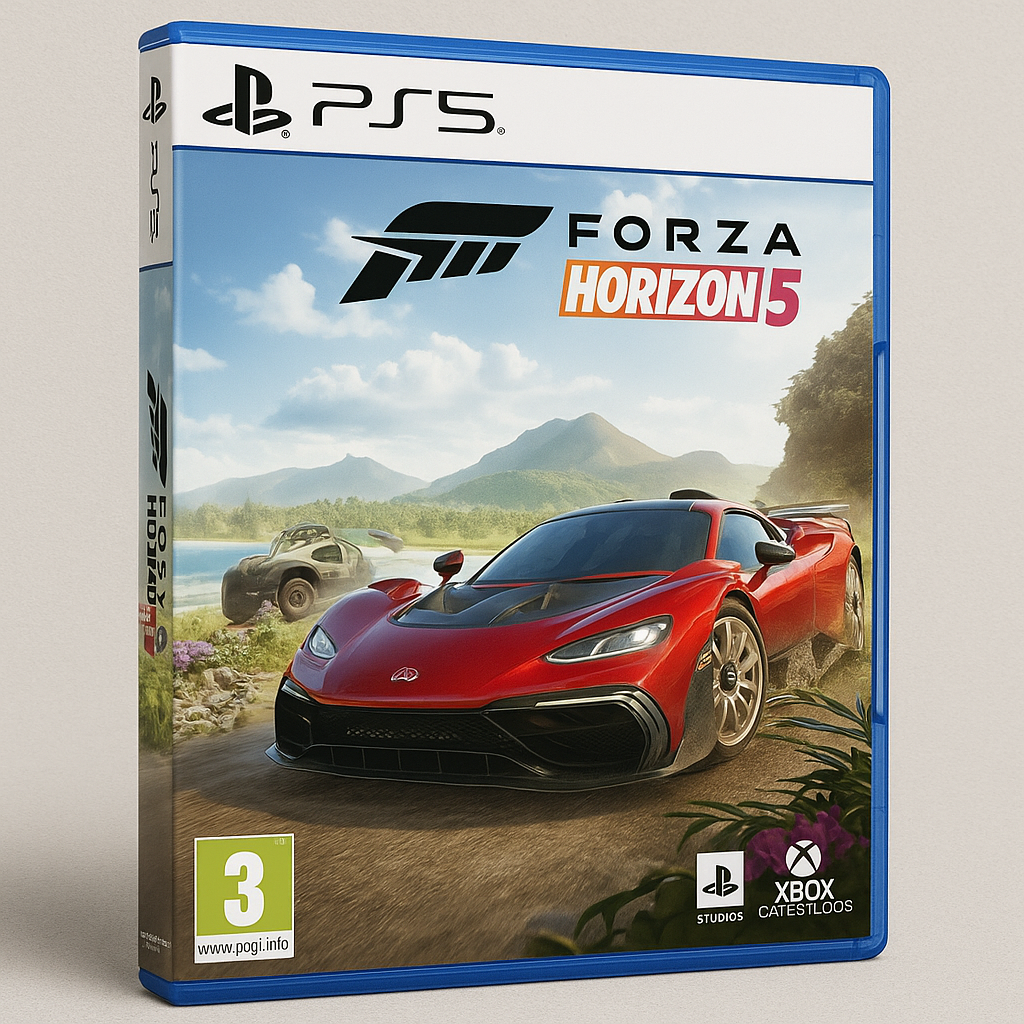
No Forza Horizon Disc? Here’s Why
14 May, 2025
PlayStation gamers, Microsoft said y’all can gladly have Forza Horizon 5… but only as digital download. One of the best racing games I have ever played is finally available on PlayStation but, there is no disc version. Let’s talk about why. Why Only Digital? Microsoft’s move to drop Forza Horizon 5 on PS5 is part of its bigger plan to bring Xbox exclusives to more players without losing control of the ecosystem. Digital only distribution gives Microsoft way more control over how the game is delivered, updated, and monetized. No physical discs means: Easier and faster updates and patches No worries about retail supply chains or packaging delays Tighter grip on licensing and resale restrictions Lower production and shipping costs It’s smart from a business perspective but yeah, not everyone’s thrilled. Why This Bums Out Physical Media Fans Physical games still have a loyal following. I’m definitely a disc lover. Who doesn’t love: Collecting their favorite titles Having a backup in case digital stores vanish The ability to resell, trade, or lend their games That, “I own this” feeling Sure, digital is convenient for some but, it just doesn’t feel the same. So far, Microsoft hasn’t said anything about plans for a disc release down the road. And considering how their ecosystem is leaning, don't hold your breath. Why Is Forza on PS5 At All? For years, Forza Horizon has been an Xbox staple, a flagship racing series with an almost cult-like following. But as Microsoft starts shifting toward a “game everywhere” model (especially after gobbling up studios left and right), the walls are coming down. Putting Forza Horizon 5 on PS5 is a major move toward that cross platform future, where Microsoft cares less about where you play, and more that you’re playing... and preferably spending. It’s also a strategic play to monetize their IP across as many devices as possible, without giving away the keys to the kingdom. Smart move. What Are Your Options? If you’re on PS5 and hyped to drift through Mexico in Forza Horizon 5, here’s what to do: Top up your digital wallet Head to the PlayStation Store Download and hit the road If you’re in Africa, you can grab your wallet top up easily from vividgold.africa Digital Wins This Round Love it or hate it, this is Microsoft dipping a toe into Sony’s pool on their terms. And if it goes well, don’t be surprised if more Xbox titles follow suit. Were you hoping for a disc version? Or are you totally fine going full digital? Let me know in the comments, and until next time stay golden!