![Vivid Gold - Video Game Outlet [KE]](http://vividgold.co.ke/cdn/shop/files/vivid_gold_Inverted_Color_Transparent_bg_1.svg?v=1776417429)


Recent Articles


Xbox Isn't Dead: How New Leadership Just Silenced the Critics
13 Jun 2026
Why Most PC Gamers Are Choosing 1440p Over 4K
26 May 2026
The Three Games That Exposed Ubisoft's Slow Decline
20 Feb, 2026
Ubisoft didn't collapse overnight. There was no single catastrophic failure that brought the French publisher to its knees. Instead, it was a slow, agonising fade a gradual draining of identity, innovation, and player trust from the very franchises that built its empire. For years, Ubisoft was synonymous with the open-world genre. Assassin's Creed, Far Cry, Watch Dogs these were titles that defined an era. But somewhere along the way, the magic curdled. Passion projects became assembly-line products. Ambition was replaced by checklists. Here are the three games that didn't just fail, they exposed exactly what Ubisoft had become. 3: Watch Dogs: Legion (2020) – The Promise That Broke The Concept: "Play as anyone." Recruit any NPC you see in a near-future London to your resistance movement. A revolutionary idea that promised infinite replayability and emergent storytelling. The Reality: A hollow execution of a brilliant concept. The "play as anyone" mechanic quickly revealed its limitations. Most characters felt like interchangeable assets—generic NPCs with shallow voice lines, no meaningful backstory, and zero emotional connection to a narrative that was already struggling for identity. The emotional stakes that made the first Watch Dogscompelling were completely absent. What It Exposed: Marketing Over Substance: Ubisoft sold a tech demo as a game. The core idea was flashy enough to dominate pre-release coverage, but the actual depth wasn't there. Identity Crisis: The first Watch Dogs felt bold and gritty. Legion felt like an experiment that shipped before it was fully baked, revealing a studio more interested in concepts than craft. 2: Far Cry 6 (2021) – The Formula That Finally Broke Players The Concept: A sprawling Latin American revolution led by a charismatic villain played by the legendary Giancarlo Esposito. On paper, this had all the ingredients for a franchise high point. The Reality: A perfectly functional, utterly soulless checklist of Ubisoft's greatest hits. It was another map covered in icons. Another grind to liberate outposts. Another "climb the tower to reveal the region" loop. Esposito's immense talent was wasted in a role that barely interacted with the player, proving that a great actor cannot save shallow writing. What It Exposed: Ubisoft Fatigue: By 2021, the formula had been running on fumes for years. Far Cry 6 didn't innovate; it iterated. And players were finally, openly tired of it. Repetition Over Reinvention: Instead of asking "what does Far Cry need to become?", Ubisoft asked "how can we make the same thing, but bigger?" The result was bloated playtimes with diminished returns on meaning. 1: Skull and Bones (2024) – The Symbol of Systemic Failure The Concept: A AAA pirate RPG where you command your own ship, build a criminal empire, and rule the seas. Marketed for years as the next big thing. The Reality: The ultimate symbol of Ubisoft's mismanagement. After nearly a decade of development, multiple reboots, and endless delays, Skull and Bones launched as a shallow, grindy, live-service skeleton of a game. The ultimate insult? It was immediately and unfavorably compared to Assassin's Creed IV: Black Flag a game Ubisoft itself had made in 2013 which still offered a richer, more engaging pirate experience. What It Exposed: Mismanagement at Scale: This wasn't just a bad game; it was a monument to corporate dysfunction. How could a company spend so much time and money and deliver something that felt older and shallower than a game from a decade prior? The End of Trust: For many longtime fans, Skull and Bones was the final straw. It wasn't another disappointment it was proof that Ubisoft, as a creative force, was no longer capable of delivering on its promises. Conclusion: Death by a Thousand Checklists Ubisoft's decline isn't a story of one catastrophic failure. It's a story of a company that slowly lost the ability to surprise, innovate, or trust its players' intelligence. These three games mark the milestones of that descent: Watch Dogs: Legion showed they could no longer execute on a brilliant idea. Far Cry 6 proved they were trapped in their own exhausted formula. Skull and Bones revealed the rot ran all the way to the core of their development culture. The question now isn't whether Ubisoft can recover it's whether they remember what made them special in the first place. Which Ubisoft game was the moment you realized the company had lost its way? Let us know in the comments.
PS5 Pro and 8K: Hype vs Reality
13 May, 2025
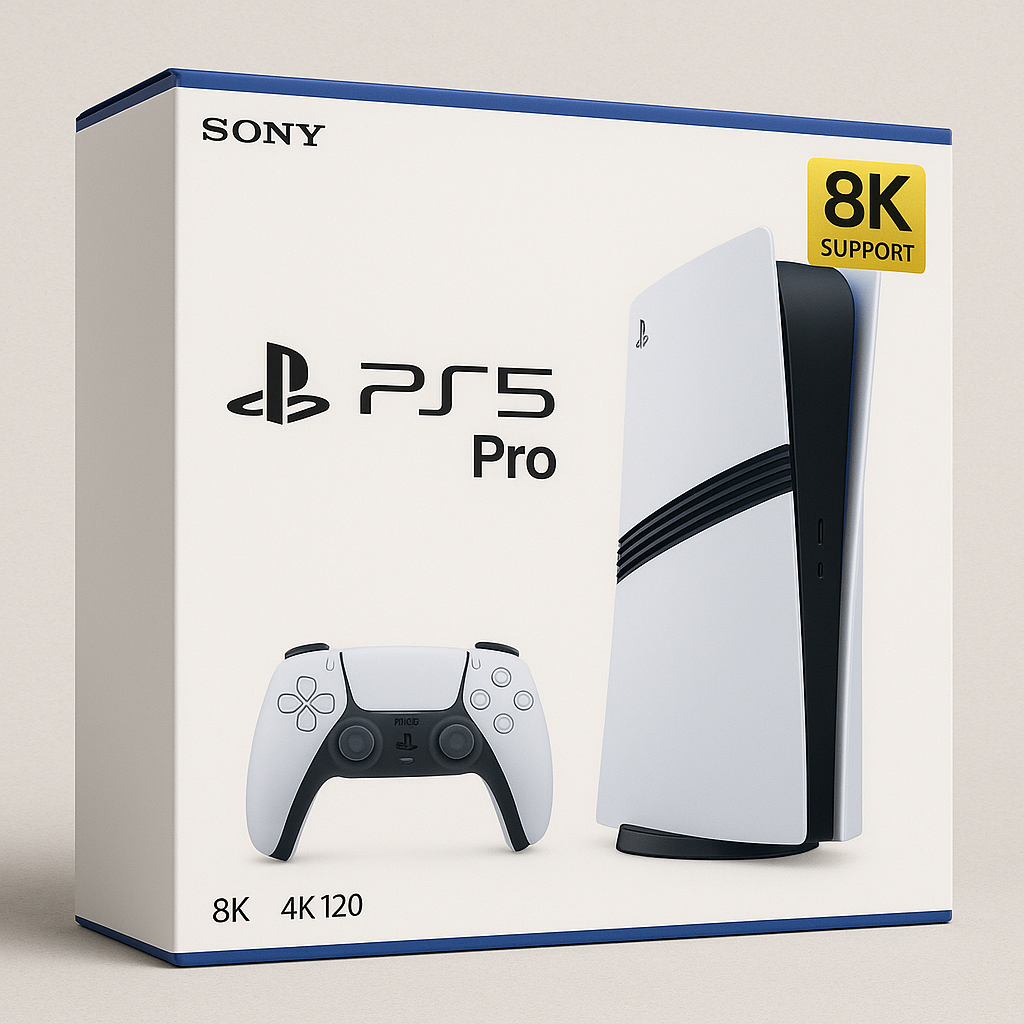
If you’ve ever unboxed a PS5 Pro, you’ve probably seen that shiny “8K” logo stamped somewhere on the box. It’s big, it’s bold, and it sounds futuristic as hell. But here’s the thing, that 8K badge is more marketing flex than gameplay reality. Let’s unpack what “8K support” really means for the PS5 Pro, and whether you’re actually going to be gaming in Ultra-Mega-Crystal-High-Definition anytime soon. Can the PS5 Pro Do 8K? Technically? Yes.Practically? Not really! The PS5 Pro can output 8K resolution, but only if the game supports it and if you’ve got an 8K TV. That’s a very big “if,” multiplied by two. And here's the thing, almost no PS5 games are developed to run natively at 8K. Why? Because rendering a full modern game at 8K is like asking your console to sprint a marathon while juggling flaming swords. It’s just not efficient, or necessary, for most developers. Why Developers Don’t Bother with 8K (Yet) Let’s be real, game devs aren’t trying to melt your console. They’re focused on: 4K resolution at higher frame rates (60fps, 120fps) Better ray tracing Faster load times Stable performance 8K textures and assets are massive, and the performance cost isn’t worth the payoff, especially when most players don’t even own 8K displays. The math just doesn’t add up. So What’s the 8K Label Actually Mean? In reality the 8K label just means that the PS5 Pro can output an 8K signal, not that games are rendered at 8K. Think of it like this... you’ve bought a sports car that can hit 300km/h. But you’re still driving it through rush hour traffic at 80. The potential is there, but the road (or in this case, the software) isn’t ready for it. Where 8K Actually Shows Up: Photo Modes The closest you’ll get to 8K content on PS5 Pro today? Photo mode. Games like: Spider-Man 2, Horizon Forbidden West, Gran Turismo 7 and others let you snap ultra high res screenshots. These images are rendered frame by frame, not in real time, so they can hit crazy pixel counts without killing your console. It’s awesome for wallpaper lovers and virtual photographers, but it’s not actual 8K gameplay. The Future of 8K Gaming on Consoles Will we ever see real 8K gaming on consoles like the PS5 Pro? Maybe. But probably not anytime soon. Most developers aren’t designing for it, and even Sony isn’t pushing it. The latest updates and marketing around the PS5 Pro focus on: 4K fidelity mode enhancements New ray tracing features AI upscaling (like PlayStation Spectral Super Resolution) …not 8K gameplay. The focus is on smarter rendering not higher pixel counts. So, Should You Care About 8K on PS5 Pro? Honestly? Not right now. You’re better off caring about frame rate, ray tracing, load speeds, and visual stability. That’s where the PS5 Pro is really delivering. 8K is just a cherry on top for future proofing. A nice sticker to slap on the box, but not something you'll experience in most games anytime soon. Still holding out for native 8K gameplay? Or are you happy with 4K? Let’s talk in the comments and until next time, stay golden!
The US Tariff's Effect on the Gaming Industry
25 Apr, 2025
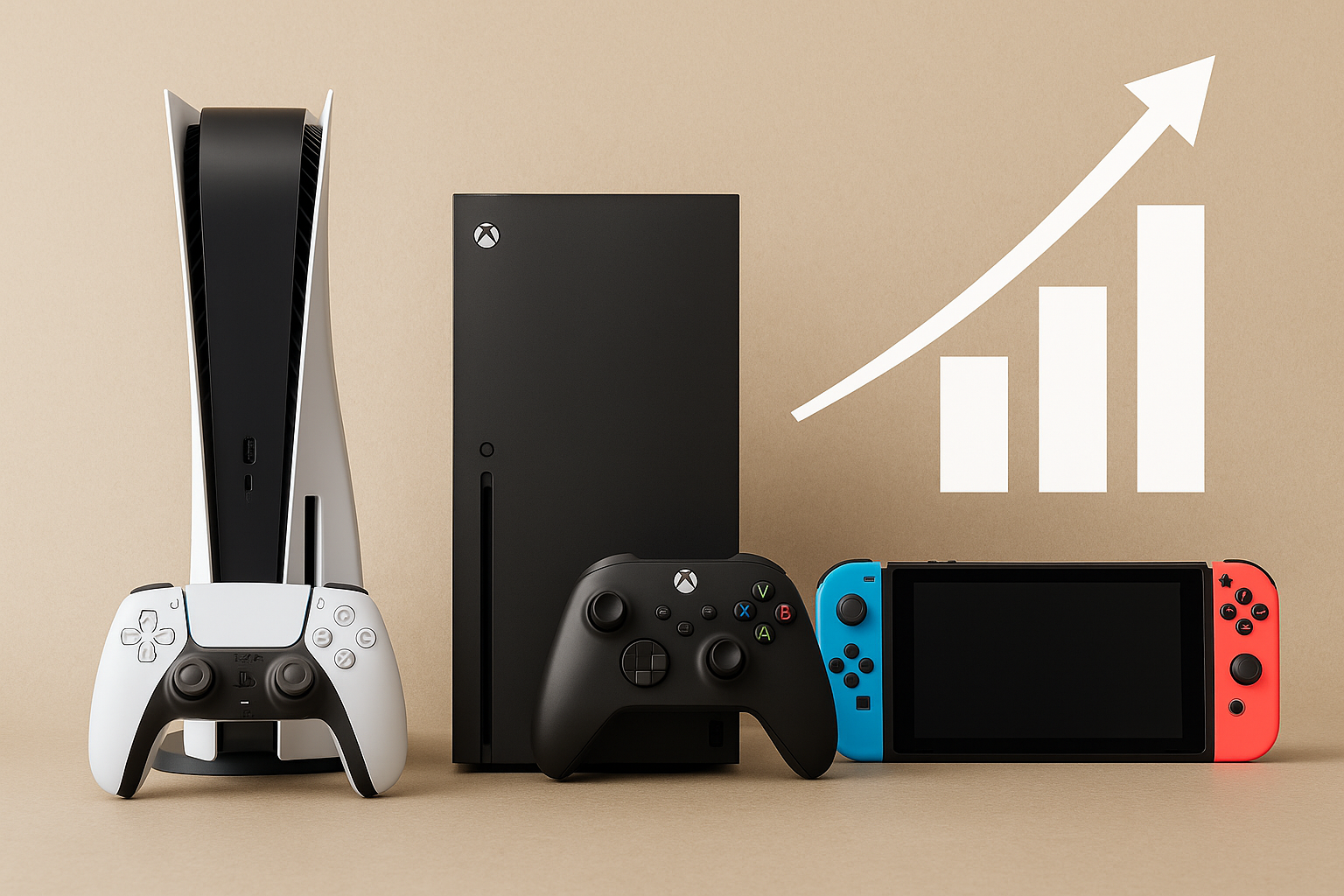
If you were planning on waiting for that sweet price drop to buy the next gen consoles or accessories, I have some terrible news for you my friend. The U.S Tariffs are here and they’re about to make our pockets hurt! So if you're thinking of getting a game console, please get one ASAP, like... now! Let me explain why. So, What’s Going On? Back in February, the US decided to impose tariffs on certain products coming from China (and various other countries) including electronics like consoles, accessories, and parts. When companies like Sony, Microsoft, and Nintendo make a console, a large portion of the parts come from China everything from the microchips inside to the plastic casing is often made overseas. The tariffs now raise the cost of importing these parts, and guess who gets to foot the bill? Yup, we do gamers! How Much Does This Really Affect Us? The question is, how much of the bill are we footing? Let’s see, experts are projecting that at base, game consoles could see a 30% hike in their price. And that's just at base… Yikes. It's not just the consoles either, the price of accessories like gaming headsets, keyboards, and mice are all going to feel the sting. Why Doesn’t the Industry Just Absorb the Cost? Well, here’s the thing: making a console isn’t cheap. Even without tariffs, companies have tight margins. So, when something like a 145% tariff is slapped on imported goods, companies either have to eat that extra cost (which eats into profits) or pass it on to consumers. *Spoiler Alert*: They almost always pass it on to us! What About Smaller Companies? Now, let’s talk about the smaller players accessory makers and indie developers. For them, tariffs can be even more of a nightmare. Many of these companies rely on affordable manufacturing overseas. If their costs go up, they either have to raise prices or sacrifice quality. And as any gamer knows, there’s only so much we’re willing to pay for a generic knockoff controller before we start searching for something that feels just right. Will It Ever Get Better? That’s the big question. There are talks about rolling back some of these tariffs, but with so many industries affected, it’s anyone’s guess when that will happen. Until then, we’ll likely continue to see higher prices on consoles, games, and accessories. Bottom Line? At the end of the day, tariffs are adding a serious cost to your gaming gear. While there’s no easy fix, one thing’s for sure your next console might cost a little more than it would’ve a few years ago… you hate to see it. How does this affect your future gaming plans?
Is The New 2TB Xbox Series X Worth the Upgrade?
28 Nov, 2024
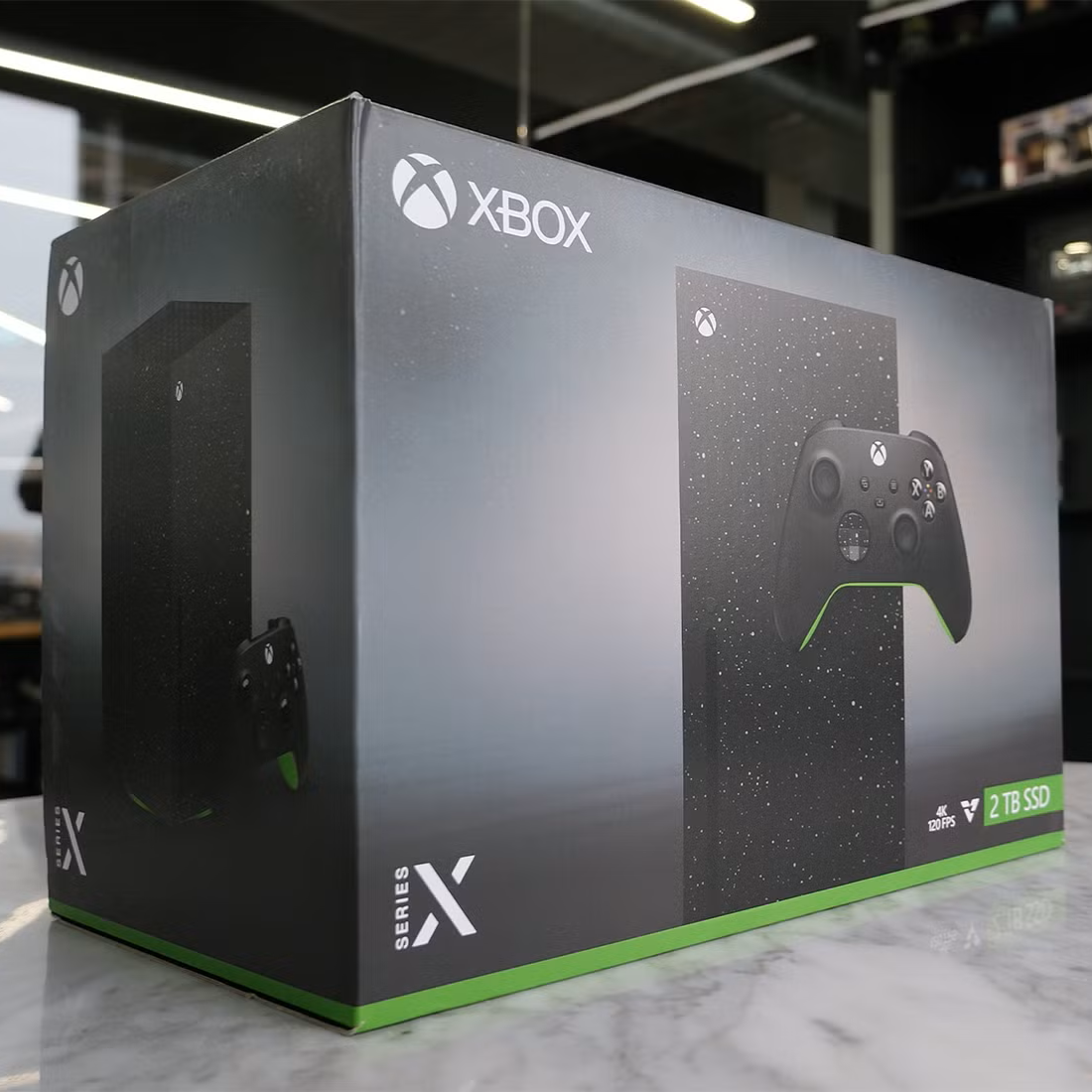
A new contender has entered the console arena: the 2TB Xbox Series X, now boasting more storage, energy efficiency, and a sleek new look. But the question remains—should you buy it? Let’s break it down and see if this upgrade is worth your hard-earned cash. What’s New? Double the Storage The star of the show is the 2TB of internal storage, doubling the capacity of the standard Series X. Pair it with the (admittedly overpriced) 2TB expansion card, and you’re looking at a whopping 4TB of storage—enough space to hold almost 30 “normal-sized” games. That’s double the approximately 15 games you can fit on the original model. For gamers drowning in digital downloads, this extra space could be a game-changer. No more agonizing over which game to delete to make room for the next big title. Energy Efficiency Here’s a surprising twist: this Xbox is 15% more energy-efficient, outperforming even the smaller, digital-only Series S. Sure, it might only shave off a couple hundred shillings from your power bill each month, but with rising costs, every little bit helps. And for the eco-conscious crowd, there’s more good news. The Galaxy Edition packaging is significantly smaller, reducing its carbon footprint. Small wins, but wins nonetheless. Aesthetic Upgrade This isn’t just a console; it’s a vibe. The jet-black design with subtle green accents and starry details is easily one of the most attractive consoles Xbox has released. The included Galaxy Black controller is a stunner, too, with its sleek black design and a unique green grip on the back. It’s stylish, functional, and... still running on AA batteries. Yes, in 2024, Xbox remains committed to the battery life debate. How Does It Compare? Vs. Standard Series X If storage is your main pain point, the 2TB model is worth considering. It’s essentially the same powerhouse console with extra room for your growing library. Vs. PS5 Pro The 2TB Series X undercuts the PS5 Pro in price, making it a more budget-friendly option for next-gen gaming. However, if raw power and performance are your top priorities, the PS5 Pro might still have the edge. Is It Worth It? The 2TB Xbox Series X is ideal for: Digital game collectors tired of deleting titles to make space. Eco-conscious gamers who appreciate small steps toward sustainability. Fans of sleek design who can’t resist that Galaxy Black finish. However, if you’re happy with your standard Series X or prefer spending less, the original model still holds up as one of the best consoles on the market. And for those seeking a small performance boost beyond storage, the PS5 Pro might be calling your name. The 2TB Xbox Series X offers a practical upgrade for gamers who crave more storage and love a polished design. It’s not a must-buy for everyone, but for the right player, it’s a stellar addition to the Xbox lineup. So, what do you think? Is the extra space worth the splurge, or are you holding out for something else? Let’s chat in the comments. And as always, stay golden!