![Vivid Gold - Video Game Outlet [KE]](http://vividgold.co.ke/cdn/shop/files/vivid_gold_Inverted_Color_Transparent_bg_1.svg?v=1776417429)


Recent Articles


Xbox Isn't Dead: How New Leadership Just Silenced the Critics
13 Jun 2026
Why Most PC Gamers Are Choosing 1440p Over 4K
26 May 2026
Beyond Call of Duty: Discover the Best Offline Modded Shooters
10 Feb, 2026
For a generation, the Call of Duty formula linear missions, cinematic set-pieces, and constant forward momentum defined the shooter campaign. But this design came at a cost: a focus on spectacle over systems, and consumption over player agency. A thriving, passionate underground never accepted this as the peak. In the world of PC modding, shooters evolved differently. Freed from the constraints of mass-market appeal, modders have created profound, challenging, and deeply replayable experiences that cater to specific, demanding playstyles. If you crave more than just another thrill ride, these are the best offline modded shooters, categorized by the experience they deliver. 1. For Immersive Worlds: The Half-Life Legacy (Story & World-Building) If your ideal shooter is one where the world is the main character, the Half-Life modding scene remains unparalleled. The Foundation: The original Half-Life and its masterpiece remake, Black Mesa, are masterclasses in environmental storytelling and immersive sim-lite design. The Modded Evolution: Mods like Cry of Fear (a standalone horror masterpiece), Azure Sheep, or They Hunger don't just add levels; they recontextualize the entire experience. They prioritize atmosphere, deliberate pacing, and environmental puzzles over sheer firepower. The Philosophy: These mods operate on a key assumption: the player wants to exist in the world, to uncover its secrets and feel its history, not just sprint to the next checkpoint. They offer a slow-burn, offline narrative depth that most modern shooters have abandoned in favor of relentless pacing. 2. For Systemic Freedom: The STALKER-verse (Open-World RPG Shooters) This is where the modding community has achieved something revolutionary. The S.T.A.L.K.E.R.series, already a cult classic for its bleak, atmospheric "Zone," has been transformed by mods into the ultimate systemic survival-shooter RPG. The Mods: S.T.A.L.K.E.R. Anomaly (and its ultra-refined cousin, GAMMA) are free, standalone overhauls. They are not mere graphical upgrades; they are complete philosophical redesigns. The Depth: These mods introduce deep survival mechanics: weapon degradation that demands constant maintenance, a detailed medical system for treating specific injuries, a hunger/thirst/sleep cycle, and an AI-driven world that operates entirely independently of the player. The Appeal: This is the antithesis of a hand-holding power fantasy. The Zone is indifferent, brutal, and rewarding only to the prepared. It's for players who want their shooter to be a test of adaptation and knowledge, where success comes from understanding complex systems, not just having good aim. 3. For Pure Mechanical Mastery: The DOOM Eternal Playground (Fast Movement & Arena Combat) If your satisfaction comes from flawless execution, perfect movement, and mastering a combat ballet, modern DOOM (2016 and Eternal) provides a near-perfect sandbox—and the modding community sharpens it to a razor's edge. The Foundation: DOOM Eternal is already a peerless masterpiece of combat design, built on a "push-forward" loop of aggression, resource management, and movement. The Modded Challenge: Mods like the Horde Mode mod, custom master levels, and difficulty overhauls (e.g., The Ancient Gods Part 3 - Reimagined) remove any remaining safety nets. They demand absolute precision, weapon switching, and situational awareness. The Philosophy: These mods challenge the modern axiom that "accessible" equals "better." They argue that true depth and satisfaction come from a skill ceiling that is miles high. It's a pure, offline test of reflexes and tactical execution that feels more like a competitive sport than a casual story. 4. For Structured Narrative: The Immersive Sim Revival (Mission-Driven Stories) For players who want a curated, mission-based experience with strong narratives and meaningful choices, the legacy of immersive sims lives on through mods. The Foundation: Games like System Shock 2, Deus Ex, and Thief: The Dark Project. The Modded Legacy: These communities have produced staggering amounts of fan-made campaigns and missions for decades. The System Shock 2 community patch and mods like The Dark Mod (for Thief-style gameplay) offer entirely new, professionally crafted stories that rival the originals in atmosphere and clever design. The Philosophy: This style proves that a powerful narrative emerges from player choice and environmental discovery, not just pre-rendered cutscenes. These mods offer replayable, intellectually engaging campaigns where your approach (stealth, combat, hacking) genuinely shapes the outcome, providing a narrative depth most scripted shooters can't match. Conclusion: The Underground That Refuses to Compromise The world of offline modded shooters isn't a nostalgia trip. It's a thriving alternate timeline for the genre—one where depth, challenge, and player agency were never sacrificed at the altar of accessibility and cinematic presentation. These experiences answer a simple question: What do you want from a shooter? A world to get lost in? Play a Half-Life mod. A harsh system to survive? Boot up STALKER GAMMA. A skill-based arena to master? Mod your DOOM Eternal. A clever story to outthink? Revisit System Shock 2 with new campaigns. They don't ask for permission from trend charts. They offer a simple trade: meet them on their terms of complexity and freedom, and they will reward you with some of the most memorable and personalized shooter experiences possible. Which modded shooter philosophy speaks to you? Are you a systems survivalist, an arena master, or an immersive storyteller?

Top 5 must-play platformer games that deliver timeless fun and unforgettable gameplay.
16 Jan, 2026
The platformer is gaming's most timeless genre. While its 2D foundations were laid in the 8-bit era, it has never stopped evolving. Today's best platformers are masterclasses in movement, creativity, and emotional storytelling, proving the simple joy of jumping is more sophisticated than ever. Forget nostalgia; this list ranks the modern masterpieces that have pushed the genre forward. Here are the top 5 platformer games you need to play. 5. Crash Bandicoot 4: It's About Time The Legacy: A triumphant return that proved a classic mascot could thrive in the modern era.Why It's a Top Platformer: Crash 4 doubles down on precision and brutal, satisfying challenge. It introduces brilliant new mechanics like dimension-switching masks and adds multiple playable characters, each with unique movement. The debate around its difficulty is part of its identity, it’s a game for players who find joy in mastering its tight, unforgiving levels.Perfect For: Players who love a stern but fair test of skill and appreciate meticulously crafted, challenging stages. 4. Rayman Legends The Legacy: A peak of 2D artistry and rhythmic gameplay that remains tragically under-celebrated.Why It's a Top Platformer: This game is pure, unadulterated joy. Its hand-painted visuals are stunning, and its controls are flawlessly fluid. The legendary music levels, where every jump and attack syncs perfectly to the soundtrack, are a genre-high moment. It’s a masterclass in 2D design that proves "fun" can be a game's entire, successful philosophy.Perfect For: Anyone who believes 2D platformers are a visual art form, and for fantastic local co-op chaos. 3. Hollow Knight The Legacy: A genre-blending masterpiece that uses platforming as a pillar of its immersive world.Why It's a Top Platformer: While often labeled a Metroidvania, Hollow Knight’s platforming is central to its exploration and challenge. Unlocking new movement abilities like the dash and wall-jump opens the haunting world of Hallownest. The infamous White Palace stands as one of the most demanding and rewarding pure platforming sequences in any game, making traversal a core skill for survival.Perfect For: Explorers who want their platforming to be part of a deep, atmospheric, and rewarding world. 2. Celeste The Legacy: The modern gold standard for precision platforming paired with profound storytelling.Why It's a Top Platformer: Celeste achieves a rare harmony. Its razor-sharp controls and devilishly creative levels offer a supreme challenge for experts. Simultaneously, its compassionate story about overcoming anxiety and its fully-featured Assist Mode make it one of the most accessible and emotionally resonant games ever made. It’s a masterpiece of inclusivity and design purity.Perfect For: Players who want a tough-as-nails challenge with a big heart, and anyone who values gaming accessibility. 1. Super Mario Odyssey The Legacy: The reigning champion of 3D platforming and a celebration of creative freedom.Why It's a Top Platformer: Odyssey redefines what a 3D platformer can be. The revolutionary Capture mechanic turns enemies and objects into new tools for movement and puzzle-solving, offering endless surprises. It trades punitive difficulty for boundless creativity, inviting players to find their own path through its vibrant kingdoms. It’s a game that trusts the player's curiosity above all else, making every discovery a delight.Perfect For: Everyone. It is the pinnacle of joyful, inventive, and accessible 3D exploration. Conclusion: A Genre in Constant Flight This list could easily include legendary names like Super Mario 64, Sonic Mania, Ori and the Will of the Wisps, or Super Meat Boy. That's the strength of the platformer—its ceiling is incredibly high. These five games demonstrate the genre's vibrant evolution: from precision challenge and rhythmic artistry to immersive exploration and pure creative joy. They prove that the simple act of jumping, when paired with visionary design, remains one of gaming's most powerful and enduring foundations. Which platformer do you think defines the genre? Did we miss a modern classic?

Video games everyone should play at least once
13 Jan, 2026
The true power of video games isn't just in entertainment, it's in their unique ability to communicate ideas, evoke emotions, and create experiences that are impossible in any other medium. This isn't a list of the most popular or best-selling games. This is a curated guide to the essential titles that, when played, teach you something fundamental about what games are and what they can become. These are the games that define the art form. 1. The Masters of Pure Gameplay These games strip away everything but the core interaction, proving that rules and mechanics alone can create timeless art. Tetris: The ultimate proof of concept. With no story, characters, or graphics, its abstract perfection teaches pattern recognition, spatial reasoning, and the beautiful agony of "just one more try." It is gameplay in its purest, most potent form. Super Mario Bros. (or Odyssey): The universal language of joy and movement. A Mario game teaches you everything you need to know through level design. It’s a masterclass in intuitive controls, escalating challenge, and the sheer, unadulterated fun of jumping. 2. Challenge That Creates Meaning These games redefine difficulty, transforming frustration into profound personal achievement and storytelling. Dark Souls: Not just hard, but fair. Its genius is in making every death a lesson. It builds a world of quiet, somber beauty where your perseverance is the story. It teaches patience, observation, and the unmatched satisfaction of earning every victory. Celeste: A game that pairs razor-sharp, demanding platforming with a deeply empathetic story about anxiety and self-acceptance. Its "Assist Mode" removes the stigma from accessibility, proving that a game can be both incredibly challenging and profoundly kind. 3. Stories That Could Only Be Played These narratives are inseparable from the act of playing. You don't watch the story, you enact it. The Last of Us: Its power doesn't come from cinematic cutscenes alone, but from making you perform the violence in a broken world. The emotional weight is carried in the quiet moments you control between the action, forging a bond through shared struggle that feels earned, not just shown. Disco Elysium: A revolution in RPGs. By removing combat, it makes dialogue, skill checks, and internal monologue the entire game. Your choices in conversation genuinely reshape the world and your broken detective, proving that the most epic battles can be fought with ideas and memories. 4. Freedom, Systems, and Emergent Play These games provide the tools and set the rules, then step back to let your curiosity be the guide. The Legend of Zelda: Breath of the Wild: A landmark in open-world design that trades quest markers for genuine discovery. Its chemistry and physics systems allow for endless creative problem-solving. It doesn't guide you; it trusts you to find your own adventure. Minecraft: More than a game, it's a digital canvas and a lesson in emergent complexity. From simple blocks, players build computers, tell stories, and create entire communities. It is the ultimate testament to player-driven creativity. 5. Unparalleled Immersion & Atmosphere These games are masterclasses in building believable worlds you don't just see, but feel. Half-Life 2: The pinnacle of environmental storytelling and seamless immersion. There are no cutscenes that take control away; the narrative unfolds around you as you move through a crumbling, oppressive world. You are always present, always participating. Red Dead Redemption 2: An obsessive simulation of a dying era. It forces you to live at its pace—to track animals, care for your horse, and sit by the campfire. This deliberate slowness makes the world feel tangible and the eventual narrative payoffs devastatingly personal. 6. Games That Redefine the Medium These titles challenge our very definition of what a game can be and how it can make us feel. Shadow of the Colossus: A haunting meditation on violence and consequence. Each magnificent boss you defeat is a tragic act, making you question your role as the "hero." It transforms the core gameplay loop of combat into a profound emotional experience. Journey: An experiment in anonymous, wordless connection. Partnering with a stranger to traverse a beautiful, desolate landscape creates a unique bond built entirely on cooperation and empathy. It proves that communication in games doesn't need words, just shared intention. Conclusion: The Expanding Canvas You don't have to love every game on this list. But to play them is to take a masterclass in the language of interactive art. They demonstrate that video games can be puzzles, stories, worlds, tools, and emotional journeys. The medium's power lies in this incredible diversity. To understand its past, present, and breathtaking future, these are the essential experiences. Which game do you think is the most essential, and why? Are there any titles you would add to this foundational list?
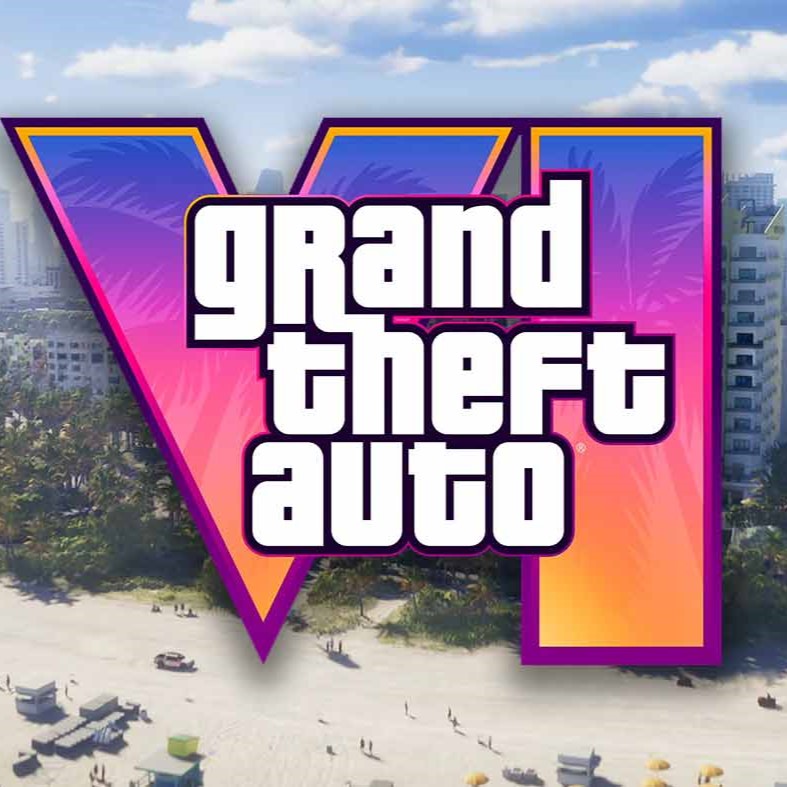
Can You Earn Real-World Money in GTA VI?
03 Dec, 2024
If the buzz surrounding GTA VI is true, we might be on the brink of a gaming revolution. Rumors of a trading and economy overhaul are making waves—and if Rockstar pulls this off, it could be a game-changer for both virtual and real-world economies. The Grind of GTA V Online Let’s face it: GTA V Online has been a massive success for Rockstar, but it’s also a grind-fest. Want to open a new business? Clear your weekend—or buy a shark card. Eyeing that sleek new supercar? Better call in sick to grind missions—or, you guessed it, buy a shark card. The in-game economy is frustratingly rigid. Trading between players? Practically nonexistent. Sure, it’s still a fun game (trust me, I’ve spent more hours on it than I care to admit), but the system feels more like a chore than a sandbox at times. Enter the Rumors: A Player-Driven Economy Now imagine this: a player-driven economy where you can trade, barter, and build businesses from scratch. That’s what the whispers about GTA VI suggest, and it’s got fans buzzing. Rockstar might be taking notes from fan-made GTA RP servers like FiveM or NoPixel. If you’re unfamiliar, these servers already let players take on roles as cops, medics, black-market dealers—even fast-food workers. Yes, there are players out there flipping virtual burgers and loving every second of it. Here’s the kicker: what if these roles came with actual paychecks? Imagine earning in-game money as a medic or setting up a booming virtual empire without grinding through repetitive missions. A dynamic, living economy would make GTA VI feel alive, creating opportunities for players to make meaningful contributions to the game world while having fun. Could Virtual Jobs Pay IRL Cash? Now for the wild part: rumors of blockchain integration. What if Rockstar takes things a step further and ties some in-game assets to real-world value? Picture this: Virtual cars backed by cryptocurrency. Real estate sold as NFTs. Businesses in GTA VI generating income that could be converted into actual money. It sounds futuristic—and let’s be honest, a little risky—but the possibilities are mind-blowing. Imagine logging into GTA VI to earn more money as a virtual cop than an actual police officer. In some places (cough Kenya cough), this could genuinely be the case. Challenges and Risks Of course, there are hurdles to making this vision a reality: Balancing the EconomyIf virtual assets start holding real-world value, it could lead to inflation, exploitation, or pay-to-win scenarios. Rockstar would need to manage this carefully to keep the game fair and fun. Blockchain ControversyWhile blockchain integration offers exciting potential, it’s still a divisive topic. Not everyone is on board with crypto or NFTs, and Rockstar would need to navigate the backlash if they choose this path. Player AccessibilityA system tied to real-world money might alienate casual players or those without access to certain financial tools. Keeping the game inclusive will be key. What We Hope to See So Rockstar, if you guys are listening, here’s what we want: Freedom: Let us create and trade freely within the game’s economy. Fairness: No more pay-to-win. A balanced system that rewards effort and creativity is essential. A Virtual Minimum Wage: If we’re putting in time as virtual medics or burger flippers, give us something meaningful in return. The Future of Gaming? Whether these rumors turn out to be true or not, the mere possibility of GTA VI blurring the lines between virtual and real-world economies is exciting—and a little terrifying. This could redefine how we think about gaming, work, and money in a digital age. But for now, all we can do is wait, speculate, and dream about a future where our in-game grind finally pays off—literally. Your Turn What do you think? Would you dive into a player-driven GTA VI economy? Are you hyped—or skeptical—about the idea of earning real-world money in a game? Let’s hash it out in the comments. Until next time, stay golden!