![Vivid Gold - Video Game Outlet [KE]](http://vividgold.co.ke/cdn/shop/files/vivid_gold_Inverted_Color_Transparent_bg_1.svg?v=1776417429)


Recent Articles


Forza Horizon 6 Leak Disaster: Players Risk Lifetime Bans for Early Access
14 May 2026
Star Fox Returns: Nintendo Switch 2 Remake Revives an Arcade Legend
08 May 2026
Most Realistic Games Ever Made
10 Nov, 2025
he pursuit of realism in video games has evolved from simple visual fidelity to creating immersive, believable worlds that engage all our senses. True realism isn't just about how a game looks it's about how it feels, behaves, and responds. Today, we're examining three titles that have each redefined realism in their own way, pushing the boundaries of what's possible in interactive entertainment. 1. Microsoft Flight Simulator: The Digital Twin of Earth When it comes to sheer scale and environmental replication, no game comes close to Microsoft Flight Simulator. This isn't just a game; it's a living, breathing digital replica of our entire planet. Global Simulation: Using Bing Maps satellite data and Azure AI, the game generates over 1.5 billion buildings, mountains, roads, and forests. You can literally fly from your local airport and recognize landmarks from your own neighborhood. Live Integration: The game incorporates real-time weather data, including live wind patterns, temperature, and cloud cover. Flying through a hurricane in the game means a real-world storm is happening somewhere on the globe. Professional-Grade Physics: The flight models are so meticulously crafted that actual pilots use the simulator for training and familiarization, making it the pinnacle of technical and environmental realism. 2. Red Dead Redemption 2: A World That Breathes While Microsoft Flight Simulator replicates the world from above, Red Dead Redemption 2 builds a tangible, living world from the ground up. Its genius lies in its obsessive attention to detail and systemic world-building. A Living Ecosystem: Animals hunt, graze, and react to threats with believable instincts. You can track prey for miles based on realistic footprints and clues. Unscripted Immersion: Mud accumulates on your clothes and weapons, your horse's trust must be earned, and NPCs remember your actions and react accordingly. The world doesn't feel like a backdrop for a story; it feels like a place that exists without you. Emotional Realism: From the nuanced facial animations to the weighty, deliberate animations, every action feels grounded. This creates a powerful connection to the character and the world, making the story's emotional beats land with incredible impact. 3. Squad: The Chaos and Communication of Combat For a raw, unflinching look at tactical combat, Squad is in a league of its own. It sacrifices Hollywood spectacle for a brutal, team-based authenticity that is as punishing as it is rewarding. Communication is Key: Unlike most shooters, running in alone is a death sentence. Success hinges on constant communication with your squad using positional audio and radio commands, mirroring real military tactics. Ballistics and Suppression: Bullets are subject to realistic physics, including travel time and bullet drop. Suppressive fire isn't just a visual effect; it blurs your vision, muffles sound, and instills a genuine sense of fear, forcing tactical movement. Logistics-Driven Warfare: The game incorporates a full logistics system where teams must build forward operating bases and manage supply lines. This strategic layer adds a depth of realism absent from almost all other military shooters. Conclusion: Realism is a Multi-Faceted Goal As these three games demonstrate, "realism" is not a single target. Microsoft Flight Simulator achieves technical and environmental realism on a global scale. Red Dead Redemption 2 masters systemic and behavioral realism, creating a world that feels authentically alive. Squad focuses on tactical and social realism, where victory depends on human coordination and realistic combat mechanics. Together, they prove that the most immersive experiences are born not just from stunning graphics, but from worlds that operate by believable rules and react to the player in meaningful ways. What game do you think is the pinnacle of realism? Is it the visual detail, the physics, or the AI that makes a game feel real to you?

Ghost Of Yotei
08 Nov, 2025
Quick Verdict: Ghost of Yotei is not just a worthy successor to Ghost of Tsushima; it is a definitive evolution. With its deeply satisfying combat, breathtaking world, and flawless technical performance, it stands as one of the best PlayStation 5 exclusives of 2025. Aspect Rating Gameplay & Combat 10/10 Story & Characters 8/10 Visuals & Art Direction 10/10 Immersion & Haptics 10/10 Performance & Polish 10/10 Overall 9.5/10 Introduction: A Familiar Spark, Sharpened From the first moments of Ghost of Yotei, it’s clear that Sucker Punch Productions has done it again. As a spiritual successor to the beloved Ghost of Tsushima, this 2025 PS5 exclusive captures the same magic that made its predecessor a classic, while refining and expanding upon it in nearly every way. It’s a familiar spark, honed to a razor's edge. Gameplay: Fast, Fluid, and Deeply Tactical This is where Ghost of Yotei truly shines. The combat is a significant step up, feeling faster, more fluid, and incredibly satisfying. The cinematic, Kurosawa-inspired flair is back, but it's the expanded arsenal that changes everything. Expanded Weapon Arsenal: Moving beyond the single katana, you now have access to a variety of weapons, each with a unique feel: Dual Katanas for rapid, flurry-based attacks. Odachi for powerful, sweeping blows that break guards. Kusarigama for controlling space with its chain and sickle. Yari Spear for keeping enemies at bay with long-range pokes. New Tools & Tactics: Primitive firearms and flame attachments add a new layer of strategy to encounters, allowing for creative solutions to enemy camps. Rewarding Progression: Skill points are earned through exploration and completing meaningful side quests, rewarding your curiosity rather than forcing you to grind. The Duel System: The one-on-one duels return and are more tense and artistically framed than ever, feeling like a true test of skill and timing. A World You Can Feel: PS5 Immersion at its Finest Ghost of Yotei is a showcase for the PlayStation 5's capabilities, particularly the DualSense controller. Haptic Feedback: You feel the subtle differences in terrain underfoot, the rhythm of your horse's gallop, and the impact of every sword clash. Adaptive Triggers: Drawing a bowstring creates a tangible tension in the trigger, making every shot feel deliberate and weighty. This isn't a gimmick; it's a fundamental part of the experience that deepens your connection to the world. A Visual and Auditory Symphony Building on the foundation of Tsushima, the art direction in Yotei is nothing short of stunning. The color palette is richer, dynamic weather systems are more dramatic, and the lighting creates scenes that look like living paintings. The sound design is equally masterful. The guiding wind is back, now accompanied by a golden bird whose chirps lead you to secrets. Every environmental sound, from rustling grass to distant storms, works in concert to create a perfectly immersive atmosphere. The Story: A Tale of Revenge and Redemption The narrative follows Atsu, a lone mercenary on a path of vengeance against the "Yotei 6," the group responsible for massacring her family. While the core revenge plot can feel familiar and occasionally predictable, the game's strength lies in its emotional depth. Atsu's journey evolves from a single-minded quest for retribution into a poignant exploration of trauma, healing, and the bonds we form to overcome our past. Performance and Replayability Flawless Performance: The game targets a smooth 60 FPS, features near-instant loading, and is remarkably polished with no noticeable bugs. Enduring Content: After the credits roll, a wealth of post-game activities awaits, including bounties, hidden challenges, and collectibles that encourage continued exploration of its beautiful world. The Verdict: Is Ghost of Yotei Worth It? Yes, without a doubt. Pros: Incredibly fluid, deep, and satisfying combat. Breathtaking visual and sound design. Masterful use of the PS5's DualSense controller. Flawless technical performance and high replay value. Cons: The core revenge narrative can feel predictable at times. Ghost of Yotei is a beautiful, emotional, and unforgettable experience. It takes everything that worked in Ghost of Tsushima and improves upon it, resulting in one of the most compelling and polished action-adventure games of the year. Final Score: 9.5/10 - Excellent

Top 5 Survival Games
07 Nov, 2025
In the world of survival games, every sunrise is a victory and every mistake can be your last. This genre forces you to be clever, resilient, and creative, turning simple resource gathering into unforgettable stories of perseverance. From building shelters in the wild to crafting gear from scraps, the survival genre is packed with incredible experiences. But which ones truly stand out? We've narrowed down the five absolute must-play titles that every fan should experience. 5: Don't Starve – A Brutally Charming Classic Kicking off our list is the game that perfectly blends a charming, Tim Burton-esque art style with a brutally unforgiving survival loop. In Don't Starve, you're not just fighting hunger; you're managing your sanity and fending off monsters that emerge from the shadows. The Hook: Its unique hand-drawn aesthetic hides a deeply challenging and complex game. The Challenge: The game doesn't hold your hand. Death is permanent in the standard mode, making every decision feel consequential. Perfect for players who love a tough, clever challenge and a world that feels truly mysterious and dangerous. 4: Enshrouded – The Newcomer Redefining the Genre A relatively new entry that has taken the community by storm, Enshrouded masterfully fuses deep RPG mechanics with classic survival systems. You'll explore a vast, fog-covered world where a deadly miasma (the "Shroud") forces you to constantly be on the move. The Hook: It combines the skill-based combat of an action RPG with satisfying base-building and crafting. The Challenge: Navigating the lethal fog and the powerful creatures within it creates a constant, thrilling tension. Perfect for players who want a rich, exploration-driven adventure with friends and a more structured progression path. 3: Rust – The Ultimate Test of Paranoia If you're looking for a pure, unfiltered test of your wits against other players, look no further than Rust. You start with nothing but a rock and must scavenge, build, and fight to establish a foothold in a world where every other player is a potential threat or a temporary ally. The Hook: The intense player-versus-player (PvP) interactions create emergent, often chaotic, stories of betrayal and conquest. The Challenge: The real challenge isn't the environment; it's the other people. Server wipes ensure a brutal but fair playing field for all. Perfect for players who thrive on high-stakes competition and aren't afraid of a little (or a lot of) chaos. 2: Subnautica – An Underwater Masterpiece of Wonder and Dread Subnautica stands apart by trading the typical forest or desert setting for a breathtaking and terrifying alien ocean. After crash-landing on planet 4546B, you must dive deep into vibrant coral reefs, mysterious caves, and terrifyingly dark trenches to survive. The Hook: A powerful sense of wonder and discovery drives the experience. The game tells a compelling story purely through exploration and environmental clues. The Challenge: Overcoming thalassophobia (fear of the deep ocean) while managing oxygen, hunger, and the terrifyingly beautiful creatures that lurk in the depths. Perfect for players who love exploration, sci-fi mystery, and games that deliver a powerful emotional punch. 1: Valheim – A Perfect Viking Saga Topping our list is the Viking-inspired masterpiece, Valheim. This game struck a perfect chord in the gaming community by balancing challenging survival mechanics with immense creative freedom. From sailing longships across stormy seas to building epic mead halls and battling mythical bosses, every moment in Valheim feels earned and epic. The Hook: The "work hard, play hard" philosophy. Grinding for resources directly translates into the ability to build incredible structures and craft powerful gear. The Challenge: The boss-progression system gates your advancement, requiring you to prepare thoroughly for each monumental fight. Perfect for players who want a tough but fair survival experience, especially with friends, and love the satisfaction of building a home from nothing.

PlayStation Plus Monthly Games for November 2025
06 Nov, 2025
Sony has unveiled the PlayStation Plus Monthly Games for November 2025, and it's a brilliantly diverse lineup. Whether you're in the mood for a heartfelt indie adventure, a gritty racing simulation, or some pure, physics-based chaos, there's something for every type of gamer. All games are available to claim from Tuesday, November 4, until Monday, December 1. As always, remember to add them to your library to keep them as long as you have an active PS Plus subscription. Let's dive into the three titles you'll be playing this month. 1. Stray Platforms: PS5, PS4 Step into the paws of an adorable feline in one of the most unique and beloved indie adventures of recent years. Stray lets you explore a decaying cybercity, solving environmental puzzles and uncovering a profound mystery alongside a small drone companion. Why You Should Claim It: A Unique Premise: The game’s perspective and movement are entirely built around being a cat, leading to incredibly charming and immersive moments. Emotional Story: Don't let the cute exterior fool you; it packs a narrative punch. Atmospheric World: The neon-drenched, cyberpunk alleys are an absolute joy to explore. Even if you missed it on other tiers, this is the perfect chance to experience this critically acclaimed gem. 2. EA Sports WRC 24 Platforms: PS5 For those who crave high-octane, precision-based racing, EA Sports WRC 24 is your game. As the official title of the FIA World Rally Championship, this game from legendary developers Codemasters delivers an authentic and thrilling rally experience. Why You Should Claim It: Authentic Rally Physics: Master the art of sliding on dirt, gravel, and tarmac with a deep and realistic driving model. Extensive Content: Take on a full career mode, build your own rally car, and race on a huge variety of real-world stages. A True Challenge: This is a fantastic pick for racing fans looking for a more hardcore and rewarding experience than typical arcade racers. 3. Totally Accurate Battle Simulator (TABS) Platforms: PS5, PS4 Get ready for uncontrollable laughter with Totally Accurate Battle Simulator. This wildly popular physics sandbox game lets you set up absurd battles between wobbly armies of historical and fantasy units. The results are as hilarious as they are unpredictable. Why You Should Claim It: Pure, Chaotic Fun: The jiggly physics are the star of the show, creating endless comedic moments. Surprisingly Deep: Beneath the silliness lies a legitimately fun and creative strategy game. Great for All Ages: Perfect for a quick, stress-relieving session or for sharing some laughs with friends and family.

PlayStation Halloween Sale 2025
03 Nov, 2025
The air is getting colder, the nights are getting longer, and the PlayStation Store is filled with spine-chilling discounts. The annual PlayStation Halloween Sale is officially live, offering the perfect excuse to dive into some of the greatest horror games ever made. With the sale ending on November 5, 2025, time is of the essence. We've sifted through the offerings to bring you the five best deals that deliver maximum terror for your money, with all prices in Kenyan Shillings (KSH). 1. Resident Evil 4 Remake – 50% Off Sale Price: Ksh 2,600 The gold standard for action-horror has never been more accessible. This isn't just a remaster; it's a ground-up reimagining that masterfully modernizes Leon S. Kennedy's iconic mission. With breathtaking visuals, intensely refined combat, and an atmosphere that will keep you on edge from start to finish, this is an essential play for any horror fan. At 50% off, it's an unmissable steal. 2. Silent Hill 2 Deluxe Edition – 50% Off Sale Price: Ksh 4,550 (Price will vary based on discount) Return to the fog-drenched streets of Silent Hill in this stunning, from-the-ground-up remake. A landmark in psychological horror, Silent Hill 2 delivers a deeply unsettling story of grief, guilt, and monsters both external and internal. The Deluxe Edition enhances the experience with its hauntingly beautiful visuals and atmospheric sound design rebuilt for the modern era. If you crave a story that will stick with you long after the credits roll, this is your game. 3. Bloodborne – Ksh 1,300 Sale Price: Ksh 1,300 FromSoftware's gothic masterpiece remains a pinnacle of PlayStation exclusivity and a masterclass in cosmic horror. Venture into the cursed city of Yharnam, where aggressive combat, a twisted narrative, and an unforgettable world await. For the incredibly low price of just Ksh 1,300, you can experience one of the most acclaimed games of all time. This deal is a horror in itself—it's almost criminal how much value you get. 4. Dead by Daylight – Ksh 1,560 Sale Price: Ksh 1,560 For those who prefer their scares with a social element, Dead by Daylight is the ultimate multiplayer horror experience. This asymmetrical 4v1 game lets you play as both a powerful killer and a resourceful survivor. With a massive roster of iconic characters from your favorite horror franchises, the gameplay is endlessly replayable and perfect for chaotic fun with friends. At this price, it's the perfect package for scream-filled game nights. 5. Five Nights at Freddy's – Discounted Price Sale Price: Ksh 650 (Example Price - adjust based on actual sale) The indie phenomenon that launched a thousand YouTube careers is on sale! Experience the original tense, resource-management horror as you fend off animatronic nightmares through security cameras. It’s a jump-scare fueled, anxiety-inducing classic that defined a generation of indie horror. For just Ksh 650, it's the perfect pick for a classic, bite-sized fright. Don't Wait—These Deals Vanish on November 5th! These terrifyingly good prices won't last forever. The PlayStation Halloween Sale ends on November 5, 2025, so now is the time to bolster your horror library. Which of these horror deals are you grabbing? Did we miss any of your favorite sale picks? Let us know

November 2025 Game Releases: A Blockbuster Lineup Awaits
03 Nov, 2025
Get ready, gamers November 2025 is stacked. This month delivers an incredible mix of long-awaited sequels, groundbreaking new IPs, and beloved classics making a grand return. Whether you're a tactical mastermind, an action hero, or an indie explorer, there's something launching this month that deserves a spot on your wishlist. Here is your essential guide to the biggest game releases of November 2025. November 4 Football Manager 26 Platforms: PC, PS5, Xbox Series X|S, Xbox One, iOS, Android The world's most detailed football management simulation is back. Football Manager 26promises a refined match engine, smarter AI for transfers and negotiations, and even deeper tactical systems. This is the definitive title for anyone who lives and breathes football strategy. November 6 Hyrule Warriors: Age of Imprisonment Platforms: Nintendo Switch 2 The Switch 2 gets its first major action epic with this new Zelda-themed Musou game. Expect large-scale battles against hordes of enemies, cinematic storytelling, and new mechanics that blend the chaotic Warriors gameplay with the open-world flair of Breath of the Wild. Unbeatable Platforms: PC, PS5, Xbox Series X|S A rhythm-adventure game bursting with style. Unbeatable combines anime-inspired visuals, music-driven combat, and a heartfelt story about rebellion and creativity. Every beat in the soundtrack directly influences the gameplay and narrative. November 13 Yakuza Kiwami & Kiwami 2 Platforms: Nintendo Switch 2 Experience two modern classics on the go. These ground-up remakes of the original Yakuza games bring the gritty drama, intense brawls, and emotional storytelling of the Kamurocho district to the Switch 2 with portable-optimized performance. November 14 - The Big Day Call of Duty: Black Ops 7 Platforms: PC, PS5, Xbox Series X|S The blockbuster franchise returns to its roots. Black Ops 7 delves deep into Cold War-era espionage and psychological warfare, featuring a campaign full of mind-bending twists and a new Zombies mode that elevates the series' signature survival chaos. Dragon Ball: Sparking Zero Platforms: Nintendo Switch 2, Switch The ultimate Dragon Ball arena fighter is back. Sparking Zero delivers massive 3D battles, fully destructible environments, and a huge roster of characters from across the entire Dragon Ball saga, all rendered with stunning visual fidelity. Where Winds Meet Platforms: PC, PS5, PS4, iOS, Android Step into a mythic, ancient China in this open-world Wuxia adventure. Where Winds Meet blends fluid martial arts swordplay, acrobatic parkour, and deep player choice, allowing you to master ancient arts and shape your own destiny. November 20 Kirby Air Riders Platforms: Nintendo Switch 2 A beloved classic races back onto the scene! Kirby Air Riders revives the chaotic and charming racing fun, featuring fast-paced competition, creative power-ups, and vibrant tracks, all reimagined for the power of the Switch 2. S.T.A.L.K.E.R. 2: Heart of Chornobyl Platforms: PS5 The acclaimed survival horror masterpiece finally comes to PlayStation. Immerse yourself in the hauntingly detailed and dangerous Zone, filled with mutants, warring factions, and grim moral choices. This is a true next-gen survival experience. November 24 Constance Platforms: PC Closing out the month is a haunting indie adventure. Constance blends psychological horror with abstract art, offering a surreal narrative and visuals that will challenge your perception of reality itself. The Verdict: A Month for Every Gamer From the tactical depths of Football Manager 26 to the explosive action of Call of Duty: Black Ops 7 and the atmospheric horror of S.T.A.L.K.E.R. 2, November 2025 is a showcase of gaming's diverse appeal. It's a month that caters to every taste, proving that the industry's future is as bright as ever. Let us know in the comments: which of these November 2025 releases are you most excited to play?
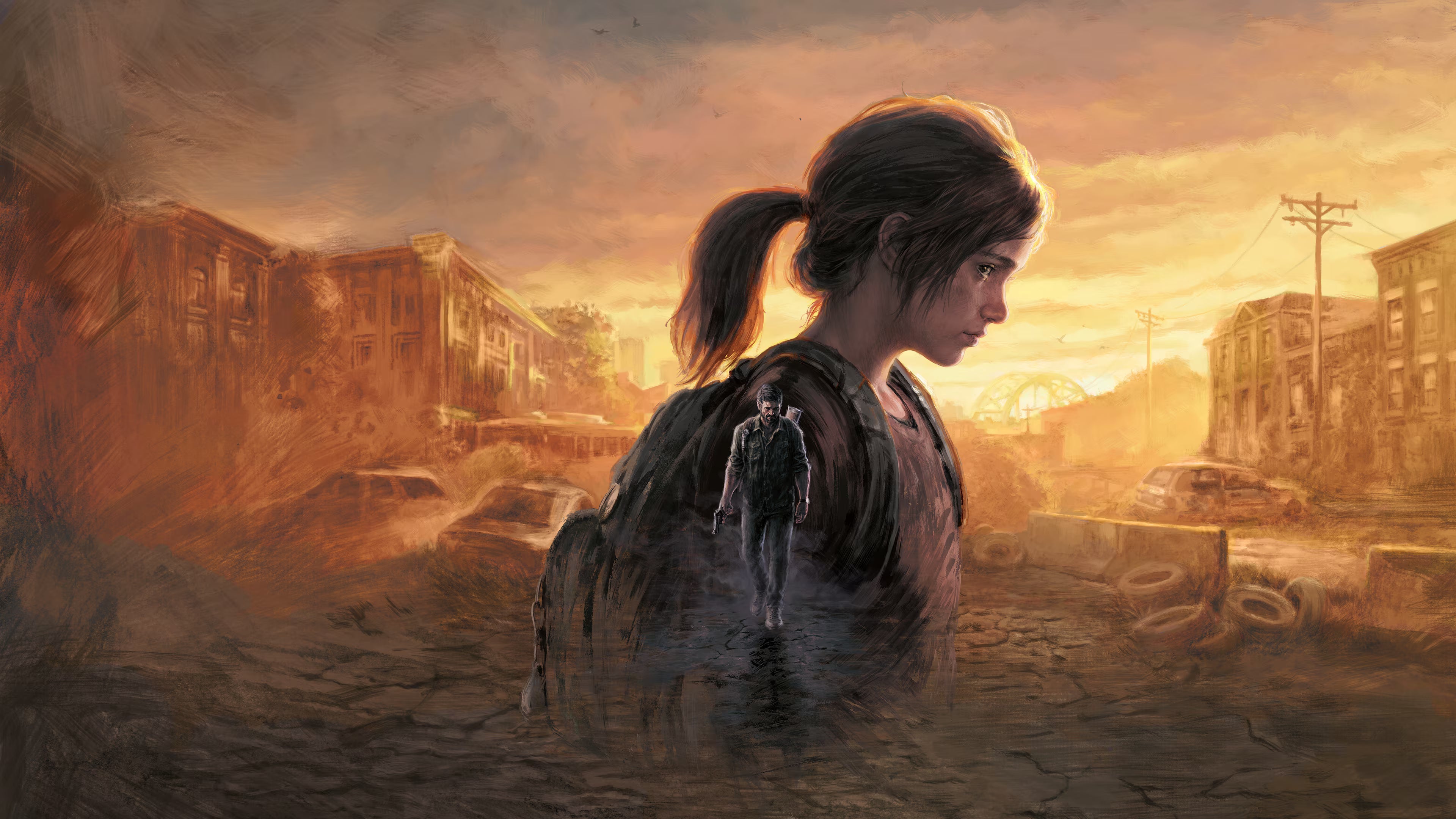
The Art Of Story Telling In Naughty Dog Games
31 Oct, 2025
Every generation of gamers has a studio that redefines the medium. For PlayStation fans, that studio is unquestionably Naughty Dog. From the vibrant, adventurous worlds of Jak and Daxter to the blockbuster set-pieces of Uncharted and the devastating emotional journey of The Last of Us, their evolution is a masterclass in narrative craft. But what exactly makes a Naughty Dog story so unforgettable? It isn't just one element it's a powerful fusion of character, technology, and design that creates a profound connection with the player. Let's break down the secrets of their storytelling genius. 1. Character-First Storytelling: The Heart of the Experience At the core of every Naughty Dog game is a simple but powerful principle: character over plot. Their stories aren't driven by a grand, abstract prophecy, but by the deeply human relationships between their characters. The Last of Us: Joel and Ellie aren't traditional heroes. They are flawed, broken people navigating a brutal world. We don't follow them to see the cure get made; we follow them to see if their fragile, father-daughter bond can survive. Uncharted: Beneath the globe-trotting treasure hunts lies Nathan Drake's very relatable conflict a tug-of-war between his thirst for adventure and his deeper need for belonging and family. This focus on emotional authenticity means the gameplay itself serves the character. Every firefight as Joel feels desperate and survivalist; every climb as Nathan Drake feels like a thrilling puzzle. The action is in service of who they are. 2. Cinematic Immersion Through Groundbreaking Technology Emotion alone doesn't translate to the screen it requires flawless execution. Naughty Dog has been a pioneer in using technology to achieve unprecedented cinematic immersion. They didn't just use motion capture for body movement; they integrated it with facial capture and voice acting to create a seamless emotional performance. The result is that every subtle expression a hesitant glance from Ellie, a weary sigh from Joel hits with the weight and realism of a top-tier film. Their directors block scenes and frame shots like filmmakers, but the key difference is interactivity. You aren't just watching Joel comfort Ellie; you, as the player, have just fought to get them to that safe moment. This fusion of cinematic technique and player agency creates a connection that is unique to the gaming medium. 3. Environmental Storytelling: Showing, Not Telling Look closer at any Naughty Dog game, and you'll find a world that speaks for itself. They are masters of environmental storytelling, the "show, don't tell" philosophy woven directly into their level design. An abandoned house in The Last of Us tells a silent, tragic story of a family's final moments through scattered toys and boarded-up windows. Ancient ruins in Uncharted aren't just climbing gyms; they are historical puzzles that reveal the fate of the civilizations that built them. Notes and artifacts scattered throughout their games don't feel like collectibles; they feel like discovered pages from a hidden diary, adding layers of depth to the world. This approach rewards curious players and makes the game world feel authentically lived-in, not just constructed for a level. 4. The Risk of Author-Led Narratives Pushing the boundaries of storytelling inevitably involves risk. Nowhere is this more evident than in The Last of Us Part II, a game that deliberately split its audience. The game's bold narrative choice forcing players to inhabit the perspective of someone they were conditioned to hate turned empathy into a challenging, and for some, uncomfortable, mechanic. This exposed a central tension in narrative gaming: the balance between player agency and authorial intent. Naughty Dog didn't give players a choice in the narrative; they asked them to surrender to a specific, challenging emotional journey. This boldness redefined what interactive stories could attempt, proving they could be as challenging and morally complex as any great work of literature or film. Conclusion: A Legacy of Connection Naughty Dog's true legacy isn't in the graphics they've pushed or the awards they've won. It's in the profound connection they forge between the player and the pixel. They have consistently demonstrated that a video game can be a vessel for laughter, grief, rage, and moral questioning, all without the player ever putting down the controller. They prove that the most powerful "next-gen" feature isn't a technical spec it's the ability to make us feel. That isn't just masterful game design. That is art. We want to hear from you: Which Naughty Dog story resonated with you the most, and why? Was it the bond between Joel and Ellie, the brotherhood in Uncharted 4, or the challenging narrative of The Last of Us Part II?
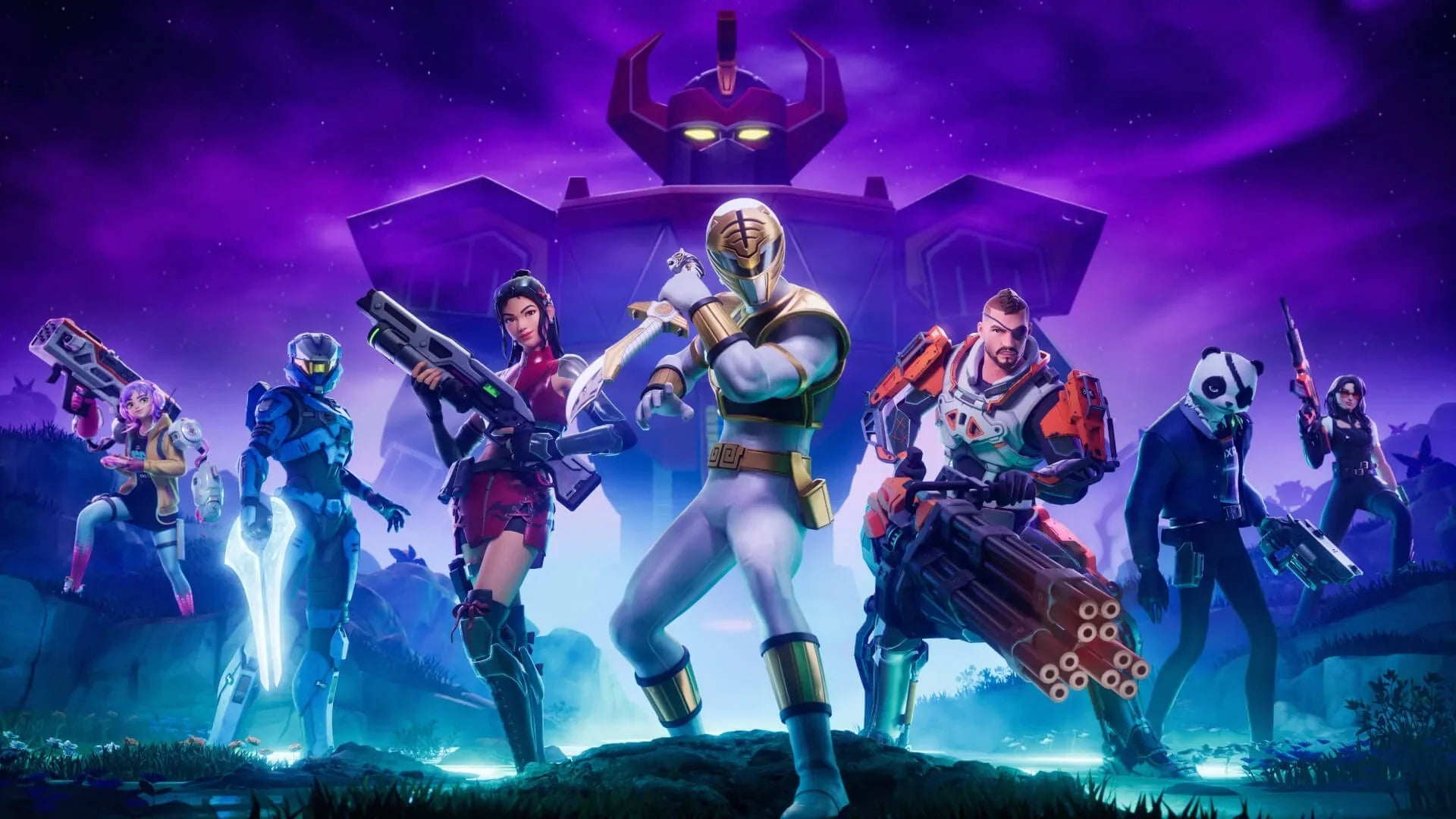
The Evolution of Battle Royale Games
31 Oct, 2025
The "Winner Winner Chicken Dinner" catchphrase is now etched into gaming legend, but the battle royale genre didn't just appear overnight. Its journey is a fascinating tale of literary inspiration, grassroots modding, and explosive mainstream success. This is the story of how a brutal survival concept evolved from deadly classrooms to the chaotic, last-player-standing lobbies we know today. Part 1: The Origin - A Chilling Literary Inspiration Long before the first circle closed in a video game, the core concept was born in literature. In 1999, Japanese author Koushun Takami released the novel Battle Royale, a chilling story where a class of students is forced to fight to the death on a remote island. The concept was popularized further by the controversial 2000 film adaptation and later echoed in Western culture with The Hunger Games. This narrative of forced survival where only one victor can emerge from a large group planted the seed. It provided the foundational, high-stakes drama that would later become the entire premise of a gaming genre. Part 2: The Modding Era - Where Gamers Built the Genre The first playable iterations of battle royale weren't standalone games; they were passionate fan-made mods. The genre was built from the ground up by players and creators. Minecraft Hunger Games: One of the earliest examples was the "Hunger Games" mod in Minecraft, where players scavenged for resources and fought until only one remained. It captured the core survival loop in a simple, accessible format. The PlayerUnknown Mods: The true architect of the modern battle royale, Brendan "PlayerUnknown" Greene, created a custom mod for Arma 2 in 2013. This mod introduced the key ingredients we recognize today: a large map, a shrinking play zone, and loot-based progression. Its success led to a more polished version for Arma 3, proving the formula had serious potential. Part 3: The First Standalone Games The genre's first major step into the mainstream was H1Z1 (later rebranded Z1 Battle Royale). Launched in 2015, it was one of the first standalone games to feature a dedicated battle royale mode. While clunky, it demonstrated that the concept could work as a full-fledged product, combining fast-paced combat and survival tension for a mass audience. Part 4: The Golden Age - PUBG and Fortnite Redefine Gaming 2017 was the watershed moment that changed the gaming landscape forever. PlayerUnknown’s Battlegrounds (PUBG): Building directly on his modding experience, Greene released PUBG. It nailed the formula with a focus on realistic gunplay, high tension, and the now-iconic airdrop mechanic. Its unprecedented success catapulted battle royale from a niche interest to a global gaming phenomenon. Fortnite Battle Royale: Just months after PUBG's rise, Epic Games launched Fortnite Battle Royale. Its free-to-play model, vibrant art style, and groundbreaking building mechanic made it an instant hit. Fortnite didn't just compete; it exploded into a cultural juggernaut, reshaping live-service gaming and becoming a social platform for millions. Part 5: The Genre Floods the Market The success of PUBG and Fortnite triggered a gold rush. Every major publisher wanted a piece of the action, leading to a wave of high-quality competitors, each with a unique twist: Apex Legends (2019): Introduced hero-based characters ("Legends") with unique abilities, a revolutionary ping communication system, and faster, more fluid movement. Call of Duty: Warzone (2020): Leaned into COD's signature feel with a realistic, large-scale map, a deep loadout system, and the Gulag mechanic, giving players a second chance at life. Garena Free Fire: Optimized the experience for the massive mobile market, proving the genre's appeal was truly universal. Part 6: Innovation and Expansion - Beyond the Shooter The core "last-one-standing" formula proved to be incredibly versatile. Developers began applying it to other genres, moving beyond traditional shooters. Games like Fall Guys transformed the concept into a chaotic, lighthearted obstacle course race. This experimentation showed that the battle royale template could be a foundation for creativity, leading to new hybrids involving strategy, crafting, and social deduction. Conclusion: A Genre That's Still Evolving The evolution of battle royale is a testament to the power of community-driven innovation. It journeyed from the pages of a dystopian novel, through the passion of modders, and into a multi-billion dollar pillar of the industry. Today, battle royale is more than a game mode; it's a dynamic live-service platform for events, storytelling, and cross-media collaborations. As developers continue to push boundaries with new mechanics and ideas, one thing is clear: the battle royale genre is far from reaching its final circle. What was your favorite era in the battle royale evolution? Do you prefer the hardcore realism of the early days or the creative mayhem of modern titles?

5 Story Games That Hit Different on PlayStation
29 Oct, 2025
Some games entertain you for a weekend. Others tell a story that stays with you for years, changing how you see the world long after the credits roll. PlayStation has become a home for these kinds of narrative masterpieces, worlds where choices haunt you, losses linger, and every victory carries a profound weight. These aren't just great stories; they're emotional experiences that hit different. Let's dive into five titles that perfected the art of making players feel. 1. Red Dead Redemption 2: The Tragedy of a Dying Era On the surface, Rockstar's epic is a tale of cowboys and outlaws. But at its heart, Red Dead Redemption 2 is a slow, beautiful tragedy about the collapse of the Wild West and one man's search for redemption in the face of it. You don't play as a hero; you play as Arthur Morgan, a complex man grappling with loyalty to a dream that's already faded. The game's power isn't in its shootouts, but in its stillness the quiet campfire conversations, the serene sunset rides, and the poignant goodbyes. It makes you feel the weight of an entire era slipping away, and asks what legacy one person can leave behind when their world is ending. 2. Ghost of Tsushima: Honor, Legacy, and Identity Ghost of Tsushima is a stunning samurai epic, but its true conflict isn't against the Mongol invaders it's inside the protagonist, Jin Sakai. The game masterfully explores the tension between rigid tradition and necessary evolution. Jin was raised with a strict code of samurai honor, but to save his home, he must become something else: the Ghost. This transformation forces players to confront a difficult question: What does it mean to protect your people if you have to destroy the person you were to do it? It's not just a story of war; it's a powerful story of becoming. 3. The Last of Us: Love in the Ruins In a world ravaged by a fungal pandemic, The Last of Us posits that humanity might be lost, but love isn't. The journey of Joel and Ellie is brutal, uncomfortable, and heartbreakingly real. The game’s genius lies in its quiet moments—the snippets of conversation, the shared jokes, the protective instincts that grow between its two leads. These small flickers of connection become beacons of hope in an overwhelming darkness. It hits different because it forces you to ask one of the most compelling moral questions in gaming: How far would you go to protect the one person who makes you feel human again? 4. Detroit: Become Human – The Cost of Consciousness Detroit: Become Human is more than a sci-fi thriller; it's a profound mirror held up to our own society. It explores themes of consciousness, freedom, and prejudice through the eyes of its android protagonists. Every decision you make as Kara, Connor, and Markus feels like a moral test—not for the characters, but for you. The game makes you care deeply about the fate of machines, forcing you to reflect on your own humanity, empathy, and flaws. It’s an interactive drama where your choices genuinely shape the narrative, making the emotional payoff intensely personal. 5. God of War: Ragnarök – Legacy and Fatherhood The God of War series was once defined by pure rage. But in God of War: Ragnarök, it transforms into a deeply moving saga about breaking cycles, of violence, vengeance, and toxic legacy. Kratos, once a symbol of destruction, is now a father desperately trying to teach his son, Atreus, a better way. The emotional core of the game isn't the epic battles with Norse gods, but the quiet, strained, and loving moments between a parent and a child. It’s a story about a man learning to be more than what the world made him, and in doing so, ensuring his son doesn't have to carry the same burdens. The Verdict: Stories That Reflect Us These five games demonstrate the unique power of the PlayStation platform to deliver narratives that are more than just entertainment. They explore universal themes of redemption, honor, love, freedom, and legacy. They remind us that even in worlds of chaos and fantasy, the most powerful stories are the ones that reflect our own humanity back at us. Which of these games hit you the hardest? Are there other PlayStation story masterpieces that left a lasting mark on you?
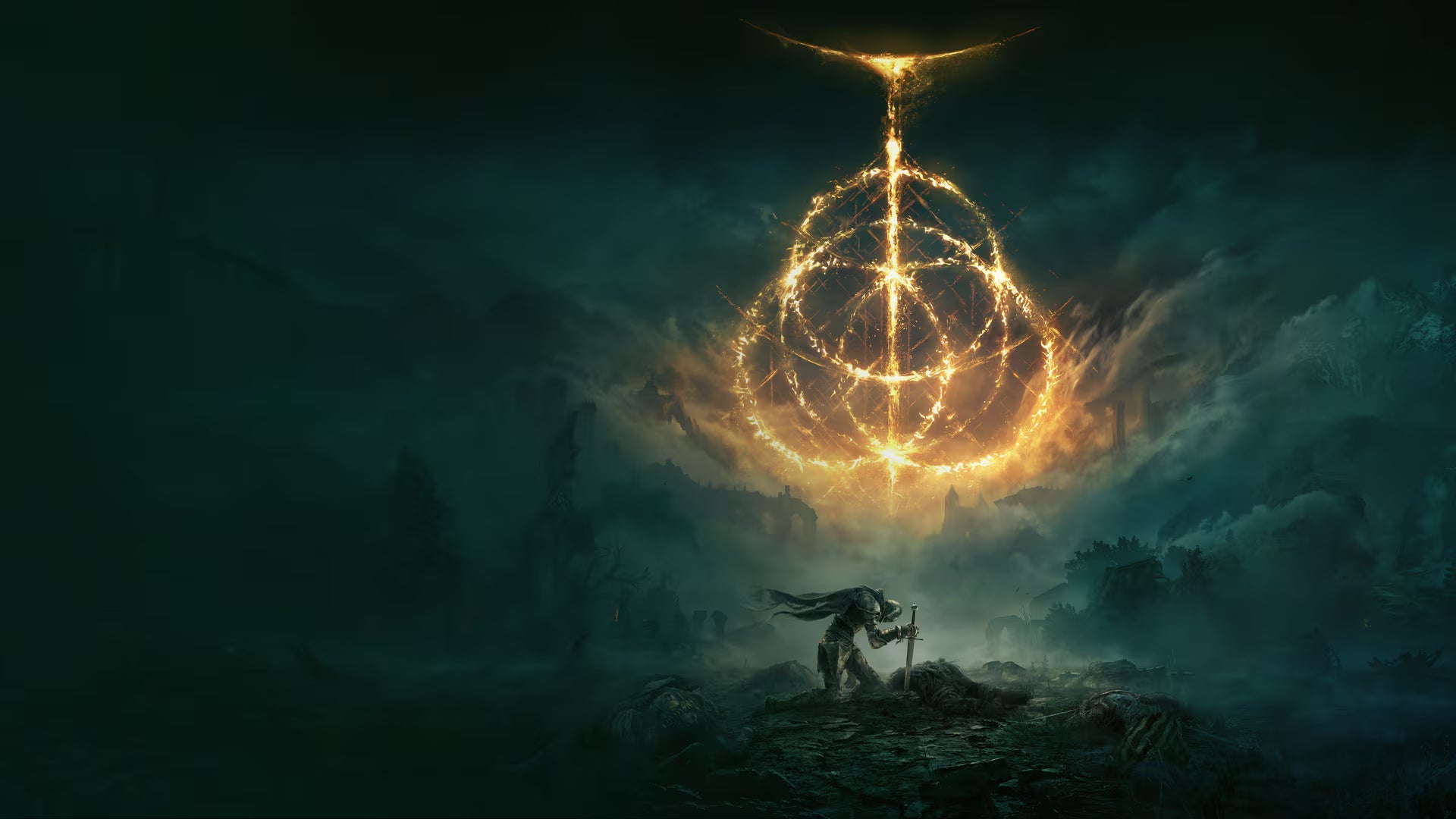
How Elden Ring Changed Open-World Games Forever
28 Oct, 2025
Before 2022, the open-world genre had settled into a comfortable, predictable pattern. You’d climb a tower to reveal a map cluttered with icons, then spend dozens of hours methodically clearing a checklist of repetitive tasks. It was a successful formula, but it had become a factory efficient, but devoid of magic. Then, Elden Ring arrived and set it all on fire. FromSoftware’s masterpiece didn't just successfully adapt the "Souls-like" formula to a vast landscape. It took everything we thought we knew about open-world design and threw it into a bonfire, rediscovering a forgotten truth: the real reward isn't the icon you clear it's the discovery itself. The Old Formula: Extrinsic Motivation and the Ubisoft Checklist To understand Elden Ring's revolution, we must first look at the standard it broke. For years, the dominant model often called the "Ubisoft formula" was built on extrinsic motivation. The game gives you a clear to-do list: Synchronize this tower. Clear this enemy camp. Collect these 10 feathers. The world becomes a mere backdrop for a grind. You aren't truly exploring; you are completing tasks. The satisfaction is in clearing the icon from your map, not in the journey to get there. The Elden Ring Philosophy: Intrinsic Motivation and the Power of Curiosity Elden Ring flips this entire model on its head. Its world, the Lands Between, is built entirely on intrinsic motivation. You aren't guided by waypoints, but by your own curiosity. You see a glimmer of light on a distant cliff. You notice a strange, ruined structure in a valley. You hear the eerie chant of an unseen enemy. None of this is marked on your map. You investigate simply because you want to know what's there. This shift is fundamental. The journey is no longer a means to an end; the journey is the reward. Freedom Through Failure: A World That Doesn't Hold Your Hand This design philosophy extends to how Elden Ring handles difficulty and progression. In a standard open-world game, hitting a difficult boss might force you to grind or follow a rigid critical path. In Elden Ring, failure is not a punishment; it's a teaching tool that opens up new possibilities. Hit a wall against a boss like Margit, the Fell Omen? The game doesn't offer an "Easy Mode" toggle. Instead, it gives you a profound choice: persevere and master the fight, or simply turn around. The world is your solution. You can go explore, find new weapons in hidden catacombs, discover powerful spells, and level up by tackling entirely different challenges. The critical path isn't a funnel; it's a compass, and you are free to ignore its bearing whenever you choose. Environmental Storytelling: A World That Feels Alive and Ancient Because Elden Ring trusts the player to explore without a checklist, its world feels more real and immersive. The environmental storytelling is king. An abandoned ruin isn't just a combat arena; it's the graveyard of a forgotten dynasty. An item description doesn't just list stats; it reveals a tiny, tragic piece of the world's deep lore. A non-player character’s cryptic dialogue hints at a vast, interconnected history. Every discovery, whether a powerful weapon or a piece of lore, enriches your understanding. The Lands Between feels less like a video game level and more like a real, ancient, and mysterious place that existed long before you arrived. The Verdict: A New Blueprint for Open Worlds Elden Ring didn't just change open-world games; it reminded us what they were always meant to be. It proved that true freedom isn't about having a thousand icons on a map. It's about having the autonomy to follow your own path, guided by nothing but your own curiosity and courage. It’s a design philosophy that trusts the player to find their own fun, their own challenges, and their own stories. In doing so, Elden Ring created a sense of genuine wonder and accomplishment that had been lost for years. It didn't just raise the bar; it created a new one, forever changing how developers and players will approach the open world. What was the most memorable discovery you made in the Lands Between? Was it a hidden boss, a secret weapon, or a breathtaking vista?
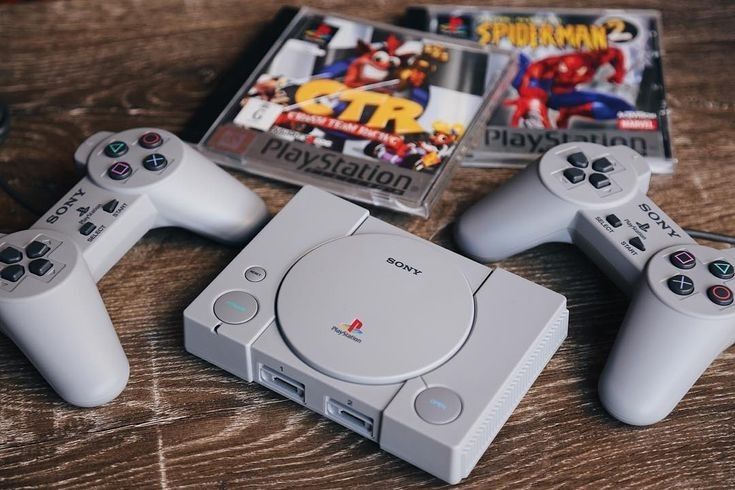
How PSN is Breathing New Life Into PlayStation Classics
24 Oct, 2025
Remember the magic of booting up a PlayStation for the first time? The whir of the disc drive, the iconic startup sound, and the promise of a new world to explore. Those classic games were built on imagination and charm, creating memories that lasted long after the console was turned off. What if you could relive those moments today, not just as a memory, but as a polished, modern experience? Through the PlayStation Network (PSN), Sony isn't just selling you old games it's building a living, breathing archive of gaming history. The Timeless Pull of PlayStation Classics There's a reason we keep returning to games like Ape Escape 2, Jak and Daxter, and Gravity Rush. They captured a unique sense of discovery and pure, unadulterated fun. In an era before hyper-realistic graphics, these worlds were powered by their art style, inventive gameplay, and heart. For many of us, these aren't just games; they're time capsules. They're Saturday afternoons spent chasing monkeys, sleepover platforming marathons, and the awe of manipulating gravity for the first time. PSN has found a way to transform that potent nostalgia into a playable, accessible library. The Challenge of Time: Why Your Old Discs Don't Work As much as we love them, time hasn't been kind to these classics. The leap in technology from the PS1 and PS2 to the modern PS5 is monumental. Different architectures, lack of native backwards compatibility, and the simple physical degradation of old discs mean entire generations of groundbreaking games risk being lost forever. Your PS5 is a powerhouse designed for the future, but it wasn't built to read your 25-year-old PS1 CD. This is the critical problem PSN solves. It acts not just as a digital storefront, but as a vital preservation platform, ensuring these foundational titles aren't forgotten. More Than a Port: How PSN Gives Classics a New Life PSN's approach goes beyond a simple emulation. Sony is reintroducing these titles as enhanced, optimized versions for modern hardware. Technical Enhancements: Games like Ape Escape 2 now run smoother and sharper. The Jak and Daxter series can finally display its vibrant, cartoonish world in high definition without the blur of old CRT TVs. Cult Favorites Reborn: A title like Gravity Rush, once a hidden gem on the PS Vita, finds a new lease on life and a much larger audience when played on the big screen via PSN. Unmatched Accessibility: This isn't just about better frame rates. It's about guaranteeing that new players can easily discover why these games were legendary, and veterans can revisit them without hunting through dusty boxes or buying vintage hardware. The Future: A Cloud-Powered Library of Nostalgia The revival of classics is just beginning. The next evolutionary step is happening in the cloud. Imagine instantly streaming Metal Gear Solid 3 or Shadow of the Colossus directly to your PS5, PC, or even mobile device. No downloads, no patches, and no storage space required. Cloud streaming has the potential to democratize decades of gaming history, making it accessible anywhere, anytime with a single click. This technology doesn't just preserve games; it future-proofs them, ensuring they can follow us onto whatever device we use next. The Verdict: Nostalgia, Reimagined PSN is doing more than just selling you your childhood favorites. It's thoughtfully redefining how we remember and experience them. By blending potent nostalgia with modern innovation through enhanced ports, digital access, and the promise of cloud streaming PlayStation is successfully turning cherished memories into living experiences again. And that’s a future worth revisiting. What Classic Do You Want to See Reborn? The library is always growing. We want to hear from you: which legendary PlayStation classic would you love to see enhanced and re-released on PSN? Let us know
EAFC 26 First Impressions: Is This The New Golden Age?
17 Oct, 2025
Remember that feeling when you first booted up FIFA 13? The sheer excitement, the buttery-smooth gameplay, the addictive spark that kept you playing for "just one more match" all night? For years, fans have been chasing that high from the golden era of football games. Based on early impressions, EAFC 26 isn't just chasing that feeling it's recapturing it. This isn't just another annual update; it feels like a genuine re-injection of the magic that made us fall in love with the series in the first place. First Look: A Sleek, Modern, and Alive Presentation From the moment you launch EAFC 26, the polish is immediately apparent. The game sheds the visual clutter of its predecessors for a sleek, minimalistic, and dynamic menu system. Intuitive Navigation: Everything flows with a clear sense of intention. Browsing Ultimate Team, Career Mode, and online settings feels seamless. Premium Feel: The visual overhaul gives EAFC 26 a premium, modern sports broadcast aesthetic that finally matches the quality of the sport it represents. It’s a clear case of "less is more," and it makes the entire user experience feel more focused and engaging before you even kick a ball. Gameplay Deep Dive: Where EAFC 26 Truly Shines This is where EAFC 26 makes its strongest case for a comeback. Once you hit the pitch, you feel an immediate and impactful evolution from recent titles. Unmatched Fluidity and Responsiveness The core gameplay is faster and significantly more responsive. The delay between your input and the action on-screen has been drastically reduced, creating a direct connection between you and your players. Deliberate Actions: Every pass, dribble, and tackle feels intentional. You're rewarded for smart decisions and punished for careless ones, bringing a much-needed skill gap back to the pitch. Seamless Animation: Player animations transition more naturally than ever before, eliminating the robotic stiffness that has plagued recent entries. This gives every match an authentic, broadcast-level flow. (H3) Believable Player Physics and Control The players themselves move with a sense of believable weight and momentum. They feel like authentic athletes, not just icons on a stick. First Touch Matters: Controlling the ball under pressure is now a crucial skill. A poor first touch can lead to a turnover, while a clean one creates space for a lethal counter-attack. In-Sync with the Ball: The connection between the player and the ball feels more natural. Dribbling and close control are responsive, making skillful play a viable and rewarding strategy again. The Verdict: A Foundation for a New Golden Age EAFC 26 might be the most balanced and enjoyable football experience we've had in years. It successfully blends the fast-paced, "pick-up-and-play" fun of the series' peak years with a new layer of tactical depth and physical realism. The game isn't just a fresh coat of paint; it's a rebuilt engine under the hood. If EA Sports continues to build from this strong foundation by further refining player physics, adding meaningful depth to game modes, and maintaining this commitment to fluid gameplay then we are not just looking at a great game. We could be witnessing the dawn of a brand-new golden age for football gaming. What do you think? Are you excited about EAFC 26 based on these early details? What feature are you hoping to see most? Let us know in the comments!
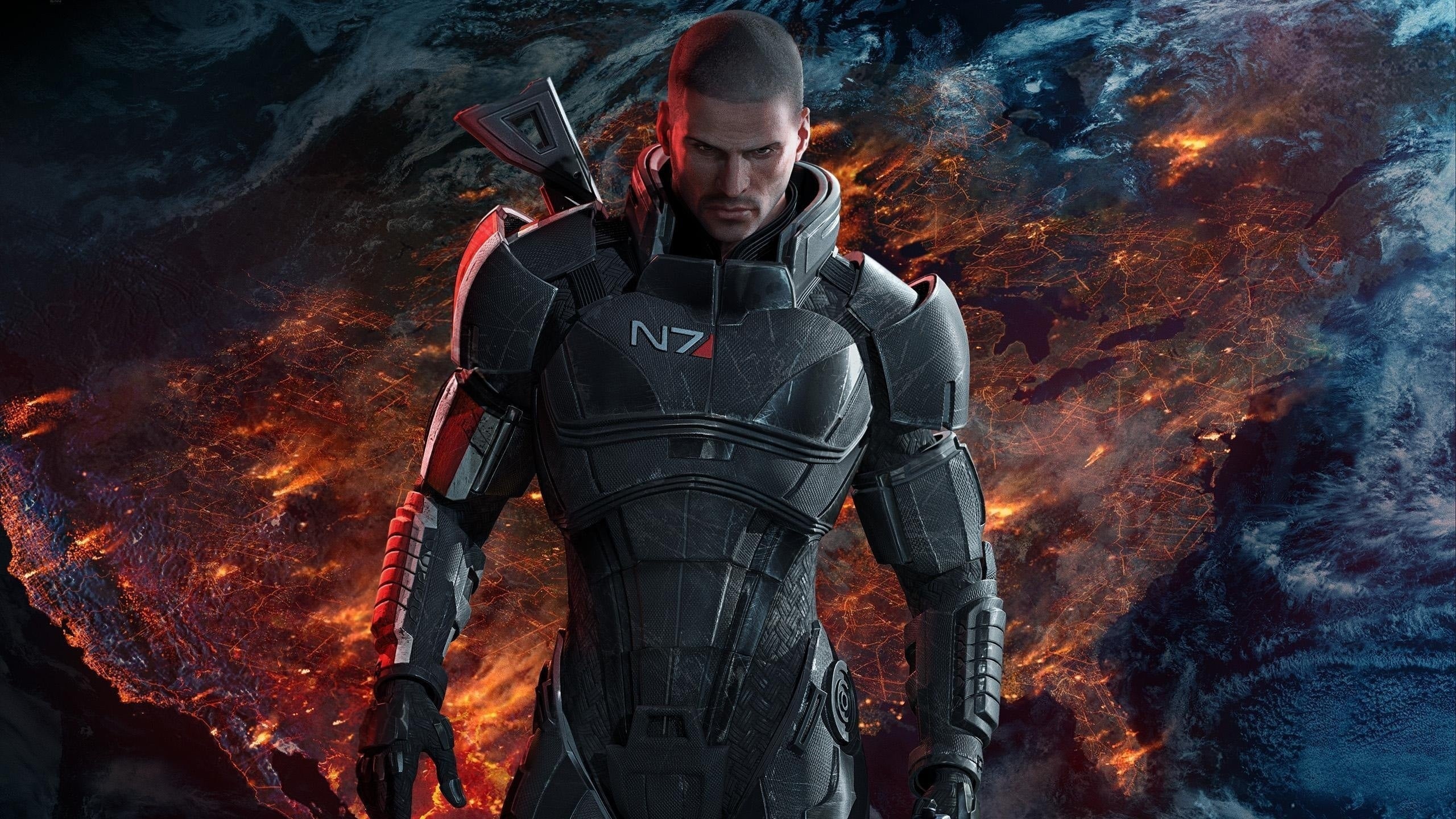
Game Remasters: A Gift to Gamers or a Cynical Cash Grab?
11 Oct, 2025
Who doesn't love a hit of nostalgia? The familiar soundtracks, the beloved characters—it’s a powerful feeling. Game remasters and remakes tap directly into that, bringing our classic favorites back to life with stunning modern graphics and smoother performance. But not every trip down memory lane is a pleasant one. For every lovingly crafted update, there's a disappointing, low-effort port that tarnishes the original's legacy. So, are game remasters a generous gift to fans or a cynical cash grab? Let's break down the pros and cons. The Pros: More Than Just a Fresh Coat of Paint When done with care and respect, a remaster can be a fantastic thing for both new players and longtime fans. Here’s how they get it right. 1. Unmatched Accessibility for a New Generation For gamers who missed a classic the first time around, tracking down old consoles and physical copies can be a major barrier. Remasters eliminate this hurdle entirely. Example: The Mass Effect Legendary Edition is the definitive way to experience Commander Shepard's saga. It bundles all three games and their DLC into one package, fully optimized for modern PCs and consoles. Without it, a new player would face a labyrinth of compatibility patches and outdated hardware. 2. Meaningful Technical and Visual Upgrades This is the most obvious benefit. A good remaster does more than just increase the resolution. Modern Features: Enjoy silky-smooth 60 FPS gameplay, 4K resolution, vastly improved draw distances, and dramatically reduced loading times. Faithful Reimaginings: Some projects go even further. The Spyro Reignited Trilogy didn't just upscale the graphics; it completely rebuilt the characters and worlds from the ground up, perfectly capturing the charm and personality of the originals. 3. Essential Game Preservation As physical media degrades and old hardware becomes obsolete, classic games risk being lost forever. Remasters act as a digital archive, ensuring that these important pieces of art and culture are preserved and can be enjoyed by future generations. The Cons: When Nostalgia Goes Wrong Unfortunately, the path of game remasters is also littered with cautionary tales. Here’s what happens when publishers get it wrong. 1. The Infamous "Cash Grab" Sometimes, a remaster feels less like a passion project and more like a quick, low-effort way to make money. These releases often ship with a host of new problems. Example: Grand Theft Auto: The Trilogy – The Definitive Edition became the poster child for bad remasters. It was plagued with game-breaking bugs, a strange new art style that stripped away the original's atmosphere, and performance issues that made it nearly unplayable at launch. 2. Low-Effort Ports and "Downgrades" Not all bad remasters are as disastrous as the GTA Trilogy. Some are just… lazy. These are simple ports with minimal visual upgrades, often introducing new glitches or removing beloved features. In some cases, they can be worse than the original. Example: Warcraft III: Reforged was so poorly executed that it actively replaced the classic game's client for existing players, removing features and breaking custom maps. It severely damaged player trust and the legacy of one of the most influential RTS games ever made. 3. Stifling Innovation and New IP When a publisher's release schedule becomes saturated with remasters, it can signal a risk-averse strategy. The concern is that the time, money, and talent being poured into repackaging old content could be invested in creating new, original games and IPs, leading to industry-wide creative stagnation. The Verdict: What Separates a Good Remaster from a Bad One? So, what's the key differentiator? It all boils down to one word: Respect. A great remaster treats the original game as a cherished classic. It carefully enhances the experience while staying true to its soul. The developers understand what made the game special and focus on preserving that magic. The Mass Effect Legendary Edition is a masterclass in this; it polished every aspect without altering the core narrative or gameplay that fans fell in love with. A bad remaster, on the other hand, disrespects the source material and its community. It views the original as a quick asset to be monetized, leading to cut corners, broken promises, and a product that feels like a cheap imitation. The GTA Trilogy is a prime example of this approach. The value of a remaster isn't just in its updated graphics—it's in the care, attention to detail, and clear love for the original work. What's Your Take? The debate is far from over. Are you thrilled to see your favorite classics get a new lease on life, or do you wish developers would focus entirely on new ideas? Let us know in the comments: what's the best—and worst—game remaster you've ever played?
Top 5 Most Underrated Indie Games You Need to Play
10 Oct, 2025
Everyone knows Hollow Knight, Hades, and Stardew Valley—and for good reason. But beyond these well-trodden hits lies a treasure trove of innovative, breathtaking, and criminally overlooked indie masterpieces. We're diving into the shadows to spotlight the unsung heroes of the indie world. These are the games that may not dominate your social media feed, but they absolutely deserve a spot in your library. Here are the top 5 most underrated indie games you need to play. 5: Owlboy – A Hand-Drawn Pixel Art Masterpiece Let's start with a love letter to pixel art. Owlboy is a visual masterpiece, developed over nearly a decade with every frame meticulously hand-drawn. You play as Otus, a mute owl-hybrid living in a floating sky world, who must defend his home from sky pirates. The game explores themes of identity, courage, and belonging against a backdrop of some of the most beautiful 2D art ever seen in a video game. Why It's Underrated: Launched during a peak of indie game releases, Owlboy was a gem that, despite its quality, got buried in the oversaturated market. It’s a must-play for fans of emotional storytelling and classic platforming. If Studio Ghibli made a platformer, it would feel a lot like this. 4: The Messenger – The Ninja Gaiden Love Letter That Breaks the Mold At first glance, The Messenger appears to be a faithful and challenging homage to classic 8-bit ninja games like Ninja Gaiden. It's fast, tough, and packed with retro charm. But then, halfway through, it completely flips the script. The game brilliantly evolves from a linear action-platformer into a full-blown, time-traveling Metroidvania. This surprising shift is complemented by razor-sharp controls, a hilarious and self-aware script, and an incredible chiptune soundtrack that evolves with the time periods. Why It's Underrated: Many wrote it off as "just another retro throwback," but The Messenger is one of the smartest and most inventive action-platformers of the last decade. 3: Katana Zero – A Stylish, Neo-Noir Thriller Katana Zero is the definition of style meeting substance. This neo-noir action game casts you as a samurai assassin with the ability to manipulate time. Combat is a brutal, one-hit-kill ballet where you slice through enemies with precision, dodging bullets and planning your path in slow motion. Beneath the hyper-stylish, fast-paced action lies a dark and complex narrative dealing with trauma, memory, and morality. The story unfolds like a psychological thriller, using dream sequences and branching dialogue choices to pull you into its grim world. Why It's Underrated: Its sleek presentation can mask its emotional depth. Katana Zero is a rare triple threat: stylish, smart, and emotionally heavy, making it a standout in indie storytelling. 2: Disco Elysium – The Revolutionary Detective RPG Few games have ever taken narrative as seriously as Disco Elysium. This isn't just a game; it's a philosophical deep-dive disguised as a detective RPG. You play an amnesiac detective tasked with solving a murder in a crumbling, politically volatile city, but the real mystery is the one inside your own head. The game features no traditional combat. Instead, you progress by talking, thinking, and making skill checks influenced by 24 different aspects of your character's psyche. You can be a genius, a superstar cop, a drug-addled mess, or all of the above. The world and its inhabitants react to your every choice. Why It's Underrated: While it has a cult following and critical acclaim, its text-heavy, slow-burn nature means it's often overlooked by a mainstream audience. For those who crave writing that challenges the very nature of the medium, Disco Elysium is a masterpiece hiding in plain sight. 1: Return of the Obra Dinn – The Ultimate Deduction Puzzle Our number one pick is perhaps the most unique and brilliant detective game ever made: Return of the Obra Dinn. From Lucas Pope, the creator of Papers, Please, this game puts you in the shoes of an insurance investigator in the 1800s, boarding a ghost ship whose crew has either vanished or died. Armed with a pocket watch that lets you witness moments of a person's death, your job is to deduce the fate of all 60 souls on board. The game offers no hand-holding, just your own logic, observation, and deduction skills. It's rendered in a striking, haunting 1-bit art style that feels like a Macintosh game from the 1980s. Why It's Underrated: Its minimalist presentation and demanding puzzle mechanics make it a niche title. However, for those who embrace its challenge, Return of the Obra Dinn provides one of the most satisfying and intelligent experiences in all of gaming. What's Your Hidden Gem? So, there you have it—five incredible indie games that flew under the radar but deserve a place in gaming history. Now we want to hear from you: which underrated indie gem do you think belongs on this list? Let us know in the comments
Netflix for Games? The 2025 Subscription Wars Are Redefining How We Play
09 Oct, 2025
Welcome to the future of gaming, where your entire library lives behind a monthly paywall. By 2030, the concept of "buying" a game might feel as antiquated as purchasing DVD box sets. We're in the midst of a seismic shift that's not just changing how we play games, but who controls our access to them. The battle between Xbox Game Pass, PlayStation Plus Premium, and Apple Arcade is about more than just monthly fees—it's a war for the soul of gaming itself. The Current Battlefield: Three Kingdoms at War Xbox Game Pass: The Trailblazer Microsoft's service set the standard with its "Netflix for games" approach, but the landscape has evolved dramatically. Current Strengths: Day-one first-party releases PC and console integration Cloud gaming inclusion EA Play integration at no extra cost Recent Challenges: Price increases across all tiers Longer gaps between major first-party releases Growing competition from publisher-specific services PlayStation Plus: The Reborn Contender Sony's answer to Game Pass represents a massive restructuring of their legacy services. Strategic Positioning: Three-tier system (Essential, Extra, Premium) Strong legacy content from PS1-PS3 eras Timed exclusives and third-party partnerships Gradual addition of first-party titles (6-12 months post-release) Apple Arcade: The Mobile Maverick While often overlooked in core gaming discussions, Apple's approach reveals an alternative strategy. Unique Value Proposition: Curated, high-quality mobile games No microtransactions or ads Family sharing included Cross-platform sync across Apple devices The Fragmentation Problem: Too Many Choices? The promise of a single "Netflix for games" remains elusive. Instead, consumers face a fragmented landscape: The Current Reality: Average gamers maintain 2.3 gaming subscriptions 68% report "subscription fatigue" Exclusive content drives multiple subscriptions Regional availability varies dramatically Publisher-Specific Services: Ubisoft+ EA Play Riot Games' emerging ecosystem Square Enix's rumored classic RPG service This fragmentation mirrors the streaming video market, where consumers increasingly need multiple services to access desired content. The Cloud Gaming Revolution: Playing Anywhere, Owning Nothing Cloud gaming represents the ultimate expression of the subscription model—complete device independence at the cost of permanent ownership. Current State of Cloud Gaming: Xbox Cloud Gaming: Integrated with Game Pass Ultimate PS Plus Premium: Limited cloud streaming for legacy titles NVIDIA GeForce Now: Hybrid model (bring your own games) Amazon Luna: Channel-based approach The Technical Reality: Latency remains a barrier for competitive gaming Data caps and internet quality create access inequality Game preservation concerns grow as physical media declines AI and Personalization: The Next Frontier The future of gaming subscriptions isn't just about access—it's about intelligent curation and dynamic experiences. Emerging Trends: AI-powered recommendation engines Dynamic difficulty adjustment Personalized content generation Behavioral analysis for game suggestions Ethical Questions: How much should algorithms dictate our gaming choices? Who owns the data about our play habits? Could AI create "echo chambers" in game discovery? The Metaverse and Web3: Subscription 2.0 The next evolution of subscriptions may blend traditional models with emerging technologies. Metaverse Integration: Cross-platform identity and progression Virtual economies tied to subscription status Social spaces as subscription perks Creator ecosystems within subscription platforms Web3 Possibilities: NFT-based ownership within subscription frameworks Blockchain-verified achievement systems Decentralized subscription governance Player-owned asset marketplaces The Value vs. Ownership Debate The Case for Subscriptions: Cost Efficiency: Access to hundreds of games for less than the price of two new releases Discovery: Try games you'd never risk purchasing Convenience: Instant access across devices Reduced Risk: No buyer's remorse for disappointing games The Case for Ownership: Permanent Access: Your library doesn't disappear if you cancel No Recurring Costs: One-time purchase for lifetime access Preservation: Physical media and DRM-free options True Collection Building: Curating a personal library The 2030 Outlook: Four Possible Futures Scenario 1: The Subscription Dominance (45% Probability) 80% of gaming revenue comes from subscriptions Physical media becomes niche/collector-focused Major publishers operate their own subscription services Indies struggle outside curated subscription platforms Scenario 2: The Hybrid Model (30% Probability) Subscriptions coexist with traditional purchases "Subscribe to try, buy to own" becomes standard Dynamic pricing based on engagement data Bundled services (gaming + video + music) Scenario 3: The Backlash (15% Probability) Consumer resistance to "rental culture" Resurgence of ownership-focused platforms Regulatory intervention on subscription terms Preservation movements gain mainstream support Scenario 4: The Metaverse Merger (10% Probability) Gaming subscriptions merge with broader digital life subscriptions Single digital identity across entertainment, social, and work Virtual world access becomes the primary subscription product Traditional "game" distinctions blur significantly Navigating the Subscription Landscape: A Consumer's Guide For Casual Gamers: Start with one general service (Game Pass or PS Plus Extra) Consider Apple Arcade if primarily mobile gaming Evaluate based on existing device ecosystem For Enthusiasts: Multiple subscriptions may be unavoidable Track annual costs versus à la carte purchasing Consider game preservation and long-term access needs For Families: Leverage family sharing plans Consider curated services for children Balance discovery with content control needs The Bottom Line: Who Really Wins? The subscription wars aren't really about which service "wins"—they're about reshaping the entire gaming industry's economic model. The real winners and losers will be determined by: Winners Likely Include: Gamers who value variety over ownership Microsoft and other first-movers Indies who get featured in curated sections Investors in cloud infrastructure Potential Losers: Physical game retailers Gamers in areas with poor internet Preservationists and collectors Mid-tier developers squeezed by subscription economics The most significant change might be psychological: we're transitioning from thinking of games as products we own to experiences we access. This shift will have ripple effects through game design, business models, and even how we form emotional connections with virtual worlds. Where do you stand in the great subscription debate? Are you all-in on services like Game Pass, or are you holding onto physical copies and Steam sales? The future of how we play is being written right now, and your choices are part of that story.
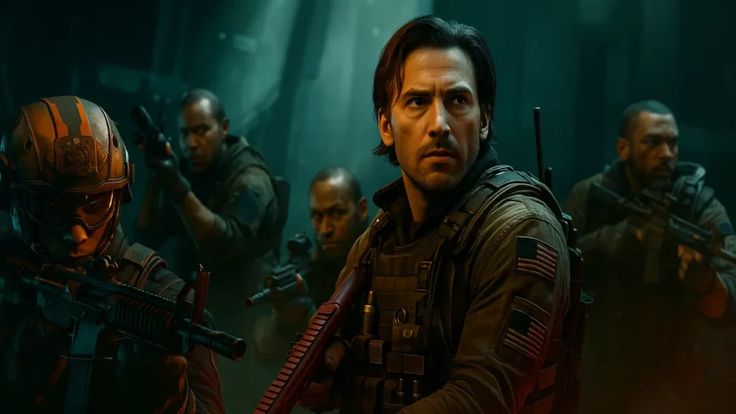
Black Ops 7 vs. Battlefield 6: Which FPS Titan Will Dominate
03 Oct, 2025
The first-person shooter landscape is facing its most dramatic shift in years. With Battlefield 6generating unprecedented hype and Call of Duty: Black Ops 7 representing gaming's most reliable franchise, the battle for FPS supremacy has never been more intense. But can Battlefield's momentum overcome Call of Duty's legendary brand loyalty? The State of Play: Two Titans Colliding Battlefield 6's Meteoric Rise The hype around Battlefield 6 is undeniable and backed by concrete data: Record-Breaking Beta: Steam concurrent player records shattered during open testing Strong Pre-Order Numbers: Outpacing previous franchise entries by significant margins Community Optimism: Highest franchise sentiment scores since Battlefield 1 Technical Ambition: Promising true next-generation destruction and scale Call of Duty's Unshakable Foundation Meanwhile, Black Ops 7 operates from a position of incredible strength: Proven Track Record: 15+ years of consistent commercial dominance Built-in Audience: Millions of dedicated fans who purchase annually Ecosystem Advantage: Integration with Warzone and mobile platforms Marketing Machine: Unmatched promotional resources and reach The Analyst Perspective: Why Brand Loyalty Might Decide Everything According to Alinea Analytics' Rhys Elliot, the numbers reveal a fascinating psychological pattern: "Even when Call of Duty releases underperform critically, they maintain staggering sales figures. This 'autopilot purchasing' effect gives Activision an incredible market advantage that's difficult to disrupt." Key Findings from Market Analysis: COD franchise maintains 65%+ brand loyalty year-over-year Only 12% of core COD players regularly switch between major FPS franchises Battlefield needs to convert 40%+ of casual COD players to achieve market parity Historical data shows even acclaimed Battlefield titles peak at 60-70% of COD sales Battlefield 6's Path to Victory: Three Critical Advantages 1. Technical Innovation & Scale Battlefield's signature destruction mechanics are reportedly "generational leaps" ahead of previous entries. The Frostbite engine now supports: Real-time structural collapse physics Dynamic weather affecting gameplay strategy 128-player matches with stable performance Persistent environmental changes across matches 2. Capitalizing on COD Fatigue Market research indicates growing player frustration with: Perceived lack of innovation in recent COD titles Aggressive monetization strategies Annual release fatigue Balance issues in competitive modes 3. The "Underdog Momentum" Effect Battlefield's position as the challenger creates several advantages: Lower expectations allow for positive surprise Media coverage emphasizes "resurgence" narrative Community goodwill from addressing past criticisms Freedom to take creative risks COD cannot The Obstacles: Why Battlefield Faces an Uphill Battle The Habit Factor Industry data reveals troubling patterns for challenger franchises: 78% of COD players purchase within first two weeks Only 23% read reviews before purchasing Average playtime drops <20% even for criticized entries Strong emotional attachment to prestige systems and progression The Ecosystem Gap Call of Duty's interconnected universe creates powerful retention: Warzone integration drives main title purchases Cross-progression between platforms Mobile version (Warzone Mobile) feeds console/PC engagement Esports infrastructure promotes year-round engagement Historical Precedent Sales data from previous franchise clashes tells a clear story: Battlefield 3 (91 Metacritic) sold 15M vs Modern Warfare 3 (88 Metacritic) 30M+ Battlefield 1 (89 Metacritic) sold 15M vs Infinite Warfare (77 Metacritic) 13M*Note: Even COD's "disappointing" entries approach Battlefield's peak sales Black Ops 7's Counter-Offensive: Proven Strengths The Formula That Works Treyarch's approach focuses on refining rather than reinventing: Polished, predictable gameplay loops Strong emphasis on competitive balance Familiar progression systems Robust anti-cheat infrastructure Cross-Platform Dominance Call of Duty's multi-platform strategy creates unmatched reach: Day-one availability on all major platforms Cross-play as standard feature Shared progression across ecosystems Unified battle pass system Marketing Saturation Activision's promotional machine ensures maximum visibility: $200M+ marketing budgets Celebrity endorsements and partnerships In-game Warzone integration months before launch Global esports tournaments driving awareness Three Possible Outcomes for the FPS Wars Scenario A: Business as Usual (60% Probability) Black Ops 7 outsells Battlefield 3:1 Both franchises are commercially successful Battlefield wins critical acclaim but not market share Industry narrative focuses on "two healthy franchises" Scenario B: The Upset (25% Probability) Battlefield 6 achieves 85%+ of Black Ops 7 sales Significant COD player base migration occurs Activision forced to accelerate innovation timeline Market sees first true FPS competition in a decade Scenario C: Market Segmentation (15% Probability) Clear player preference separation emerges COD dominates competitive/esports scene Battlefield owns large-scale, emergent gameplay niche Both franchises thrive in their respective lanes 📊 Key Metrics to Watch Post-Launch For Battlefield 6 Success: Month 2-3 player retention above 65% Console platform sales matching PC enthusiasm Content update cadence maintaining momentum Community sentiment staying positive through first season For Black Ops 7 Dominance: Pre-order conversion to active players >80% Warzone integration driving main title engagement Esports viewership numbers during first major tournament Microtransaction engagement compared to previous titles The Bottom Line: Who Really Wins? While the data suggests Black Ops 7 will likely maintain commercial dominance, the real winner in this showdown is the FPS community. This level of competition forces both franchises to innovate, improve player value, and address long-standing community concerns. Battlefield 6 doesn't need to "beat" Call of Duty to be successful. If it can: Maintain strong player engagement beyond launch window Deliver consistent, high-quality content updates Build trust through transparent communication Establish a clear identity separate from COD Then the FPS landscape becomes healthier for everyone. The pressure on Activision to deliver meaningful innovation in Black Ops 7 is higher than it's been in years, and that ultimately benefits every player. Which side are you on in the great FPS war? Will you be enlisting in Battlefield 6's large-scale battles or sticking with Black Ops 7's polished action? The battlefield awaits your decision.
PlayStation Plus October Games Lineup: Alan Wake 2 Leads a Stellar Month
02 Oct, 2025
Sony has delivered one of the most impressive PlayStation Plus monthly game lineups in recent memory this October. Whether you're a fan of heart-pounding horror, mind-bending puzzles, or outright chaotic fun, there's a must-claim title for every type of gamer. Let's dive deep into the games you need to add to your library before the month ends. 🎮 The Headliner: Alan Wake 2 Genre: Psychological Survival Horror / ThrillerPlatforms: PS5 The Breakdown:The undisputed star of October's lineup is the critically acclaimed Alan Wake 2. This long-awaited sequel from Remedy Entertainment elevates the original's concept to terrifying new heights. The game masterfully weaves a dual narrative, forcing players to switch between the eponymous writer, trapped in the nightmare dimension of the Dark Place, and Saga Anderson, an FBI agent investigating a series of ritualistic murders in the seemingly peaceful Bright Falls. Why You Need to Claim It: A Masterclass in Atmosphere: The game is dripping with a palpable sense of dread, blending live-action footage with its stunning in-game visuals to create a uniquely unsettling experience. Dual Narrative Structure: The switching between Alan and Saga isn't just a gimmick; it fundamentally changes the gameplay and perspective, keeping the story fresh and unpredictable. Critical Darling: Winner of multiple Game of the Year awards, this is a must-play title that many consider a genre-defining moment for survival horror. Perfect For: Fans of Silent Hill, True Detective, and deeply layered, story-driven horror. 🧠 The Indie Gem: Cocoon Genre: Puzzle / AdventurePlatforms: PS5, PS4 The Breakdown:From Jeppe Carlsen, the lead gameplay designer behind indie darlings Inside and Limbo, comes Cocoon. This is a puzzle game in its purest form. The core mechanic is brilliantly simple yet offers immense depth: you explore worlds within worlds by leaping into and out of orbs, each containing its own unique environment and mechanics. Why You Need to Claim It: Innovative Puzzle Design: The "worlds within worlds" concept is executed flawlessly, leading to some of the most inventive and satisfying environmental puzzles in years. Stunning Audio-Visual Design: The game features a minimalist but striking aesthetic and an atmospheric soundtrack that perfectly complements the mysterious, alien world. A Thoughtful Palate Cleanser: After the intensity of Alan Wake 2, Cocoon provides a slower, more contemplative experience that is no less compelling. Perfect For: Puzzle enthusiasts, fans of cerebral games like The Witness or Portal, and anyone who appreciates elegant game design. 🐐 The Chaotic Fun: Goat Simulator 3 Genre: Physics-Based Sandbox / ComedyPlatforms: PS5, PS4 The Breakdown:If you need a break from high-stakes narratives and brain-teasing puzzles, Goat Simulator 3 is your perfect antidote. This is a game that proudly embraces its own absurdity. You are a goat, and your only goal is to cause as much mayhem as possible in a large, open-world sandbox. Why You Need to Claim It: Pure, Unfiltered Chaos: From licking cars to launching yourself through the air with a traffic cone, the physics-based fun is endless and hilarious. Excellent Co-op Multiplayer: The chaos is even better with friends. Up to four players can wreak havoc together, completing quirky quests and unlocking new cosmetics and abilities. The Ultimate "Podcast Game": It's the perfect title to jump into when you just want to turn your brain off and laugh for an hour. Perfect For: Casual gaming sessions, co-op with friends, and anyone who enjoys the hilarious emergent gameplay of games like Teardown or Garry's Mod. 🏆 Extra & Premium Tier Bonus: The Last of Us Part II Remastered Genre: Action-Adventure / NarrativePlatforms: PS5 The Breakdown:For subscribers on the PS Plus Extra or Premium tiers, October brings a massive addition to the Game Catalogue: The Last of Us Part II Remastered. This isn't just a visual upgrade; it's the definitive way to experience Naughty Dog's brutal and emotionally devastating masterpiece. What's New in the Remaster: No Return Mode: A brand-new, tense roguelike survival mode that adds incredible replayability. DualSense Integration: Feel the tension of every bowstring pull and environmental interaction with the PS5's haptic feedback. Graphical Enhancements: 4K output and improved framerates make the post-apocalyptic world more visceral than ever. Lost Levels: Play through previously cut development levels with developer commentary. Why It's a Major Get:If you've never played this divisive but critically acclaimed sequel, or if you've been waiting for the perfect reason to revisit its harrowing story, its addition to the catalogue represents tremendous value for Extra/Premium subscribers. 💡 Final Verdict & How to Claim The Bottom Line: October 2025 is an S-Tier month for PlayStation Plus. The combination of a blockbuster AAA horror title (Alan Wake 2), a genre-defining indie puzzle game (Cocoon), and a hilarious sandbox for co-op (Goat Simulator 3) offers unbeatable variety and quality. How to Claim Your Games: Navigate to the PlayStation Store on your PS5 or PS4. Go to the PlayStation Plus section. Find the Monthly Games banner for October. Add each game to your library. Remember, you must have an active PS Plus subscription to claim and play them. These games will be available to claim from Tuesday, October 1st, until Monday, November 4th. Don't miss out! What do you think of this month's lineup? Is Alan Wake 2 the star, or are you more excited to dive into Cocoon's puzzles? Let us know in the comments!
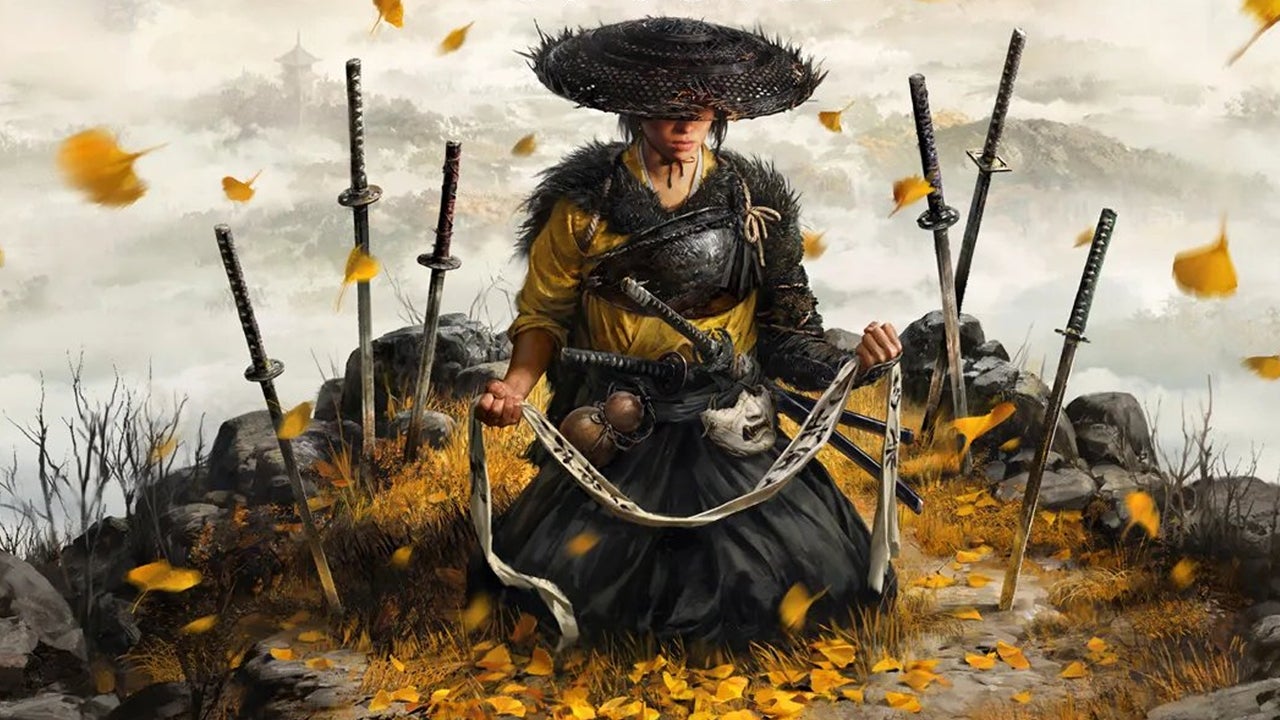
October 2025 Game Releases: The Ultimate Guide to This Month's Biggest Titles
01 Oct, 2025
Gamers, clear your schedules and prepare your wallets - October 2025 is shaping up to be one of the most stacked months in gaming history. From long-awaited sequels to surprising remasters, this month offers something for every type of player. Here's your complete guide to every major release. 🎯 Week 1 Releases (October 1-5) Ghost of Yotei (PS5) – October 2 What It Is: The spiritual successor to Ghost of Tsushima from a new Sony first-party studio, set in the snowy mountains of feudal Japan. Key Features: Dynamic weather system affecting gameplay and visibility Deep samurai combat with new dueling mechanics Morality system that impacts story outcomes Photo-realistic visuals leveraging PS5 hardware Open-world exploration with climbing and traversal elements Why It Matters: As a potential new flagship franchise for PlayStation, Ghost of Yotei represents Sony's commitment to story-driven, visually stunning exclusives. Super Mario Galaxy 1 + 2 (Switch, Switch 2) – October 2 What It Is: The beloved Wii classics completely remastered for Nintendo's current and next-generation systems. Enhancements Include: 4K/60fps support on Switch 2 Updated textures and character models New control schemes for modern controllers All original content preserved Optional motion controls for authenticity Historical Significance: These games represent some of the most creative 3D platformers ever made, now accessible to new generations of players. 🎯 Week 2 Releases (October 6-12) Borderlands 4 (Switch 2) – October 3 What It Is: The latest entry in the iconic looter-shooter franchise, launching simultaneously on Nintendo's new hardware. New Features: Completely new Vault Hunter classes Expanded weapon customization system Cross-play support across all platforms Dynamic world events that change gameplay Enhanced co-op features with shared progression Switch 2 Performance: Early reports suggest the game runs at a stable 60fps in handheld mode, showcasing the new hardware's capabilities. Battlefield 6 (PC, Xbox Series X, PS5) – October 10 What It Is: The return to modern military combat that fans have been requesting since Battlefield 4. Gameplay Innovations: 128-player matches with massive map destruction Dynamic weather that affects vehicle and infantry combat Revamped class system with more specialization options Cross-platform progression and shared unlocks Free post-launch content seasons Competitive Landscape: Positioned as a direct competitor to Call of Black Ops Gulf War, releasing earlier in the month to establish player base. Little Nightmares 3 & Enhanced Edition – October 10 What It Is: The conclusion to the horror puzzle trilogy alongside a complete remaster of the original game. Little Nightmares 3 Features: Two new protagonists with unique abilities Expanded enemy variety and environmental puzzles Optional online co-op campaign Deeper lore connections to previous games Enhanced Edition Upgrades: Complete visual overhaul with ray tracing Expanded areas and new collectibles Behind-the-scenes content and director's commentary 🎯 Week 3 Releases (October 13-19) Pokémon Legends Z-A (Switch, Switch 2) – October 16 What It Is: The follow-up to Pokémon Legends: Arceus set in the Kalos region, exploring the origins of Mega Evolution. Gameplay Evolution: Larger open-world areas with less segmentation Real-time catching and battle transitions Mega Evolution integrated into core gameplay loop Deeper character customization and housing New Pokémon forms and regional variants Technical Improvements: Significantly improved draw distance and frame rate, especially on Switch 2 hardware. Ninja Gaiden 4 (PC, Xbox Series X, PS5) – October 21 What It Is: The revival of the legendary action franchise after over a decade of absence. Combat System: Returns to hardcore difficulty of original trilogy New weapon types and ninpo magic Dynamic dismemberment system Multiple difficulty levels with unique rewards Arena mode with online leaderboards Developer Notes: Team Ninja has reassembled key staff from the original trilogy to ensure authentic feel. Vampire: The Masquerade – Bloodlines 2 (PC, Xbox Series X, PS5) – October 21 What It Is: The long-delayed sequel to the cult classic RPG, completely rebuilt under new development leadership. RPG Systems: Five playable vampire clans at launch Deep dialogue trees with meaningful consequences District reputation system affecting available quests Complex character relationships and politics Multiple ending paths based on player choices World Design: Set in a modern-day Seattle divided between vampire factions, with day-night cycle affecting gameplay. 🎯 Week 4 Releases (October 20-31) Persona 3 Reload (Switch 2) – October 23 What It Is: The definitive version of the modern classic, bringing the complete Persona 3 experience to Nintendo's new platform. Switch 2 Enhancements: Reduced loading times between areas Enhanced visual effects during combat Portable-optimized UI and controls All DLC and additional content included Market Impact: Represents Atlus's commitment to multi-platform releases for their major franchises. The Outer Worlds 2 (PC, Xbox Series X, PS5) – October 29 What It Is: Obsidian's ambitious sequel to their critically acclaimed space-faring RPG. Expanded Scope: Multiple star systems to explore Deeper companion relationships and stories Enhanced character creation with more backgrounds Improved combat with tactical elements More meaningful player choices affecting the narrative Development Background: With Microsoft's increased budget, the team has created a much larger game than the original. Arc Raiders (PC, Xbox Series X, PS5) – October 30 What It Is: A cooperative third-person shooter from former Battlefield developers, focusing on fighting massive mechanical threats. Key Mechanics: Dynamic enemy AI that adapts to player strategies Environmental destruction and manipulation Deep weapon customization and crafting Seasonal content with narrative progression Cross-platform play at launch Mortal Kombat: Legacy Kollection (Switch, Switch 2) – October 30 What It Is: The ultimate celebration of the franchise's history, featuring remastered versions of classic titles. Included Games: Mortal Kombat (1992) - Arcade perfect with online play Mortal Kombat II - Enhanced visuals and new fatalities *Mortal Kombat 3/Ultimate* - Complete character roster Mortal Kombat 4 - First 3D entry with modern controls Behind-the-scenes museum with concept art and interviews Online Features: Rollback netcode for smooth competitive play across all titles. 📈 October 2025 Gaming Market Analysis Industry Impact: This month represents one of the most competitive release schedules in recent memory, with multiple AAA franchises going head-to-head. The timing suggests publishers are positioning their titles for the holiday shopping season while avoiding the crowded November window.

PlayStation State of Play September 2024: Complete Breakdown
26 Sep, 2025
1. Saros – Housemarque's Returnal Successor Developer Background: Housemarque, the Finnish studio behind the critically acclaimed Returnal, has built a reputation for refining arcade-style gameplay into modern AAA experiences. Known for their work on Nex Machina and Resogun, they've mastered the art of bullet-hell mechanics. Gameplay Mechanics Analysis: Combat System: Third-person shooting blended with precise dodging mechanics Roguelike Elements: Procedurally generated levels with permanent upgrades Movement: Likely similar to Returnal's fast-paced, fluid mobility Weapon System: Deep customization with unique upgrade paths for each weapon type Visual Style & Setting:The game appears to be set in a futuristic sci-fi universe with vibrant neon colors and elaborate enemy designs. The aesthetic suggests a blend of cyberpunk and cosmic horror influences. Why This Matters: Housemarque has proven they can deliver polished, challenging experiences. Sarosrepresents Sony's commitment to supporting innovative gameplay from their first-party studios. 2. Marvel's Wolverine – Insomniac's Mature Masterpiece Developer Pedigree: Insomniac Games has consistently delivered high-quality PlayStation exclusives, from Ratchet & Clank to the massively successful Spider-Man series. Their track record with superhero games is unmatched. Combat System Deep Dive: Claw Mechanics: Real-time claw combat with dismemberment physics Healing Factor: Wolverine's regeneration likely tied to gameplay mechanics Stealth Elements: Predatory takedowns and tracking systems Rage Meter: Build-up mechanic for special attacks and abilities Open World Structure:Based on footage, the game appears to feature a semi-open world structure similar to The Last of Us Part II, with large explorable areas connected by narrative-driven sequences. Maturity & Tone:This is Insomniac's first M-rated game under Sony, signaling a shift toward more mature storytelling. The tone appears darker and more personal than their Spider-Man games. Release Strategy: With a 2026 release window, this positions as a major PlayStation 6 launch title or cross-gen release. 3. Zero Parades – Disco Elysium Team's New Vision Developer Legacy: ZA/UM created one of the most critically acclaimed RPGs of all time with Disco Elysium. Their focus on narrative depth and player choice sets high expectations. Gameplay Systems: Dialogue Tree Complexity: Branching conversations with meaningful consequences Skill Check System: Similar to Disco Elysium's character stat influences Investigation Mechanics: Environmental storytelling and clue gathering Non-Combat Focus: Emphasis on intellectual challenges over physical combat Narrative Themes:The game appears to explore surreal, philosophical concepts with a detective-style framework. Expect deep character studies and complex moral choices. Technical Innovations: Advanced dialogue systems with dynamic character reactions Possibly voice-acted throughout (unlike Disco Elysium's original release) Enhanced visual presentation while maintaining the studio's distinctive art style 4. Battlefield 6 – Campaign-Focused Revival Developer Context: EA DICE is returning to single-player focus after criticism of Battlefield 2042's lack of campaign. This represents a back-to-basics approach for the franchise. Campaign Features: Destruction 4.0: Next-level environmental destruction physics Large-Scale Battles: Dozens of AI soldiers creating warzone authenticity Vehicle Integration: Seamless transitions between infantry and vehicle combat Squad Dynamics: Meaningful AI teammate interactions and commands Technical Showcase:This game appears designed to demonstrate next-generation hardware capabilities with: Real-time physics calculations Advanced particle effects Massive draw distances Dynamic weather systems affecting gameplay Multiplayer Implications:While the showcase focused on campaign, the technology demonstrated suggests groundbreaking multiplayer potential for large-scale warfare simulations. 5. Halloween: The Game – Asymmetrical Horror Evolution Genre Context: Following the success of Dead by Daylight and Texas Chain Saw Massacre, this entry brings official Michael Myers licensing to the asymmetrical horror genre. Gameplay Loop Analysis: Survivor Mechanics: Stealth, hiding, and objective-based gameplay Killer Playstyle: Michael Myers' specific abilities and progression Map Design: Likely based on iconic Halloween film locations Progression Systems: Unlockable perks, items, and character customization Licensing Advantage:As an official licensed product, the game can leverage: Authentic character designs and sounds Original voice actors where possible Faithful recreation of film atmosphere and settings Long-term Support:The 2026 release window suggests extensive development time for polished launch content and clear roadmaps for post-launch support.
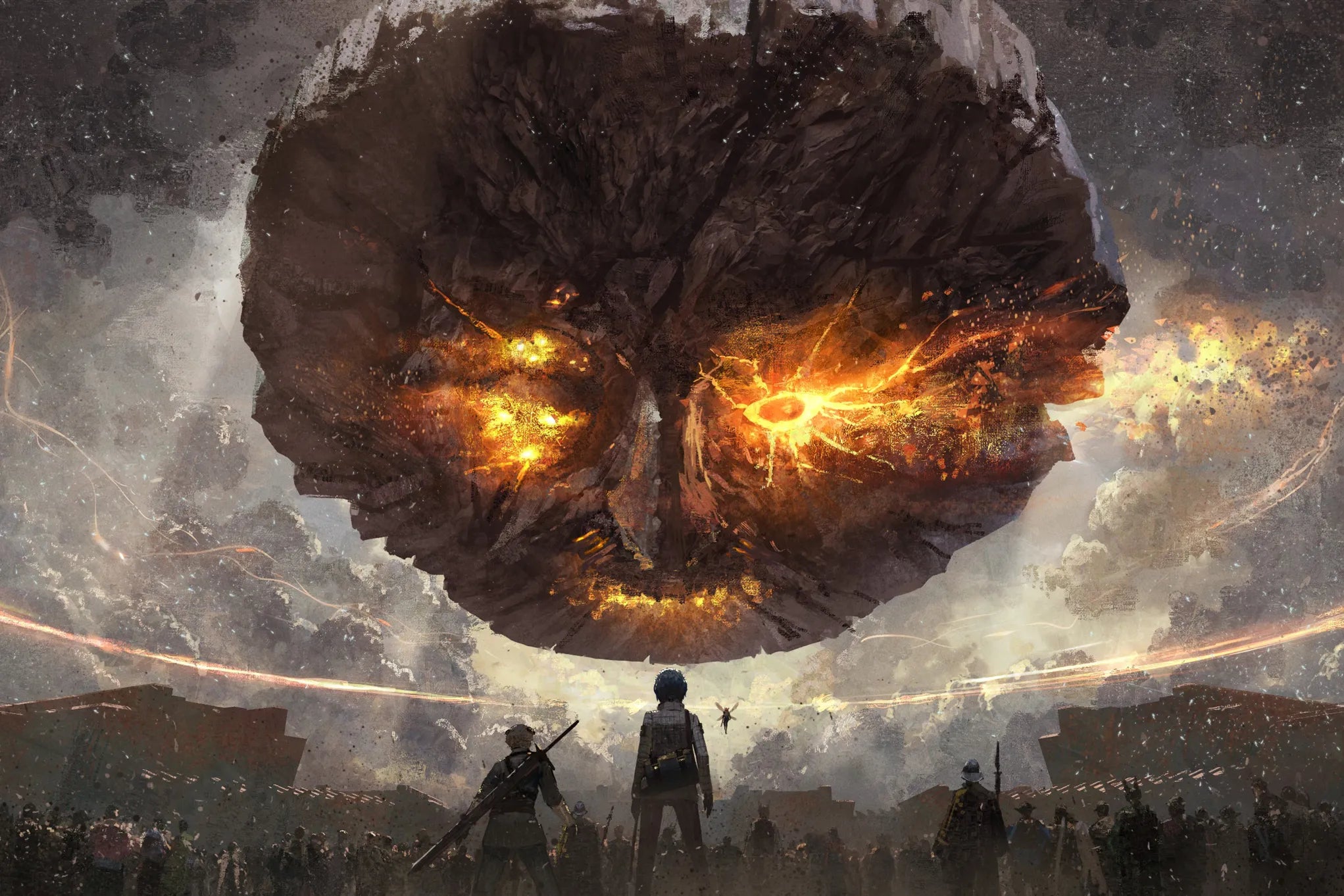
The Top 5 JRPGs of All Time: A Definitive Ranking
26 Sep, 2025
Japanese Role-Playing Games (JRPGs) have gifted players with some of the most profound and unforgettable adventures in gaming. These are the stories that stick with you for a lifetime. But which titles truly stand above the rest as the absolute best? After analyzing their impact, innovation, and enduring legacy, we've compiled the definitive list of the top 5 JRPGs of all time. Whether you're a genre veteran or a curious newcomer, these are the essential games you need to experience. #5 – Metaphor: ReFantazio (The New Contender) Kicking off our list is a game that proves the genre is still evolving: Metaphor: ReFantazio. From the legendary creators behind the Persona and Shin Megami Tensei series, this title burst onto the scene and immediately cemented its place among the greats. Why It's a Masterpiece: Metaphor: ReFantazio breaks the traditional fantasy mold with a unique blend of real-time exploration and turn-based combat. It retains the deep social sim elements that made Persona famous while introducing a fresh, ambitious fantasy setting. It’s a bold step forward that honors JRPG traditions while fearlessly pushing them into new territory. Play This If You Like: Persona 5, deep character relationships, and innovative combat systems. #4 – Xenoblade Chronicles (The Epic Scale) Monolith Soft’s Xenoblade Chronicles is a monumental achievement in world-building. The game presents a universe literally sprawled across the corpses of two warring titans, creating a sense of scale that few games have ever matched. Why It's a Masterpiece: Its seamless, vast environments, real-time "Arts" combat system, and emotionally charged narrative set a new standard for modern JRPGs. The story of Shulk and his quest for vengeance is both personal and universe-altering, exploring themes of fate, free will, and redemption with stunning depth. Play This If You Like: Massive, explorable worlds, epic sci-fi fantasy stories, and real-time combat. #3 – Persona 5 (The Stylish Revolution) Persona 5 didn’t just release; it made a statement. Oozing with unparalleled style, this game brought JRPGs to the forefront of modern gaming culture. It masterfully balances the life of a Tokyo high school student with the thrilling life of a phantom thief. Why It's a Masterpiece: The game’s core loop of dungeon crawling, turn-based combat, and building "Confidant" relationships is perfectly polished. Its themes of rebellion against corruption, its iconic soundtrack, and its fluid UI design make every moment feel incredibly cool and meaningful. Play This If You Like: Contemporary settings, deep life-sim mechanics, and stories with strong social commentary. #2 – The Final Fantasy Golden Era (VI, VII, IX, X) (The Unbeatable Lineage) It’s impossible to choose just one. The golden era of Final Fantasy represents the peak of the genre’s popularity and innovation. Each of these four titles could easily top any list on their own merit. Final Fantasy VI: An operatic masterpiece with a sprawling cast and one of gaming's greatest villains in Kefka. Final Fantasy VII: A cultural touchstone that brought JRPGs to 3D with its iconic cyberpunk world and unforgettable story. Final Fantasy IX: A heartfelt return to classic fantasy, celebrated for its charming characters and profound themes of life and identity. Final Fantasy X: A landmark for its full voice acting and emotional, linear narrative that remains deeply impactful. Why They're Masterpieces: Together, these games defined a generation and set the benchmarks for storytelling, character development, and technical achievement in RPGs. #1 – Chrono Trigger (The Timeless Perfect) At the summit sits a game that many consider not just the greatest JRPG, but one of the greatest video games ever created: Chrono Trigger. Developed by a "dream team" including creators from Final Fantasy and Dragon Quest, this 1995 Super Nintendo title is virtually flawless. Why It's a Masterpiece: Chrono Trigger perfected concepts that modern games still struggle with. Its time-travel narrative is cohesive and engaging, its Active Time Battle system is seamless, and its multiple endings offered unprecedented replayability. It’s a tightly paced adventure with zero filler, packed with memorable characters and moments. Even after nearly 30 years, it remains the blueprint for perfect RPG design. Play This If You Like: Tight, well-paced stories, innovative gameplay ideas, and games that respect your time. Conclusion: The Legacy of JRPGs This list is more than a nostalgia trip; it's a testament to the power and evolution of the Japanese RPG. From the pixel-art perfection of Chrono Trigger to the boundary-pushing design of Metaphor: ReFantazio, these games prove that at the heart of every great JRPG is a timeless combination of a compelling story, memorable characters, and a world you never want to leave. Do you agree with our picks? What are your top 5 JRPGs of all time? Let us know in the comments below!
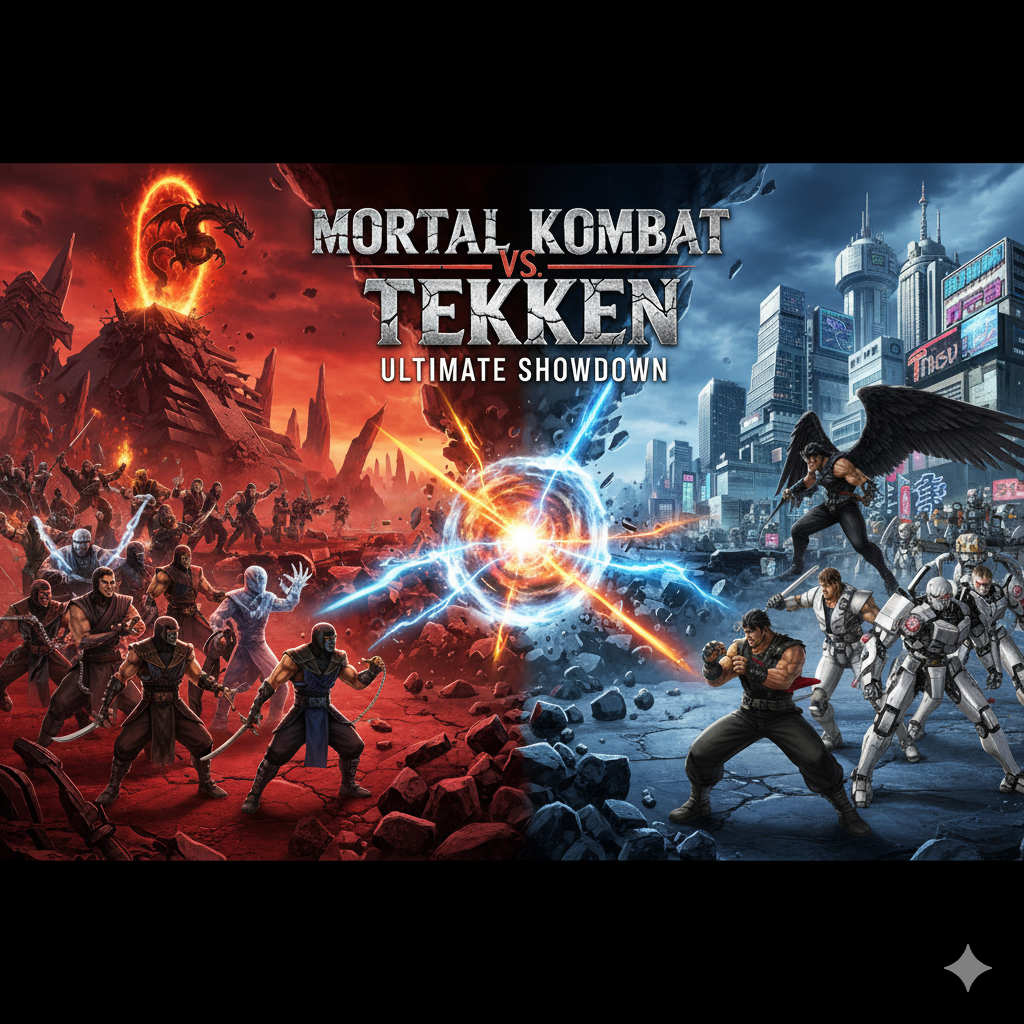
Mortal Kombat vs Tekken: Which Fighting Game Giant Reigns Supreme
24 Sep, 2025
Introduction: The Eternal Fighting Game Debate For decades, two names have dominated the fighting game genre: Mortal Kombat and Tekken. Both series have passionate fanbases, but they approach combat in fundamentally different ways. Whether you're a seasoned fighting game veteran or a newcomer looking to choose your first serious fighter, this comprehensive comparison will help you decide which game deserves a spot in your library. Gameplay Philosophy: Style vs Substance Mortal Kombat's Accessible Brutality Mortal Kombat prioritizes cinematic flair and immediate satisfaction. The fighting system is more accessible for newcomers, with special moves that are generally easier to execute than Tekken's complex inputs. Where MK truly shines is in its signature Fatalities - the gruesome finishing moves that have become a cultural phenomenon. Key Gameplay Features: 2.5D fighting plane (side-to-side with 3D graphics) Simplified special move inputs Block button (unlike most fighting games) Focus on brutal, cinematic sequences Extensive single-player content Tekken's Technical Depth Tekken operates on a 3D plane, adding sidestepping and deeper movement to the traditional fighting formula. The game is renowned for its incredible depth, with each character having over 100 moves to master. Tekken's learning curve is steeper, but the reward is one of the most satisfying and technically rich fighting systems ever created. Key Gameplay Features: True 3D movement (sidestepping, backdashing) Complex combo systems and frame data mastery Traditional back-to-block system Focus on martial arts authenticity High skill ceiling for competitive play Character Roster & Legacy Mortal Kombat's Iconic Ninjas and Gods From Scorpion's "Get Over Here!" to Sub-Zero's ice attacks, Mortal Kombat's characters are instantly recognizable. The franchise has built a compelling dark fantasy universe with gods, monsters, and special forces operatives clashing in epic storylines. Notable Characters: Scorpion and Sub-Zero (the face of the franchise) Raiden (thunder god) Johnny Cage (Hollywood star) Liu Kang (fireball-throwing hero) Tekken's Martial Arts Masters Tekken's roster focuses on diverse martial arts styles, from Karate and Judo to more exotic fighting forms. The ongoing Mishima family saga provides a dramatic backbone to the character relationships, creating a more serious, character-driven narrative. Notable Characters: Kazuya Mishima (the tortured anti-hero) Jin Kazama (the conflicted protagonist) King (the jaguar-masked wrestler) Nina Williams (the deadly assassin) Graphics & Presentation: Blood vs Polish Mortal Kombat's Cinematic Excellence NetherRealm Studios has mastered the art of cinematic presentation. Mortal Kombat features Hollywood-level production values with stunning story modes that feel like playable action movies. The gore is incredibly detailed, making every punch, kick, and special move feel impactful. Tekken's Technical Prowess Bandai Namco focuses on silky-smooth performance and clean visual design. While less overtly cinematic than MK, Tekken runs at a flawless 60fps with incredibly polished animations that reward frame-perfect execution. The visual style is more grounded but technically impressive. Single-Player Content: Which Game Offers More? Mortal Kombat: The King of Solo Play If you primarily play fighting games alone, Mortal Kombat is arguably the better choice. The series consistently delivers: 4-6 hour cinematic story modes Towers with unique modifiers and challenges Krypt exploration mode Extensive tutorial systems Tekken's Solid Solo Offerings While traditionally more focused on versus play, modern Tekken games have improved their single-player content significantly: Story mode with character episodes Treasure Battle for unlockables Practice mode with extensive tutorials Character customization options Online & Competitive Scene Tekken's Tournament Dominance Tekken has a stronger presence in the competitive fighting game community. The complex movement and deep mechanics make it a staple at tournaments like EVO. The skill ceiling is incredibly high, rewarding dedicated players with endless depth to explore. Mortal Kombat's Accessible Competition Mortal Kombat's online scene is more accessible to intermediate players. While it has a competitive scene, the gameplay is generally more forgiving for casual online play. NetherRealm's netcode has improved significantly in recent iterations. Which Game Is Right For You? Choose Mortal Kombat If: You prefer cinematic, story-driven experiences You want accessible gameplay with immediate satisfaction You enjoy brutal, over-the-top violence and gore You value extensive single-player content You're new to fighting games Choose Tekken If: You want deep, technical gameplay to master You prefer competitive multiplayer and tournaments You enjoy 3D movement and complex combos You appreciate diverse martial arts styles You're willing to invest time in learning frame data Verdict: Two Different Paths to Fighting Greatness The Mortal Kombat vs Tekken debate ultimately comes down to personal preference. Mortal Kombatexcels as an entertainment package with its Hollywood presentation and accessible gameplay. Tekkenstands as a deeper competitive experience with unparalleled technical depth. Both series represent the peak of their respective subgenres. Rather than declaring one objectively better, we're fortunate to have both approaches thriving in the fighting game community. Which fighting game royalty deserves your loyalty? The answer depends on what you're looking for in a virtual fight.
PS Plus Game Catalogue Explained: Is Extra or Premium Worth It in 2024?
24 Sep, 2025
What is the PS Plus Game Catalogue? If you're a PlayStation owner, you've likely heard about PlayStation Plus. But beyond the monthly free games and online multiplayer, there's a massive library of games known as the PS Plus Game Catalogue. This service has transformed PS Plus from a simple subscription into a comprehensive gaming platform. But what exactly is it? How does it work? And most importantly, is upgrading to PS Plus Extra or Premium worth your money? This guide will answer all your questions. PS Plus Tiers: Essential, Extra, and Premium Explained First, let's clear up the most common point of confusion: access. The Game Catalogue is not availableon the basic PS Plus Essential plan. PS Plus Essential: This is the standard tier. You get online multiplayer, cloud storage for saves, exclusive discounts, and a few monthly games to keep as long as you're subscribed. PS Plus Extra: This tier includes all Essential benefits, plus access to the massive Game Catalogueof hundreds of PS4 and PS5 games. PS Plus Premium: This is the top tier. It includes everything in Extra, plus additional benefits like the Classics Catalogue, cloud streaming, and time-limited game trials. The key takeaway: You need at least the Extra tier to access the Game Catalogue. How the PS Plus Game Catalogue Really Works Think of the Game Catalogue as Netflix for PlayStation games. For a flat monthly or annual fee, you get unlimited access to a curated library of games you can download and play. However, there is one critical detail every subscriber must understand: The Catalogue Rotates Unlike the monthly games from the Essential plan (which you keep as long as you're subscribed), the Game Catalogue is a rotating library. This means: New games are added every month. Some games are removed every month. Games typically stay in the catalogue for several months, but their availability is not permanent. This is why it's essential to check the "Last Chance to Play" section regularly on your PlayStation console. If a game leaves the service and you haven't purchased it separately, you will lose access to it. PS Plus Extra vs. Premium: What's the Difference? So, should you choose Extra or spring for Premium? Here’s a detailed breakdown of what you get with each. PS Plus Extra Includes: All PS Plus Essential benefits Access to the Game Catalogue (100+ PS4/PS5 games) PS Plus Premium Includes (Extra + More): All PS Plus Extra benefits Classics Catalogue: A collection of beloved games from older generations, including PS1, PS2, PSP, and PS3 titles (PS3 games are available via cloud streaming only). Cloud Streaming: Play a large selection of games directly from the cloud without downloading them—perfect for trying games quickly or saving hard drive space. Game Trials: Get limited-time full access to select new games. If you decide to buy, your progress and trophies carry over. Navigating the Game Catalogue on Your PS5/PS4 Finding and browsing the catalogue is straightforward: From your PS5 home screen, navigate to the PS Plus icon. Go to the Benefits tab. Select Game Catalogue. You can now browse all available games, filter by genre, see recently added titles, and check the "Collections" for curated lists like "Ubisoft+ Classics." The Final Verdict: Is the PS Plus Game Catalogue Worth It? Who is it for?The PS Plus Game Catalogue offers incredible value for: Gamers who love variety and trying new things. Players who missed major AAA titles and want to catch up without the full purchase price. Anyone who wants to discover indie gems they might have overlooked. Who might not need it? Gamers who primarily play one or two live-service games and rarely branch out. Those on a tight budget who prefer to own games permanently. Conclusion The PS Plus Game Catalogue is one of the best values in gaming today. If you enjoy having a vast library of games at your fingertips, PS Plus Extra is likely the sweet spot for most players. It provides an excellent library of modern titles for a reasonable price. Upgrade to PS Plus Premium if you have a specific interest in retro classics via the Classics Catalogue or see value in cloud streaming and game trials. Ready to explore? Head to your PlayStation and dive into the catalogue. What will you play first? Let us know in the comments below!
HIRU: The Next Big African Mythology Game
23 Sep, 2025
HIRU isn't just another action-adventure title—it's a cultural landmark in the making. Developed by Kenyan studio Kunta Content, this 3D third-person game represents something rare in the gaming world: an authentic African story told by African creators. The game follows Hiru, a teenage Maasai prince whose world shatters when poachers destroy his clan, kill his family, and abduct his sister. But this isn't just a revenge story—it's a narrative about protecting ancestral lands, preserving culture, and confronting environmental destruction head-on. Why HIRU Matters: Cultural Significance Meets Gaming A Story Rooted in Real-World Struggles What sets HIRU apart is its grounding in contemporary African realities. The poachers aren't just generic villains—they represent the very real threats facing indigenous communities across the continent. The environmental themes aren't background decoration; they're central to the narrative. Maasai Culture Front and Center From the trailers and early visuals, it's clear that Maasai culture isn't just aesthetic. The traditional clothing, rituals, and social structures appear deeply integrated into gameplay and storytelling. Hiru's identity as a prince means his connection to the land and his people drives every decision. African Landscapes as Character The showcased environments—savannas, forests, and deserts—aren't just pretty backdrops. Early footage suggests the environment will play an active role in gameplay, with lighting and color palettes that feel authentically Kenyan rather than a Western interpretation of Africa. Gameplay and Mechanics: What We Know So Far Based on teaser trailers and developer comments, HIRU appears to feature: Third-person action combat with likely focus on traditional weapons Open-world traversal across diverse African biomes Stealth elements for confronting poachers and wildlife Environmental interaction that ties into both narrative and gameplay The prototype available to waitlist members suggests solid foundational mechanics, though specific details remain under wraps. The Big Unanswered Questions Supernatural Elements? African mythology is rich with spiritual beings, animism, and mystical traditions. Will HIRU incorporate these elements, or stick to grounded realism? This could be the game's biggest differentiator. Moral Choices and Branching Narratives Given the heavy themes, will players face meaningful choices between vengeance and mercy, or between environmental preservation and human survival? These decisions could elevate HIRU from great to legendary. Platform Availability Currently confirmed for PC and Xbox, but PlayStation and Switch versions remain uncertain. The game's visual scope might make VR or multiplayer unlikely, but not impossible. Why HIRU Could Be a Game-Changer Representation Done Right This isn't another case of Western developers interpreting African culture. With Kunta Content's Kenyan team leading development, HIRU promises authenticity that's been largely absent from mainstream gaming. Timing Is Everything With increased global interest in diverse stories and environmental themes, HIRU arrives when audiences are hungry for meaningful gaming experiences that go beyond entertainment. Visual Storytelling Potential The early visuals suggest a game that understands how to use landscape and color emotionally. If executed well, this could be one of gaming's most visually distinctive titles. Release Timeline and How to Follow Targeting a late 2026 release, HIRU is still in active development. Interested gamers can: Join the official waitlist at Kunta Content's website Follow developer updates on social media Watch for gameplay reveals at major gaming events The Verdict: Cautious Optimism HIRU represents exactly the kind of risk-taking the gaming industry needs. While many questions remain unanswered, the combination of authentic cultural representation, relevant themes, and promising early visuals suggests this could be a landmark title. As one of the most ambitious African-developed games to date, HIRU isn't just important for what it is—but for what it could inspire others to create. "When African developers tell African stories, everyone wins. HIRU might just be the beginning of a gaming revolution we've needed for decades." What do you think about HIRU? Are you excited for more culturally grounded games from underrepresented regions?
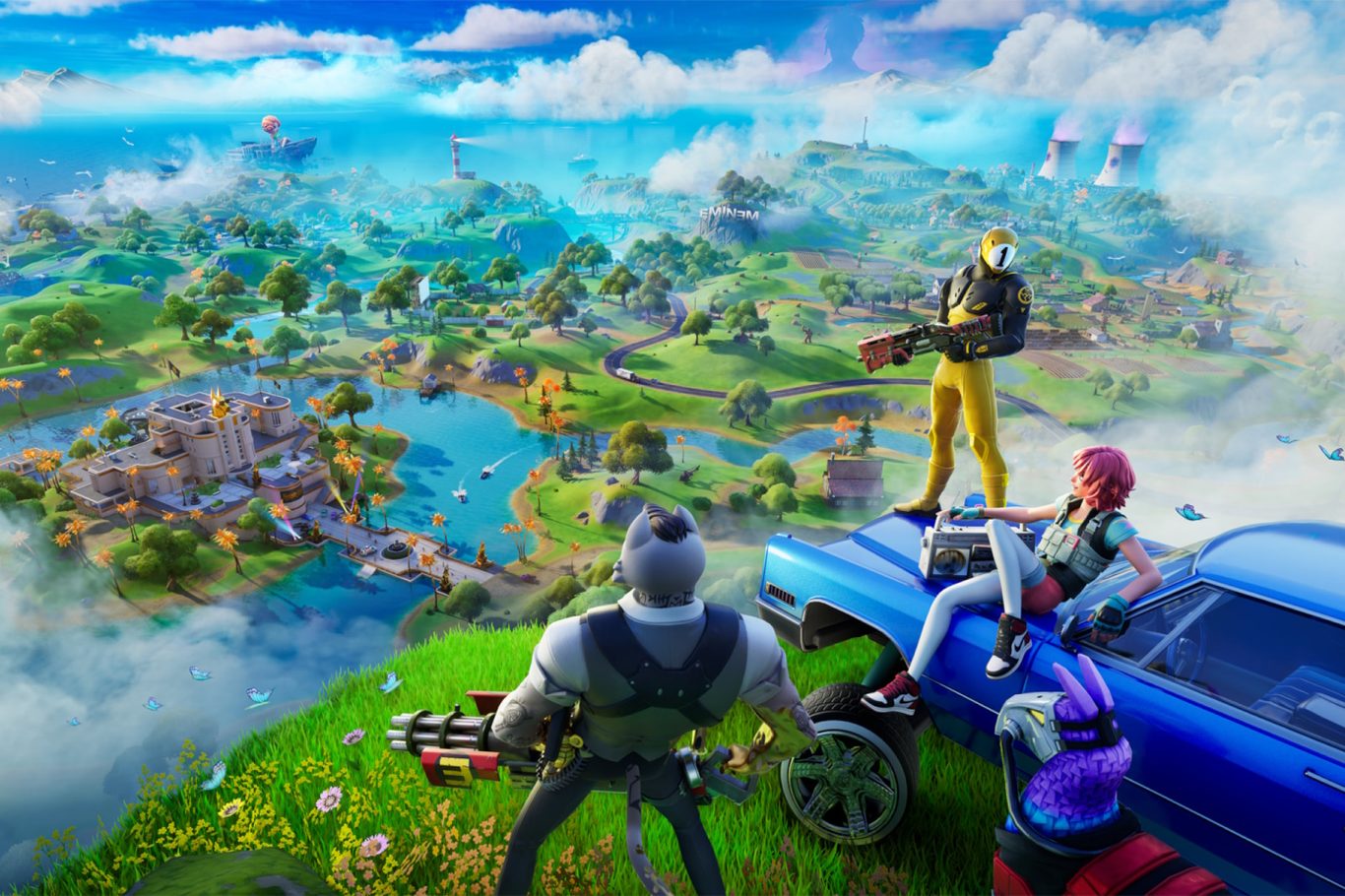
Platform Games vs. Traditional AAA: The Industry's Civil War
20 Sep, 2025
It's not just a different genre—it's a different rulebook. We break down how games like Roblox and Fortnite are rewriting the fundamentals of the entire gaming industry. If you look at the gaming landscape today, you see two parallel realities. In one, studios like Naughty Dog, Ubisoft, and Activision pour hundreds of millions of dollars into creating breathtaking, cinematic blockbusters. In the other, titles like Roblox, Fortnite, and Minecraft operate less like traditional games and more like persistent digital nations, evolving daily. This isn't a simple comparison of two types of games. It's a fundamental clash of philosophies: the finished product versus the endless platform. Let's dive into the key battlegrounds where this industry civil war is being fought. At a Glance: The Core Differences Feature Traditional AAA Games Platform-Style Games Core Model Finished Product Evolving Platform Content Source Developer-Created User-Generated & Developer-Created Development Cycle Fixed (2-5 years) Continuous & Live (Daily/Weekly updates) Player Role Consumer Consumer, Creator, Social Participant Primary Revenue $70 Game Sales + DLC Microtransactions, Battle Passes, Creator Economy Longevity Peaks at launch, fades Persists for years, grows with audience Social Experience Often optional (Co-op/MP) Always-online, central to the experience 1. The Content Model: Finite World vs. Infinite Playground Traditional AAA is built on a developer-led, sequel-based model. You buy a highly polished, complete experience—think The Last of Us or Call of Duty. You enjoy its story, its multiplayer maps, and its features. Then, you wait. The next significant update is a sequel, often years later, which offers a similar but incrementally improved experience. Platform games shatter this cycle. There is no "waiting for the next one." A game like Roblox or Fortnite is a single, persistent universe that never stops evolving. The content isn't just from the developers; it's from the players themselves. Log into Roblox on any given day, and you’re not just playing "Roblox"—you're jumping between thousands of unique games within Roblox, all created by other users. This model generates infinite variety, making the platform feel fresh every single week. 2. The Development Cycle: The Big Bang vs. The Constant Pulse AAA development is a marathon ending with a giant explosion—the launch day. Studios work for years in secrecy, fueled by massive budgets, to create a single monumental release. After launch, support typically involves patches and maybe a few DLC packs before the team moves on to the next project. Platform development is a never-ending sprint. There is no final version. Epic Games doesn't need to develop Fortnite 2; they simply update the existing game. This allows for incredible agility. They can launch a new season, a major event like a concert with Ariana Grande, or a crossover with Marvel literally overnight. The development cycle is decoupled from a release schedule, enabling constant iteration and immediate response to trends. 3. Player Motivation: Consuming a Story vs. Creating an Identity Why do players engage with these models? The motivations are fundamentally different. AAA Motivation: Players are drawn to realism, graphical fidelity, and cinematic storytelling. They want to be immersed in a crafted world, to experience a narrative, and to marvel at technical achievement. The experience is largely predefined. Platform Motivation: Players are driven by customization, creativity, and social connection. It's less about being immersed in someone else's story and more about writing your own. It's about hanging out with friends, building your dream island in Fortnite Creative, designing an outfit for your avatar, or simply being in a shared social space. 4. Community & The Creator Economy: Audience vs. Ecosystem This is perhaps the most significant divergence. In the AAA model, the community is an audience. They consume the content handed down by the developers. While modding communities exist for some PC titles, they are often the exception, not the rule. Platforms flip this model entirely. The community is the ecosystem. Players are actively recruited and empowered to become creators. Roblox isn't just a game; it's a marketplace and a stage. It provides the tools and the audience, and its users provide the content. This creates a powerful virtuous cycle: more creators bring more content, which attracts more players, which in turn attracts more creators. These creators can even earn real money, making them invested stakeholders in the platform's success. 5. Revenue & Longevity: The Launch Spike vs. The Forever Game The financial models reflect these core differences. AAA Revenue: Relies on the big-box sale ($60-$70 per unit), supplemented by post-launch DLC and, increasingly, microtransactions. The financial success is a massive bet placed on a single launch window. Platform Revenue: Generates billions through continuous streams: the item shop, battle passes, advertising, and taking a cut of its creators' earnings. The player isn't just a consumer; they are part of a thriving in-game economy. This leads directly to longevity. A AAA game has a natural lifecycle: it peaks at launch and slowly tapers off as players finish the campaign and move on to the next big release. A platform game is designed to be a "forever game." It grows and matures with its player base. A child who starts playing Roblox at 10 will find entirely new, more complex experiences on the same platform when they're 15. The platform itself becomes a constant in their lives. The Verdict: It's Not a Competition—It's an Evolution So, which model is better? That's the wrong question to ask. The real takeaway is that platform-style games aren't just competing with traditional AAA; they are pioneering a new paradigm for what a game can be. They are less like a movie you watch and more like a YouTube or TikTok you participate in. They are social hubs, creative suites, and economic platforms first, and "games" second. The question for the industry is no longer whether a platform like Fortnite will "beat" the next Call of Duty. The question is whether the traditional AAA model, with its ballooning budgets and lengthy development cycles, can adapt and integrate lessons from these agile, community-powered platforms before it gets left behind. The rules have been rewritten, and the game has forever changed.